
A well inspection is a professional evaluation of a private water well’s equipment, performance, and water quality. For buyers and homeowners in Suite 2000 and across the Greater Toronto Area, pairing a home inspection with a focused well review clarifies risk, flags maintenance needs, and supports fast, confident decisions.
By Asmhomeinspection
Last updated: 2026-06-01
Above-Fold: Hook, overview, and quick links
This guide distills the essentials of a well inspection into clear, practical steps. You’ll learn what gets checked, which tests matter, how long it takes, and how to use a same-day report to negotiate or plan maintenance. Jump to any section below to get specific answers fast.
Buying or maintaining a property with a private well raises unique questions: water safety, flow rate, storage, pump health, and backup power. As a certified residential and commercial inspector serving the GTA, we translate technical well data into decisions you can act on the same day.
- What is a well inspection?
- Why well inspections matter
- How a well inspection works (step-by-step)
- Types of well inspections and tests
- Best practices for private well care
- Tools and resources we use
- Real-world examples
- Frequently asked questions
- Key takeaways
- Next steps
What is a well inspection?
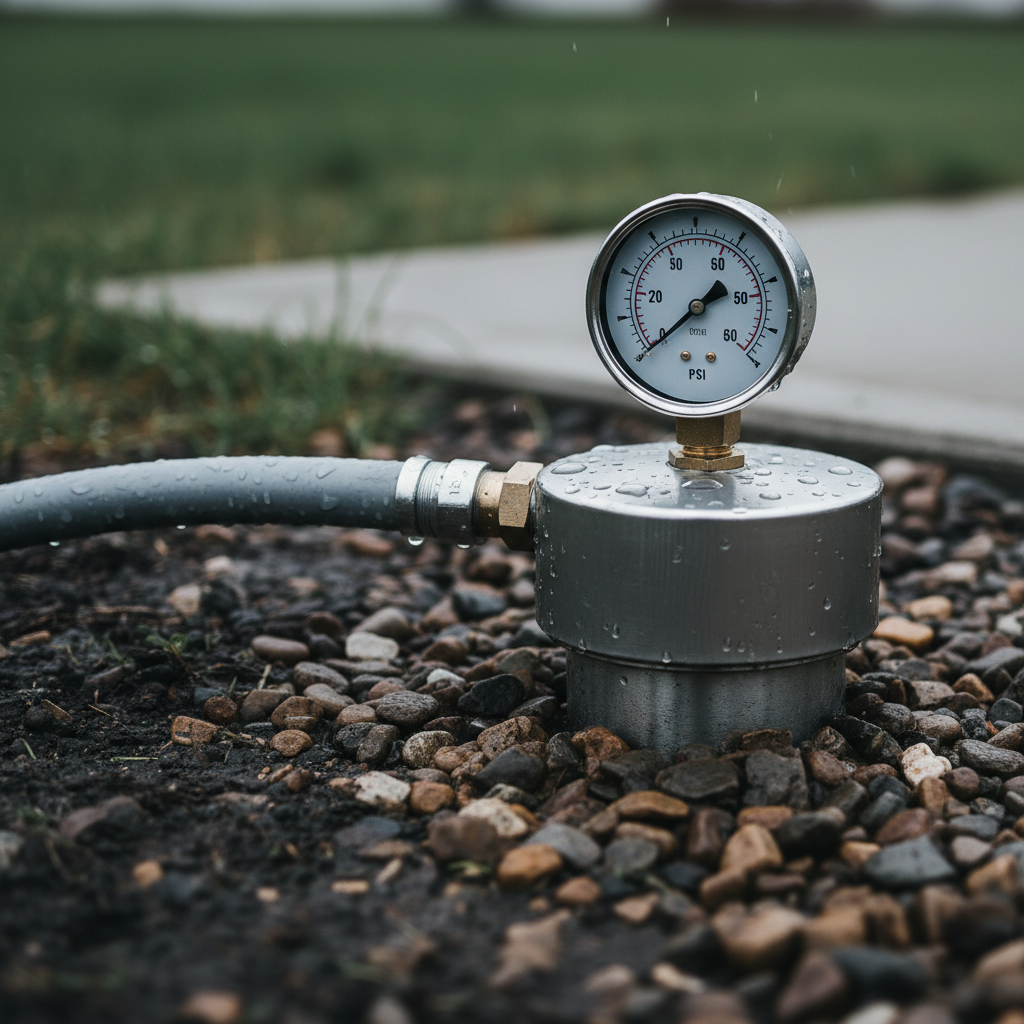
A well inspection is a top-to-bottom assessment of a private water system: the wellhead, casing, cap, pump, pressure tank, controls, distribution lines, and water quality. The goal is to verify safe water, reliable flow, and code-conscious installation so buyers and owners can make informed decisions.
In practice, a professional inspector documents the entire water system, from the visible wellhead and sanitary cap to the pressure tank and switch. We verify safety features, look for moisture intrusion risks, check for electrical hazards, and recommend laboratory water tests. Findings are organized in a same-day PDF so you can act immediately.
- System components: wellhead/cap, casing, pitless adapter, submersible or jet pump, pressure tank, pressure switch, gauges, check valve, distribution piping.
- Operational checks: run the pump, observe cycling, measure static and working pressure, note flow characteristics at fixtures.
- Documentation: photograph conditions, record model/serials if accessible, and summarize safety, performance, and maintenance items.
Because ASM Home & Commercial Inspection emphasizes early detection of moisture intrusion, we also examine adjacent grading, drainage, and interior areas for dampness that could affect the well system or building envelope.
Why well inspections matter
A well inspection protects health, property value, and transaction timelines. It can uncover bacteria risks, unreliable flow, aging pumps, and installation concerns before they derail closings or daily life. With a clear report, you negotiate smarter and plan maintenance with confidence.
Water touches every room and every occupant. When a well system underperforms—low flow, frequent cycling, or contamination—life gets inconvenient fast. For buyers, unknowns create anxiety and negotiation hurdles. For owners, small issues (like a damp cap seal) can turn into bigger problems, including water damage or equipment failure.
- Health and safety: water quality testing can flag bacteria concerns; electrical review can reveal unsafe wiring at the pressure switch or pump controller.
- Performance and comfort: measured pressure and flow help confirm that showers, laundry, and kitchens work reliably at the same time.
- Longevity and cost-avoidance: catching short-cycling or waterlogged tanks early helps extend pump and motor life.
- Real estate leverage: a same-day PDF summary from our inspection supports swift, evidence-based negotiation.
Local considerations for Suite 2000
- Expect seasonal moisture swings across the GTA. We look closely at grading and gutter discharge patterns that can push surface water toward the wellhead or into utility rooms.
- Winterization matters. Freeze-thaw cycles can stress exterior fittings; we inspect exposed piping, insulation, and any heat trace where present.
- Transaction timing is tight here. Our same-day reporting helps agents and clients keep deals moving without sacrificing due diligence.
How a well inspection works (step-by-step)
A thorough well inspection follows a repeatable sequence: pre-checks, exterior review, interior equipment assessment, operational testing, water sampling, and documentation. The process keeps transactions on schedule while covering safety, performance, and maintenance in one organized visit.
- Pre-check and context – Confirm property type, occupant needs, and known issues. Review any past reports or permits if provided by the seller or agent.
- Exterior review – Inspect the wellhead height, cap seal, grading, and drainage. Note setbacks from potential contaminants where visible.
- Interior equipment – Examine pressure tank, pressure switch, gauges, visible piping, and shutoffs. Observe signs of leakage, corrosion, or amateur alterations.
- Operational testing – Run fixtures to watch pressure behavior, listen for pump cycling, and feel for vibration. Document static and working pressure readings.
- Water sampling – If requested by the client, collect samples for laboratory analysis (e.g., total coliform) using accepted handling practices.
- Documentation and briefing – Provide a same-day PDF with prioritized findings and recommendations, plus a verbal walkthrough to answer your questions.
For residential buyers, we often pair this visit with a full home inspection so you get one integrated report spanning roof, attic, structure, plumbing, electrical, HVAC, and the private well system.
Types of well inspections and tests
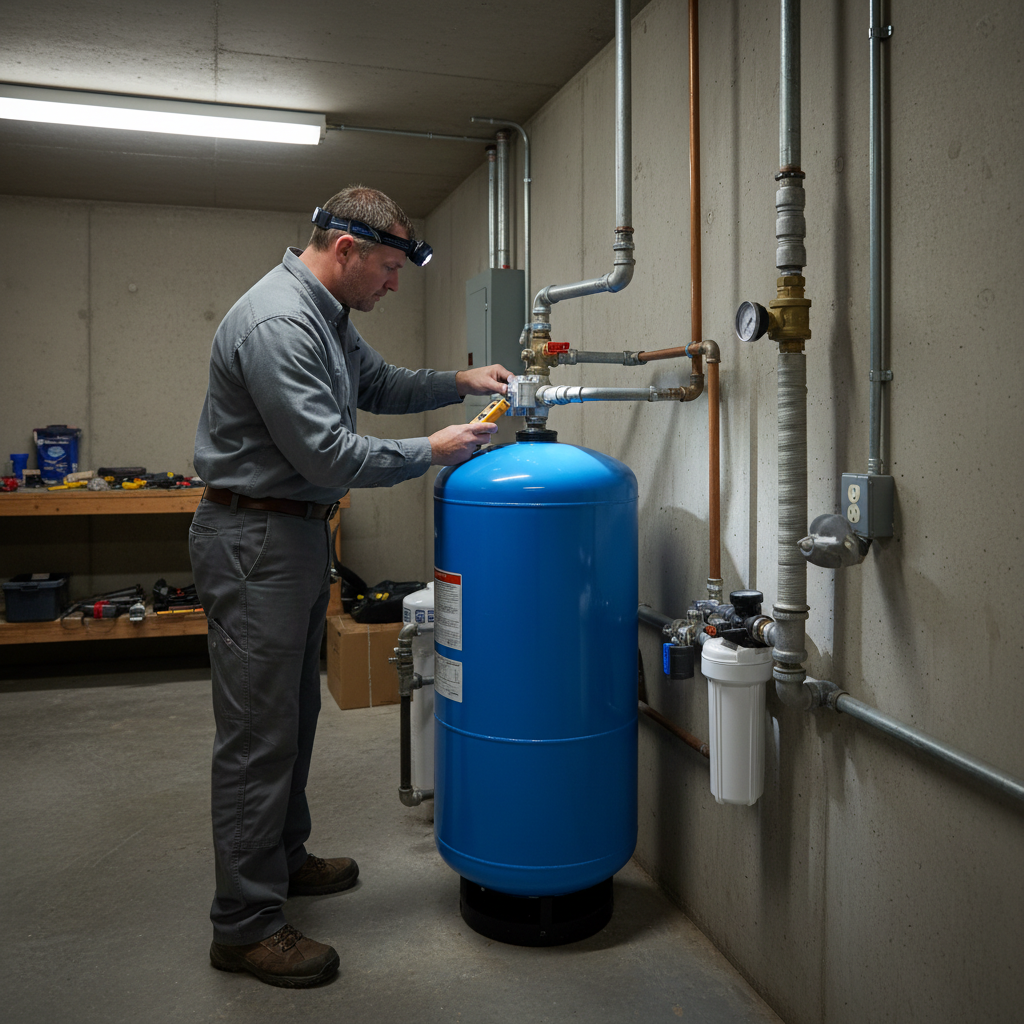
Well evaluations range from visual/functional checks to targeted testing. Common add-ons include water quality testing, flow characterization, and electrical safety review. Choose the scope that matches your risk tolerance, timeline, and property history.
Common inspection scopes
- Visual and functional review: look for damage or contamination pathways at the wellhead; verify equipment labeling and basic operation inside.
- Operational profiling: observe pump cycling, note pressure behavior, and record fixture performance under typical household demand.
- Water quality sampling: collect samples for lab analysis when requested by the client or agent.
- Electrical safety scan: check visible bonding/grounding at accessible components and look for unsafe wiring methods.
Typical measurements and documentation
- Pressures: static and running (noted in psi) to indicate reserve capacity and system performance.
- Observed flow: qualitative notes at multiple fixtures, captured alongside inspector videos or photos where helpful.
- Equipment data: model/serial numbers where accessible; age estimations when possible based on condition.
At-a-glance comparison
| Scope | What it includes | Best for |
|---|---|---|
| Visual + Functional | Exterior wellhead/cap review, interior tank/switch check, basic operation notes, photos | Quick due diligence during offers |
| Operational Profile | Pressure observations, cycling behavior, multi-fixture run test, recommendations | Buyers wanting confidence in day-to-day use |
| Water Quality Sampling | Client-requested bacterial and other lab tests with documented chain-of-custody | Health-focused households and rentals |
If our inspection suggests drainage or plumbing concerns beyond the well system, we point you to specialized resources such as a plumbing inspection overview or a primer on drain video inspection when sewer issues are suspected.
Best practices for private well care
Protect your water and equipment by maintaining a sanitary, damage-free wellhead, monitoring pressure behavior, and testing water on a regular schedule. Small, consistent actions reduce surprises, extend pump life, and keep everyday use comfortable.
- Protect the cap: keep the sanitary cap intact and above grade; avoid impacts from mowers, plows, or vehicles.
- Control runoff: grade soil so water drains away from the wellhead; maintain gutters and downspouts to reduce surface pooling.
- Watch pressure behavior: frequent short-cycling can signal a waterlogged tank or control issue—address early to preserve pump life.
- Check adjacent spaces: look for dampness in utility rooms, especially after heavy rain; manage humidity with ventilation or dehumidification.
- Document changes: note new noises, vibration, or pressure swings and share with your inspector at the next visit.
- Test water periodically: add lab sampling to your routine so you have a record of water quality over time.
We integrate these best practices into our broader home inspection approach, which also evaluates roof, attic, foundation, plumbing, electrical, and HVAC—because whole-home context helps explain why a well system behaves the way it does.
Tools and resources we use
We combine certification-backed procedures with practical tools: moisture meters, thermal imaging for hidden dampness, electrical testers at accessible equipment, and organized photo documentation. When issues extend past the well, we reference reputable trade resources to guide next steps.
- Inspection tools: pressure gauges, non-contact voltage testers, moisture meters, thermal imaging, and high-output lighting for dark utility spaces.
- Documentation: high-resolution photos, labeled observations, and standardized language in a same-day PDF report for easy sharing.
- Moisture focus: we look for damp materials near the well equipment, a core ASM strength aimed at preventing structural and safety risks.
If moisture or plumbing issues are confirmed, we’ll help you understand options using trade explainers like water leak detection basics so you can plan targeted repairs with confidence.
Need fast clarity? We provide same-day PDF summaries that organize well inspection findings, home system conditions, and next steps—ideal for time-sensitive offers and listings. Schedule your inspection and get answers you can act on.
Case studies and real-world examples
Every property tells a story. These brief examples show how a well inspection, paired with a full home review, creates leverage for buyers, clarity for sellers, and safer daily use for families across the GTA.
Buyer leverage during a tight timeline
A first-time buyer in the GTA needed well clarity during a rapid offer window. Our inspection found a loose cap seal and short-cycling tank. With a same-day PDF, their agent negotiated remediation before closing. The client moved in with documented fixes and stable pressure readings.
Owner maintenance that prevented damage
A homeowner noticed intermittent pump noise. Our visit tied it to minor seepage in the utility room after storms. Adjusted grading outdoors and a serviced pressure switch resolved the vibration—and the interior damp spot dried out, reducing moisture risk near electrical controls.
Rental documentation for peace of mind
For a landlord-tenant move-in, we photographed well components, verified operation, and documented baseline pressure observations. The move-in inspection record reduced disputes later and gave the property manager a maintenance checklist tied to the utility room’s equipment.
Frequently asked questions
These concise answers cover what most buyers and owners ask about well inspections—scope, timing, water testing, and how the report supports decisions. If you need deeper guidance, we’re happy to walk you through specifics for your property.
What does a well inspection include?
We assess the exterior wellhead and cap, interior equipment (pressure tank, switch, gauges), visible piping, and operational behavior. On request, we coordinate water sampling for lab analysis. You receive a same-day PDF with photos, prioritized notes, and recommended next steps.
How long does a well inspection take?
Most residential well evaluations fit within the overall home inspection window. The on-site review, operational checks, and documentation are completed in one visit, and the summary report is delivered the same day so you can keep your timeline on track.
Do I need water quality testing too?
We recommend periodic water testing for health and documentation. Many clients add bacterial screening when buying or when occupants have health sensitivities. Testing pairs well with the inspection, giving you both system performance notes and lab results for peace of mind.
Can a well inspection find plumbing or moisture issues?
Yes. We look beyond equipment to surrounding conditions—grading, drainage, and utility room dampness. When we suspect broader plumbing problems, we’ll suggest specialized assessments so you can address the root cause efficiently.
Key takeaways
A well inspection confirms safe water, reliable pressure, and sound equipment. In one visit, you get clarity, documentation, and a plan. The same-day report helps you negotiate now and maintain confidently later.
- A well inspection verifies safety, performance, and installation quality.
- Pairing it with a full home inspection provides whole-house context.
- Same-day PDF reporting keeps offers, listings, and repairs moving.
- Periodic water tests create a helpful quality baseline over time.
Next steps
If your property uses a private well—or you’re considering one—book a combined home and well inspection. You’ll receive a same-day summary, photos, and prioritized actions so decisions don’t stall.
Ready to move forward? Our InterNACHI and CCPIA certified inspector serves buyers, sellers, investors, and property managers throughout the GTA. Connect with ASM Home & Commercial Inspection to schedule your well inspection and broader home review in Suite 2000.