
Roof home inspection is a systematic evaluation of your roof’s materials, flashings, drainage, and attic conditions to confirm safety, weather protection, and remaining life. In Suite 2000, Toronto, ON, ASM Home & Commercial Inspection performs certified assessments and delivers a same-day PDF, helping you spot moisture intrusion and defects before they become costly repairs.
By Asmhomeinspection · Last updated: 2026-06-14
Above-Fold Overview and Table of Contents
This guide explains what a roof inspection includes, why it protects your investment, and how ASM Home & Commercial Inspection executes a certified process with same-day reporting. Use the table of contents to jump to definitions, methods, tools, examples, best practices, FAQs, and clear next steps.
Use this section to scan the guide quickly and jump to what you need. We built it for homeowners, buyers, sellers, real estate agents, and property managers across the GTA.
- What is a roof home inspection?
- Why roof inspections matter
- How a professional roof inspection works
- Types of roofing systems and issues
- Best practices for homeowners
- Tools and resources inspectors use
- Case studies and GTA examples
- Roof inspection value & scope
- Frequently asked questions
- Key takeaways & next steps
- Related guides in our inspection series
What Is a Roof Home Inspection?
A roof home inspection is a certified visual evaluation of roofing materials, flashings, penetrations, drainage, and the attic to identify defects, safety concerns, and signs of moisture intrusion. Inspectors document conditions, estimate remaining service life, and provide a written report with photos and maintenance recommendations.
In our experience across the GTA, homeowners use this inspection to verify condition before listing, negotiate repairs during purchase, or plan proactive maintenance. The process aligns with our broader Residential Home Inspections and complements structure, electrical, plumbing, and HVAC evaluations.
- Scope: Shingles or membrane, underlayment where visible, flashings, vents, skylights, chimneys, gutters/downspouts, eaves/soffits, and attic.
- Purpose: Confirm weather tightness, track wear patterns, and catch early moisture issues that can damage framing and finishes.
- Deliverable: Same-day PDF report summarizing findings, photos, and prioritized next steps to support timely decisions.
- Fit: Part of Pre-Purchase, Pre-Listing, New Construction, Move-In, and Annual Maintenance inspections.
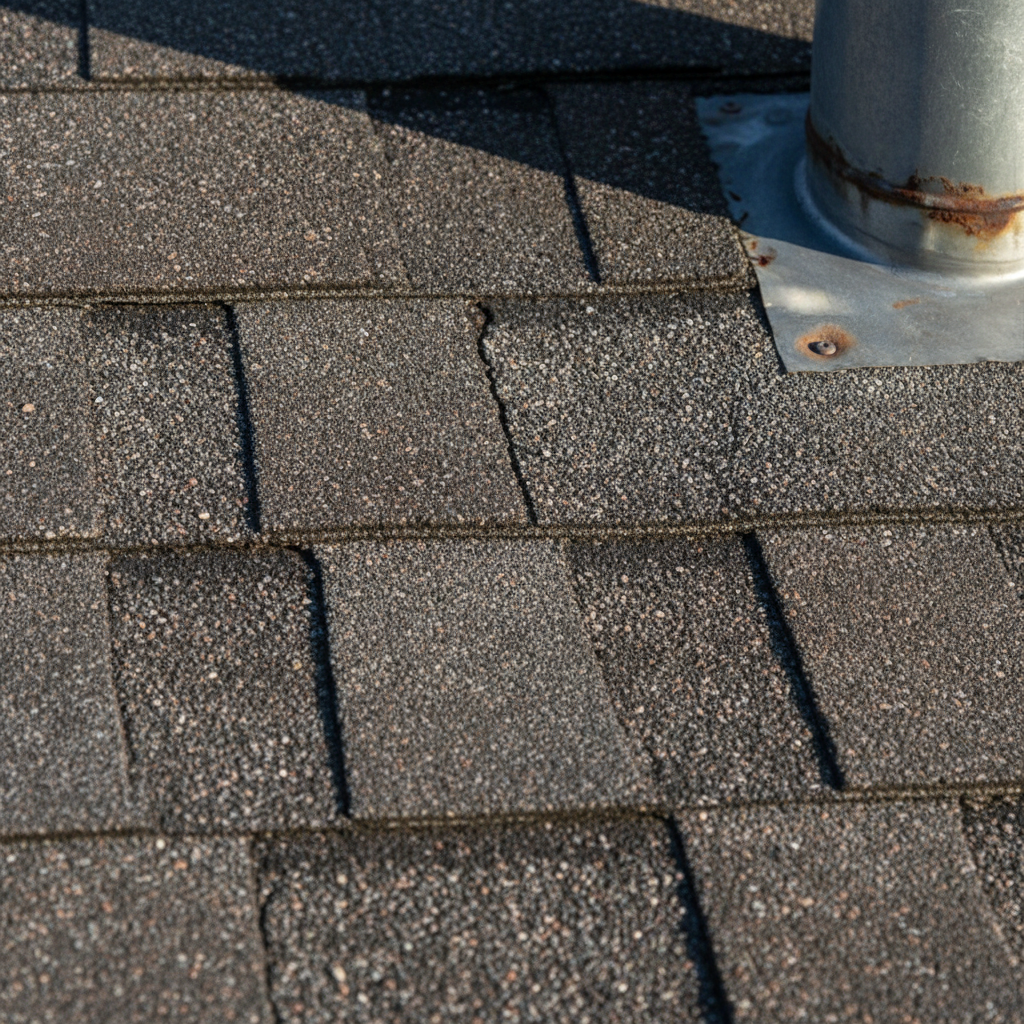
Roofs age in predictable ways. Asphalt systems often show granular loss and curling edges as they approach end of life, while flashing failures trigger most localized leaks. Attic insulation gaps and blocked vents can drive condensation in cold seasons.
Why Roof Inspections Matter
Roof inspections protect structure, indoor air quality, and budgets by catching leaks, ventilation issues, and material failures early. They help buyers negotiate fairly, sellers avoid surprises, and owners plan maintenance with confidence using documented, photo-rich reports.
Here’s the thing: water always wins. Even a small flashing gap can let in enough moisture to stain ceilings within weeks and compromise insulation R-value over a season. We routinely see minor penetrations escalate when unaddressed.
- Prevent structural damage: Wet sheathing can delaminate; prolonged saturation invites mold on cellulose-based materials.
- Stabilize energy performance: Balanced intake and exhaust ventilation curbs ice dams and attic condensation.
- Document for decisions: A standardized PDF gives buyers/sellers a neutral record for negotiations.
- Safety context: Loose shingles and corroded fasteners can become windborne hazards in storms.
On steep-slope homes, wind-driven rain exploits any uphill flashing defect. Low-slope roofs face ponding risks when drains clog—one reason we highlight regular gutter/downspout checks to clients throughout the GTA.
How a Professional Roof Inspection Works
A professional roof inspection follows a structured workflow: exterior scan, roof surface evaluation, flashing and penetration checks, drainage review, attic assessment, moisture testing where appropriate, and a same-day photo report with prioritized recommendations.
Our certified inspector conducts a system-by-system review. When roof access is unsafe or restricted, we use zoom optics or drone-assisted imaging to document conditions from the ground. Either way, the goal is clear, reproducible observations you can act on.
Process overview (what we examine)
- Exterior and roofline: Sagging ridges, lifted eaves, damaged soffits or fascia.
- Roof covering: Shingle wear, membrane blisters, exposed fasteners, surface granules in gutters.
- Flashings and penetrations: Step, counter, valley, chimney flashings; pipe boots; skylight curbs.
- Drainage: Gutter slope, downspout terminations, scuppers, and signs of overflow staining.
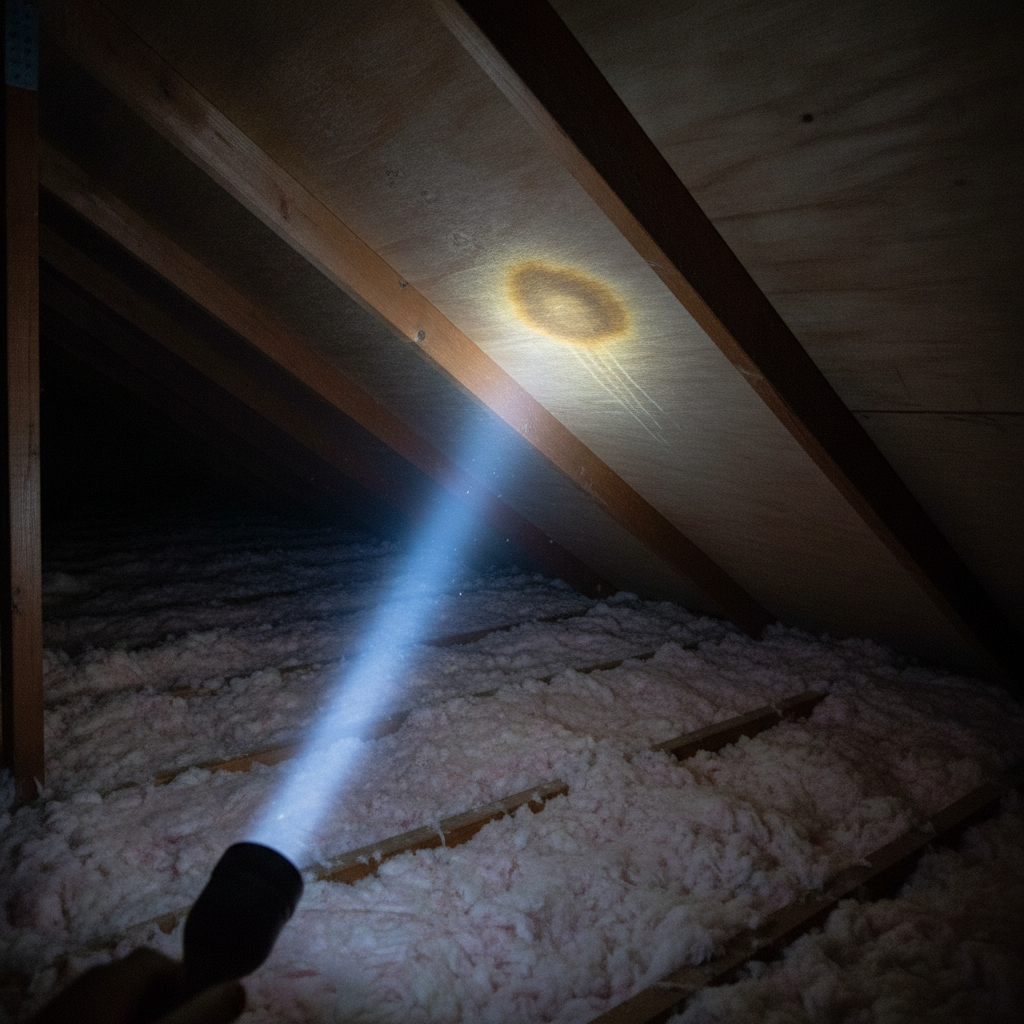
- Attic: Insulation depth/coverage, baffles, exhaust vents, daylighting at penetrations, and staining.
- Moisture indicators: Stains, surface warping, soft spots underfoot (when safely accessed), and thermal patterns.
| Inspection step | Purpose | Typical issues found | Tools we may use |
|---|---|---|---|
| Roof surface scan | Assess wear and weathering | Granule loss, curled tabs, membrane fishmouths | Binoculars, drone camera |
| Flashing review | Check water-shedding transitions | Loose step flashing, dried sealant, misaligned counter flashing | High-zoom optics, close photography |
| Drainage pathways | Confirm free-flow water exit | Clogged gutters, back-pitched sections, debris at valleys | Level, visual tracing |
| Attic & deck | Spot hidden moisture and heat patterns | Stains on sheathing, frost lines, compressed insulation | Moisture meter, thermal camera |
| Documentation | Provide evidence and guidance | Photo notes, priority ratings, maintenance timeline | Same-day PDF report system |
Local considerations for Suite 2000
- Seasonal freeze-thaw cycles in the Toronto area can lift shingles and stress flashing joints. Plan checks in late fall and early spring.
- Heavy summer storms push debris into gutters. Schedule quick downspout and valley clears to prevent overflow staining.
- During cold snaps, watch attic humidity and ventilation balance to limit condensation and ice dam formation along eaves.
Types of Roofing Systems and Issues
Common residential roofs include asphalt shingles, metal panels, cedar shakes, and low-slope membranes. Each fails differently: asphalt sheds granules and curls, metal loosens at fasteners, cedar splits, and membranes blister or open at seams. Flashings and penetrations are universal leak points across all systems.
Every system tells a story. Shingles telegraph their age through edges and color fade. Metal roofs reveal fastener back-out and seam separation. Membranes communicate drainage health by how and where they pond.
Asphalt shingles (steep-slope)
- What we look for: Granule loss, exposed mat, lifted tabs near ridges and valleys.
- Why it matters: UV protection declines as granules wear off, accelerating aging.
- Action: Boost maintenance frequency near skylights and chimneys; sealant at flashing laps ages faster.
Metal roofing
- What we look for: Fastener back-out, seam separation, oxidation at cut edges.
- Why it matters: Thermal cycling moves panels, stressing fasteners and seams.
- Action: Document loose fasteners and recommend qualified adjustments; monitor sealant warranties at penetrations.
Wood shakes/shingles
- What we look for: Surface checking, cupping, and moss growth in shaded areas.
- Why it matters: Organic materials retain moisture; trapped growth accelerates decay.
- Action: Improve sunlight exposure where feasible; detail moss-prone sections for cleaning cycles.
Low-slope membranes
- What we look for: Blisters, open seams, punctures at foot-traffic paths.
- Why it matters: Even shallow ponding increases risk at seams and penetrations.
- Action: Verify drain strainers, check scuppers, and track any recurring pond outlines in photo logs.
Gutters deserve special attention. Healthy roof systems fail when drainage is compromised. External resources that discuss roof drain importance echo this principle; for context, see a practical overview on roof drain systems and how blockages cascade into building issues.
Best Practices for Homeowners
Keep gutters clear, monitor attic ventilation, and review flashings annually. Document conditions with photos, and schedule a certified inspection before major weather seasons or real estate transactions. Act quickly on small defects—flashing gaps and minor stains escalate faster than most owners expect.
We’ve found the best outcomes happen when homeowners build simple routines. Pair seasonal chores with quick roofline checks and indoor ceiling scans. A few minutes twice a year prevents many headaches.
- Seasonal sweep: Clear leaves and debris from gutters and valleys at least twice annually.
- Attic check: Look for new stains, frost patterns after cold nights, or musty smells that suggest moisture.
- Photo log: Photograph the same spots each season (chimney corners, skylights, valleys) to spot trends.
- After storms: Walk the perimeter and look for shingle tabs on the ground or fresh impact dents.
- Before listing/buying: Order a roof home inspection to replace guesswork with evidence.
When in doubt, lean on certified support. Our inspector holds InterNACHI (residential) and CCPIA (commercial) credentials and delivers clear, same-day documentation you can act on confidently.
Tools and Resources Inspectors Use
Inspectors rely on optics (binoculars, drones), moisture meters, thermal cameras, ladders, and standardized reporting. These tools document wear patterns, reveal hidden moisture, and produce clear photos for decisions. The right tool choice depends on pitch, access, weather, and safety.
Tools aren’t the result—clarity is. We select instruments that create the most reliable observations for your property context, then compile the findings into a same-day PDF.
- Drone or zoom optics: Capture high-angle views when walking the roof is unsafe.
- Moisture meter: Verify suspected wet spots in attic sheathing or around penetrations.
- Thermal camera: Highlight heat anomalies that align with missing insulation or wet areas.
- Ladder and safety gear: Enable close evaluation where safe access allows.
- Standardized report: Clear photos, plain-language notes, and prioritized recommendations.
If you’re mapping out your broader home due diligence, it helps to keep a homeowner checklist handy. For general context on pre-purchase preparation, here’s a regional home buying checklist that underscores planning and documentation.
Case Studies and Examples from the GTA
Across GTA neighborhoods, we frequently document minor flashing gaps, clogged downspouts, and attic condensation patterns. Addressed early, these are low-effort fixes; ignored, they damage sheathing and finishes. Our same-day reports help owners prioritize actions before seasonal weather compounds issues.
Example 1: Pre-listing shingle roof
- Context: Seller preparing to list a detached home.
- Findings: Curled shingle tabs at south slope; sealant aging at chimney counter flashing.
- Action: Minor flashing tune-up and targeted maintenance. Report photos reassured buyers, reducing last-minute friction.
Example 2: Buyer due diligence on low-slope addition
- Context: Buyer evaluating a home with a rear low-slope membrane.
- Findings: Debris at drain, light ponding ring marks; attic sheathing clean, insulation consistent.
- Action: Drain cleaning and routine monitoring. Buyer used the report to plan seasonal upkeep.
Example 3: Annual maintenance for a landlord
- Context: Rental property owner scheduling annual inspections.
- Findings: Gutter pitch correction needed, missing downspout extension, small soffit gap.
- Action: Quick repairs stabilized drainage and halted recurrent fascia staining.
Trade directories emphasize consistent maintenance for longevity; see a regional profile that reflects common service needs across steep and low-slope systems, such as this Durham Region roofing listing which highlights typical homeowner concerns and services.
Roof Inspection Value & Scope (No Pricing)
The value of a roof inspection comes from risk reduction and decision confidence. Scope typically includes the roof covering, flashings, penetrations, drainage, and attic. Deliverables are a same-day PDF, photo documentation, and prioritized recommendations—vital inputs for negotiations and maintenance planning.
Instead of fixating on upfront numbers, weigh the risk curve. A small leak often multiplies repair effort downstream. A photo-rich, timely report allows you to act when interventions are simplest.
- When to schedule: Before buying or listing; after severe weather; seasonally for older roofs; annually for rentals.
- What you receive: Clear photos, plain-language notes, and a practical action list.
- What changes: You shift from uncertainty to evidence, improving negotiations and avoiding surprises.
To align the roof with the rest of your home’s condition, consider our full Residential Home Inspection service so system interactions—like roof, attic, and ventilation—are assessed together.
Roof Home Inspection: Frequently Asked Questions
Homeowners ask about timing, access, report detail, and what happens if the roof can’t be walked. These answers clarify safety, scope, and how we deliver same-day photo documentation that supports fast, confident decisions.
How often should I schedule a roof home inspection?
Plan on an inspection before buying or listing, after major storms, and every year or two for aging roofs. If you notice stains on ceilings, shingle loss, or gutter overflows, schedule sooner. Seasonal checks prevent small defects from escalating.
What if the roof is too steep or unsafe to walk?
Safety comes first. We use ladders where appropriate and rely on high-zoom optics or drone-assisted imagery when walking is unsafe. You still receive detailed photos and observations in the same-day report.
Will you check the attic during a roof inspection?
Yes. Attic conditions reveal hidden moisture, insulation gaps, and ventilation balance. We look for stains on sheathing, frost lines in winter, and blocked baffles. These clues help confirm roof performance and guide maintenance.
Can a roof inspection help with real estate negotiations?
Absolutely. A standardized, photo-rich PDF equips buyers and sellers to discuss repairs and timelines using shared evidence. Clear documentation reduces uncertainty and helps both sides reach fair outcomes faster.
Key Takeaways and Next Steps
A certified roof home inspection verifies water control, documents wear, and flags risks before they escalate. Book before transactions or seasonal shifts, act on small defects quickly, and use the report’s photos to plan maintenance confidently.
- Schedule inspections around major seasons and transactions.
- Focus on flashings, drainage, and attic ventilation—where most issues begin.
- Use same-day reports to prioritize action and communicate with contractors.
- Pair roof checks with whole-home assessments for the full picture.
Need a reliable roof assessment? If you’re in the GTA, our certified inspector can evaluate your roof and attic and deliver a same-day PDF with photos. Contact ASM Home & Commercial Inspection to schedule.
Related Guides in Our Inspection Series
Roof performance connects with structure, insulation, and ventilation. Explore our inspection services to understand how each system affects the others, then schedule the right scope for your property and timeline.
- Residential Home Inspections that integrate roof, attic, structure, electrical, plumbing, and HVAC.
- Pre-Purchase and Pre-Listing Inspections tailored to negotiation timelines.
- Annual Maintenance Inspections for owners and landlords who want to stay proactive.