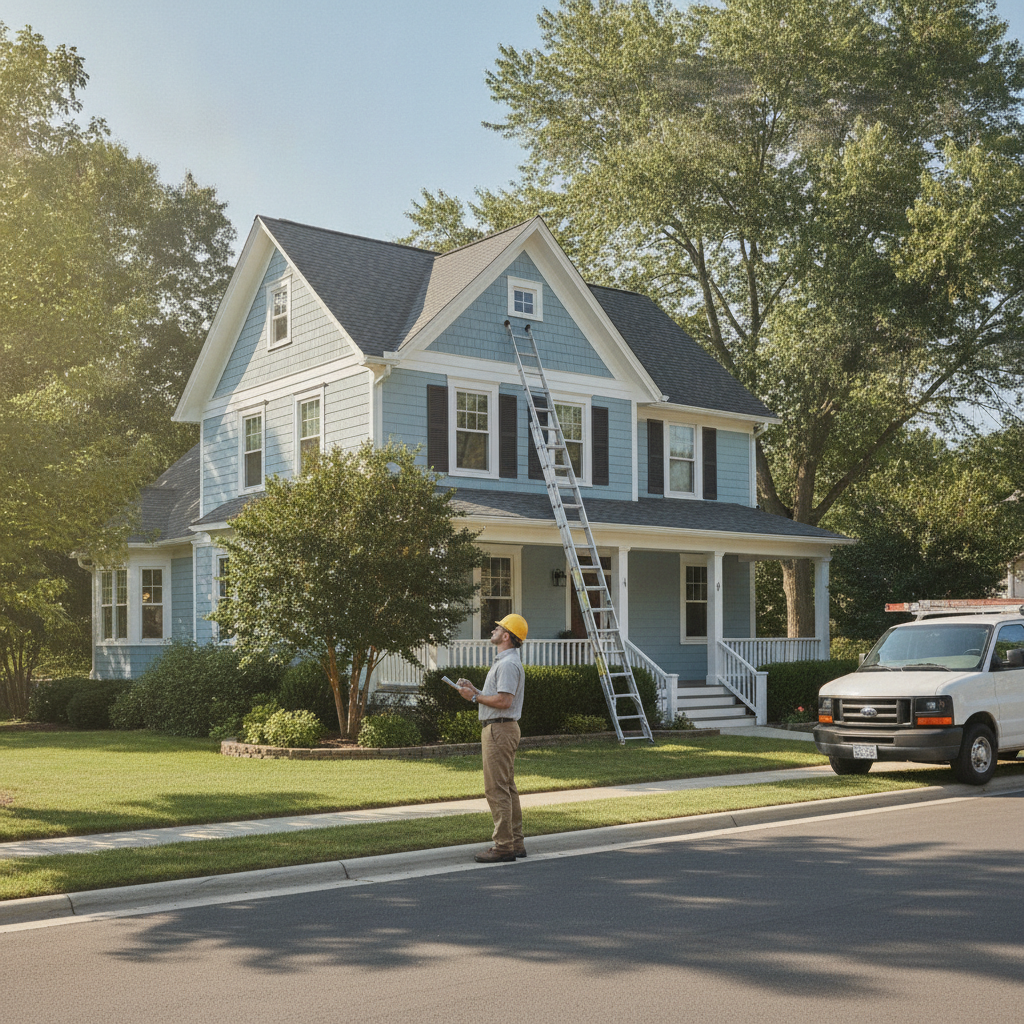
Residential home inspections are a comprehensive, non-invasive evaluation of a home’s major systems and structure. In Suite 2000, buyers and sellers use inspections to verify roof, attic, foundation, plumbing, electrical, and HVAC performance before closing. The goal is simple: reduce surprise repairs, improve safety, and make stronger, faster decisions.
By Amardeep Mamidi — ASM Home & Commercial Inspection
Last updated: 2026-07-06
At a Glance: What You’ll Learn
This guide explains how residential home inspections work, why they matter, and what’s included. You’ll see checklists, timelines, and best practices tailored to Suite 2000. We cover pre-purchase, pre-listing, new construction, move-in, and annual maintenance inspections—plus real examples, tools inspectors use, and steps to act on your report the same day.
Use this as your field manual when coordinating with ASM Home & Commercial Inspection. It focuses on:
- What an inspection includes: roof to foundation, exterior to interior.
- Why timing matters: inspections influence negotiations and timelines.
- How the process flows: booking, on-site review, same-day PDF report.
- Risk reduction: moisture intrusion, electrical safety, structural movement.
- Action plans: repair priorities, maintenance, and follow-up testing.
What Is a Residential Home Inspection?
A residential home inspection is a visual, system-by-system assessment of a property’s condition. Inspectors evaluate safety, function, and lifespan indicators across the roof, attic, structure, plumbing, electrical, HVAC, and more. Findings are summarized in a clear, photo-rich report so buyers and sellers can make informed, risk-aware decisions.
In our experience serving Suite 2000, clarity beats guesswork. A quality inspection:
- Explains defects plainly: what it is, why it matters, and what to do next.
- Documents with photos: zoomed images and context shots reduce ambiguity.
- Separates safety from maintenance: urgent hazards vs. routine upkeep.
- Identifies moisture early: dampness can damage finishes and framing.
- Supports negotiations: objective findings help both sides agree on solutions.
Residential home inspections are non-invasive, meaning we don’t open walls or alter finishes. Instead, we use accessible panels, standard testing procedures, and professional judgment to reveal condition—and to flag where specialists may be appropriate.
Why Home Inspections Matter
Home inspections protect safety, budgets, and timelines. They surface hazards (like faulty wiring), deferred maintenance (like worn shingles), and hidden moisture before closing. The result is leverage: you can negotiate repairs, plan upgrades, or reconsider—without relying on guesswork or seller disclosures alone.
Here’s why it matters in practical terms:
- Safety first: GFCI/AFCI protection, guard/handrail integrity, combustion safety.
- Moisture control: small leaks can lead to mold growth within 48 hours if humidity stays high; early detection prevents bigger damage.
- Systems lifespan: knowing a furnace is near end-of-life helps you plan.
- Negotiation clarity: objective findings keep emotions out of the discussion.
- Time savings: same-day reports help you meet offer/waiver deadlines.
In tight markets, speed matters. ASM delivers same-day PDF reporting so real estate pros and families can decide quickly with facts in hand. When working with clients in Suite 2000, we’ve found that the best outcomes pair rapid reporting with clear next steps (repair, monitor, or re-evaluate).
How the Inspection Process Works
A typical home inspection spans booking, on-site review (2–3 hours for many single-family homes), and a same-day PDF report. Inspectors move exterior-to-interior and roof-to-foundation, testing representative fixtures and components. You’ll receive prioritized findings with photos, plain-English explanations, and recommended next actions.
Expect a structured flow that reduces surprises and keeps you on schedule.
| Phase | What We Check | Typical Tools |
|---|---|---|
| Exterior & Roof | Roof cover, flashings, gutters, downspouts, grading, siding | Ladder, binoculars, camera |
| Attic | Insulation depth, ventilation, moisture staining, structure views | Flashlight, moisture meter |
| Interior | Walls, ceilings, floors, windows/doors, stairs/railings | Level, camera |
| Plumbing | Visible supply/drain lines, fixtures, water heater | Pressure gauge, thermometer |
| Electrical | Service panel, breakers, GFCI/AFCI, representative outlets | Tester, infrared thermometer |
| HVAC | Heating and cooling function, air filters, venting | Thermometer, camera |
| Structure/Basement | Foundation, framing views, cracks, moisture indications | Moisture meter, level |
| Report | Photos, summaries, safety/defect/maintenance priorities | Same-day PDF delivery |
Want a walkthrough? During inspections we invite clients to attend the last 30–45 minutes. You’ll see issues firsthand and leave with a prioritized action plan. For scheduling guidance and scope details, visit ASM Home & Commercial Inspection.
Types of Inspections and Scope
Different inspection types fit different moments: pre-purchase validates condition before you buy; pre-listing prepares a home for market; new construction checks workmanship; move-in documents rental condition; annual maintenance tracks property health. Each examines the same core systems but tailors emphasis to your goals.
Core residential coverage
- Roof and exterior: shingles/roofing, flashings, gutters/downspouts, grading.
- Attic inspection: insulation levels, ventilation, signs of leaks or condensation.
- Structure/foundation: visible cracks, deflection, water entry points.
- Plumbing: fixtures, visible supply and drain materials, water heater.
- Electrical: panel amperage, breakers, bonding/grounding, GFCI/AFCI function.
- HVAC: heating/cooling operation, filter condition, venting and airflow.
- Interior: walls, ceilings, floors, stairs/railings, doors/windows.
- Garage, decks, porches: safety, attachment, and wear.
Inspection types we perform
- Pre-purchase home inspection: Validate condition before you waive contingencies.
- Pre-listing inspection: Fix issues before photos and showings to avoid renegotiations.
- New construction inspection: Quality-check critical systems before move-in.
- Move-in inspection: Document rental condition to reduce disputes later.
- Annual maintenance inspection: Track wear, filter changes, caulking, and minor leaks.
Residential home inspections help you plan. For example, if the water heater is beyond typical lifespan, you can plan a replacement when it’s convenient rather than during an emergency. Likewise, early moisture warnings help you prevent damage to drywall, flooring, and framing.
Best Practices for Buyers and Sellers
Arrive prepared with a short list of concerns, attend the final walk-through, and read the summary before the full report. Prioritize safety items, then major defects, then routine maintenance. Keep receipts for completed repairs, and document everything so future buyers see a clean paper trail.
For buyers
- Book early: Aim for 24–48 hours after offer acceptance to keep momentum.
- Ask question-driven: “What’s urgent? What can wait 6–12 months?”
- Test the lifestyle: Run faucets, lights, and windows during the walk-through.
- Target humidity: Keep indoor relative humidity around 30–50% to manage condensation.
- Safety checklist: GFCI near sinks/garages, smoke/CO alarms, egress windows where required.
For sellers
- Pre-listing tune-up: Replace filters, bulbs, and dead batteries; fix loose handrails.
- Service history: Gather manuals and service records for HVAC and water heater.
- Moisture watch: Check under sinks and around toilets for slow leaks weekly.
- Clear access: Panels, attic hatches, and utility rooms should be accessible.
- Disclose wisely: Provide honest, written notes on known past leaks or repairs.
One more tip: set water heater temperature to about 120°F to reduce scald risk and energy waste. Small, practical changes like this are easy wins that appear positively in inspection notes.
Tools and Resources Inspectors Use
Inspectors rely on simple tools for reliable results: ladders, flashlights, outlet testers, moisture meters, and thermometers. Photo documentation is essential. When needed, specialized tools or trade follow-ups are recommended to confirm findings beyond a standard, visual inspection’s scope.
Here are common tools you’ll see on-site with ASM:
- Moisture meter: Detects elevated moisture in walls, ceilings, and trim.
- Electrical tester: Checks outlet wiring and GFCI/AFCI function.
- Ladder and safety gear: For roof edges, attics, and high exterior points.
- Thermometer/IR spot: Verifies supply/return air temperature changes.
- Camera: Captures overviews and close-ups for the report.
If we flag a concern—say, a past electrical panel recall—we’ll recommend a licensed electrician’s review for safety. For general background on electrical reviews, this electrical inspection overview offers helpful context.
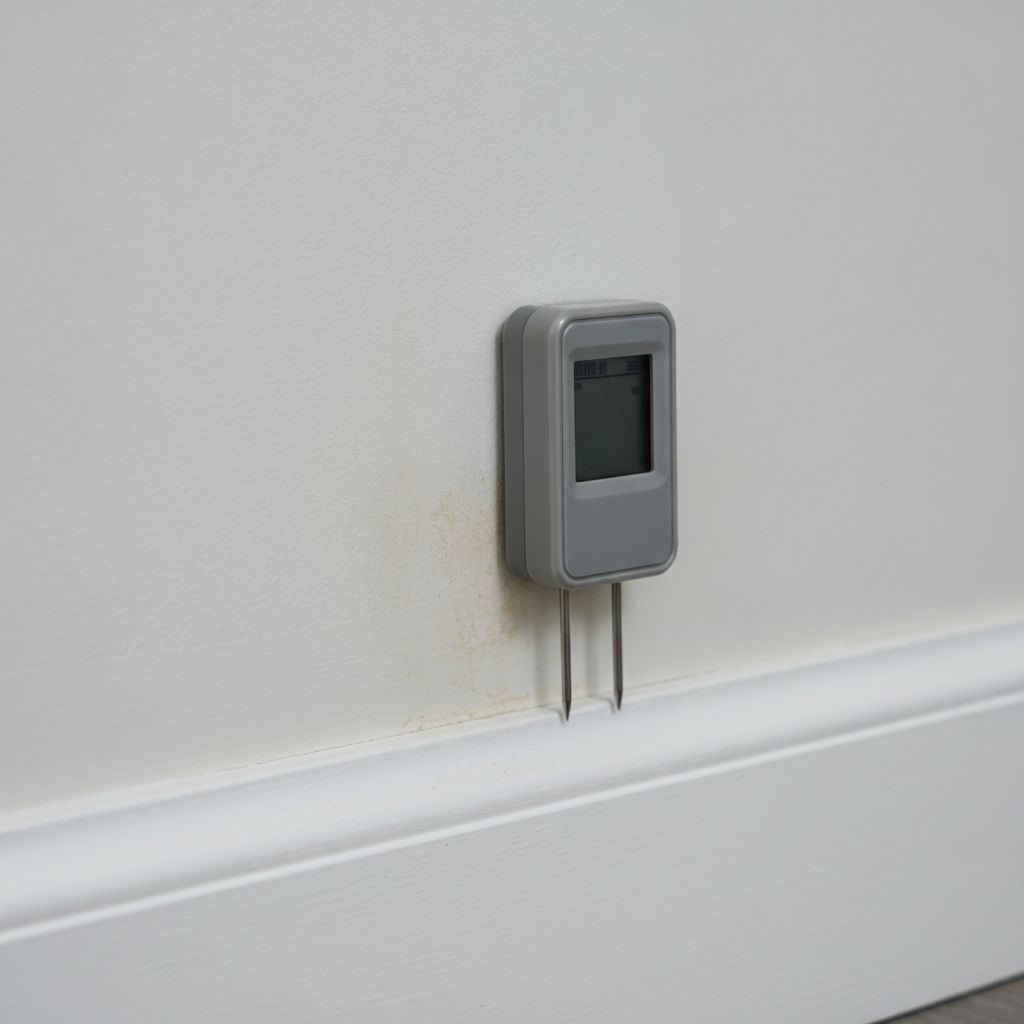
Moisture Intrusion and the Attic
Attic inspection is a top priority because small leaks and poor ventilation can silently damage framing and insulation. Look for staining, inadequate baffles, compressed insulation, and vent terminations. Early fixes—sealing penetrations, improving airflow, and correcting drainage—prevent structural and indoor air quality issues.
Moisture is the silent budget-killer. Practical signs and actions:
- Ceiling stains or peeling paint: Track to roof penetrations, flashings, or vents.
- Frost or condensation in winter: Often inadequate ventilation or air leaks.
- Insulation depth: Consistent coverage (often 12–18 inches for many climates) limits heat loss.
- Bathroom/kitchen vents: Should terminate outdoors, not into the attic.
- Gutter discharge: Extend downspouts to move water away from the foundation.
Our reports separate urgent roof or flashing repairs from lower-risk monitoring items. If you’re preparing to list, addressing visible attic concerns ahead of photos can reduce renegotiation risk by a wide margin.
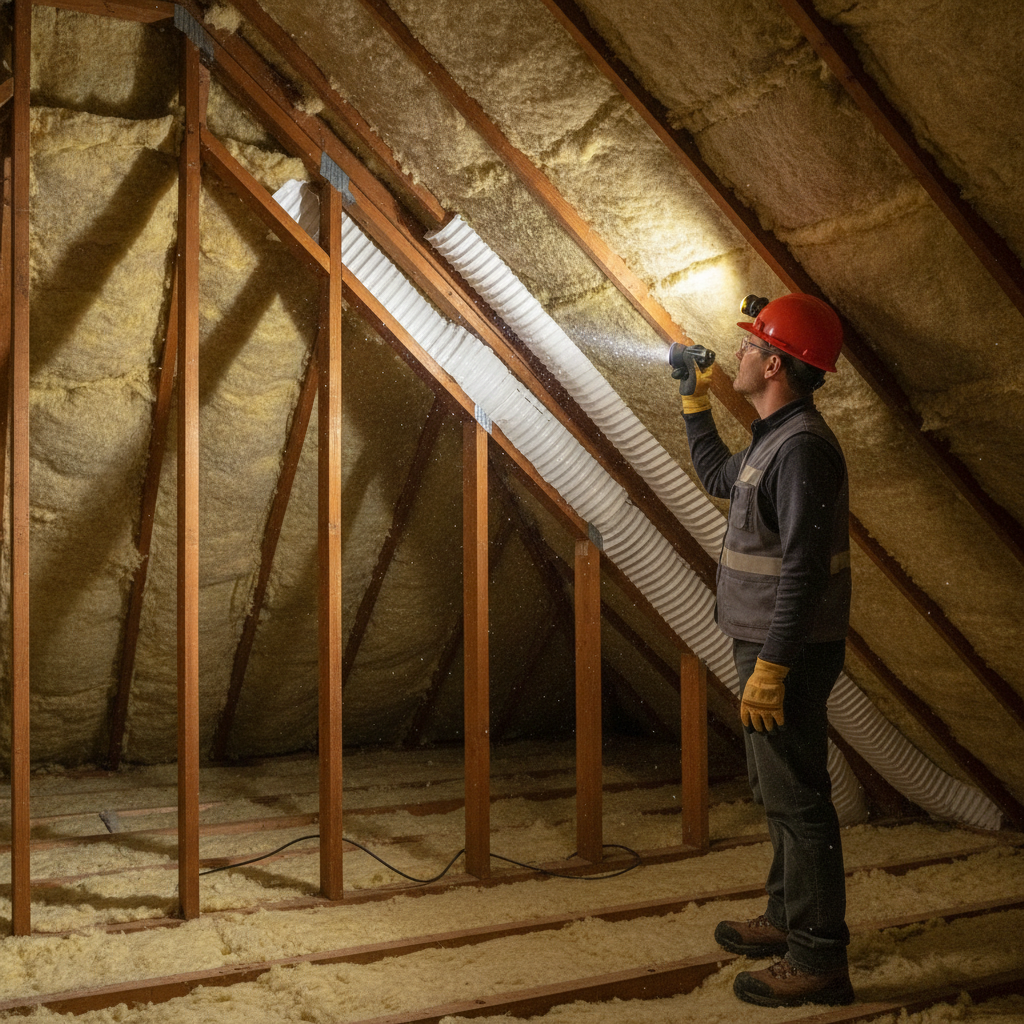
Reading Your Same-Day Report
Start with the summary. Tackle life-safety hazards first (electrical, gas, structure), then major defects that affect function or weather resistance, then routine maintenance. Use the photos as a map and create a three-tier action list: repair now, repair soon, and monitor.
To get the most from a same-day PDF:
- Skim the summary for high-severity items and recommended trade follow-ups.
- Review the photo index so you can physically locate each item later.
- Note model/serial data for HVAC/water heater to estimate ages.
- Build a 30/90/180-day plan that aligns with your budget and season.
- Share with your agent so negotiation strategy aligns with findings.
Need sample formats for buyer/seller planning? Many real estate primers, like this concise home buying guide and a practical seller’s guide, outline the steps that inspections inform.
Case Studies: Real Examples from Suite 2000
Examples make the process real. In Suite 2000, we’ve seen attic ventilation fixes stop seasonal staining, panel upgrades add GFCI/AFCI protection, and downspout extensions eliminate minor basement seepage. Each quick win came from a clear report, a prioritized plan, and timely follow-through by the right trade.
- Attic moisture trail: Staining traced to an un-terminated bath fan. Solution: reroute to exterior cap and add baffles. Result: no new stains through winter.
- Electrical safety gap: Garage outlets lacked GFCI protection. Electrician added devices the same week. Result: improved safety and cleaner re-inspection notes.
- Foundation grading: Negative slope directed stormwater to a window well. After regrading and downspout extensions, seasonal dampness stopped.
These are common, fixable findings. The key is speed and documentation: schedule work, keep receipts, and add photos to your records so the next inspection shows a strong paper trail.
Local considerations for Suite 2000
- Expect humidity swings seasonally. Keep indoor RH near 30–50% and confirm bath/kitchen fans exhaust outdoors to reduce condensation.
- Schedule roof and attic checks after freeze–thaw cycles; flashing and seals can shift as temperatures swing.
- Plan maintenance windows around busy closing seasons. Booking early with ASM Home & Commercial Inspection helps secure preferred dates.
Working with Your Agent and Inspector
Great outcomes happen when your agent, inspector, and trades communicate clearly. Align on goals before the inspection, attend the debrief, and decide who requests credits versus who schedules repairs. Keep everything in writing. Clear roles reduce delays and last-minute surprises.
- Set expectations: Share your top 3 concerns with your inspector in advance.
- Join the recap: Be present for the final 30–45 minutes to see key issues.
- Document requests: Use the report’s item numbers when negotiating repairs.
- Confirm completion: Ask for receipts and photos; re-inspect critical fixes.
- Track warranties: Store manuals and warranty cards in one binder.
We keep the process simple and transparent. For scope questions or to coordinate access, contact our team at ASM Home & Commercial Inspection.
Need an inspection on a tight timeline? We provide same-day PDF reports so you can negotiate with confidence. Request your preferred time with ASM Home & Commercial Inspection and we’ll confirm access, scope, and deliverables in writing.
Checklists to Use Before and After
A short checklist keeps you efficient. Before inspection: clear access, gather records, list concerns. During: attend the debrief, note priorities. After: act on safety items, plan repairs, and save documents. Organized clients move faster and negotiate with less stress.
Before the inspection
- Make attic, panel, and utility areas accessible.
- Collect manuals, service logs, and permits if available.
- Note any known leaks, noises, or intermittent issues.
- Plan to attend the recap window.
During the inspection
- Ask clarifying questions about safety versus maintenance.
- Photograph locations of shutoffs and panels for your records.
- Confirm how to monitor any marginal items.
After the inspection
- Schedule licensed trades for high-priority items.
- Set reminders for seasonal maintenance tasks.
- Store the PDF and receipts in a shared folder.
FAQ: Residential Home Inspections
Most inspections take 2–3 hours, cover roof-to-foundation systems, and produce a same-day PDF. Inspectors don’t open walls or perform code enforcement. Instead, they document safety, function, and maintenance items so you can repair, monitor, or renegotiate with confidence.
How long does a residential home inspection take?
For many single-family homes, plan for about 2–3 hours on-site, plus time for a same-day PDF report. Larger or more complex properties may take longer, especially when access is limited or additional systems require closer evaluation.
What’s not included in a standard inspection?
Standard inspections are visual and non-invasive. We don’t open walls, move heavy furniture, or evaluate cosmetic issues. Specialized testing (like sewer scoping or lab sampling) and repairs are outside scope but can be recommended when findings warrant deeper review.
Should I attend the inspection?
Yes—especially the final 30–45 minutes. Seeing issues firsthand turns abstract notes into concrete next steps. You’ll leave with a prioritized plan and better context for negotiations or repairs.
What if the report lists many items?
It’s normal to have a long list. Focus on life-safety and significant defects first, then plan maintenance. Group items into repair-now, repair-soon, and monitor. Your agent and inspector can help determine which findings to negotiate versus handle after closing.
Key Takeaways and Next Steps
Prioritize safety, moisture control, and clear documentation. Move quickly with a same-day report, then schedule licensed trades. Keep receipts and photos. With a solid plan, you reduce risk, control timelines, and protect your investment—whether you’re buying, selling, or maintaining in Suite 2000.
- Inspections are your safety and negotiation tool.
- Moisture management prevents hidden damage.
- Attic and roof findings often deliver quick wins.
- Photo-rich, same-day PDFs speed decisions.
- Organized records improve future resale outcomes.
Ready to move forward? Book your spot with ASM Home & Commercial Inspection. We’ll align on scope, access, and reporting so you can act with confidence.