
Pre-purchase inspections are comprehensive, system-by-system evaluations performed before you submit or firm up an offer on a property. They reveal safety issues, hidden defects, and maintenance needs so you can negotiate or walk away confidently. Based in Suite 2000, Toronto, ON, Asmhomeinspection delivers InterNACHI and CCPIA–certified assessments with same-day PDF reports for fast decisions.
By Asmhomeinspection • Last updated: 2026-06-07
Above the Fold Overview & Table of Contents
Use this guide to understand what a pre-purchase inspection covers, why it matters in fast-moving GTA markets, and exactly how the process works. You’ll see checklists, red flags, tools we use, and step-by-step actions to protect your offer and timeline.
Buying in a competitive market is stressful. A clear, fast inspection is your best leverage. In this article, you’ll learn:
- What pre-purchase inspections include and exclude
- How we inspect major systems: roof, structure, plumbing, electrical, HVAC, attic, basement
- Moisture intrusion warning signs and what to do next
- Step-by-step process from booking to same-day PDF report
- Best practices to avoid surprises after closing
- What Is a Pre-Purchase Inspection?
- Why Pre-Purchase Inspections Matter
- How Pre-Purchase Inspections Work
- Pre-Purchase Inspections: What We Inspect
- Types, Methods, and Approaches
- Best Practices for Buyers and Agents
- Tools and Resources We Use
- Case Studies and Real Examples
- Frequently Asked Questions
- Conclusion and Next Steps
Quick Summary
A pre-purchase inspection gives you a factual snapshot of a property’s condition before you commit. The report covers safety hazards, defects, and maintenance priorities so you can price, negotiate, or plan repairs with confidence—often within the same day to meet tight offer deadlines.
Here’s the snapshot many buyers want first:
- Purpose: Reveal issues before you buy so you can act strategically.
- Scope: Roof, structure/foundation, plumbing, electrical, HVAC, attic, basement, interiors, exteriors.
- Deliverable: Same-day PDF report with photos, priority levels, and guidance.
- Standards: InterNACHI (residential) and CCPIA (commercial) certified inspector.
- Timing: Typical on-site time ranges a few hours based on size and complexity.
Local considerations for Suite 2000
- Plan inspections around listing rushes common in spring and fall across Toronto and surrounding GTA cities—calendar coordination helps you keep conditions intact.
- Seasonality matters: snowpack, freeze–thaw, and heavy summer rains can reveal or conceal moisture pathways; schedule follow-ups if weather changes expose new clues.
- For multi-property investors, align standardized reports across neighborhoods so decisions remain apples-to-apples when bidding quickly.
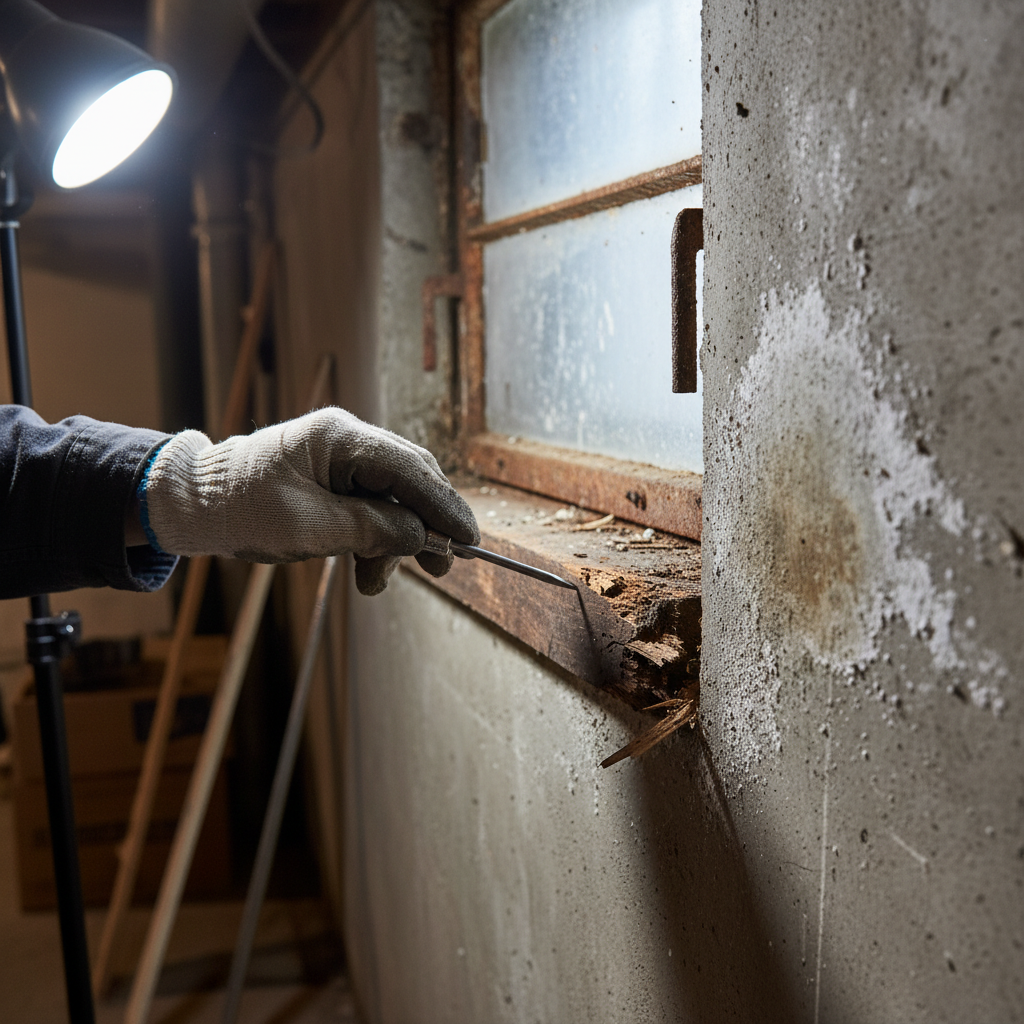
What Is a Pre-Purchase Inspection?
A pre-purchase inspection is a comprehensive, visual evaluation of a property’s accessible systems and components performed before you finalize an offer. The goal is to identify safety issues, defects, and maintenance needs so you can negotiate confidently or avoid costly surprises after closing.
In plain terms, it’s objective due diligence. We evaluate visible and readily accessible areas and note material defects, safety concerns, and maintenance items. The end product is a same-day PDF report with photos, clear priorities, and practical next steps.
- Residential focus: Applies to houses, townhomes, and condos under InterNACHI standards.
- Commercial applicability: For mixed-use, retail, office, hospitality, and more under CCPIA methodology.
- Not a code inspection: We assess condition and safety; we don’t enforce building code.
- Non-invasive: No destructive testing; we rely on visual, accessible, and non-destructive tools.
Why does this matter? Because quick, informed decisions win in competitive markets. Buyers and agents need facts organized fast, with photos and clear risk levels. That’s the value of a structured, certified approach.
Why Pre-Purchase Inspections Matter
They protect your leverage and budget. With a clear list of hazards, defects, and maintenance priorities, you can renegotiate, plan repairs, or pause your offer—without guesswork. Fast, same-day reporting supports tight timelines common in competitive GTA transactions.
We regularly see three outcomes from solid inspections:
- Renegotiate or repair: Sellers may address high-priority items or adjust terms.
- Proceed with clarity: You plan repairs post-close, prioritizing safety first.
- Walk away: You avoid inheriting hidden risks you can’t accept.
Moisture intrusion is a prime example. Stains, musty odors, or elevated meter readings can signal hidden damage. Early identification helps you avoid structural decay or indoor air quality concerns. Legal and transaction pros emphasize due diligence checklists to reduce risk; guidance from Vikram Law highlights how organized evidence shapes negotiations.
How Pre-Purchase Inspections Work
Book, inspect, report. We schedule quickly, complete a thorough on-site evaluation, and deliver a same-day PDF with photos and clear priorities. That document equips you and your agent to negotiate, plan repairs, or reconsider your offer—all within your condition timeline.
- Booking: Call or email to share address, property type, and timing needs.
- Pre-brief: We ask about known issues, additions, or recent renovations.
- On-site inspection: System-by-system visual review with photos and meters.
- De-brief: Verbal walkthrough of key findings before we leave.
- Same-day PDF: You receive a standardized report with priorities, photos, and suggested next steps.
Speed is vital. Many offers hinge on a 24–72 hour window. Our process, templates, and certification-driven checklists keep you on schedule without sacrificing depth or clarity.
Pre-Purchase Inspections: What We Inspect
We evaluate the systems that drive safety, structure, and livability: roof and drainage, exterior cladding, structure and foundation, interior spaces, attic and ventilation, plumbing, electrical, and HVAC. Each area includes visible defects, safety hazards, and maintenance recommendations.
Here’s a structured view of typical scope for houses, townhomes, and many small commercial assets:
Exterior and Roof
- Roof covering: Age clues, missing shingles, soft spots, flashing at penetrations.
- Gutters/downspouts: Securement, slope, discharge aimed away from foundation.
- Grading: Soil should slope away from structure; standing water is a red flag.
- Cladding and trim: Cracks, gaps, peeling paint, or exposed sheathing.
- Decks/porches: Ledger attachment, railings, stairs, and surface condition.
Structure and Foundation
- Foundation walls: Cracks, bowing, efflorescence, or seepage patterns.
- Framing: Visible joists, beams, posts, notching/boring quality.
- Movement indicators: Sticky doors, sloped floors, drywall cracks near openings.
Attic and Ventilation
- Insulation continuity: Even coverage, no large voids or compressed areas.
- Ventilation: Soffit, ridge, or gable vents; look for frost lines or condensation stains.
- Roof sheathing: Dark staining or delamination suggests past moisture.
Basement and Crawl Space
- Moisture paths: Efflorescence, damp corners, rusted posts, or musty odor.
- Sill plates and rim joists: Probe for soft wood or visible fungal growth.
- Drainage systems: Sump pump presence, discharge path, check valve orientation.
Plumbing
- Supply piping: Material identification and signs of corrosion or leaks.
- Fixtures: Functional flow tests at sinks, tubs, and showers.
- Water heater: Age estimation, venting, temperature-pressure relief valve present.
- Drainage: Slow drains or gurgling sounds can indicate venting issues.
Electrical
- Service equipment: Panel labeling quality, missing knockouts, aluminum branch wiring indicators.
- Receptacles: Test GFCI/AFCI devices where present.
- Fixtures and switches: Loose boxes, damaged covers, or signs of overheating.
HVAC
- Furnace/air handler: Combustion air, burner observation where safe, filter condition.
- Air conditioning: Condenser coils, line set insulation, condensate management.
- Distribution: Duct insulation and air flow patterns in representative rooms.
Condos and commercial suites adapt this list to common elements, tenant improvements, and maintenance responsibilities. Your report clarifies what falls under owner vs. association or landlord scope.
Types, Methods, and Approaches
Choose the approach that matches your property and timeline. Standard pre-purchase inspections suit most homes, while commercial due diligence, multi-building portfolios, and new construction need tailored scopes, sequencing, and documentation.
- Standard residential inspection: For detached homes, semis, townhomes, and condos.
- Commercial property inspection: Offices, retail, hospitality, light industrial, and more, guided by CCPIA methodology.
- New construction inspection: Evaluate workmanship, safety, and fit/finish before closing.
- Portfolio walk-throughs: Rapid, repeatable snapshots across multiple addresses for investors.
- Special-focus add-ons: Moisture mapping, thermal scanning, or targeted component reviews.
Documentation is the constant. For residential buyers, InterNACHI-style structure keeps reports digestible. For commercial due diligence, CCPIA-driven sequencing and scope notes ensure stakeholders share the same facts quickly.
Best Practices for Buyers and Agents
Protect your offer by preparing access, prioritizing safety items, and aligning your condition timeline with reporting. Bring questions, stay for the de-brief, and use standardized recommendations to guide negotiations without emotion.
Before the inspection
- Confirm access to attic hatches, electrical panels, mechanical rooms, and exterior gates.
- Share disclosures, receipts, and renovation history to target known pain points.
- Block calendar time for a same-day strategy call once the PDF arrives.
During the inspection
- Walk with us for key moments—roof edges, basements, and mechanical rooms tell stories.
- Ask about maintenance cadence: filters, sealing, grading, and seasonal checks.
- Note anything you see, hear, or smell that we should investigate more closely.
After the inspection
- Focus first on safety and active water issues before cosmetics.
- Use photos and priority levels to request repairs or concessions.
- Schedule re-inspection for repaired items if timelines allow.
Legal resources often stress organized documentation during offers. See practical due diligence framing from Vikram Law’s guidance to keep your negotiations centered on facts.
Tools and Resources We Use
We combine trained eyes with the right tools. Moisture meters, thermal imaging, outlet testers, and ladders help confirm and document findings. The result is a clear, repeatable process and a same-day PDF that’s easy to act on.
- Moisture meter: Helps confirm damp areas at basements, bathrooms, or around plumbing.
- Thermal camera: Visualizes temperature differences that may point to moisture or insulation gaps.
- Electrical testers: Screen outlets and GFCI/AFCI devices where present.
- Ladders and binoculars: Assess roof edges, flashing, and gutters safely where accessible.
- Camera and flashlight: Photo evidence and better visibility in tight spaces.
Tools don’t replace experience—they support it. Our InterNACHI and CCPIA credentials reinforce consistent methods, terminology, and documentation across residential and commercial assets.
Step-by-Step: From Booking to Same-Day PDF
Schedule, inspect, de-brief, report. Within hours of leaving the site, you’ll receive a formatted PDF with photos and priorities, ready to share with your agent or legal advisor. It’s built to fit tight condition windows without sacrificing depth.
- Inquiry: Share basics: location, property type, bed/bath count, parking, and timeline.
- Confirmation: We align on scope—residential, commercial, or new construction.
- On-site work: System-by-system visuals with photos and meter readings where relevant.
- De-brief: A practical summary: safety first, then major defects, then maintenance.
- Delivery: Same-day PDF report with photos and prioritized recommendations.
- Next steps: Optional re-inspection or contractor referrals as you proceed.
What’s In vs. Out of Scope
| Included (visual) | Outside scope |
|---|---|
| Roof coverings, flashing, gutters, downspouts | Destructive testing, opening walls or ceilings |
| Structure, foundation, interior/exterior surfaces | Engineering calculations or permit/code approvals |
| Plumbing, electrical, HVAC (accessible portions) | Specialty environmental lab testing |
| Attic, insulation, ventilation where accessible | Common elements owned by others unless scope allows |
Moisture Intrusion: Early Clues and Fast Actions
Water is the most common trigger behind structural decay and indoor air concerns. Small stains, musty odors, and elevated moisture readings often precede bigger problems. Find the pathway, correct grading or drainage, and document repairs before conditions lapse.
- Clues: Efflorescence, rusted base plates, flaking paint, discolored drywall.
- Common pathways: Negative grading, clogged gutters, failed flashing, and plumbing leaks.
- Immediate actions: Improve drainage, extend downspouts, seal obvious gaps, and monitor.
- Documentation: Keep photos and receipts; they strengthen negotiations and warranties.
Pre-purchase inspections prioritize active moisture risks because they affect safety, structure, and health. Our reports flag severity and urgency levels so you can act in the right order.
Commercial vs. Residential: How Due Diligence Differs
The fundamentals are similar, but documentation, occupancy, and mechanical complexity vary. Commercial assets need CCPIA-informed scopes, stakeholder coordination, and attention to life-safety systems, roofs, and mechanical equipment serving larger areas.
- Occupancy: Foot traffic, open hours, and tenant responsibilities change risk priorities.
- Systems: Larger rooftop units, flat roofs, grease management in restaurants.
- Coordination: Access windows, escalation paths, and vendor contacts matter.
For both, the deliverable is clarity. Our standardized summaries let owners, managers, and investors act decisively.
DIY Checks vs. Professional Inspection
DIY walk-throughs can spot obvious issues, but a certified inspection documents defects methodically and defensibly. Use DIY for screening. Use certified, photo-rich reporting when money and risk are on the line.
| DIY quick check | Certified inspection |
|---|---|
| Look for stains, smells, noise, drafts | System-by-system review with photos and meters |
| Test lights, faucets, windows briefly | Structured testing and documentation of accessible components |
| Note obvious cracks or soft spots | Prioritized safety/defect/maintenance findings for negotiation |
Want examples of what detailed documentation looks like? Explore our service overview at Asmhomeinspection and ask about our sample reports.
Working with Your Agent and Legal Team
Share the report immediately and align on a negotiation plan that focuses on safety and structural concerns first. Organized evidence—photos, serials, and receipts—anchors productive conversations and reduces emotion during offers.
- Send the PDF and photo highlights to your agent the same day.
- Prioritize hazards and active water first; leave cosmetics for later.
- When appropriate, request licensed trade evaluations for complex systems.
Offer windows are short. Practical legal checklists like those shared by Vikram Law help you structure asks and contingencies around the facts of your report.
Case Studies and Real Examples
Real inspections show why timing and documentation matter. Below are anonymized examples illustrating how findings influenced offers, repairs, or walk-away decisions across GTA properties.
Detached home with attic ventilation gaps
- Finding: Inconsistent soffit ventilation and dark staining on roof sheathing.
- Action: Recommend adding baffles and improving exhaust terminations.
- Outcome: Buyer negotiated targeted roof and insulation work before closing.
Townhome with basement seepage
- Finding: Efflorescence lines and damp sill plates at rear corner.
- Action: Extend downspouts, improve grading, and monitor with moisture meter.
- Outcome: Seller credited repairs; buyer proceeded with a maintenance plan.
Small retail suite with aging HVAC
- Finding: Rooftop unit near end-of-life with inconsistent distribution.
- Action: Request licensed HVAC evaluation and maintenance records.
- Outcome: Tenant and owner agreed on a service plan prior to occupancy.
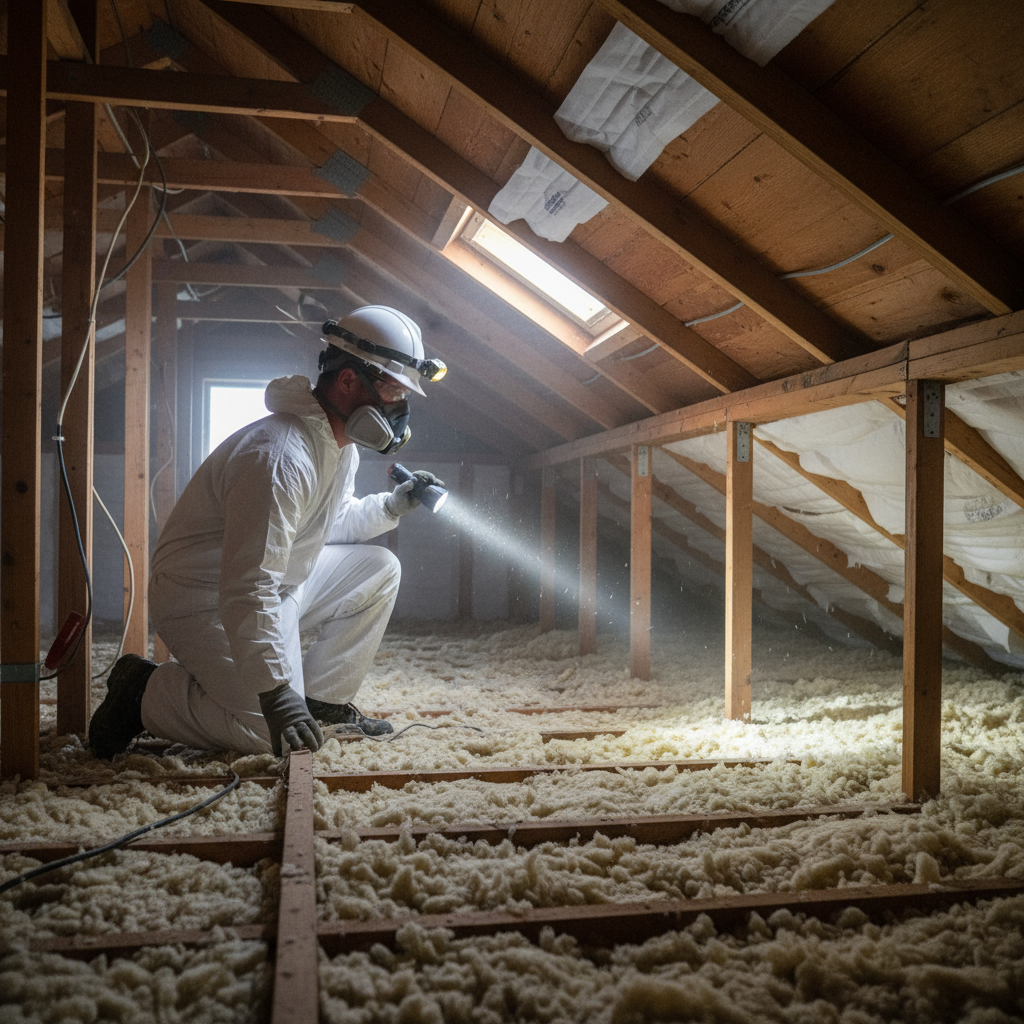
Need a fast, certified inspection?
We deliver same-day PDF reports aligned to InterNACHI and CCPIA methods. If you’re weighing multiple offers or tight timelines, schedule now to protect your leverage and peace of mind.
We serve homebuyers, sellers, investors, agents, and commercial owners across the GTA. Have a question about a specific property type or timeline? Reach out and we’ll align scope and scheduling.
Frequently Asked Questions
These concise answers cover timing, presence, scope, and outcomes so you know exactly how to prepare and what to expect from your pre-purchase inspection.
How long does a typical pre-purchase inspection take?
Most homes require a few hours on-site, depending on size, age, and complexity. We provide a verbal de-brief before leaving and deliver a same-day PDF with photos and prioritized recommendations to keep your offer timeline intact.
Should I attend the inspection?
Yes, if possible. You’ll see key findings in real time and can ask targeted questions. If you can’t attend, we’ll still provide a thorough photo-rich report and schedule a phone review to cover safety, defects, and maintenance priorities.
Is this the same as a code or appraisal inspection?
No. A pre-purchase inspection is a visual evaluation of accessible systems to identify material defects, safety issues, and maintenance needs. It’s not a code enforcement, permit approval, or property valuation service, and it doesn’t include destructive testing.
Do you inspect condos and commercial spaces?
Yes. We adapt scope for condos, townhomes, and commercial suites. Our inspector is certified through InterNACHI for residential work and CCPIA for commercial properties, so terminology and reporting are consistent across asset types.
What if the seller fixes items after the report?
Request documentation and consider a targeted re-inspection if timelines allow. Keep the focus on safety and active moisture issues first. Photo evidence and receipts help you verify work and maintain leverage through closing.
Conclusion and Next Steps
A certified pre-purchase inspection turns uncertainty into a plan. With prioritized findings and a same-day PDF, you can negotiate smartly, plan repairs, or step back. In fast GTA markets, clarity and speed make all the difference.
- Book early to secure your preferred inspection window.
- Attend the de-brief to understand urgency, safety, and moisture priorities.
- Share the PDF immediately with your agent or legal advisor to align next actions.
When you need residential home inspection depth or commercial property inspection structure, we’re ready to help. Explore our services and sample outputs at Asmhomeinspection, then schedule your pre-purchase inspection to protect your next move.
Extra resource note
Organized due diligence turns a good report into a great negotiation tool. Review practical checklists and frameworks to keep your decisions grounded in clear evidence and timelines.
For offer planning context, see this practical real estate checklist shared by Vikram Law, and broader due diligence framing from their risk-avoidance overview. Use these to structure communications with your agent and the seller for better outcomes.
Key Takeaways
A fast, certified inspection gives you leverage. Prioritize safety and moisture, document clearly, and align timing with your offer window. The right report turns uncertainty into confident next steps.
- Pre-purchase inspections are visual, non-invasive, and standardized.
- Same-day PDF reporting supports tight offer timelines.
- Focus first on safety and active water issues.
- Use photos, priorities, and receipts to anchor negotiations.
- Coordinate with your agent and legal advisor from day one.