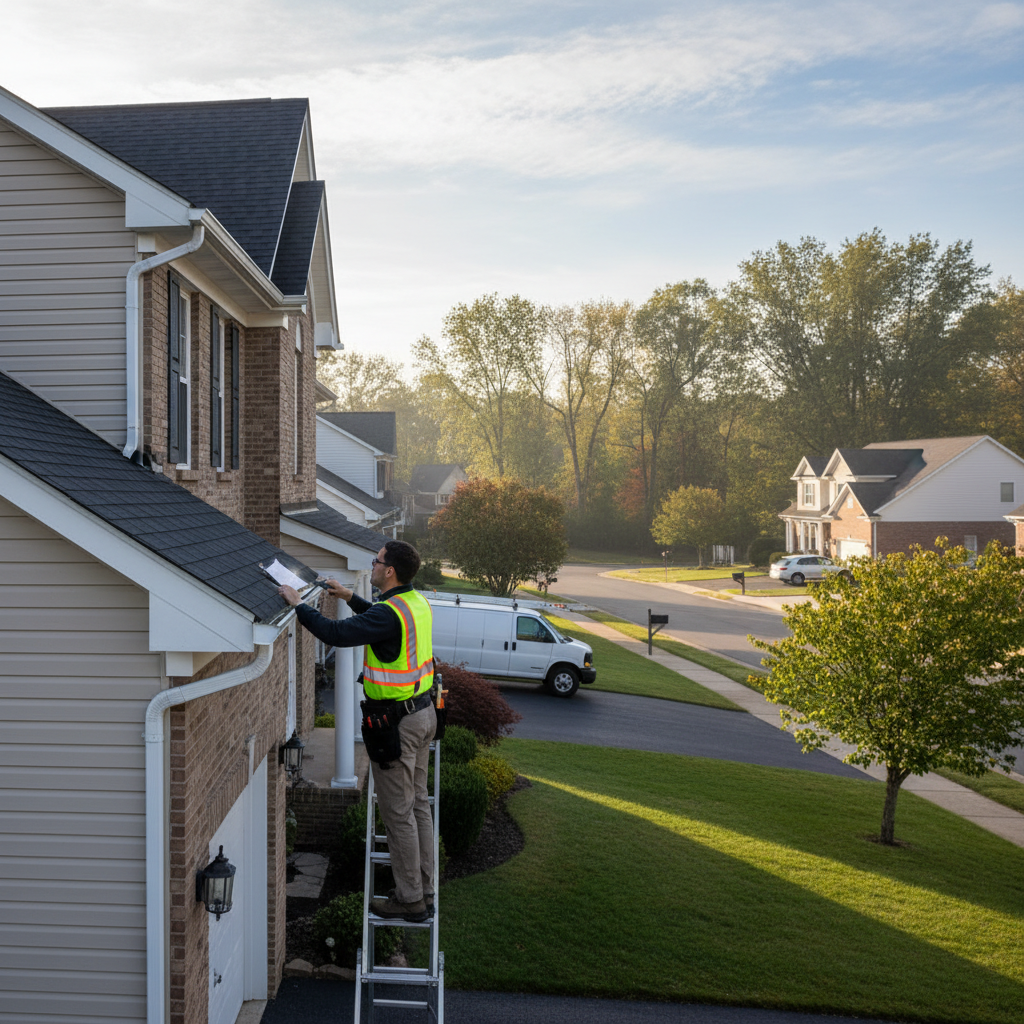
Pre purchase inspection price refers to the value factors behind a professional home inspection before you buy. In Suite 2000, Toronto, ASM Home & Commercial Inspection scopes quotes around property size, age, type, access, and timing so you can plan the transaction, compare options, and negotiate with confidence.
By Asmhomeinspection • Last updated: 2026-05-20
At a Glance
A pre-purchase home inspection is a visual evaluation of major systems—roof, structure, plumbing, electrical, HVAC, and more—performed before closing. Your “pre purchase inspection price” reflects scope and risk, not a flat commodity. Certification, same-day PDF reporting, and photo-rich documentation drive real value and influence negotiations.
- Scope covers core systems and safety items; findings are documented with photos and clear recommendations.
- Price drivers: size, age, property type, access/utilities, add-ons, and rush scheduling.
- Why it matters: reduces risk, strengthens offers, and sets a maintenance plan for the first year.
- Local context: inspection methods adapt to GTA building styles, climate, and condo/common-element nuances.
What is a pre-purchase home inspection?
A pre-purchase home inspection is a non-invasive, visual assessment of a property’s structure and systems completed before you finalize the deal. Inspectors document material defects, safety concerns, and maintenance needs so buyers can make confident, time-bound decisions supported by photos and clear action steps.
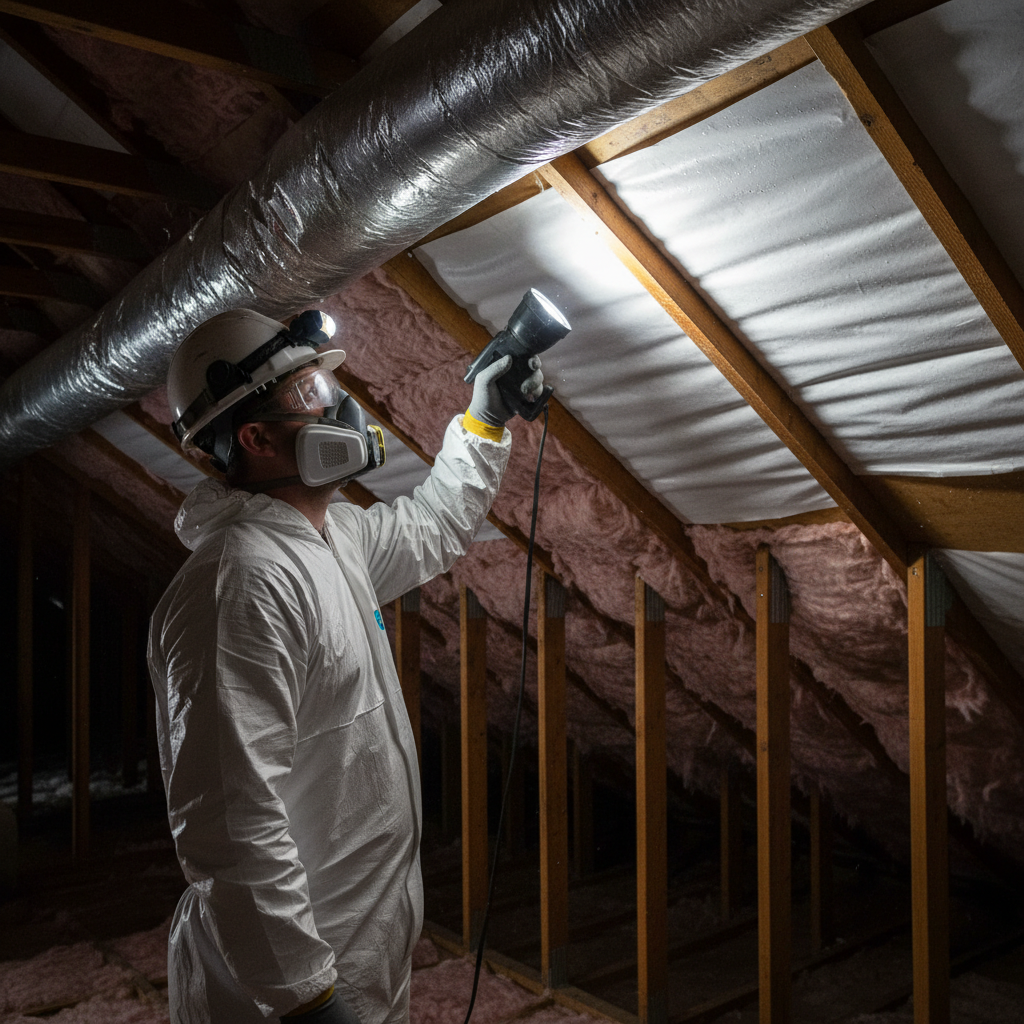
For GTA buyers and investors, ASM evaluates the roof and exterior, structure and foundation, plumbing, electrical, HVAC, attic/insulation/ventilation, interior finishes, doors/windows, decks, garages, and site drainage. While we don’t open walls, we operate accessible fixtures and devices, test representative outlets, and document visible defects with images and plain-English summaries.
- Deliverables: same-day PDF home inspection report with annotated photos, defect categories, and prioritized next steps.
- Typical pace: most residential inspections take about 2–3 hours on site, followed by same-day report delivery.
- Use cases: confirm move-in readiness, support repair/credit requests, or—if risk is high—justify walking away.
- Buyer experience: attend the walkthrough to see 3–5 priority items in person and ask focused questions.
Local considerations for Suite 2000
- Freeze–thaw cycles common to the Toronto area can stress masonry and roofing. Ask us to review flashing, grading, and sealants closely.
- Peak spring/summer demand compresses timelines. Book early to secure a preferred window and avoid rush constraints.
- Condos rely on shared systems. Pair in‑unit findings with the corporation’s maintenance records for fuller context.
Why “pre purchase inspection price” matters
The phrase “pre purchase inspection price” is really about risk management. You’re investing to uncover safety hazards, major defects, and hidden moisture—issues that can reshape your offer and first‑year plans. A photo‑rich, same‑day report often identifies multiple negotiable items that outweigh modest fee differences.
In our experience supporting buyers, sellers, and agents across the GTA, thorough inspections frequently surface actionable findings across 5–10 categories: electrical safety devices, roof wear patterns, gutter/grade drainage, plumbing fixture performance, attic ventilation, and more. When documented with clear photos and plain language, these insights accelerate decision-making and improve negotiation success.
- Risk reduction: early moisture detection protects structure and indoor air quality over time.
- Negotiation leverage: objective documentation supports targeted credits or seller repairs.
- Maintenance roadmap: “repair now” vs. “monitor” guidance keeps small issues from compounding.
- Speed: same‑day reporting supports firm conditions without cutting corners on diligence.
How pre‑purchase inspection pricing works (without numbers)
Quotes reflect time, complexity, and liability. Larger, older, or more complex properties take longer to evaluate and document. Optional add‑ons (like thermal imaging or sewer scoping) extend scope. Rush scheduling and limited access can affect availability because they compress logistics and reporting time.
Think in inputs, not a single sticker. Condos typically require less exterior scope than detached homes. Century homes demand deeper probing and more photos than newer builds. New construction brings a different emphasis—workmanship quality and code conformance—so the testing sequence adapts to those risks.
- Property size/layout: more square footage and stories increase testing and documentation time.
- Age/condition: older homes, visible wear, and prior DIY work merit closer inspection.
- Type: condo vs. townhouse vs. detached vs. multi‑unit dictates access and common‑element considerations.
- Add‑ons: thermal imaging, targeted moisture/mold sampling, sewer scoping, radon testing (as regionally relevant).
- Access/utilities: powered, unlocked homes speed the process; shut‑offs or restricted areas slow it.
- Rush timing: same‑/next‑day windows compress logistics and may influence scheduling efficiency.
| Factor | Typical Impact | How to Control It |
|---|---|---|
| Size & Stories | Moderate to High | Share square footage and floor count upfront |
| Home Age | Moderate | Provide upgrade/permit history to focus scope |
| Property Type | Low to High | Clarify condo vs. freehold; note common elements |
| Add‑Ons | Low to High | Bundle priority tests; skip low‑value extras |
| Access/Utilities | Low to Moderate | Ensure power/water/gas on; unlock all spaces |
| Rush Timing | Low to Moderate | Book early; keep dates flexible |
Inspection types, methods, and add‑ons
Pre‑purchase is one format. Other options—pre‑listing, new construction, annual maintenance, and commercial—follow similar standards with different emphasis. Add‑ons like thermal imaging, moisture mapping, and sewer scoping target hidden risks that visual inspections may flag but can’t confirm alone.
ASM’s scope aligns to your property and goals. For houses, we evaluate roof, exterior cladding, grading/drainage, structure, basement moisture, plumbing, electrical service/panels/outlets, furnace/AC, attic insulation and ventilation, interiors, doors/windows, decks, and garages. For condos, we focus on in‑unit systems and note concerns to raise with management. Commercial scopes adapt to use—retail, office, warehouse, hospitality—and emphasize life safety and mechanical systems.
- Pre‑listing: fix issues proactively to preserve deal value and reduce renegotiations.
- New construction: workmanship checks before occupancy; useful at pre‑delivery and 1‑year warranty milestones.
- Annual maintenance: catch aging components; many owners schedule inspections every 12 months.
- Commercial property: prioritize roofing, mechanicals, egress, emergency lighting, and occupancy‑specific risks.
- Add‑ons: deploy thermal imaging for concealed leaks; recommend sewer scoping on older homes or treed lots; consider targeted moisture/mold sampling when red flags appear.
Best practices to maximize value (and manage price)
You create value by preparing the property, attending the walkthrough, and asking focused questions. Share disclosures and concerns ahead of time, ensure utilities are on, clear pathways to mechanicals, and use the report both as a negotiation tool and a first‑year maintenance plan.
- Before the visit: confirm date/time; ensure locks, panels, attic hatches, and crawlspaces are accessible; gather disclosures and recent work orders.
- During the inspection: attend the end‑of‑inspection walkthrough; prioritize 3–5 items to verify in person.
- After the report: ask clarifying questions the same day while details are fresh; convert flagged items into requests via your agent.
- Add‑on strategy: choose tests aligned to red flags (musty odors, water stains, slow drains, older age).
- Timeline control: aim to inspect within 24–72 hours of offer acceptance to preserve options.
For a broader due diligence lens you can adapt to your transaction checklists, review this concise legal real estate due diligence checklist. It helps you align inspection findings with financing, title, and timeline considerations.
Tools, standards, and resources
Quality inspections follow recognized standards, use calibrated tools, and deliver structured, photo‑rich reports. Credentials like InterNACHI (residential) and CCPIA (commercial) underscore training and accountability. Moisture guidance and due diligence checklists help owners interpret risk and plan next steps.
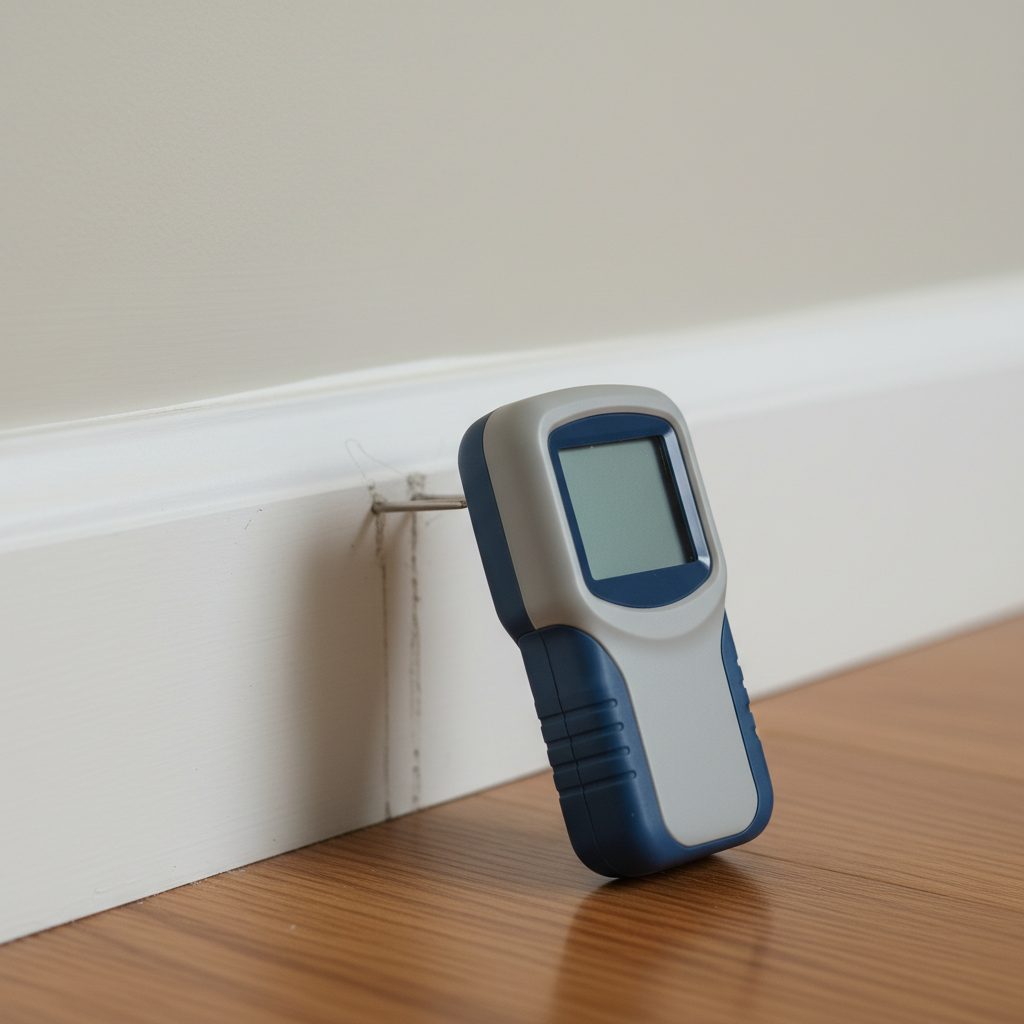
Our toolset includes ladders, thermal cameras, moisture meters, outlet/GFCI testers, gas sniffers, and drones where safe access is limited. We organize reports by system with photos, severity, and action steps so you can triage quickly and act with confidence.
- Standards of practice promote consistent, defensible scope for what’s included and excluded.
- Moisture and indoor air quality concerns warrant targeted testing and follow‑up when red flags appear.
- For buyers aligning multiple tasks, see this brief primer on purchase due diligence and this companion note on pre‑signing checkpoints.
Pre‑purchase inspection price: factors that drive value
There isn’t one number that fits every home. Your quote reflects property characteristics, scope choices, and scheduling. Focus on value signals—certification, photo‑rich same‑day reporting, and clear recommendations—because they influence outcomes more than minor fee differences across providers.
- Credentials: InterNACHI and CCPIA training supports consistent, objective findings across property types.
- Deliverables: same‑day PDF, annotated photos, and prioritized actions create leverage.
- Scope: match add‑ons to specific risks; skip tests that don’t fit your scenario.
- Scheduling: flexible dates optimize availability; compressed windows may constrain options.
Self‑contained guidance: If you’re comparing quotes, share square footage, age, property type, known issues, occupancy status, and any firm deadlines. That context keeps proposals apples‑to‑apples and ensures your “pre purchase inspection price” aligns with reality.
Mid‑article CTA: Want a sample report or a quick scoping call? Visit ASM Home & Commercial Inspection to book an appointment or request examples of our same‑day PDF deliverables.
Case studies: GTA scenarios that shaped the quote
Scope changes with property type and risk. A compact condo may need limited exterior review, while a two‑story detached home or legal duplex demands deeper probing. Commercial bays emphasize life safety, roofing, and mechanical complexity—each affecting time and documentation depth.
First‑time buyer: 1‑bedroom condo
- Scope centers on in‑unit plumbing, electrical devices, HVAC, windows/doors, appliances, and visible moisture.
- Exterior and roof are corporation‑maintained; we note common‑element concerns to raise with management.
- Walkthrough highlights 3–4 items; same‑day PDF summarizes with clear “repair vs. monitor” guidance.
Action: Pair in‑unit findings with corporation maintenance history and reserve study to plan first‑year costs and questions for management.
Move‑up buyer: 2‑story detached
- We evaluate roof wear, exterior cladding, grading/drainage, decks/rails, structure, basement moisture, plumbing fixtures, electrical panels/branch circuits, furnace/AC function, attic insulation/ventilation, and interior finishes.
- Time on site increases; photo count and annotations increase accordingly to document patterns and priorities.
- Optional thermal scan confirms suspicious moisture in a bathroom behind tile and around a window.
Action: Convert life‑safety and active‑leak items into repair credits or seller‑performed fixes; plan seasonal maintenance for gutters, grading, and HVAC filters.
Investor: legal duplex
- Two kitchens, two electrical panels, and duplicated plumbing add complexity and test points.
- We verify GFCI/AFCI protection, smoke/CO devices, and egress/fire separation in addition to the usual scope.
- Sewer scoping advised due to age and tree proximity; access coordination keeps schedule efficient.
Action: Use the report to prioritize safety compliance and preventive plumbing work; confirm local occupancy and fire/life‑safety requirements as part of due diligence.
Commercial client: small retail bay
- Focus areas: roof membrane, RTU HVAC, electrical service capacity, emergency lighting/signage, exit routes, and accessibility features.
- We coordinate roof access and service records; findings support lease negotiations and fit‑out planning.
- Photo documentation highlights maintenance items vs. landlord responsibilities under typical leases.
Action: Use prioritized items to inform tenant‑improvement planning and ask for landlord maintenance proofs where applicable.
Frequently Asked Questions
Most buyers ask about timing, scope, attendance, and report depth. Plan for a few hours on site, attend the walkthrough if you can, and expect a same‑day PDF with photos, severity levels, and next steps you can convert into negotiation requests.
How long does a pre‑purchase inspection take?
Most residential inspections take about 2–3 hours on site, depending on size, age, and complexity. Condos are usually quicker than detached homes. After the walkthrough, your same‑day PDF report summarizes findings with annotated photos and prioritized actions.
Do I need to be present for the inspection?
You don’t have to attend, but we recommend joining the summary walkthrough near the end. It’s the best time to see top issues in person and ask targeted questions. Your agent can attend if you’re unavailable.
What’s included in a standard home inspection?
A standard inspection is a visual assessment of roof, exterior, structure/foundation, interior, plumbing, electrical, HVAC, attic/insulation/ventilation, and site drainage. Inspectors test representative outlets and fixtures, note material defects, and provide clear recommendations with photos.
Can you check for mold or sewer issues?
Yes. We can perform targeted moisture and mold evaluations and coordinate sewer line scoping where appropriate. We recommend add‑ons when red flags appear—musty odors, water stains, slow drains, or older plumbing.
Are you certified?
Yes. We hold residential certification through InterNACHI and commercial certification through CCPIA. Training, standards of practice, and ongoing education help ensure consistent, defensible findings.
Key Takeaways
Treat your “pre purchase inspection price” as a function of scope and risk. Credentials, same‑day reporting, and targeted add‑ons provide leverage that often matters more than small fee differences. Prepare the home, attend the walkthrough, and turn the report into action.
- Quotes vary with size, age, type, access, add‑ons, and scheduling.
- Match add‑ons to red flags like moisture, sewer concerns, and thermal anomalies.
- InterNACHI/CCPIA credentials and photo‑rich, same‑day PDFs deliver real value.
- Use findings to negotiate and to plan first‑year maintenance.
Conclusion and next steps
A pre‑purchase inspection delivers clarity when time is tight. Share property details to get a precise scope, attend the walkthrough, and use the same‑day report to negotiate smartly. For GTA buyers and investors, ASM is ready to support fast, confident decisions.
Ready to proceed? Book your inspection or request a sample report at ASM Home & Commercial Inspection. We serve homebuyers, sellers, investors, and commercial clients across the GTA with certified expertise and broad, system‑by‑system evaluations.