
Pre-purchase home inspections are a professional, visual evaluation of a property’s major systems before you buy. They reveal safety issues and hidden defects so you can negotiate, plan repairs, or walk away with confidence. In Suite 2000, ASM Home & Commercial Inspection provides certified expertise and same-day PDF reports to keep decisions timely and clear.
By Asmhomeinspection • Last updated: June 28, 2026
Above-the-fold overview and table of contents
This complete guide explains buyer inspections from definition to delivery. You’ll learn what’s covered, why it matters in competitive markets, how the process works, and how to act on your report. Use the quick table of contents below to jump to what you need now.
Buyer timelines are tight, and surprises get expensive fast. Our goal here is practical clarity: what inspectors actually do, which tools they use, how reports are structured, and how to use findings to make confident decisions. Skim the topics below, then dive deeper where it counts.
- What is a pre-purchase inspection?
- Why it matters in a tight market
- How a pre-purchase inspection works (step-by-step)
- What we check: systems and components
- Types of inspections and comparisons
- Best practices for buyers
- Tools inspectors use (and what they reveal)
- What’s in the report and how to use it
- Local considerations for Suite 2000
- Common findings we see
- What impacts your inspection quote
- Case studies and examples
- Frequently asked questions
- Key takeaways, next steps, and CTA
What is a pre-purchase inspection?
A pre-purchase inspection is a professional, non-invasive assessment of a home’s accessible systems and components before closing. It identifies safety risks, material defects, and maintenance needs, then delivers a written photo-rich report with prioritized recommendations to guide negotiations and long-term planning.
In our experience, the clearest value comes from risk reduction. Buyer inspections cover the exterior shell, roof and attic, foundation and structure, plumbing, electrical, heating and cooling, and interior spaces. Inspectors do not open walls or perform destructive testing; if concerns arise, they’ll recommend specialized follow-ups, such as sewer scoping or structural engineering reviews. This scope keeps the process efficient while surfacing issues most likely to affect health, safety, and budget.
ASM serves both residential and commercial buyers, but this guide centers on residential pre-purchase home inspections. If you’re also comparing services like pre-listing, new construction, or annual maintenance inspections, we outline key differences later so you can choose confidently. For buyers in Suite 2000, our same-day PDF delivery is designed to fit tight contingency windows without sacrificing thoroughness.
Why it matters in a tight market
Inspections give you leverage and clarity. They reveal hidden defects early, document safety hazards, and help you prioritize repairs. With a same-day PDF summary, you can keep negotiations moving while protecting your long-term investment and health.
Here’s the thing: homes are complex systems. Moisture intrusion, inadequate attic ventilation, outdated wiring, and aging HVAC equipment can each trigger expensive downstream issues. Early discovery changes outcomes. You can negotiate fair credits, request seller repairs, adjust timelines, or decide the deal isn’t right. We’ve seen buyers avoid significant post-close headaches simply by documenting attic leaks or identifying missing GFCI protection in wet areas.
Speed matters, too. Real estate timelines can compress under pressure. Our same-day PDF report format is purpose-built for those windows. It condenses findings into an executive summary, flags health and safety items, and includes clear photos. That way, both you and your agent can act with facts, not guesswork.
How a pre-purchase inspection works (step-by-step)
From scheduling to same-day reporting, the workflow is structured. Expect exterior-to-interior coverage, a guided walkthrough, and a photo-rich report with clear action items—repair, monitor, or replace—so you can make decisions immediately.
- Schedule and share disclosures. Send seller disclosures, renovation notes, permits, and any known issues. This context helps us focus on likely risk areas.
- Pre-inspection coordination. Confirm utilities are on, pilot lights are lit, and that we have access to the attic, electrical panel, crawlspace, garage, and mechanical rooms.
- Exterior and drainage. We assess grading, downspouts, siding, doors/windows, porches/decks, and garages. Poor water management is a frequent source of foundation and basement moisture.
- Roof and gutters. Where safe and accessible, we evaluate roof coverings, flashing details, penetrations, and gutters/downspouts for wear and leaks.
- Attic and structure. We examine insulation, ventilation, sheathing, framing, and signs of past or active leaks. Attic inspection findings often foreshadow roofing or ventilation issues.
- Plumbing and electrical. We test fixtures for flow and drainage, review visible supply and drain materials, and evaluate service panels, bonding/grounding, and GFCI/AFCI protection.
- HVAC and water heating. We run systems in seasonally appropriate modes, observe distribution, and capture data plates for age and model information.
- Interior and safety. We review walls, floors, ceilings, stairs/railings, bathrooms, kitchens, and built-in appliances for function and safety.
- On-site recap. We summarize major findings and answer questions. You’ll leave the property understanding the big picture.
- Same-day PDF report. You receive an organized, photo-heavy report with priorities labeled repair/monitor/replace and a concise executive summary.
We encourage buyers to attend the latter half of the inspection for the walkthrough. Seeing conditions in person helps you gauge severity and context. It also gives space to talk maintenance and realistic timelines for addressing issues after closing.
What we check: systems and components
A buyer inspection examines the exterior shell, roof and attic, structure/foundation, plumbing, electrical, HVAC, interiors, and garages/decks. The objective is to identify material defects and safety hazards, document them with photos, and recommend practical next steps.
Exterior envelope
- Grading and drainage: Look for positive slope away from the foundation to reduce basement moisture risk.
- Siding and trim: Note gaps, deterioration, or missing caulking that can admit water.
- Doors and windows: Check operation, weatherstripping, and evidence of past leakage at sills and frames.
Roof and attic inspection
- Coverings and flashings: Evaluate wear, granule loss, lifted shingles, and flashing integrity at penetrations.
- Ventilation and insulation: Verify soffit/ridge ventilation and adequate insulation to manage heat and moisture.
- Leak indicators: Identify stains, damaged sheathing, or active drips around vents and chimneys.
Structure and foundation
- Settlement and cracks: Observe patterns that suggest movement versus benign hairlines.
- Moisture pathways: Track efflorescence, damp areas, and musty odors as signs of moisture intrusion.
- Framing observations: Look for cut or notched joists, sagging, or insect damage where visible.
Plumbing, electrical, and HVAC
- Plumbing: Confirm functional flow and drainage, note supply/drain materials, and review water heater age and safety.
- Electrical: Evaluate service amperage, panel conditions, bonding/grounding, and GFCI/AFCI safety protection.
- HVAC: Run systems, observe distribution, note filter condition, and consider seasonal limitations to testing.
Interiors and safety
- Walls/floors/ceilings: Identify stains, settlement cracks, and signs of prior repairs.
- Stairs and railings: Confirm secure handrails and adequate guard heights.
- Bathrooms/kitchens: Test exhaust ventilation, plumbing fixtures, and appliance basics.
When we uncover conditions requiring deeper analysis—like suspected sewer line damage, structural concerns, or potential mold growth—we’ll recommend targeted specialists. The aim is a well-scoped next step, not guesswork.
Types of inspections and comparisons
Buyer inspections differ from pre-listing, new construction, and annual maintenance inspections. Knowing the timing and goals of each helps you select the right service for your situation and avoid duplicated effort.
| Service | When used | Primary goal | Best for |
|---|---|---|---|
| Pre-purchase (buyer) | Offer accepted or contingency period | Reveal defects, inform negotiations | Homebuyers and agents |
| Pre-listing | Before listing | Reduce surprises, speed sale | Sellers and listing agents |
| New construction | Pre-delivery and 11-month | Catch workmanship issues, warranty items | New-home buyers |
| Annual maintenance | Every 12 months | Preventive checks, longevity | Owners and investors |
If you’re a seller planning ahead, see how a pre-listing review can streamline disclosures and reduce renegotiations. Buyers of new homes often benefit from a structured list for warranty claims at the 11-month mark. And owners who want predictable maintenance costs use annual checkups to prevent small issues from becoming big ones.
Best practices for buyers
Attend the walkthrough, ask questions, and read the full report—not just the summary. Prioritize safety first, then budget for repairs over time. Use findings to negotiate fairly and plan your first year of maintenance.
- Be present: Seeing conditions in person improves judgment. We’ll set aside time at the end for your questions.
- Focus on safety: Electrical, gas, and moisture issues take priority because they affect health and risk.
- Think in systems: Roof, attic, and drainage work together. Fixing one may require attention to the others.
- Balance age and condition: Older homes show age-typical wear. Look for significant deviations, not cosmetic quirks.
- Use photos: Our same-day PDF includes labeled images. Share them with your agent to support requests.
- Plan maintenance: Replace filters, clean gutters, test GFCIs, and set reminders to re-check minor cracks or stains.
Want a head start? Browse our approach and book time directly through our inspection service page. Bringing your questions makes the onsite walkthrough sharper and more productive.
Tools inspectors use (and what they reveal)
Inspectors rely on strong lighting, ladders, moisture meters, electrical testers, thermal cameras, and cameras. These tools expose hidden moisture, missing insulation, unsafe wiring, and failing components without opening walls or causing damage.
- Moisture meters: Pinless and pin-type meters help confirm suspicious stains, bathroom leaks, and basement dampness.
- Thermal imaging: Heat signatures can reveal insulation gaps or potential moisture anomalies that the eye can’t see.
- Electrical testers: Plug-in devices quickly confirm polarity, grounding, and GFCI/AFCI protection at receptacles.
- Combustion observations: Visual checks of flues and draft conditions support safer operation of fuel-fired equipment.
For a deeper primer on electrical risks and safety basics, this concise electrical inspection guide provides a helpful orientation for first-time buyers. When paired with our report photos, resources like this make it easier to discuss priorities with your agent and contractors.
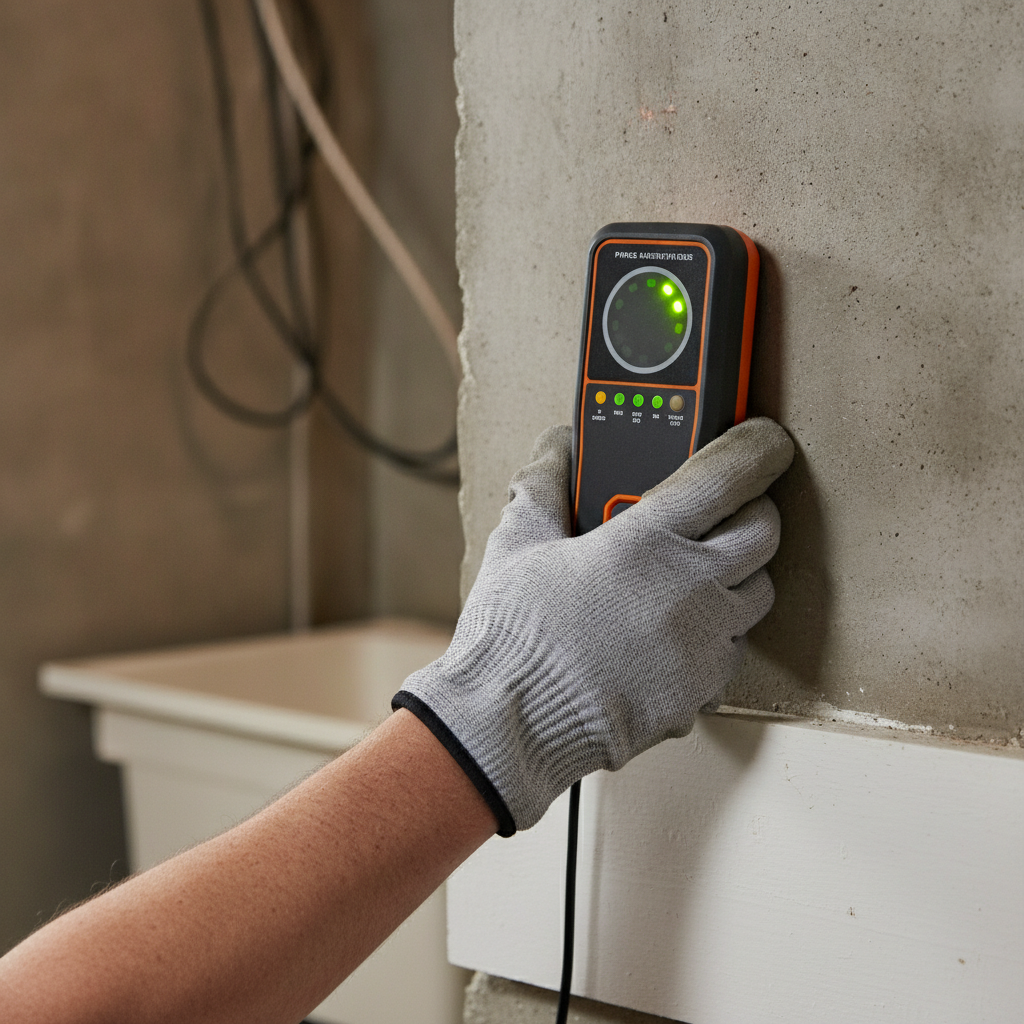
If signs point to specialized concerns—like sewer line failure, chimney defects, or structural questions—we’ll outline the most efficient next step. That might mean a sewer scope, a licensed electrician’s evaluation, or a structural engineer’s review.
What’s in the report and how to use it
Expect a same-day PDF with an executive summary, photos, and system-by-system findings. Action items are labeled repair, monitor, or replace so you can prioritize safety first, then negotiate and plan maintenance with confidence.
- Executive summary: A concise list of top issues with safety flags.
- Photo documentation: Images of defects, data plates, and key locations help communicate clearly.
- Actionable list: Items categorized as repair/monitor/replace guide immediate and long-term planning.
- Appendix and notes: Reference diagrams or maintenance suggestions where relevant.
Bring the report to your agent discussion. Align on which items are safety-critical versus age-typical. Then decide whether to request repairs, seek credits, or proceed as-is. For a broader transaction perspective, many buyers also review a legal due diligence checklist alongside our inspection report to keep documents and deadlines straight.

Soft CTA: Want a sample report and a 10-minute pre-brief on what to expect? Reach out through ASM Home & Commercial Inspection and we’ll share a redacted example so you can see how clear, photo-driven reporting supports decisions.
Local considerations for Suite 2000
Regional climate and housing stock shape inspection priorities. In Suite 2000, emphasize attic ventilation, freeze–thaw effects on exterior materials, and basement moisture control. Seasonal timing also affects how we test HVAC and assess roof surfaces.
Local considerations for Suite 2000
- Winter-to-spring thaw can drive basement moisture. Confirm downspouts discharge away from the foundation and that grading slopes outward.
- Warm-season attic checks reveal heat buildup and ventilation shortfalls. Verify insulation depth and balanced soffit/ridge venting.
- High-usage HVAC months expose performance gaps. Replace filters and test modes during showings to confirm basic operation.
When working with buyers in Suite 2000, we often prioritize attic inspection details because ventilation and insulation tend to influence roof longevity and indoor comfort. We connect these dots in your report so fixes happen in the right order.
Common findings we see
Typical buyer-inspection findings include prior or active leaks, missing GFCI/AFCI protection, aging water heaters and furnaces, deck safety issues, and signs of minor structural movement. Most items are manageable with proper prioritization and planning.
- Moisture staining: Bathroom ceilings or exterior walls that show prior leaks, often linked to caulking or flashing.
- Electrical safety gaps: Missing GFCI protection in bathrooms, kitchen counters, laundry, or exterior outlets.
- Deferred maintenance: Gutters packed with debris, causing fascia damage and foundation seepage over time.
- Deck and stair issues: Loose guard posts, undersized fasteners, or stair rise/run irregularities.
- Mechanical age: Water heaters or furnaces at or beyond typical service life, showing corrosion or poor performance.
None of these findings automatically kill a deal. What matters is the combination of safety, severity, and scope. We explain how issues relate to one another—like how poor grading can feed foundation leaks, which then read as elevated moisture in basement walls.
What impacts your inspection quote
Quotes vary by property size, age, complexity, and optional add-ons like thermal imaging or detached structures. Disclosure details, access constraints, and specialized materials can also influence scope and timing.
- Square footage and systems: Larger homes with multiple HVAC units or complex electrical setups require more time.
- Age and history: Older houses or heavy renovations add variables and areas to verify.
- Home type: Condo, townhouse, semi-detached, or detached each present unique access and common-element considerations.
- Add-ons: Outbuildings, thermal scans, or specialized evaluations extend the inspection footprint.
- Access and utilities: Locked panels, shutoff valves, or inactive utilities slow the process and may require return visits.
To get an accurate quote and a smooth on-site experience, share details early and confirm access to all areas. If you’re comparing services, our team can help you align scope with your goals via a brief call scheduled through our booking page.
Case studies and examples
Real buyer scenarios illustrate how inspections can shift negotiations and timelines. Photo evidence of leaks, missing safety devices, or workmanship gaps often leads to fair credits, pre-close repairs, or targeted warranty claims on new builds.
- Attic staining to roof credit: Elevated moisture readings and sheathing stains supported a documented roof leak. The buyer received a closing credit and scheduled roof and attic ventilation improvements post-close.
- Electrical safety upgrade: Missing GFCI outlets in baths and kitchen were installed by the seller before closing, reducing immediate safety risk for a young family.
- New-build punch list: Thermal imaging revealed insulation gaps, and grading near the foundation was too flat. The builder corrected both under warranty prior to the buyer’s move-in.
- Basement seepage mapped: Downspouts discharging near the foundation, combined with negative grading, correlated with efflorescence. Redirected drainage and minor grading work addressed the root cause.
- Deck guard reinforcement: Undersized hardware and wobbly posts led to a seller-performed reinforcement using appropriate connectors before occupancy.
For first-time buyers, organizing tasks by urgency reduces stress. Here are clear answers to the most common questions we hear during pre-purchase home inspections.
When should I schedule the inspection?
Book as soon as your offer is accepted or once your contingency window opens. This ensures enough time to receive the same-day PDF report, discuss findings with your agent, and request follow-ups if needed.
Should I attend the inspection?
Yes. Being present helps you see conditions firsthand, understand context, and ask questions. We set aside time for a walkthrough recap so you leave with a clear plan.
Do you test everything?
Inspections are visual and non-invasive. We evaluate accessible systems and components and test basic operation where safe. If red flags appear, we’ll recommend specialized or invasive testing by qualified pros.
What if the seller already did a pre-listing inspection?
Still do your own buyer inspection. Conditions can change, and your inspector may prioritize risks differently. Independent documentation protects your interests during negotiations and after closing.
Can you include attic, roof, and HVAC photos?
Absolutely. Our same-day PDF report is photo-rich and typically includes images of the attic, roof surfaces (where safely accessible), data plates, and any safety or moisture concerns we document.
Key takeaways, next steps, and CTA
A thorough buyer inspection delivers clarity, leverage, and a prioritized plan for year one. In Suite 2000, ASM pairs certified expertise with same-day PDF reporting so you can act fast without missing critical details.
Key takeaways
- Pre-purchase home inspections are non-invasive, comprehensive, and decision-focused.
- Safety and moisture risks come first; negotiate or plan repairs accordingly.
- Same-day, photo-rich PDFs keep transactions moving on tight timelines.
- Local conditions make attic ventilation, drainage, and HVAC checks essential.
Action steps
- Share disclosures and access notes when you schedule.
- Attend the walkthrough and bring your top questions.
- Use the report’s action list to prioritize safety, negotiate, and plan maintenance.
- If specialized concerns arise, follow targeted next steps rather than guessing.
Ready for a clear, timely assessment? Book your buyer inspection with ASM Home & Commercial Inspection. We’ll connect the dots between roof, attic, structure, electrical, plumbing, and HVAC so your decision is grounded in facts.