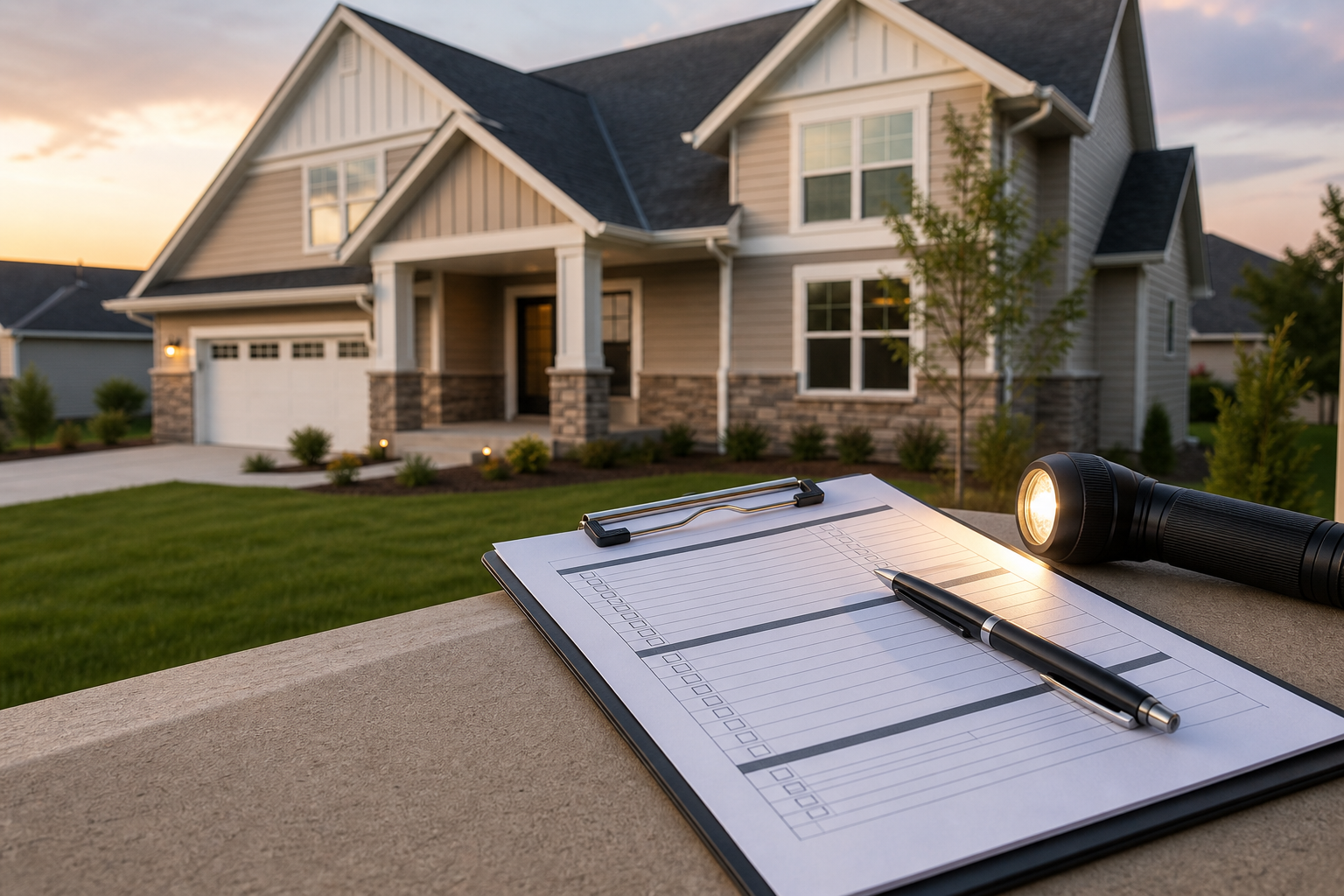
A Practical Guide to Pre-purchase Home Inspection Benefits
Buying a home is a big decision. A pre-purchase home inspection gives you a clear picture of the property’s condition before you commit, helping you budget wisely, plan repairs, and prioritize safety. This guide explains the specific benefits you can expect, what an inspection typically covers, how to use the report, and the questions and checklists that make the process smoother.
What a pre-purchase inspection covers
A pre-purchase inspection is a visual, non-invasive assessment of the property’s major systems and components. While scope can vary by property and provider, buyers commonly receive insights into:
- Roof and attic: General roof condition, visible wear, flashing and penetrations, and attic ventilation/insulation concerns.
- Structure and foundation: Signs of movement, cracking, water intrusion, or other defects that could affect stability.
- Exterior elements: Siding, trim, porches, decks, stairs, railings, grading, gutters, and downspouts.
- Interior components: Walls, floors, ceilings, doors, windows, and cabinetry conditions observable at the time of inspection.
- Plumbing systems and fixtures: Visible supply and drain lines, fixtures, and functional flow at accessible points.
- Electrical: Readily accessible panels, outlets, switches, and representative lighting for wiring and safety issues.
- HVAC: Readily operable heating and cooling equipment and ventilation where accessible.
- Basement and crawlspaces: Indications of moisture, ventilation problems, or structural concerns.
Many inspectors emphasize the importance of detecting moisture intrusion early because it can contribute to structural damage and create safety risks for occupants over time. Identifying moisture pathways helps you understand near-term maintenance and potential repairs.
Top benefits for buyers
A thorough pre-purchase home inspection equips you to make confident, informed decisions. Key benefits include:
- Budget protection: The report highlights defects and aging components so you can estimate near-term and long-term costs.
- Negotiation clarity: Findings provide a common reference for discussing repairs, concessions, or pricing adjustments with the seller.
- Safety awareness: Potential hazards—such as electrical concerns or structural red flags—are flagged for further evaluation or correction.
- Planning and prioritization: A system-by-system summary helps you schedule maintenance and improvements in a logical order.
- Compare properties objectively: When you’re evaluating multiple homes, consistent reporting helps you compare conditions at a glance.
- Fewer surprises post-closing: Understanding the property’s condition beforehand reduces the chance of unexpected repair bills right after you move in.
- Insurance and warranty questions: Knowing the age and state of roofs, HVAC, and plumbing helps you ask the right questions about coverage and potential exclusions.
How to use the report to make decisions
An inspection report is most useful when it becomes a working document for your next steps. Here is a simple framework:
- Sort findings by priority: Group items into safety issues, active leaks/moisture concerns, structural items, and cosmetic or routine maintenance.
- Estimate timeframes: Ask contractors for typical timelines and rough cost ranges for the higher-priority items. Use this to inform your budget and move-in plan.
- Decide your negotiation approach: Based on the report, determine whether to request repairs, seek a credit, adjust your offer, or proceed as-is.
- Plan for ownership: Convert maintenance recommendations into a first-year home care checklist, prioritizing moisture control, drainage, and ventilation.
- Document and file: Keep the full PDF report and any addenda with your closing records for future reference and resale.
For potential structural or safety issues, consider consulting qualified specialists for further evaluation before closing. An inspection is not a code compliance certificate or a guarantee of future performance; it is a snapshot of observable conditions to guide your choices.
Why early moisture detection matters
Moisture finds the path of least resistance—through the roof, walls, foundation, or plumbing. Early detection is a central benefit of pre-purchase inspections because it helps prevent compounding problems. Watch for:
- Roof pathways: Damaged shingles, flashing gaps, and clogged gutters that redirect water where it doesn’t belong.
- Foundation and grading: Negative slope, poor drainage, or downspouts discharging near the foundation that can contribute to seepage.
- Plumbing indicators: Stains, swollen materials, or musty odors under sinks, around fixtures, and along supply/drain lines.
- Attic and insulation clues: Discoloration, compressed insulation, or inadequate ventilation that traps humidity.
- Basement/crawlspace: Efflorescence, dampness, or visible water entry points.
Addressing moisture sources early often reduces repair scope and can help maintain structural integrity over time. Your inspection report should note visible evidence and potential causes so you can plan mitigation or seek specialist input.
Common findings and what they mean for you
Every property is unique, but certain observations appear frequently. Use these as conversation starters with your agent and relevant trades:
- Aging roofing: Wear, granule loss, or patchwork repairs may suggest budgeting for replacement on a defined timeline.
- Electrical panel concerns: Double taps, missing knockouts, or outdated components can indicate a need for electrician review.
- Plumbing leaks or corrosion: Slow drips and visible rust hint at material fatigue and potential fixture or pipe updates.
- HVAC nearing end of life: Older equipment may still function but warrants planning for replacement and improved efficiency.
- Foundation cracks: Hairline to moderate cracks can be common; monitoring and drainage improvements may be advised, with specialist evaluation for larger movement.
- Poor ventilation: Bathrooms or attics without adequate exhaust can trap moisture and contribute to material deterioration.
Remember, an inspection report describes observed conditions and potential implications. It does not forecast exact failure dates. When in doubt, get quotes from licensed contractors for higher-impact items.
Questions to ask your inspector before you book
Choosing the right professional helps you get the most value from your inspection. Consider asking:
- Which major systems and components are included in a standard inspection?
- Do you provide a written or PDF report with photos and a summary of priorities?
- How do you document moisture intrusion risks and drainage observations?
- What parts of the home are excluded or limited due to inaccessibility or safety?
- How long does the inspection typically take, and can I attend?
- Do you inspect readily accessible HVAC, electrical panels, attics, and crawlspaces?
- What is your process for identifying safety-related items that may need urgent attention?
Simple inspection day checklist
Being prepared helps your inspector access key areas and ensures you get your questions answered:
- Bring the property address, seller disclosures, and your list of concerns.
- Ensure utilities (water, electricity, gas) are on and accessible.
- Provide access to the attic, garage, basement/crawlspace, and exterior gates.
- Clear stored items away from electrical panels, water heaters, and HVAC.
- Have a flashlight, notepad, and tape measure for your own observations.
- Take photos of items you want to revisit later with contractors.
- Reserve time after the inspection to review top findings with your inspector.
How a pre-purchase inspection compares to other inspections
Home inspections can occur at multiple stages of ownership. Understanding the differences helps you choose the right service for your needs:
- Pre-purchase inspection: Conducted before you buy, it informs negotiations and budgets by documenting present condition.
- Pre-listing inspection: Performed before selling, it helps identify issues a buyer may raise and allows proactive repairs.
- New construction inspection: Focuses on workmanship and installation concerns in recently built homes.
- Move-in inspection for rentals: Documents condition at occupancy to set a baseline for tenants and landlords.
- Annual maintenance inspection: A periodic check-in to track wear, moisture risks, and emerging repairs to keep your home in good shape.
Reading and validating the report
Most reports include photos, descriptions, and recommendations. To make the most of them:
- Start with the summary: Note urgent safety and active moisture items first.
- Cross-reference photos: Images help you locate issues quickly during walk-throughs and contractor bids.
- Mark unknowns: Where access was limited or components were not tested, consider follow-up evaluation.
- Get second looks: Invite licensed trades to provide estimates for higher-cost or specialty items like roofing, structural repairs, or HVAC replacement.
- Create a timeline: Separate “before closing,” “first 90 days,” and “first year” tasks to stay on track.
FAQs
Is a pre-purchase home inspection mandatory?
Requirements vary by transaction and contract. Even when not required, most buyers choose an inspection to understand property condition and plan for repairs and maintenance. For contract-specific obligations, consult your real estate professional or attorney.
Will an inspection find every problem?
No. Inspections are visual and non-invasive. Inspectors cannot see behind walls or predict future failures. The report reflects conditions observed at the time of inspection and may recommend further evaluation where access is limited or issues are suspected.
How long does a pre-purchase inspection take?
Time varies by property size, age, and accessibility. Plan on enough time for the site review and a discussion of major findings. Ask your inspector for a typical time estimate for homes similar to the one you’re considering.
What should I do if the report lists major defects?
Discuss options with your agent, which may include requesting repairs, negotiating credits, adjusting your offer, or walking away depending on contract terms. For technical items, seek quotes from qualified contractors before final decisions.
Can I attend the inspection?
Buyers commonly attend to ask questions and see issues firsthand. Confirm attendance policies and any safety rules with your inspector in advance.
Next steps
A practical next step
To discuss the options that apply to your situation, contact Asmhomeinspection and request the relevant details before moving forward.