
A pre-purchase home inspection is a certified evaluation of a property’s major systems before you buy. Inspectors assess the roof, structure, plumbing, electrical, HVAC, and more to spot defects and safety issues. For buyers around Suite 2000 in Toronto, ON, ASM Home & Commercial Inspection provides same-day PDF reports so you can negotiate and decide with confidence.
By Asmhomeinspection • Last updated: 2026-05-31
Quick Summary
A pre-purchase inspection verifies a home’s condition before closing, highlighting defects, safety concerns, and maintenance items. Expect a 2–4 hour walkthrough, on-site explanations, and a same-day PDF report. ASM’s InterNACHI- and CCPIA-certified process helps GTA buyers avoid surprises, prioritize repairs, and move forward with clarity.
- What you’ll learn: scope, benefits, workflow, tools, and how to prepare
- Who it’s for: first-time buyers, investors, and real estate pros on tight timelines
- How we help: certified inspections, moisture-focused diagnostics, clear summaries
- Fast navigation
- What it is
- Why it matters
- How it works
- Types of inspections
- Best practices
- Tools & resources
- Case studies
- What affects scope & timelines
- FAQ
- Conclusion
What Is a Pre-Purchase Home Inspection?
A pre-purchase home inspection is an independent, system-by-system review of a property before you commit to buy. Inspectors evaluate structure, roofing, exterior, interior, plumbing, electrical, and HVAC to find defects, safety hazards, and maintenance needs. The result is a same-day, plain-English report that supports negotiations and protects your decision.
Put simply, this inspection reduces uncertainty. It verifies that the property you love is safe, functional, and aligned with your expectations. It also highlights near-term repairs and longer-term maintenance so you’re not surprised after you move in.
What’s included in a professional scope
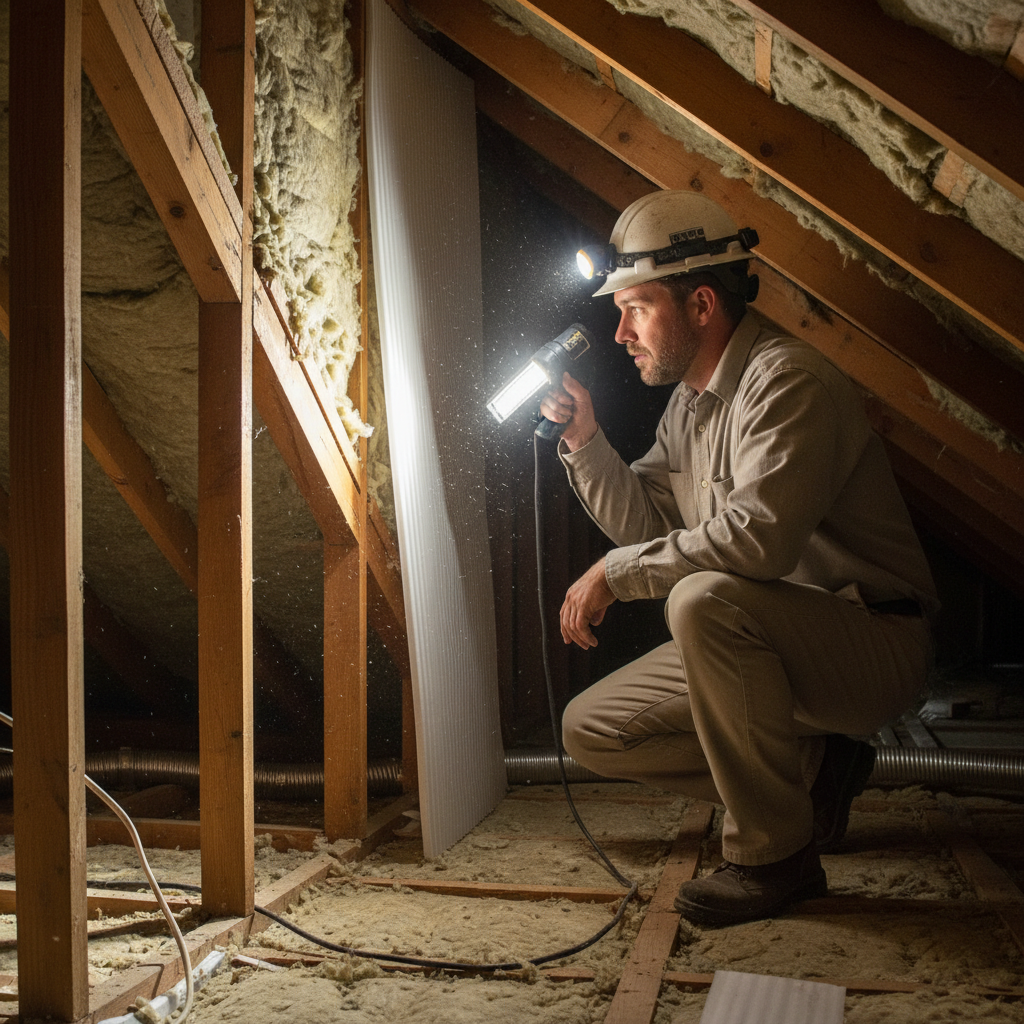
- Roof & attic: shingles, flashing, ventilation, insulation, signs of leaks
- Structure & foundation: visible framing, settlement clues, moisture intrusion
- Exterior: grading, gutters/downspouts, siding, decks, stairs/railings
- Interior: walls, floors, ceilings, doors, windows, cabinets
- Plumbing: fixtures, supply/drain lines, water heater, functional checks
- Electrical: service entry, panel labeling, breakers, GFCI/AFCI devices, outlets
- HVAC: furnace/air handler, AC condenser, distribution, thermostat controls
ASM’s certified reports summarize issues by safety, repair, and maintenance categories. That categorization lets buyers in the GTA quickly discuss credits, repairs, or timelines with their agents and sellers.
Why a Pre-Purchase Inspection Matters in the GTA
In a fast-moving GTA market, a pre-purchase inspection gives you leverage and peace of mind. It flags safety hazards, hidden moisture problems, and aging systems before you close. With ASM’s same-day reporting, you can act within short offer windows while reducing risk.
Homes across the Greater Toronto Area vary by age and construction methods. Older homes can conceal wiring, foundation, and ventilation issues; newer builds may reveal workmanship or drainage gaps. Either way, water is the most persistent threat. Persistent moisture can damage framing, invite mold, and reduce indoor air quality.
Common regional risk factors we see:
- Freeze-thaw cycles: contribute to foundation movement and exterior wear
- Heavy rain events: overwhelm gutters, downspouts, and grading, pushing water toward basements
- Mixed housing stock: renovations and additions with variable workmanship
Beyond risk reduction, timing matters. Transactions often move quickly, and decisions need to follow. ASM delivers a same-day PDF, which keeps you moving without sacrificing diligence. Your agent can use the findings to request repairs or credits, prioritize essentials, and plan maintenance after closing.
Local considerations for Suite 2000
- Plan inspections to avoid peak traffic times common across the Toronto metro; it helps ensure full access and a thorough walkthrough.
- Schedule around seasonal weather swings; spring rains and winter freeze-thaw patterns can surface drainage and roof issues.
- For condos and townhomes popular in the region, review building documents alongside your inspection to align maintenance expectations.
For broader due diligence beyond the property condition, review a practical checklist like this property purchase due diligence guide; align it with your inspector’s findings and your agreement timelines.
How a Pre-Purchase Home Inspection Works
Expect a structured process: scheduling, access confirmation, an on-site walkthrough (2–4 hours), verbal highlights, and a same-day PDF report with photos and recommendations. ASM’s inspections follow professional standards, emphasize moisture detection, and organize results by safety, repair, and maintenance priority.
- Schedule & confirm access: Coordinate with your agent and the seller for utilities-on and full access.
- Pre-brief: Share any concerns (past leaks, renovation dates, warranty info) so we can focus attention.
- Exterior review: Roof edges, gutters/downspouts, grading, siding, decks, stairs, and railings.
- Interior walkthrough: Walls, floors, ceilings, doors/windows, and cabinetry; check for staining or movement.
- Plumbing checks: Run multiple fixtures, observe drainage, look for supply leaks and proper traps/vents.
- Electrical checks: Panel observations, representative outlet testing, GFCI/AFCI device operation.
- HVAC checks: Run heating/cooling in seasonally appropriate modes, observe cycling and basics.
- Attic & foundation: Ventilation, insulation, signs of moisture; foundation walls and structure clues.
- On-site recap: Key safety items and notable findings discussed in plain language.
- Same-day PDF report: Photos, narratives, and recommendations delivered for quick decisions.
| Stage | What Happens | What You Do |
|---|---|---|
| Scheduling | Book time, confirm access and utilities | Coordinate keys and pets; share concerns |
| On-site | 2–4 hour system-by-system review | Attend, ask questions, take notes |
| Report | Same-day PDF with photos and priorities | Review with your agent; plan next steps |
Tip: Bring your top 3–5 questions. Clear priorities help you connect findings to your goals, whether that’s negotiating repairs or planning first-year maintenance.
Types/Methods/Approaches
Use a pre-purchase inspection when you’re buying; a pre-listing inspection before you sell; new construction inspections during handover; move-in inspections for rentals; and annual maintenance inspections to catch small issues early. ASM provides each service across the GTA.
When each inspection makes sense
- Pre-purchase (buyer): Verify condition, safety, and maintenance before finalizing your offer.
- Pre-listing (seller): Fix surprises before listing; present a cleaner property to buyers.
- New construction: Confirm workmanship, life-safety devices, grading, and drainage after build.
- Move-in (rental): Document condition at key handover moments to reduce disputes.
- Annual maintenance: Track wear, moisture, and minor defects to avoid bigger repairs.
| Inspection Type | Primary Goal | Ideal Timing | ASM Focus Areas |
|---|---|---|---|
| Pre-Purchase | Reduce risk and prioritize repairs | Before firming up conditions | Moisture, structure, roof, electrical safety |
| Pre-Listing | Fewer surprises during offers | 2–6 weeks before listing | High-visibility items; quick repair wins |
| New Construction | Quality and safety verification | Pre-delivery or soon after | Life-safety devices, drainage, workmanship |
| Move-In | Condition documentation | At key handover dates | Photographic record of defects or wear |
| Annual Maintenance | Preventive upkeep | Every 12 months | Moisture trends, minor repairs |
Because ASM is both InterNACHI- and CCPIA-certified, we apply consistent reporting for single-family homes, condos, and light commercial properties, which helps buyers and investors compare options side-by-side.
Best Practices
Tools/Resources
Professional inspectors use moisture meters, thermal imaging, electrical testers, ladders, and safety equipment. ASM emphasizes moisture diagnostics, attic ventilation checks, and representative testing of outlets, plumbing fixtures, and HVAC to spot issues that casual walk-throughs miss.
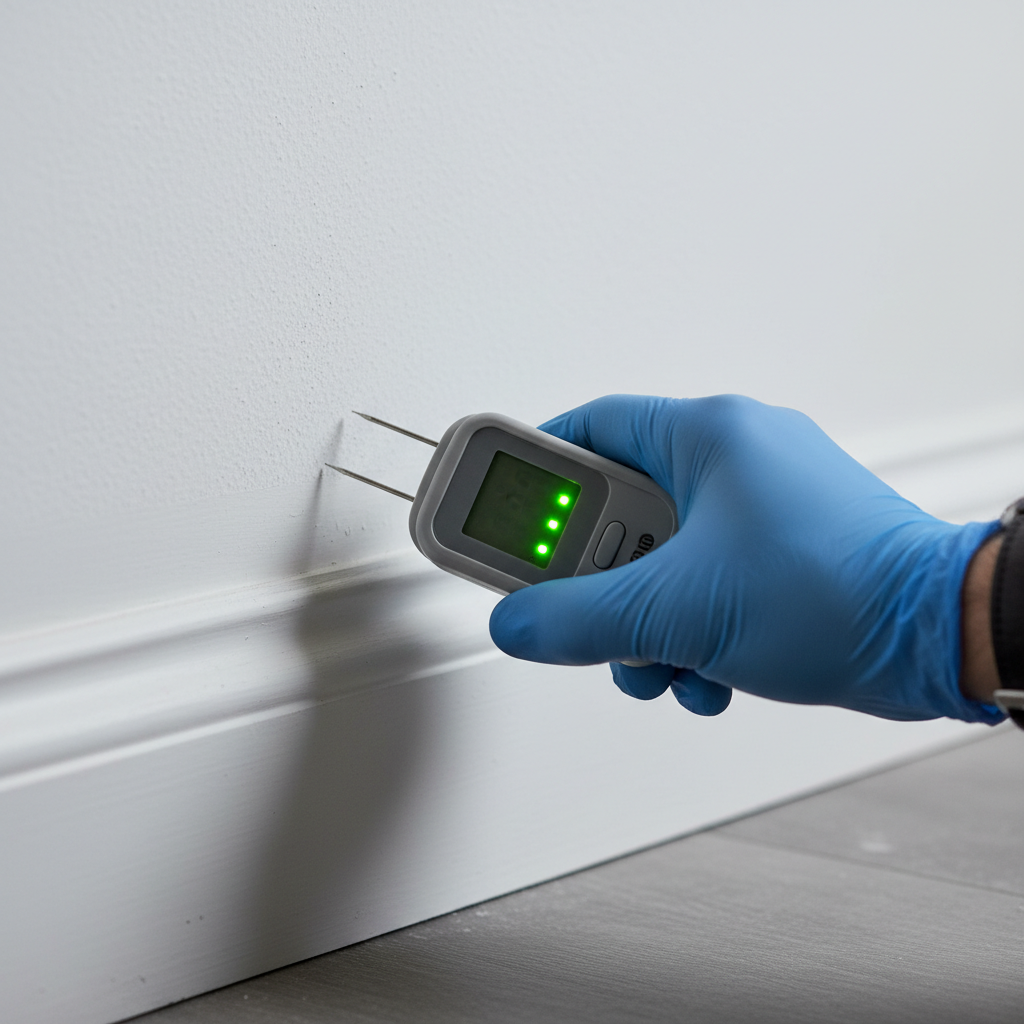
- Moisture meter: Checks drywall, baseboards, and suspect areas to identify hidden leaks.
- Thermal imaging (as appropriate): Helps visualize temperature differences linked to missing insulation or moisture patterns.
- Electrical testers: Verify GFCI/AFCI operation and polarity at representative receptacles.
- HVAC thermometers: Confirm that heating and cooling provide expected temperature changes.
- Ladders & PPE: Safe access to attics and exteriors; gloves and masks where needed.
Reports include annotated photos and plain-English narratives. That structure lets you forward a single PDF to your realtor, contractor, or property manager and keep everyone on the same page.
Case Studies/Examples
Real inspections deliver practical outcomes: negotiating repairs, planning maintenance, and preventing surprises. Here are condensed examples from GTA-style scenarios that mirror what ASM sees: moisture intrusion, aging systems, and workmanship gaps that are easy to miss without a structured process.
Scenario 1: Townhome moisture pattern
- What we saw: Staining near a baseboard and elevated moisture readings at an exterior wall.
- Likely cause: Downspout discharge near the foundation with negative grading.
- Outcome: Buyer negotiated targeted exterior corrections prior to closing and monitored interior levels after.
Scenario 2: Older detached wiring concern
- What we saw: Panel labeling didn’t match branch circuits; some outlets lacked GFCI protection in wet areas.
- Action: Recommended a licensed electrician to correct protection and labeling for safety.
- Outcome: Buyer prioritized electrical fixes and adjusted project timelines accordingly.
Scenario 3: Attic ventilation imbalance
- What we saw: Inadequate soffit intake with warm-season heat buildup and winter condensation signs.
- Action: Improve baffles and clear blocked vents; verify balanced intake and exhaust.
- Outcome: Cooler summers, reduced condensation risk, and better roof longevity.
Each scenario shows why a system-by-system method matters. The goal isn’t to nitpick; it’s to surface safety, function, and moisture realities so your purchase stays on track.
What Affects Inspection Scope & Timelines
Property size, age, access, and weather set the pace. Larger, older, or heavily renovated homes take longer to evaluate. Full access and utilities-on help your inspector test more systems in one visit and deliver a thorough, same-day report.
- Property size & complexity: More rooms, bathrooms, and systems add checks.
- Age & renovations: Older homes and mixed-era additions mean more detective work.
- Access: Locked mechanical rooms, crawlspaces, or storage can delay evaluation.
- Seasonality: Heating and cooling modes are tested when weather allows.
- Occupied vs. vacant: Furnishings can hide or limit access to some areas.
Buyers can help by confirming keys, pet arrangements, and clear access to mechanicals. A little prep translates into fewer return visits and a tighter decision window.
FAQ: Pre-Purchase Home Inspection
Buyers ask about timing, attendance, report format, and what happens if serious issues surface. Here are direct answers so you can plan with confidence and avoid delays during a fast-moving transaction.
How long does a pre-purchase home inspection take?
Most inspections take 2–4 hours depending on size, age, and access. Complex or older homes can take longer. ASM walks you through high-priority findings on-site and follows up with a same-day PDF that includes photos and plain-English recommendations.
Should I attend the inspection?
Yes. Being there lets you hear context, see issues firsthand, and ask questions. It also helps you connect the report’s photos and summaries to what you observed, which makes negotiations and maintenance planning much easier.
Do inspectors check everything?
Professional inspections are visual and non-invasive. We test representative outlets and fixtures, observe accessible areas, and report safety, repair, and maintenance items. Hidden or inaccessible spaces may require specialized follow-up (e.g., sewer scope or structural engineer) when concerns arise.
What if the inspection finds serious problems?
Serious findings give you options: request seller repairs, negotiate credits, or reconsider. Your agent will align the report with your agreement timelines. ASM’s same-day reporting helps you act quickly without losing momentum in the transaction.
Is a pre-purchase inspection different from an appraisal?
Yes. An appraisal estimates market value for a lender. A home inspection evaluates the property’s condition for your safety and maintenance planning. Both matter, but they answer different questions in your due diligence.
Conclusion & Next Steps
A pre-purchase home inspection turns uncertainty into a clear, prioritized plan. With ASM’s certified process and same-day PDF reporting, GTA buyers can negotiate confidently, plan first-year maintenance, and protect their investment from moisture and safety pitfalls.
Key takeaways
- Pre-purchase inspections reduce risk and surface safety and moisture issues early.
- Attend the walkthrough, ask targeted questions, and review the same-day PDF.
- Use findings to negotiate essentials and plan maintenance timelines.
- Consider annual and pre-listing inspections to stay proactive over time.
Action steps
- Gather your top concerns and disclosure documents.
- Book a certified inspection aligned to your offer timeline.
- Review the report summary with your agent the same day.
- Schedule any recommended specialist follow-ups promptly.
Ready to move forward around Suite 2000 and the GTA? Explore ASM’s certified inspection services and book a convenient time for your pre-purchase home inspection.