Plumbing inspection is a systematic evaluation of a building’s water supply, distribution, drainage, venting, and plumbing fixtures. Inspectors verify pressure, leaks, and safety controls to prevent damage and health risks. For Suite 2000 buyers, sellers, and owners, a thorough plumbing review reduces surprises at closing and helps stop moisture intrusion before it escalates.
By Asmhomeinspection • Last updated: July 3, 2026
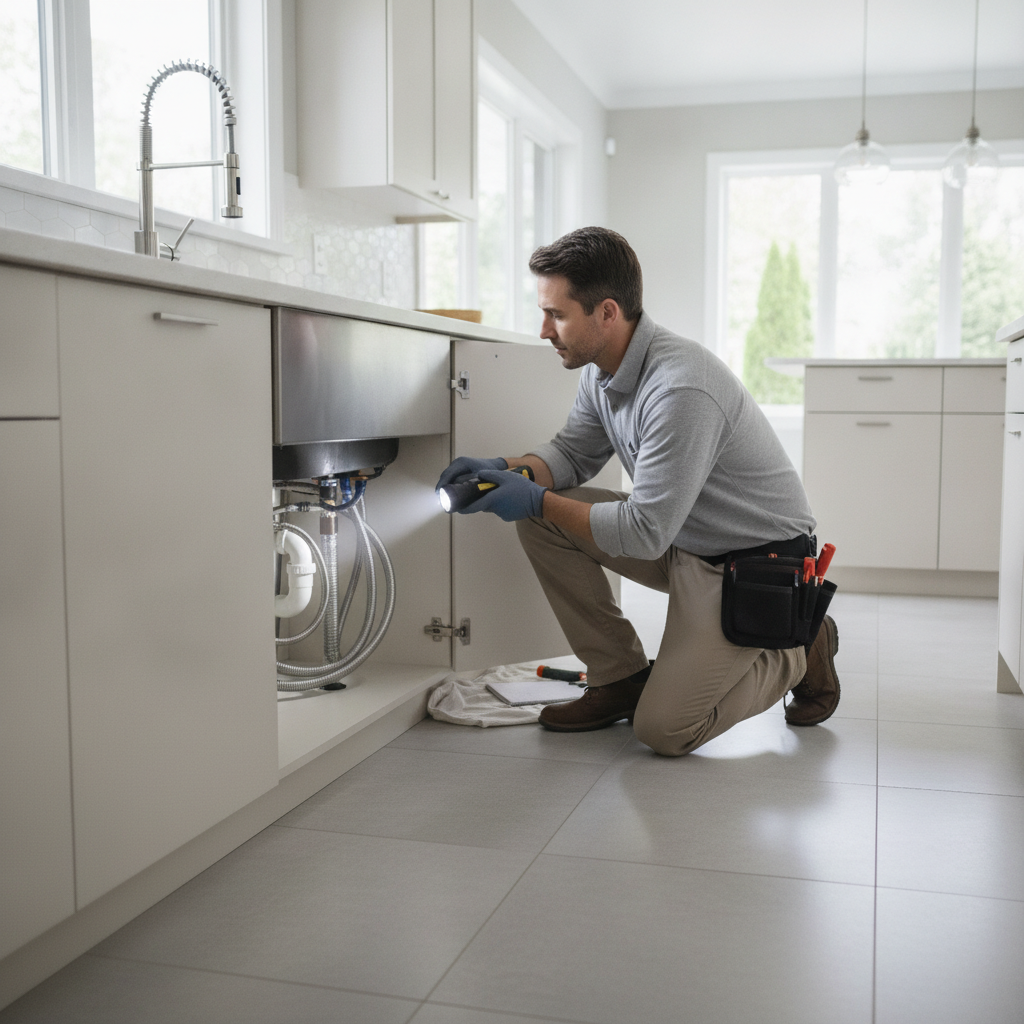
Quick summary and table of contents
A plumbing inspection checks supply, drain, and vent systems end-to-end, including water heaters, fixtures, and leak risks. Use it before purchase, during new construction, and for annual maintenance. This guide explains what inspectors look for, red flags, the step-by-step process, and how Suite 2000 owners can prepare.
Use this expert guide from Asmhomeinspection to understand what a certified inspector evaluates and how to act on your report the same day it arrives.
- What a professional plumbing inspection includes
- Why inspections matter for health, safety, and negotiation
- How the process works, from fixtures to main drain
- Types of inspections: pre-purchase, pre-listing, new construction, annual
- Best practices to reduce leaks and water damage
- Tools and resources inspectors rely on
- Real examples from local residential and commercial work
If you need an end-to-end property evaluation, schedule a visit through our home and commercial inspection portal. We deliver same-day PDF reports so you can decide faster.
What is a plumbing inspection?
A plumbing inspection is a top-to-bottom assessment of potable water supply, distribution piping, fixtures, water heating, drainage, and venting. Inspectors test functional flow and drainage, verify safety devices, and identify leaks, corrosion, or obsolete materials so owners can prevent damage and health hazards.
At its core, the inspection connects five building blocks: water source, distribution piping, fixtures/appliances, drainage, and venting. Each part must deliver adequate flow, safe temperature, and reliable drainage without leaks or cross-connections.
- Supply and distribution: Material identification (copper, PEX, galvanized), shutoffs, and static/working pressure. Typical residential pressure falls in the 40–80 psi range.
- Fixtures and appliances: Toilets, faucets, showers, laundry, dishwasher, ice maker, and humidifier connections. Typical tub/shower flow is 1.8–2.5 gpm depending on the fixture.
- Water heating: Tank or tankless, temperature/pressure relief (TPR) valve, expansion tank, combustion air, and venting. Many households set water to about 120°F for scald protection.
- Drain, waste, and vent (DWV): Trap seals, slope (often 1/4 inch per foot for smaller drains), and venting for siphon prevention.
Because moisture is the #1 long-term enemy of buildings, Asmhomeinspection integrates plumbing findings with our broader roof, attic, basement, and foundation reviews to surface early warning signs.
Why plumbing inspections matter
Plumbing inspections prevent structural damage, mold growth, and health risks while supporting stronger negotiations. They uncover hidden leaks, failing water heaters, and improper venting that can impact comfort and safety and lead to expensive repairs if ignored.
Here’s why this matters for Suite 2000 properties and managers.
- Moisture control equals durability: Even a pinhole leak dripping 1 drop/second can waste more than a gallon per day and saturate building materials.
- Negotiation leverage: Documented defects (e.g., corroded shutoffs, backgraded drains) give buyers clear grounds to request repairs or credits.
- Health and comfort: Inadequate hot water supply, cross-connections, or poor venting degrade daily living and increase risk.
- Insurance and liability: Many policies expect you to maintain systems. A current inspection record shows diligence.
- Lifecycle planning: Tanks often last 8–12 years depending on water quality and maintenance; knowing age and condition helps you plan replacement on your schedule.
Local considerations for Suite 2000
- During freeze–thaw seasons, test exterior hose bibbs and consider insulated covers to protect from freeze damage to supply lines.
- Spring snowmelt and heavy rains can raise groundwater; test your sump pump and verify the discharge line is clear before wet months.
- If you’re renovating older properties, have us identify legacy piping (e.g., galvanized) and review venting to align with modern performance expectations.
When working with clients in Suite 2000, we tie plumbing notes to attic, basement, and exterior water management findings so the moisture story is complete.
How a professional plumbing inspection works
Inspectors start at the main shutoff, verify pressure and material types, test every accessible fixture, review the water heater, and run drains while checking for leaks, slow flow, and venting issues. Findings are documented with photos and delivered in a same-day PDF report.
Our fieldwork follows a consistent route to reduce misses and keep evidence organized.
- Main shutoff and meter: Confirm operation, labeling, and any seepage. Typical household supply pressure: 40–80 psi; above that often warrants a regulator check.
- Distribution piping: Inspect for corrosion, kinks, rubbing, unsupported spans, and inadequate dielectric separation where materials change.
- Fixtures: Run each for 2–3 minutes. We observe hot/cold reversal, hammer, slow fills, or fluctuating temperature during simultaneous use.
- Water heater: Verify TPR valve with discharge to a safe termination, proper venting, combustion clearances, and approximate temperature near 120°F.
- DWV system: Check trap seals (~2 inches typical), slopes (1/4 inch per foot on smaller branches), and vent terminations above flood rim level.
- Sump and backflow: Exercise pump and float, confirm check valve orientation, and note whether the discharge terminates appropriately away from the foundation.
We document static readings, thermal images where applicable, and photos of any active seepage. The result is a structured, same-day PDF with prioritized recommendations and a simple action plan.
| Step | What to check | Tools | Red flags |
|---|---|---|---|
| Main shutoff | Valve operation, labeling, meter seepage | Flashlight, wrench, camera | Stuck valve, drip marks, corrosion halos |
| Pressure | Static and working pressure | Pressure gauge | >80 psi, surging during fixture use |
| Fixtures | Flow, temperature stability, drain time | Thermometer, stopwatch | Scald risk >130°F, slow drains, gurgling |
| Water heater | TPR discharge, venting, clearances | Mirror, CO detector (for awareness) | Missing TPR, double trapping, backdrafting |
| DWV | Trap seals, slope, vent integrity | Level, borescope (as needed) | Flat runs, siphoning, sewer odor |
| Sump/backflow | Float, check valve, discharge | Water for test, flashlight | Short-cycling, no check valve, clogged outlet |
Want this documented for a real property? Book a pre-purchase plumbing and systems review. We combine plumbing results with roof, attic, electrical, and HVAC findings for a complete picture.
Types of plumbing inspections
The main plumbing inspection types are pre-purchase/pre-listing, new construction and warranty, annual maintenance, and targeted problem checks. Each type uses similar methods but focuses on timing, risk, and documentation that fit your decision window.
Asmhomeinspection supports several scenarios that align with our core services.
- Pre-purchase and pre-listing: We verify supply materials, shutoffs, fixture performance, water heater safety, and DWV function. Typical issues include worn angle stops, slow drains, and missing TPR discharge piping.
- New construction and builder warranty: We look for reversed supplies, loose P-traps, or unsupported PEX turns before drywall conceals them. Early findings save later rework.
- Annual maintenance: For owners and managers, we trend water heater age (8–12 years common lifespan), flush sediment when appropriate, and retest sump operation before rainy seasons.
- Targeted problem checks: Odors near floor drains, gurgling after flushes, or intermittent hot water fluctuation often trace to venting, trap seal loss, or scaling.
For multi-unit and light commercial spaces, we combine unit sampling with riser checks, meter room observations, and fixture grouping tests during off-peak hours to minimize disruption.
Step-by-step plumbing inspection checklist
Prepare by clearing under-sink areas, noting any leaks or odors, and making all spaces accessible. Inspectors will test each fixture, observe drains, verify water heater safety, and evaluate sump/backflow. They’ll document results with photos and straightforward recommendations.
- Access: Unlock utility areas and clear under-sink storage so traps, shutoffs, and supply lines are visible.
- Start at the source: Identify the main shutoff and meter. Photograph current valve condition.
- Measure pressure: Use a hose-bib gauge. If you see >80 psi, consider a pressure regulator evaluation.
- Run fixtures: Test hot and cold at the same time in different rooms to reveal pressure drops or temperature swings.
- Check drains: Fill-and-dump method on sinks/tubs. Look for swirling, gurgling, or slow drainage.
- Inspect traps: Confirm 2-inch water seal where applicable and look for double-trapped fixtures.
- Water heater: Confirm TPR valve, discharge near floor drain, and temperature roughly 120°F at a faucet.
- Sump and discharge: Lift float to confirm pump cycling; ensure discharge terminates where it won’t return to the foundation.
- Appliance connections: Inspect laundry hoses (replace if bulged/cracked), dishwasher air gaps/loops, fridge lines.
- Report and prioritize: Summarize safety risks first, then functional issues and maintenance items.
Your same-day PDF groups items into Safety, Major Defect, Minor Defect, and Maintenance. That way, you can plan corrections in a sensible order.
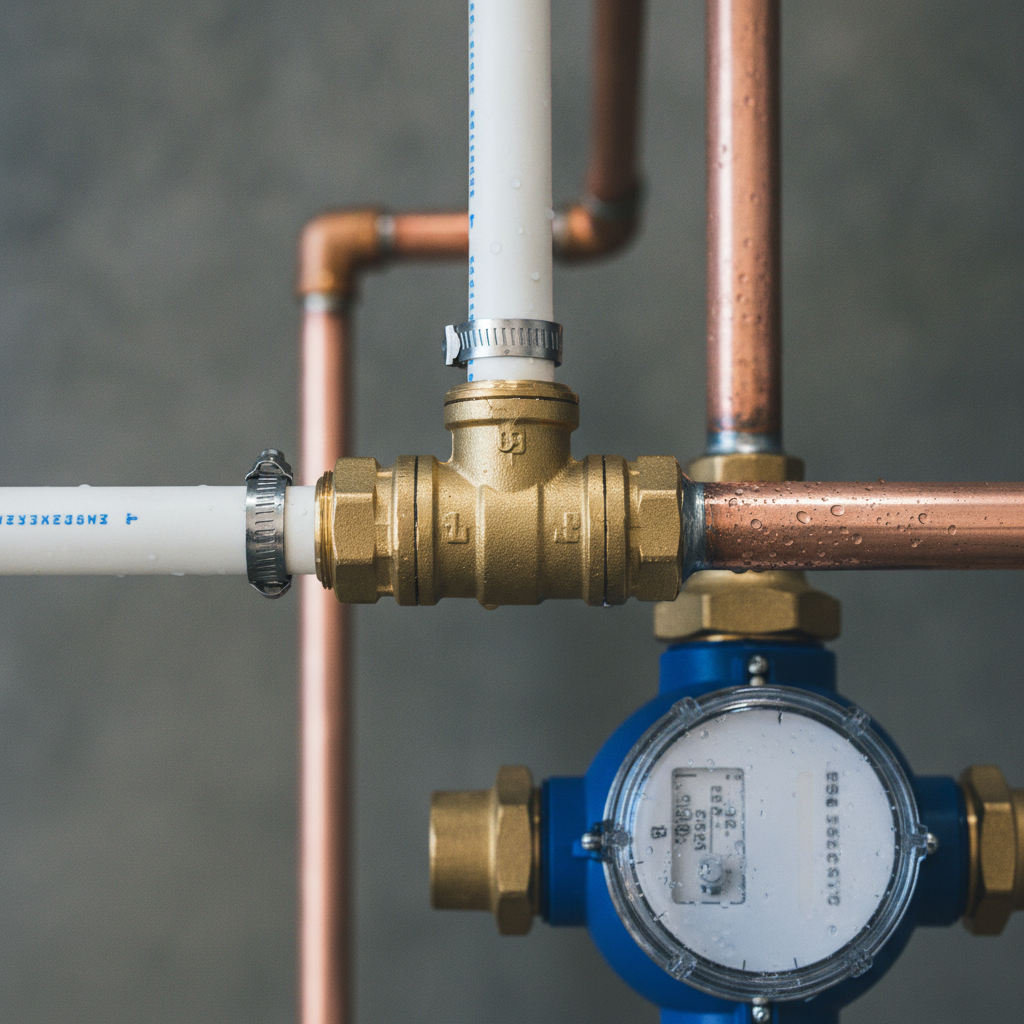
Best practices between inspections
Maintain stable pressure, protect against leaks, and keep drains flowing. Test your sump pump before wet seasons, replace brittle supply hoses, and set hot water near 120°F. Small habits cut water waste, prevent mold, and extend the life of fixtures and water heaters.
- Control pressure: High pressure accelerates wear. Aim for 60–70 psi in most homes.
- Replace risky hoses: Swap old rubber washer hoses for braided stainless and inspect annually.
- Exercise valves: Operate fixture shutoffs once or twice a year to prevent seizing.
- Guard against hidden leaks: Monitor your meter when all fixtures are off; movement suggests a leak.
- Keep drains clear: Strainers in showers/tubs capture hair. Avoid grease in kitchen drains to reduce buildup.
- Sump readiness: Pour water into the pit to verify cycling and listen for smooth operation.
For a maintenance baseline, schedule an annual systems inspection. We’ll track changes year to year so you can act before a small drip becomes a soaked subfloor.
Tools and resources inspectors use
Inspectors rely on non-invasive tools—pressure gauges, infrared cameras, moisture meters, thermometers, and borescopes—to measure flow, heat, and hidden moisture. These instruments help confirm findings and create clear, photo-rich, same-day PDF reports for confident decisions.
- Pressure gauge: Screws onto a hose bibb to read static/working psi; readings beyond 80 psi warrant attention.
- Infrared camera: Reveals temperature differences that can indicate hidden moisture or hot/cold crossover.
- Moisture meter: Confirms elevated moisture content in cabinets, baseboards, or subfloors.
- Digital thermometer: Verifies domestic hot water near 120°F for comfort and scald protection.
- Borescope: Helps visualize the back of traps, cavities, or appliance connections with minimal disruption.
Curious about vent behavior and why gurgling happens? See this practical overview of how plumbing vents work. For proactive drip control, skim these smart leak prevention tips.
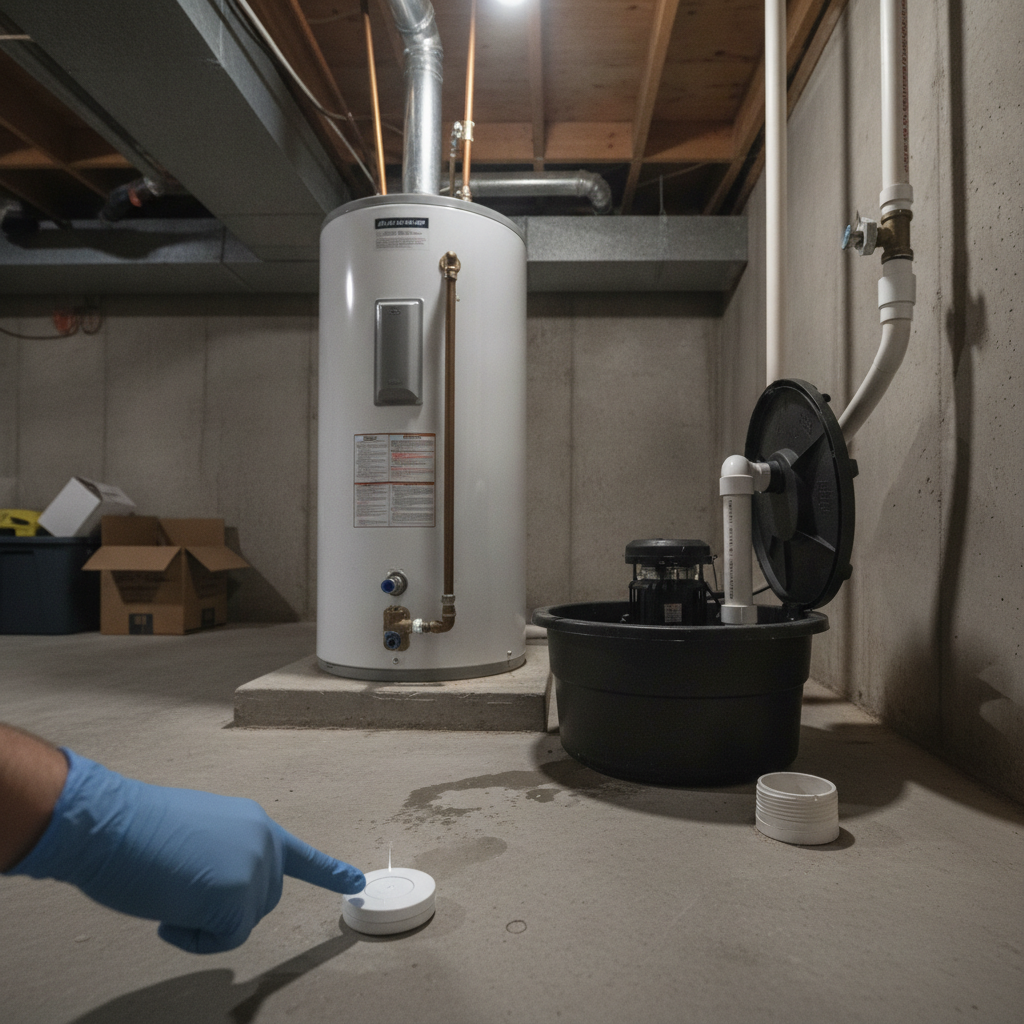
Case studies and real-world examples
Real inspections reveal repeatable patterns: high pressure causing hammer, missing TPR discharge piping, slow drains from flat runs, and sump pumps that short-cycle. By catching these issues early, owners avoid moisture damage and improve negotiation outcomes during transactions.
Pre-purchase condo in Suite 2000
- Finding: Static pressure measured 95 psi at a laundry faucet; toilet fill valves chattered during simultaneous use.
- Impact: Accelerated wear on supply lines and valve seats.
- Action: We recommended evaluation for a pressure-reducing valve and documented the condition for the buyer’s negotiations.
New construction townhome walkthrough
- Finding: Reversed hot/cold at a hall bath sink and an S-trap configuration under the kitchen sink.
- Impact: Safety concern and siphoning risk.
- Action: Builder corrected before close, preventing rework after move-in.
Annual maintenance for a small retail unit
- Finding: Sump pump cycled every 40 seconds due to a stuck float and a partially blocked discharge line.
- Impact: Premature pump failure risk, potential for localized flooding in heavy rain.
- Action: We flagged replacement of the float assembly and clearing the discharge; retest confirmed normal cycling.
For a similar review, book through our inspection scheduling page. We’ll align your plumbing results with roof, attic, electrical, and HVAC observations for a full-picture report.
Common red flags we catch
Warning signs include pressure above 80 psi, water heater temperatures above 130°F, dripping shutoffs, slow or gurgling drains, missing TPR discharge piping, and unsupported PEX routing. Each can lead to leaks, scald risk, sewer odors, or premature equipment failure.
- High pressure (>80 psi): Shortens fixture lifespan; look for hammer and chatter.
- Old rubber washer hoses: Bulging or cracking near ferrules suggests imminent failure.
- Odors and gurgling: Often tied to venting problems or dry traps—common around floor drains.
- Improper water heater discharge: A TPR valve without a safe termination is a safety issue.
- Flat or back-graded drains: Sludge accumulation causes recurring slow drainage.
If any of these sound familiar, request a targeted problem-focused inspection so we can isolate root causes and document corrective paths.
How to use your same-day PDF report
Organize fixes by safety, function, and maintenance. Share the PDF with your agent or facility lead, request corrections with photos as references, and retest after work is complete. Keep the document for insurance and warranty records.
- Safety first: Hot water set too high, missing TPR discharge, active leaks, or backdraft risks top the list.
- Functional issues: Slow drains, sticking shutoffs, and unstable pressure impact daily use.
- Maintenance items: Sediment flushing, hose replacements, and valve exercising extend equipment life.
We design reports for easy skimming with annotated photos and plain-language summaries. Need a whole-home view? Our full residential inspection bundles plumbing with roof, attic, structure, electrical, HVAC, and more.
Plumbing inspection and related systems
Plumbing interacts with roofing, attic ventilation, and foundations. Roof leaks, poor attic airflow, and negative grading all raise moisture risk. A whole-home inspection connects these dots so plumbing fixes don’t fight against larger water management issues.
In our experience, the attic often tells a moisture story you won’t see at fixtures. Stains near vent penetrations, compressed insulation, and high humidity signatures correlate with bathroom exhaust and roof flashing concerns.
- Link plumbing exhaust and attic ventilation checks to reduce condensation.
- Confirm downspouts discharge away from the foundation to support dry basements and reliable sumps.
- Monitor crawlspaces and unfinished basements with hygrometers; aim for relative humidity below ~60%.
Explore our attic and moisture insights during a comprehensive home inspection. For background on distribution and venting basics, this short read on what inspections cover can be a helpful primer.
Thinking about buying or listing in Suite 2000? Book a certified inspection and get a same-day PDF. We’ll surface risks and priorities you can act on immediately.
Frequently Asked Questions
Homeowners ask about timing, preparation, scope, and what happens after the visit. Here are concise answers so you know what to expect from a professional plumbing inspection and how to use the report the same day.
When should I get a plumbing inspection?
Before buying or listing, during new construction and warranty periods, and yearly for maintenance. Inspections are also helpful any time you notice slow drains, odors, hammering pipes, fluctuating water temperature, or visible moisture under sinks or near the water heater.
What does a plumbing inspection include?
Inspectors evaluate supply and distribution, fixtures, water heaters, drainage, and venting. They test flow and drainage, check for leaks and corrosion, and verify safety devices like the water heater’s TPR valve. Results are documented with photos and clear recommendations.
How can I prepare my home?
Clear under-sink areas, unlock utility rooms, and ensure fixtures are accessible. Make a list of issues you’ve noticed—odors, slow drains, or pressure fluctuations. This saves time on-site and helps your inspector replicate symptoms to pinpoint causes.
Will the inspector fix issues found?
No. Inspectors provide objective evaluations and documentation. We identify concerns, prioritize them, and recommend next steps. Licensed trades complete repairs. After work is done, a re-inspection can confirm that corrections are effective.
What’s the typical water pressure and temperature?
Most homes run 40–80 psi; above that can stress valves and hoses. Many households set domestic hot water near 120°F for comfort and safety. Your inspector will measure actual readings and note if adjustments are recommended.
Key takeaways and next steps
Start with a professional plumbing inspection to reveal hidden moisture risks, safety issues, and negotiation leverage. Use the same-day PDF to prioritize fixes, then retest. Pair plumbing with full-home systems reviews for a complete moisture management plan.
- Keep pressure around 60–70 psi to protect fixtures.
- Set water temperature near 120°F and confirm TPR discharge piping.
- Test sump operation ahead of rainy months and watch discharge routing.
- Combine plumbing with roof, attic, and foundation reviews for context.
- Book your certified inspection and get a same-day PDF you can act on.
Ready to move forward? Schedule a discovery call and on-site visit in Suite 2000. We’ll map out a clear, prioritized plan and give you confidence in your next decision.