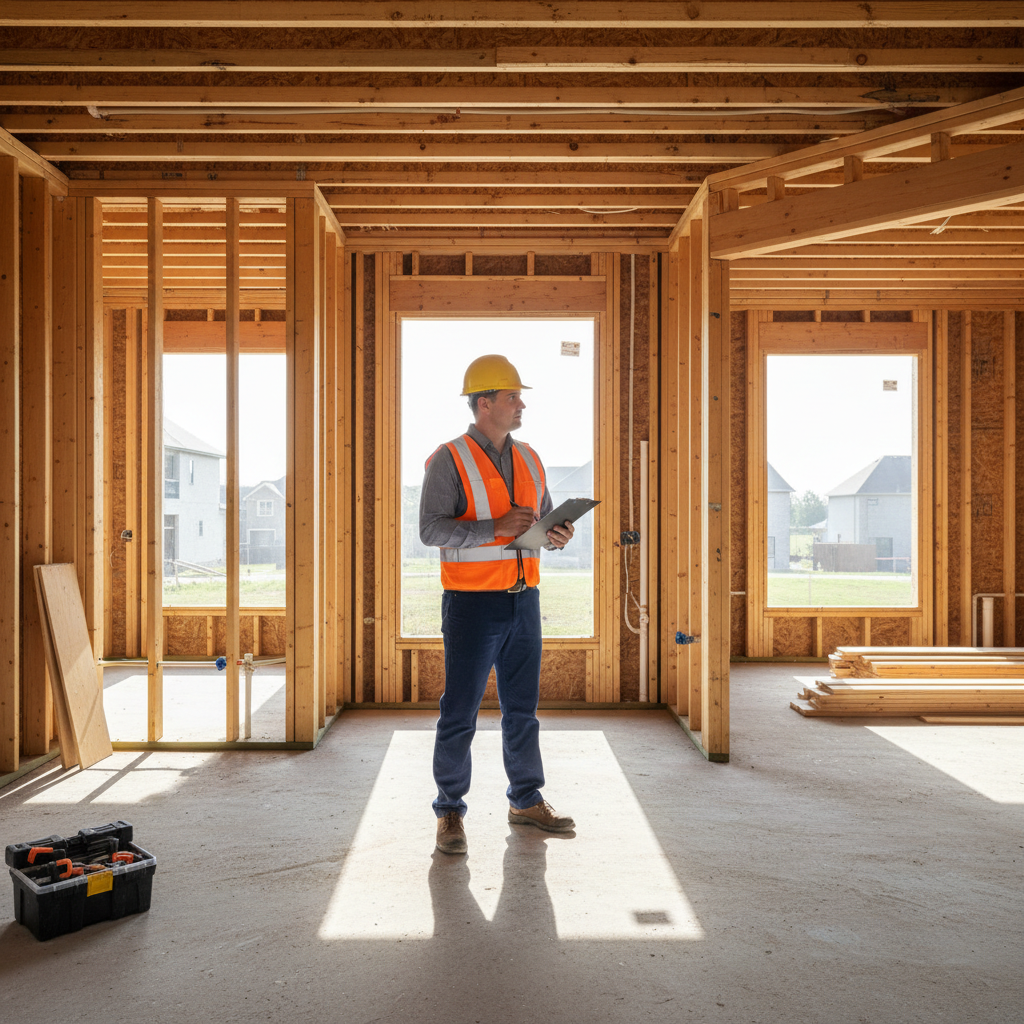
A new home inspector evaluates recently built houses for safety, workmanship, and code-adjacent best practices before you move in. The goal is to catch defects early—ideally before drywall or within the builder’s warranty window—so fixes are simple and documented. In Suite 2000 and across the Toronto area, ASM Home & Commercial Inspection delivers this clarity with same-day PDF reports.
By Asmhomeinspection • Last updated: May 28, 2026
Start Here: What you’ll learn in this complete guide
Use this guide to understand how a new construction inspection works, when to schedule it (pre-drywall, final, and 11-month), and what a qualified new home inspector checks. You’ll also get checklists, a comparison table, local tips for Toronto builds, and a simple way to book an inspection with same-day reporting.
This article is your single, practical playbook for new construction quality control. We wrote it for GTA buyers, sellers, and real estate pros who want less risk and faster decisions.
- What a new home inspector actually does—and why it matters
- When to schedule: pre-drywall, final, and 11‑month warranty checks
- How inspections flow, step-by-step, with what’s included
- Best practices to avoid delays and missed defects
- Checklists, tools, and a printable walk-through plan
- Mini case studies from Toronto-area projects
Local considerations for Suite 2000
- Seasonal moisture swings: Toronto’s freeze-thaw cycles and humid summers make moisture testing and air sealing critical in attics, basements, and window openings.
- Busy handover windows: Builder closings cluster in late spring and fall. Book inspections early to align with framing, insulation, and final walkthrough milestones.
- Multi-trade projects: Large GTA sites run many trades at once. Plan inspections when utilities are live for full HVAC, electrical, and plumbing checks.
Overview
A new construction inspection is an independent quality review of a newly built home. It typically happens at three moments: pre-drywall, final walkthrough, and around 11 months for a warranty check. Independent findings help you secure timely builder corrections, documented in a same-day report.
In our experience inspecting GTA new builds, the most preventable issues start with water, ventilation, and electrical protection. Early detection keeps small fixes small and protects finishes you haven’t even moved into yet.
For a fast start, see our main services hub at Asmhomeinspection and tap New Construction Inspections to coordinate your site schedule.
What is a new home inspector?
A new home inspector is a certified professional who evaluates construction quality, safety, and system performance in recently built houses. They verify visible structure, building envelope, electrical, plumbing, HVAC, and interior finishes—documenting defects so your builder can correct them before or shortly after move‑in.
A qualified new home inspector offers an unbiased, system-by-system review. For ASM clients in Toronto and the broader GTA, our emphasis is on structural alignment, moisture control, electrical safety devices, proper HVAC sizing and airflow, and workmanship that matches plans and specifications.
- Scope: Structure, roof and attic, exterior envelope, insulation and ventilation, doors/windows, plumbing, electrical, HVAC, interior finishes, stairs/railings, garage, and foundational drainage patterns.
- Timing: Pre-drywall (framing and mechanical rough-ins), Final walkthrough (occupancy-ready), and 11‑month builder warranty inspection.
- Deliverable: A same-day PDF report with photos, plain-language notes, and prioritized recommendations—available from Asmhomeinspection.
Self-contained answer: A new home inspector provides a third-party quality check on a just-built house, focusing on safety, function, and workmanship. Inspections happen before walls close, at handover, and near month eleven, giving you leverage to secure warranty fixes and move in with confidence.
Why new home inspections matter (even on brand-new builds)
New homes still develop defects because many trades work fast on tight timelines. Independent inspections catch moisture paths, ventilation gaps, missing protection devices, and finish flaws early—so builders can correct issues before they grow into warranty claims or occupant headaches.
Here’s the thing: new doesn’t mean perfect. Coordination gaps, weather delays, and last-minute substitutions all create risk. We routinely find items like reversed polarity on receptacles, unsealed attic penetrations, missing anti-tip brackets on ranges, and bathroom fans not vented to the exterior. None feel major today—but they can become expensive and inconvenient later.
- Moisture is relentless: Small leaks, unsealed penetrations, or compressed insulation can lead to condensation and surface mold if left unaddressed.
- Air and heat balance: Unbalanced ducts reduce comfort and strain equipment; early airflow checks help the system run as designed.
- Electrical protection: Proper GFCI/AFCI protection reduces shock and ignition risks; missing devices are common punch-list items.
- Warranty leverage: A clear report helps you request timely corrections within the builder’s warranty period.
For a deeper primer on electrical safety concepts, see this accessible electrical inspection guide to better understand the purpose of protective devices during a new build review.
How a new construction inspection works (step-by-step)
A new construction inspection follows a structured path: schedule access, review plans, walk exterior drainage, evaluate structure and envelope, test electrical/plumbing/HVAC, verify life-safety features, and document every finding with photos. The result is a same-day PDF report you can share with your builder.
When you book through Asmhomeinspection, we coordinate timing with your site milestones. Below is the high-level flow we use across GTA projects.
- Confirm the stage: Pre-drywall, final, or 11‑month warranty.
- Review documents: Plans, builder standards, site rules, and any change orders.
- Exterior sweep: Grading, downspouts, wall penetrations, flashing, garage, and steps/railings.
- Structure & envelope: Framing alignment, sheathing, housewrap, insulation coverage, attic baffles, vapor management.
- Electrical: Panel labeling, bonding, GFCI/AFCI protection, fixture operation, receptacle tests.
- Plumbing: Visible supply and drain leaks, fixture function, water heater setup, backflow/air gaps where visible.
- HVAC: Airflow at registers, thermostat function, condensate management, combustion air (where applicable).
- Interior: Doors, windows, stairs, railings, floors, walls, cabinets, and finish defects.
- Life safety: Smoke/CO alarms, garage fire separation details, egress, handrail returns.
- Report: Same-day PDF with photos and prioritized next steps.
Self-contained answer: The inspection is a systematic top-down review aligned to the build stage, from exterior drainage to life-safety devices. Every observation is photographed and explained in a same-day report so your builder knows exactly what to fix and why.
Types of new construction inspections (and when to book)
Book three touchpoints: a pre-drywall inspection for framing and rough-ins, a final walkthrough inspection for occupancy readiness, and an 11‑month warranty inspection to document anything that surfaced after move‑in. This cadence protects structure, systems, and finishes throughout the first year.
Each stage reveals different issues. Here’s a quick comparison you can share with your builder or agent.
| Inspection Type | When It Happens | Primary Goals | Common Findings |
|---|---|---|---|
| Pre-drywall | After framing/rough-ins, before insulation and drywall | Verify structure, mechanicals, air sealing, and penetrations | Unsealed top plates, missing firestops, notched studs, misrouted vents |
| Final walkthrough | Just before occupancy/closing | Test fixtures, safety devices, doors/windows, finishes | GFCI/AFCI gaps, reversed polarity, sticky windows, missing caulk/trim |
| 11‑month warranty | Around month eleven of builder warranty | Document wear-in issues and seasonal movement | Drywall cracks, door misalignment, attic condensation, grading settlement |
We often pair the pre-drywall and final visits, then set a reminder for your 11‑month check so nothing slips past the warranty window. You can coordinate all three through our inspection hub.
What a new home inspector looks for on site
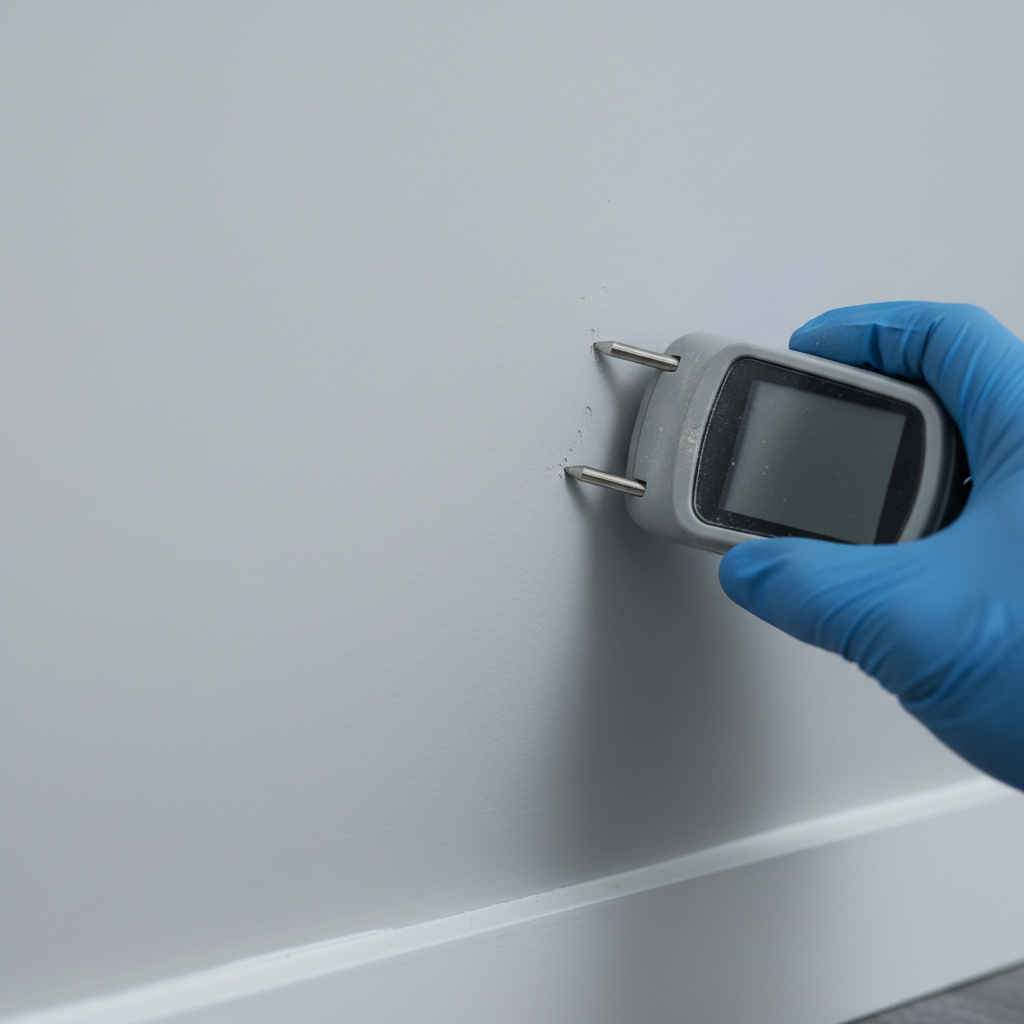
Inspectors look for water entry paths, missing safety protections, airflow imbalances, structural irregularities, and finish defects. They test representative outlets and fixtures, scan attics and basements for insulation and moisture issues, and verify doors, windows, and stairs operate safely and smoothly.
While every site is different, the priorities are consistent: keep water out, vent moisture properly, protect circuits where people live and bathe, and confirm that structure and finishes align with plans.
- Envelope & moisture: Flashing and sealant at penetrations, properly lapped housewrap, attic baffles at eaves, bathroom fan terminations, and visible foundation drainage patterns.
- Electrical safety: GFCI in wet areas, AFCI in living spaces, proper breakers, neutral/ground integrity, and panel labeling that matches circuits.
- HVAC & comfort: Supply/return balance, condensate routing, filter access, and thermostat function; draft and airflow patterns near key rooms.
- Interior fit & finish: Door clearances, window operation, handrail returns, stair uniformity, cabinet anchoring, and trim/caulk continuity.
- Garage & life safety: Fire separation details where visible, self-closing features where applicable, and CO/smoke alarm presence at required locations.
Self-contained answer: On site, a new home inspector prioritizes moisture control, safety protections, ventilation, and workmanship. They test representative systems, verify visible structure and insulation, and document any item that could reduce safety, comfort, durability, or code-aligned best practices.
Best practices: how owners and agents get the most value
Book early, align with build milestones, and share your plans and change orders. Be present for the walkthrough if possible, take notes, and send the report to your builder the same day. This keeps teams accountable and ensures fixes land before closing or within warranty terms.
- Schedule against milestones: Pre-drywall after mechanical rough-ins; final once utilities are live; 11‑month before the warranty ends.
- Share documents: Elevations, electrical/lighting plans, finish schedules, and any post-contract changes.
- Be present (or send your agent): Real-time context helps you prioritize items that matter most to your family.
- Circulate the report fast: Send your same-day PDF to the builder and request a written correction plan.
- Verify corrections: Keep a running punch list and photograph fixes; ask for receipts for trade returns where relevant.
Need help organizing your punch list? Our inspection team embeds a sortable summary so you can delegate items to the right trade quickly.
Tools and resources you can use (checklists included)
Bring a simple checklist, blue painter’s tape, a notebook, and your phone camera. During pre-drywall, focus on structure, penetrations, and mechanical rough-ins. At final, test windows, doors, outlets, faucets, and appliances. At 11 months, look for seasonal shifts like drywall cracks and attic condensation.
Below is a compact walk-through checklist you can copy into a note. It complements the same-day PDF you’ll receive from Asmhomeinspection.
- Pre-drywall focus: Straight studs, firestops, sealed top/bottom plates, baffles at eaves, bathroom fan ducts to exterior, no crushed insulation paths.
- Final walkthrough focus: GFCI/AFCI protection, hot/cold orientation, sink drains, toilet stability, window locks/latches, door sweep seals, stair/railing security.
- 11‑month focus: Settlement cracks, grading at foundation, attic frost/condensation signs, garage fire separation details where visible, door alignment.
For broader due diligence context around property transactions, you can review this plain-language guide on purchase due diligence, which aligns with the idea of documenting conditions and timelines clearly.
Pricing factors (without numbers): what actually drives inspection scope
Inspection investment is shaped by property size, complexity, and the number of visits (pre-drywall, final, 11‑month). Add-ons like thermal scans or extra outbuildings also affect scope. Book early to lock dates that align with your builder’s schedule and reduce re-visits.
While we don’t discuss pricing here, it helps to know what influences the effort:
- Stage count: One, two, or three visits (pre-drywall, final, warranty).
- Square footage & layout: Larger or more complex footprints need more time.
- Systems & features: Secondary suites, EV chargers, gas appliances, or unique ventilation strategies expand checks.
- Access & utilities: Full testing is easiest when power, water, and gas are on.
- Location & scheduling: Coordinating with multi-trade sites may require tighter time windows.
If you want to discuss scope for your specific build, share your plans with our team via our main site. We’ll map inspection timing to your construction milestones.
Free walk-through template (copy/paste)
- Kitchen: Run hot/cold at all faucets; verify GFCI near sinks.
- Bathrooms: Check fan to exterior; confirm caulk/grout continuity.
- Electrical: Test representative outlets, verify AFCI resets at panel.
- HVAC: Feel supply/return airflow; inspect condensate routing.
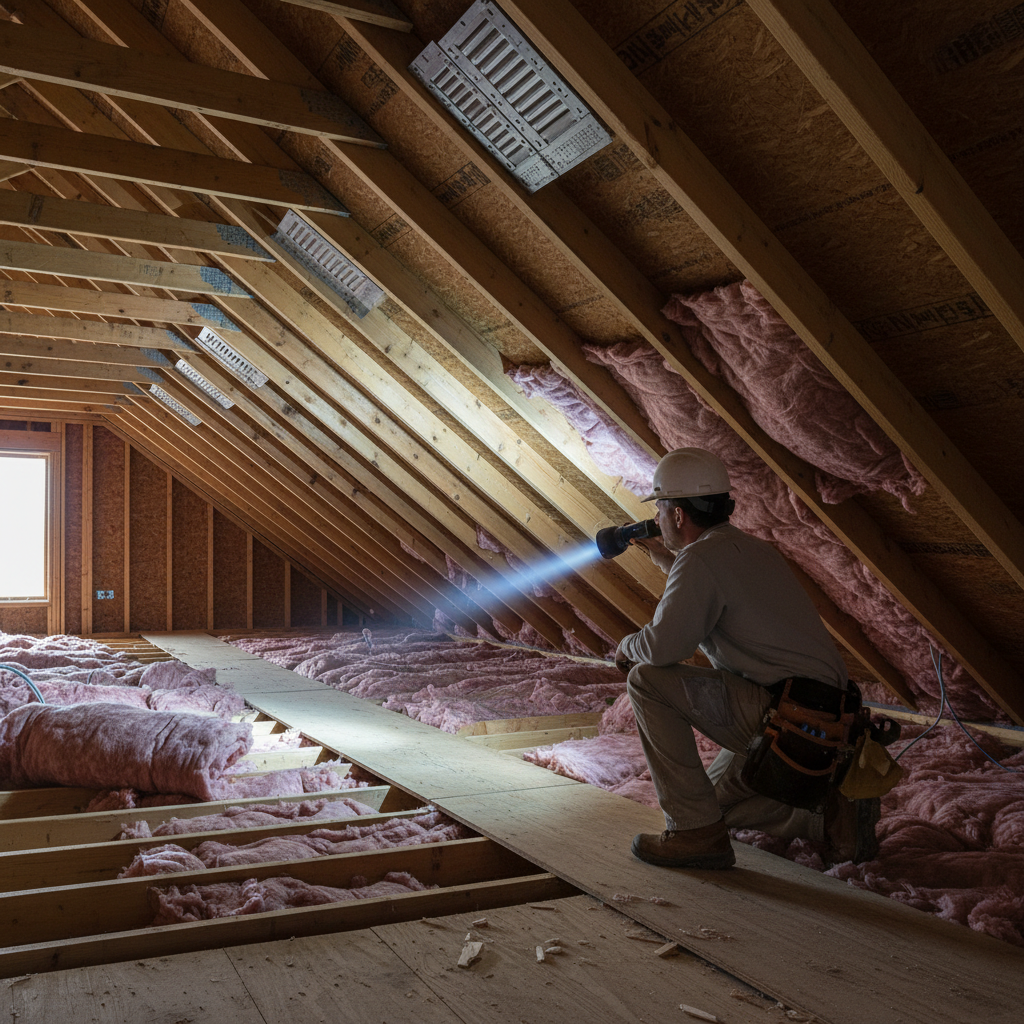
- Attic: Look for baffles at eaves; scan for daylight at penetrations.
- Exterior: Downspouts extend away; soil slopes from foundation.
Pair this with your same-day PDF to keep trades on track.
Case studies: three quick GTA examples
Real inspections show why early checks matter. In three GTA new builds, targeted reviews stopped attic condensation, corrected missing safety devices, and documented settlement-related door binding—each resolved within warranty after our report.
Toronto—Townhome final walkthrough: We flagged missing GFCI protection near a laundry sink and a reversed hot/cold at a bathroom faucet. The builder returned the next day, corrected devices, and confirmed orientation. Our same-day PDF made the punch list unambiguous.
Mississauga—Pre-drywall check: Bathroom fans terminated in the attic rather than to exterior. We identified routing changes, added baffles at the eaves, and sealed top plates. Post-fix infrared scan showed improved thermal consistency along the ceiling plane.
Brampton—11‑month warranty: Seasonal movement caused minor drywall cracking and a sticking patio door. We documented locations, recommended hinge adjustments and re-caulking, and the builder completed repairs within the warranty window.
Want a similar outcome? Coordinate your stages through our inspection hub so we can align with your builder’s schedule.
How to choose the right new home inspector
Choose an inspector with recognized certifications, clear reporting, and proven new-construction experience. Look for same-day reports with photos, liability coverage, and scheduling that matches your builder’s timeline. Local expertise in Toronto’s climate and building practices is a major advantage.
- Credentials: Residential and commercial certifications demonstrate broader system knowledge that benefits complex builds.
- Report quality: Photo-rich, prioritized, plain language; delivered the same day.
- Builder coordination: Inspectors who plan around pre-drywall, final, and 11‑month windows help you avoid delays.
- Local insight: Familiarity with GTA weather patterns, ventilation practices, and common trade errors.
- Insurance & professionalism: Clear scope agreements and responsive communication.
Explore our approach and credentials at Asmhomeinspection—we serve homeowners, agents, and investors across the GTA with residential and commercial expertise.
Frequently asked questions (FAQ)
These brief answers cover timing, attendance, and what’s included. Each response is designed for quick decisions and smooth builder coordination. For anything project-specific, share your plans with us and we’ll map ideal inspection windows.
When should I schedule a new home inspection?
Book three moments: pre-drywall (after rough-ins), a final walkthrough before closing, and an 11‑month warranty check. This timeline reveals issues when fixes are easiest and ensures anything that surfaces after move‑in is documented within the warranty window.
Do I need to attend the inspection?
Attendance isn’t required, but it helps. You can ask questions in real time, mark cosmetic items with tape, and prioritize what matters to your family. Either way, you’ll receive a same-day PDF report with photos and clear next steps.
What does a new home inspector check?
Inspectors review structure, envelope, electrical, plumbing, HVAC, and finishes. They also verify life-safety items such as smoke/CO alarms and stair/railing details. Moisture control and ventilation get special attention in Toronto’s variable climate.
Will my builder allow an independent inspection?
Most builders cooperate with reasonable scheduling and access. Share your inspection dates early, confirm utilities are on for the final check, and route the same-day report to the builder so each trade knows what to correct.
Can an inspection delay closing?
Inspections don’t have to delay closing. When booked early and aligned with site milestones, they speed things up by preventing last-minute surprises. The photo-rich report makes it easier for builders to assign punch-list items quickly.
Ready to book your new build inspection?
Share your construction stage and handover target. We’ll align your pre-drywall, final, and 11‑month checks, then deliver a same-day PDF report you can hand straight to your builder.
Start with our GTA services hub at Asmhomeinspection. We serve homeowners, agents, and investors with certified residential and commercial expertise.
Key takeaways and next steps
Protect your new build with three inspections: pre-drywall, final, and 11‑month. Focus on moisture, ventilation, electrical protection, and finish quality. Use a clear, photo-rich report to secure timely builder corrections and move in with confidence.
- Plan the cadence: Pre-drywall → Final → 11‑month warranty.
- Prioritize water and airflow: Control moisture; vent properly.
- Verify life-safety devices: Test GFCI/AFCI and alarms.
- Document everything: Share the same-day PDF with the builder.
- Book early: Lock dates that align with rough-ins and utilities-on.
For more context on common inspection themes in the region, browse peer examples on this regional inspection post feed. It’s a useful complement to your report when discussing fixes with trades.
Schedule in Suite 2000 and across Toronto
Tell us your construction stage and target handover. We’ll schedule inspections at the right moments and deliver a same-day PDF with clear, prioritized actions for your builder.
Book your session with Asmhomeinspection. We inspect across the GTA with certified expertise in residential and commercial properties.