
A NACHI certified home inspector is a residential and commercial inspection professional accredited through InterNACHI to evaluate property systems for safety, function, and longevity. Certification confirms standardized training, field practices, and ethics. For Suite 2000 buyers and sellers, working with a certified pro reduces risk, speeds negotiations, and supports confident decisions.
By Asmhomeinspection • Last updated: 2026-06-27
Above the Fold: Why This Guide Matters + What You’ll Find
Use this guide to understand what an InterNACHI/“NACHI” certified home inspector does, why certification matters in Suite 2000, and how inspections work step by step. You’ll get hiring checklists, comparison insights, local tips, and real-world examples—so you can move forward with confidence.
This expert guide is designed for homebuyers, sellers, investors, and real estate pros who want a practical, field-tested playbook.
- What “NACHI certified home inspector” really means and how it helps you
- How inspections work: roof to foundation, attic to basement
- When to order pre-purchase, pre-listing, new construction, or annual inspections
- Hiring checklists, ethics, and standards (InterNACHI/CCPIA)
- Comparison: InterNACHI vs. other credentials
- Tools we use in the field (moisture meters, IR, GFCI testers)
- Case studies from Suite 2000 and a soft CTA to plan your next step
Overview
A certified InterNACHI inspector brings standardized training, on-the-job assessment methods, and ethical requirements to every inspection. The result: fewer surprises, faster closings, and clearer repair planning for Suite 2000 buyers, sellers, and investors.
Asmhomeinspection specializes in residential and commercial inspections across the GTA, with same-day PDF reports that make complex findings easy to act on.
- Residential scope: roof, attic, structure/foundation, plumbing, electrical, HVAC, interiors, exteriors
- Commercial scope: apartments/condos, retail/restaurants, schools/hospitals, worship centers, warehouses, manufacturing, offices, hospitality, fueling, storage/industrial
- Report delivery: same-day PDF with photos and prioritized recommendations
What Is a NACHI Certified Home Inspector?
A NACHI certified home inspector is trained and accredited by InterNACHI to inspect homes against proven standards. Certification requires education, exams, and adherence to a code of ethics—giving Suite 2000 clients standardized, defensible reporting.
“NACHI” is shorthand many people use for InterNACHI—The International Association of Certified Home Inspectors. Certification signals that an inspector meets education and field performance thresholds and follows a defined Standards of Practice and Code of Ethics.
- Standards of Practice: What gets inspected, how it’s evaluated, and how findings are documented
- Code of Ethics: Impartiality, client-first duty, and conflict-of-interest safeguards
- Continuing education: Ongoing coursework that keeps techniques and safety knowledge current
Asmhomeinspection pairs InterNACHI certification for homes with CCPIA certification for commercial properties. That dual credentialing lets us apply proven residential practices and commercial-level rigor across varied property types in Suite 2000.
Why Certification Matters in Suite 2000
Certification reduces risk and uncertainty. It aligns your inspection with recognized standards, helps negotiations move faster, and supports long-term maintenance planning—especially important in competitive Suite 2000 transactions.
Here’s why certified matters when stakes are high and timelines are tight.
- Negotiation clarity: Standardized reporting turns vague defects into actionable items you can prioritize.
- Disclosure confidence: Sellers can list with fewer surprises by addressing material issues ahead of time.
- Risk reduction: Moisture intrusion, electrical safety defects, and structural concerns are identified with process discipline.
- Post-close planning: Maintenance and safety items are outlined so you can budget work in phases.
We see the same pattern again and again in Suite 2000: when clients use a certified inspector, disputes shrink and the path to closing smooths out. That’s because every recommendation ties back to a method—not guesswork.
Local considerations for Suite 2000
- Ask for attic inspection photos that show insulation depth and ventilation pathways; seasonal humidity swings here can elevate condensation risks.
- Schedule exterior reviews after heavy rain or snowmelt when possible; drainage patterns become more obvious.
- For condos and mixed-use buildings, coordinate access to mechanical rooms early to keep your same-day reporting on track.
How an InterNACHI/CCPIA Inspection Works (Step by Step)
Inspections follow a repeatable route: intake, exterior, roof/attic, structure, electrical, plumbing, HVAC, interiors, and reporting. Each step documents safety, function, and condition—then delivers a same-day PDF with photos and prioritized actions.
While every property is unique, a disciplined sequence ensures nothing critical gets missed.
- Intake and scope: We confirm goals (pre-purchase, pre-listing, new construction, move-in, annual) and any areas of concern.
- Exterior envelope: Siding, grading, gutters/downspouts, soffits, porches/decks, garage. We look for moisture pathways, trip hazards, and safety issues.
- Roof and attic: Coverings, flashing, penetrations, ventilation, insulation depth, and signs of leaks.
- Structure/foundation: Visible framing, floors/walls/ceilings, cracks, heaving, settlement indicators.
- Electrical: Service entry, panel, bonding/grounding, representative receptacles, GFCI/AFCI devices, basic safety indicators.
- Plumbing: Supply/drain lines, fixtures, functional flow, water heater basics, evidence of active leaks.
- HVAC: Furnace/air handler basics, condenser or heat pump, distribution, filtration, observed performance.
- Interiors: Doors, windows, stairs/railings, bathrooms/kitchens, visible finishes that tell a story about moisture and movement.
- Reporting: Same-day PDF: photo-rich, prioritized, and written in plain language.
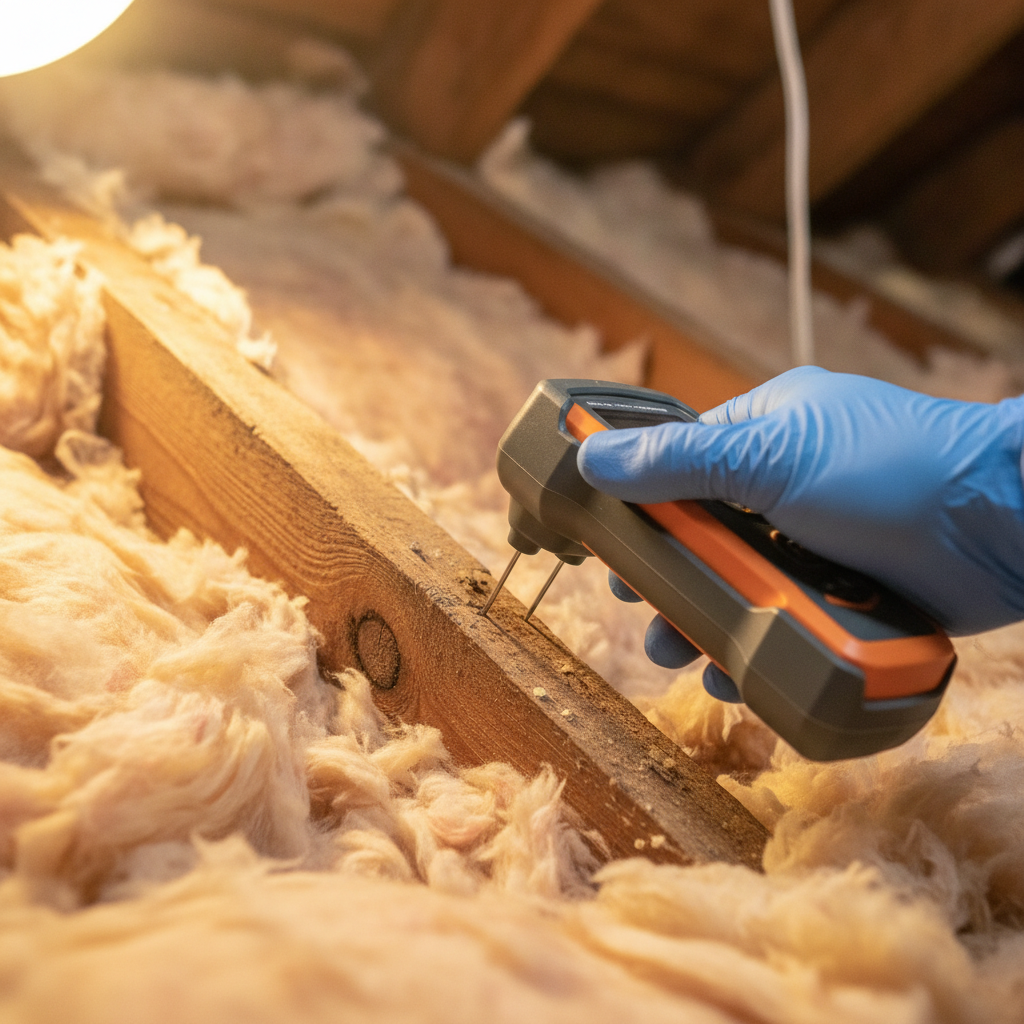
Throughout, we use tools to validate observations—without being invasive. Think moisture meters to confirm suspected leaks or an IR scan to spot thermal anomalies that merit closer review.
Types of Inspections We Perform
Asmhomeinspection covers residential and commercial needs: pre-purchase, pre-listing, new construction, move-in, and annual maintenance inspections—each mapped to InterNACHI/CCPIA standards with same-day PDF reports.
Different goals call for different scopes. Here’s how we align services with your situation in Suite 2000.
- Pre-purchase inspection: Due diligence for buyers. Prioritizes safety, major defects, and systems near end of life.
- Pre-listing inspection: Prepares the property for market, giving sellers time to correct or disclose issues.
- New construction inspection: Independent eyes on workmanship, basic safety, and punch-list quality.
- Move-in inspection (rentals): Document condition at key handoff to minimize disputes later.
- Annual maintenance inspection: A preventive snapshot that catches small problems before they grow.
Within each, we evaluate the core systems: roof, attic, structure/foundation, plumbing, electrical, HVAC, interiors, and exteriors. For commercial properties, CCPIA protocols extend that rigor across apartments/condos, retail/restaurants, schools/hospitals, worship facilities, warehouses/manufacturing, offices, hospitality, fueling stations, and storage/industrial spaces.
Best Practices for Hiring a NACHI-Certified Pro
Hire confidently by verifying certification, reviewing sample reports, understanding scope limits, and aligning on timelines. In Suite 2000, confirm access logistics early so the inspector can deliver a same-day PDF without delays.
Use this quick checklist to make sure you’re engaging the right expert.
- Verify credentials: Confirm InterNACHI certification for homes and CCPIA for commercial, when relevant.
- Read a sample report: Look for clear photos, plain language, and prioritized actions.
- Discuss scope: Standards of Practice define what is and isn’t included; ask about any add-ons you need.
- Set timing expectations: Coordinate entry and utilities so the full inspection can proceed uninterrupted.
- Clarify communication: Ask how the inspector prefers to walk you through key findings.
For electrical checklists that illustrate safety priorities, you can review a general overview like this electrical inspection guide and compare the concepts to what your inspector will evaluate across panels, devices, and representative circuits.
Tools and Resources Used in Modern Inspections
Modern inspections pair visual expertise with tools like moisture meters, infrared cameras, outlet testers, thermometers, and borescopes. The tools confirm or refute suspicions quickly, keeping your Suite 2000 report evidence-based.
Tools don’t replace experience—they enhance it. We deploy instruments strategically so your report isn’t built on hunches.
- Moisture meters (pin and pinless): Verify suspected leaks at ceilings, around tubs/showers, and beneath windows.
- Infrared (IR) cameras: Reveal temperature anomalies that can indicate missing insulation or concealed moisture.
- GFCI/AFCI testers: Check protective devices where water and electricity might meet (kitchens, baths, exteriors).
- Thermometers and hygrometers: Help interpret HVAC performance and relative humidity patterns.
- Borescopes: Provide limited views into tight or concealed spaces when warranted.
If you’d like more context on safety priorities around electrical systems, here’s a readable electrical inspection overview that mirrors what a careful home inspection will identify and explain.
Comparison: InterNACHI vs. Other Credentials
InterNACHI focuses on residential standards and continuing education; CCPIA specializes in commercial properties. Other associations and licensing regimes exist, but InterNACHI/CCPIA pairing ensures broad, current coverage for most Suite 2000 needs.
Credentials aren’t identical. Use this table to understand how common pathways compare conceptually. Always verify your specific inspector’s current standing.
| Pathway | Residential Focus | Commercial Focus | Standards & Ethics | Continuing Education |
|---|---|---|---|---|
| InterNACHI ("NACHI") | Strong | Moderate | Defined, inspector-client first | Robust, ongoing |
| CCPIA | Moderate | Strong | Defined, commercial emphasis | Robust, ongoing |
| State/Provincial License | Varies by jurisdiction | Limited in some regions | Legal baseline | Varies |
| Other Associations | Varies by org | Varies | Varies | Varies |
Asmhomeinspection holds InterNACHI and CCPIA credentials, bringing both perspectives to each assignment.
Public directories also offer quick views into inspector profiles; here’s a representative inspector listing example to see how experience and services are summarized for consumers.
Attic, Moisture, and Why Small Details Matter
Attic inspection reveals insulation depth, ventilation, and leak history—often the earliest warnings of moisture problems. Getting this right protects indoor air quality, energy performance, and roof longevity for Suite 2000 homeowners.
We emphasize attic inspection because it often tells the clearest story about heat flow and hidden moisture. Small anomalies—stained sheathing, compressed insulation, or blocked baffles—are early signals worth addressing.
- Ventilation patterns: Balanced intake/exhaust helps control heat and humidity.
- Insulation depth and continuity: Gaps and compression reduce R-values and can drive condensation.
- Leak tracing: Subtle staining or fungal growth often points directly to flashing or fastener issues above.
When we pair an IR scan with a moisture meter check, we can often confirm whether a dark attic mark is thermal bridging or active moisture. Your same-day report will show annotated photos and a clear recommendation path.
Case Studies and Real-World Examples
Real inspections in Suite 2000 show the value of certified, same-day reporting: clearer negotiations, targeted fixes, and fewer surprises at closing. These brief scenarios illustrate what we routinely see.
Buyer pre-purchase: A single-family home showed ceiling stains under a valley. Our attic inspection found insufficient ventilation and minor flashing defects. Moisture readings were low—no active leak—so the buyer negotiated targeted roof maintenance and improved ventilation, not a full replacement.
Seller pre-listing: A townhouse had GFCI protection missing at a kitchen island. We documented it with photos and a simple remedy description. The seller corrected the issue before listing, reducing buyer objections.
New construction: We noted reversed polarity at an outlet and a misaligned handrail bracket. The builder addressed both before walkthrough, avoiding post-close punch-list friction.
Commercial (retail/restaurant): We observed clogged roof drains and inadequate door closers. The CCPIA-modeled report prioritized safety and water management, helping ownership schedule quick fixes before a seasonal rush.

Checklists You Can Use Right Now
Bring this to your next showing: confirm roof/attic, structure, electrical safety devices, plumbing leaks, and HVAC basics. A fast, structured pass helps you spot red flags before making big commitments.
- Exterior/roof: Gutters clear, downspouts discharging away, roof penetrations flashed, attic vents unobstructed.
- Structure/interior: Door sticking patterns, new cracks, sloped floors near mid-span, stair/railing security.
- Electrical: Representative GFCI operation in baths/kitchen/garage/exterior.
- Plumbing: Active drips at traps, water heater age/label, water pressure consistency.
- HVAC: Filter condition, airflow at registers, thermostat response.
These aren’t a substitute for a full inspection, but they’ll sharpen your eye. For a comprehensive review grounded in InterNACHI/CCPIA standards, schedule a formal inspection.
How to Book—and What to Expect from Asmhomeinspection
Booking is simple: share property details, choose your scope, and set a time. We inspect systematically and deliver a same-day PDF with photos, plain-English narratives, and prioritized next steps for Suite 2000 clients.
Our process is tuned for tight timelines and clear decisions:
- Share your property type and goals (buyer, seller, investor, new build, rental).
- We confirm logistics and access so systems can be tested and spaces entered.
- On-site inspection following InterNACHI/CCPIA standards.
- Verbal walk-through of key findings when possible.
- Same-day PDF report with photos and prioritized actions.
Explore our services and credentials any time on the Asmhomeinspection website.
Need a Certified Perspective?
If you want an evidence-based inspection that supports strong negotiations, schedule with a certified InterNACHI/CCPIA inspector. You’ll get clarity fast—without guesswork.
Soft CTA: Ready to move forward? Reach out to our team to align scope and timing for your Suite 2000 property. We’ll handle the details and keep your transaction moving.
Frequently Asked Questions
These quick answers address the most common questions Suite 2000 clients ask about NACHI-certified inspectors, inspection scope, timelines, and reporting.
What does a NACHI certified home inspector check?
A certified inspector evaluates major systems: roof and attic, structure/foundation, electrical, plumbing, HVAC, interiors, and exteriors. The goal is to document safety, function, and condition, then deliver a same-day PDF with photos and prioritized recommendations for action.
How long does a typical inspection take?
Time varies by property size and access. Most single-family inspections fit within a half day, including on-site review and your verbal summary when possible. Your photo-rich PDF typically arrives the same day to keep decisions on schedule.
Is the inspection invasive or damaging?
No. InterNACHI and CCPIA Standards of Practice define a visual, non-invasive process. Tools like moisture meters and infrared cameras help confirm concerns without opening walls or removing finishes, unless special arrangements are made.
Do you inspect condos and commercial spaces?
Yes. We perform residential condo inspections and certified commercial inspections across many property types, mapping our work to CCPIA standards and tailoring the report to the building’s unique systems and risks.
Conclusion: Key Takeaways and Next Steps
Choosing a NACHI certified home inspector aligns your transaction with proven standards, faster reporting, and clearer decisions. In Suite 2000, that edge can make the difference between stress and confidence.
- Certification counts: InterNACHI/CCPIA bring structure, ethics, and current training.
- Evidence beats hunches: Moisture meters, IR, and testing tools confirm issues.
- Attic matters: Early moisture clues protect comfort, air quality, and roofs.
- Right service, right time: Pre-purchase, pre-listing, new build, move-in, or annual—each has a role.
- Same-day clarity: Photo-rich PDFs support fast, fair negotiations.
Have a property in Suite 2000? Book a certified inspection with Asmhomeinspection and move forward with confidence.