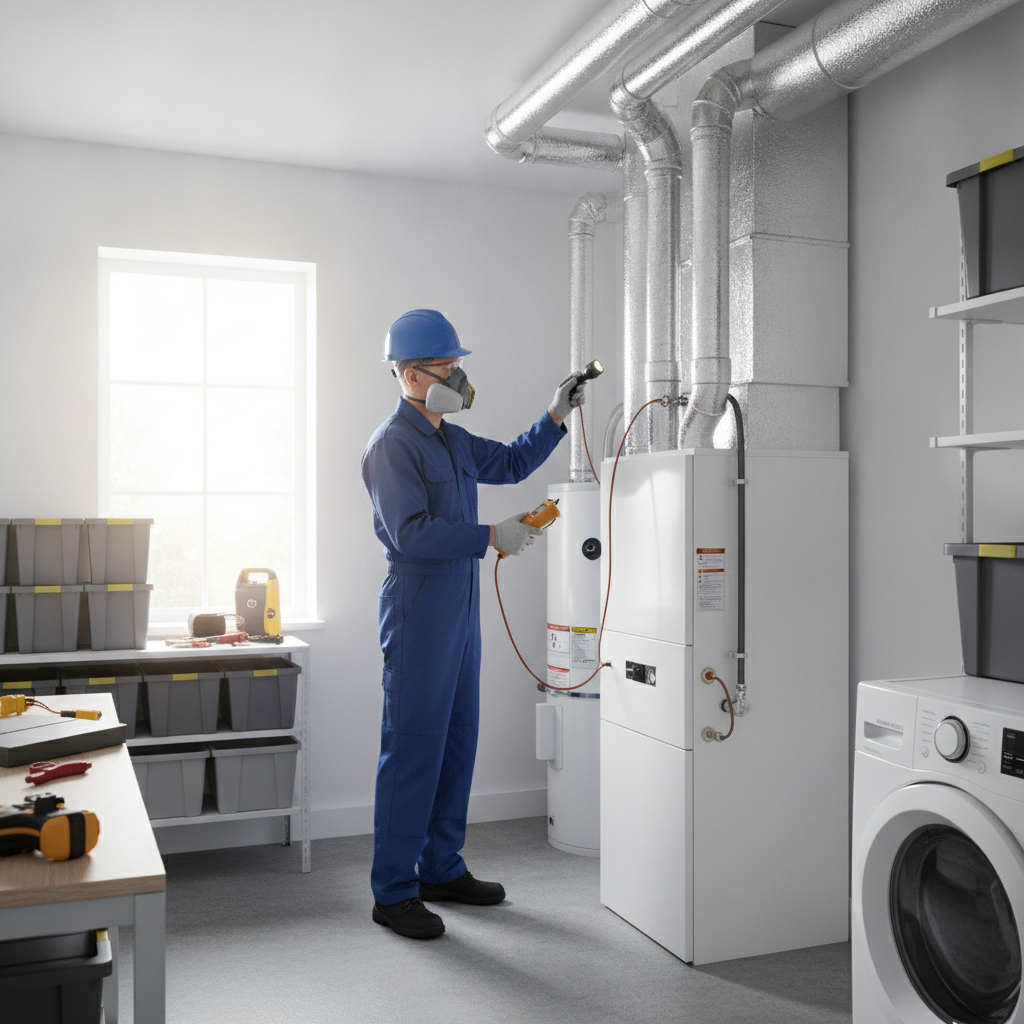
An HVAC inspector is a trained professional who evaluates heating, ventilation, and air conditioning systems for safety, performance, and remaining service life. A thorough inspection documents issues before they become expensive failures. For buyers and property owners around Suite 2000 in the Greater Toronto Area, this evaluation reduces risk and informs smarter maintenance decisions.
By Asmhomeinspection • Last updated: 2026-06-12
Above the fold: hook and table of contents
Buying or managing a property? A focused HVAC inspection can reveal safety hazards, costly inefficiencies, and near-term repair risks before you sign or settle. Use this guide to understand scope, steps, and best practices, then book a certified inspection for a same-day PDF report across the GTA.
This complete guide shows you what a professional looks for, when to escalate to licensed HVAC service, and how to act on findings fast.
- What an HVAC inspector actually does and does not do
- Why HVAC findings sway negotiations and long-term costs
- Step-by-step walkthrough of a residential and light commercial inspection
- Best practices to hire confidently in the GTA
- Tools, resources, and real examples from local properties
Prefer to speak with a certified pro now? Explore our residential inspections and book a visit that includes HVAC in the scope.
- Quick Summary
- What Is an HVAC Inspector?
- Why HVAC Inspections Matter
- How HVAC Inspections Work
- Types of HVAC Inspections
- Best Practices for Hiring
- Tools and Resources
- Case Studies and Examples
- Pricing and Value
- FAQ
- Conclusion & Next Steps
Quick summary
An HVAC inspection evaluates heating/cooling equipment, airflow, refrigerant components, safety controls, and maintenance history. Inspectors identify visible defects and performance red flags, then recommend next steps. Buyers and owners use the report to negotiate, plan repairs, and prevent surprise breakdowns.
Here’s the essence: the inspection flags safety issues, efficiency loss, and nearing end-of-life parts. Expect visual checks, functional testing where accessible, and thermal/airflow readings when conditions allow. Typical homeowner tasks post-inspection include filter changes every 1–3 months and clearing condensate drains seasonally.
- Safety checks look for cracked heat exchangers, blocked flues, and improper wiring.
- Efficiency clues include dirty coils, low airflow, and thermostat miscalibration.
- Lifecycle indicators: furnaces often last 15–25 years; AC condensers 10–15 years; heat pumps 12–15 years, with variation by care and usage.
What is an HVAC inspector?
An HVAC inspector assesses heating, ventilation, and air conditioning systems for safety, performance, and visible defects. The role is to document conditions, estimate remaining service life, and recommend repairs or specialist follow-up—especially before a property purchase or seasonal change.
At ASM Home & Commercial Inspection, HVAC is a standard part of our system-by-system evaluation alongside roofing, structure, plumbing, and electrical. We serve homebuyers, sellers, investors, landlords, and commercial owners across the GTA, delivering a same-day PDF report to accelerate decisions.
- Scope: Furnaces/boilers, air handlers, condensers/heat pumps, ductwork, vents, thermostats, visible wiring, gas lines, and drainage components.
- Limits: Non-invasive. We don’t disassemble sealed components or perform refrigerant handling. When needed, we recommend a licensed HVAC technician for invasive diagnostics.
- Documentation: You receive photos, plain-language notes, and priority ratings that inform negotiations and maintenance planning.
In our experience, clear HVAC findings reduce post-closing surprises. That’s why our same-day report highlights what to fix now versus monitor over time.
Why HVAC inspections matter for buyers and owners
HVAC issues are among the top drivers of comfort complaints, energy waste, and emergency calls. A pre-purchase or annual inspection exposes hidden risks—like carbon monoxide hazards, clogged drains, and compromised airflow—so you can act before they escalate.
Here’s why this matters: heating and cooling typically represent a significant share of a building’s energy use. Dirty filters alone can cut airflow, elevate system strain, and shorten equipment life. Moisture from a blocked condensate line can damage floors or ceilings, while a cracked heat exchanger may pose serious safety risk if not addressed promptly.
- Comfort & IAQ: Balanced airflow helps even out hot/cold spots and supports better indoor air quality.
- Longevity: Routine maintenance—filters every 1–3 months, coil cleaning annually—can extend equipment lifespan by multiple seasons.
- Negotiation power: Buyers use documented defects to seek concessions or request repairs as part of closing conditions.
We’ve found that pairing HVAC insights with our roof, plumbing, and electrical notes gives clients a 360° view of immediate needs versus strategic upgrades. Explore our broader scope on the ASM Home & Commercial Inspection site to see how whole-home context drives better decisions.
How an HVAC inspection works (step-by-step)
A professional HVAC inspection follows a structured path: interview, visual survey, functional checks, measurements where safe, and clear reporting. The goal is to confirm safe operation, spot red flags early, and outline actions you can take immediately.
- Pre-brief: We ask about age, service history, comfort issues, and recent repairs.
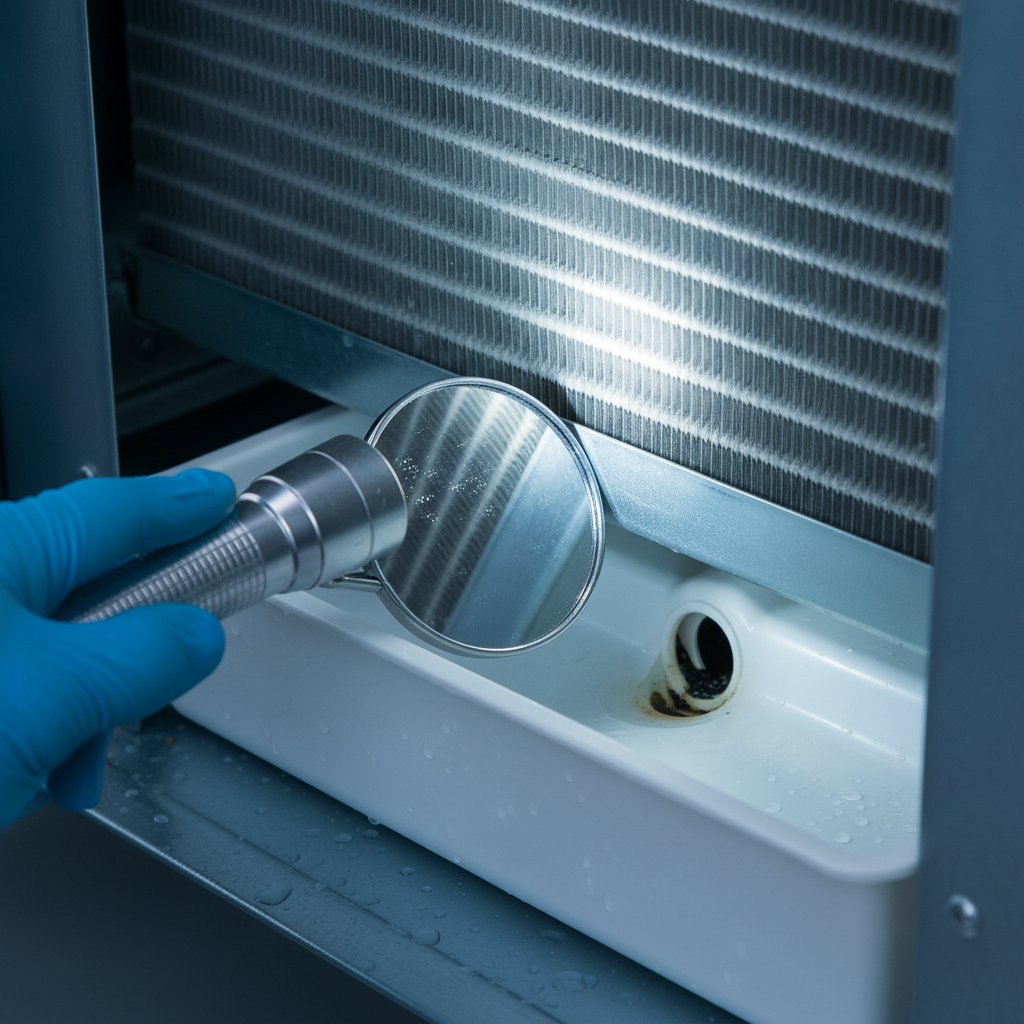
- Visual survey: Inspect furnace/boiler, air handler, condenser/heat pump, evaporator coil, drain pan/line, ductwork, vents, and thermostat placement.
- Operation checks: Run heating/cooling when conditions allow; verify ignition cycles, blower performance, and temperature split.
- Safety items: Look for gas leaks, improper flue slope, rust at burners, damaged wiring, or inadequate combustion air.
- Readings: Take temperature differentials; observe pressure readings if accessible; note amperage draw trends where appropriate.
- Reporting: Photograph concerns, prioritize items (safety/repair/monitor), and recommend any licensed HVAC follow-up.
Seasonal reality check: running air conditioning below roughly 60°F outdoor temperature risks compressor damage; heating checks are often more feasible in cooler months. Your report will clearly state any weather-related limitations.
Want the whole-home picture with HVAC included? See our GTA home inspection services to book a certified visit with a same-day PDF summary.
Types of HVAC inspections
Choose the inspection type that matches your goal: pre-purchase due diligence, pre-listing preparation, new construction quality review, rental move-in documentation, or annual maintenance planning. Each path emphasizes safety, performance, and clear next steps.
Residential pre-purchase
- Validates safe operation and highlights near-term replacements or repairs.
- Pairs with roof, structure, plumbing, and electrical to support offer strategy.
- Delivers a same-day PDF so you can keep negotiations moving.
Pre-listing (seller)
- Surfaces issues you can fix or disclose ahead of showings.
- Reduces last-minute surprises that derail deals.
- Builds buyer trust with documented maintenance.
New construction / builder warranty
- Checks thermostat placement, return air sizing, duct sealing, and condensate routing.
- Flags workmanship concerns while warranty coverage is active.
- Helps hold trades accountable with photographic evidence.
Move-in (landlords/tenants)
- Documents baseline HVAC condition for future comparisons.
- Encourages proper filter schedules and care from day one.
- Limits disputes by time-stamping equipment condition.
Annual maintenance planning
- Confirms airflow, refrigerant-side components, and safety controls before peak season.
- Supports a proactive service calendar with fewer emergencies.
- Aligns with our annual home maintenance inspection focus for whole systems.
Best practices for hiring an HVAC inspector in the GTA
Hire a certified inspector with HVAC scope, proven reporting quality, and fast turnaround. Verify credentials, sample reports, scheduling availability, and whether they coordinate with licensed HVAC technicians when deeper diagnostics are required.
- Credentials that matter: InterNACHI (residential) and CCPIA (commercial) signal professional standards for property inspections that include HVAC components.
- Inspection sample: Review a redacted PDF sample for clarity, photos, and plain-language recommendations.
- Turnaround time: Same-day reporting helps buyers and agents meet tight timelines.
- Coordination: For invasive diagnostics or refrigerant work, ensure a licensed HVAC contractor is recommended.
- Local experience: GTA seasons stress equipment differently; look for inspectors who understand winter heating loads and summer humidity.
When you’re ready, book a home inspection that includes a full HVAC check in the overall scope. We serve single-family homes, condos, and a wide range of commercial spaces.
Tools and resources an HVAC inspector uses
Inspectors rely on basic electrical testers, thermometers, hygrometers, manometers, mirrors, flashlights, and cameras. The aim is to observe operation, document deficiencies, and provide actionable next steps without invasive disassembly.
- Core tools: Infrared thermometers for supply/return temperature split; hygrometers for humidity; manometers for basic pressure checks; anemometers for airflow trends.
- Visual aids: Inspection mirrors, borescopes for accessible cavities, and bright flashlights for burner/coil assessment.
- Documentation: High-resolution photos with arrows/annotations in the final report for clarity.
- Homeowner learning: For additional reading on seasonal maintenance, browse this HVAC-focused blog to see practical system care topics.

We package these observations in a same-day PDF report so your team can prioritize safety, comfort, and efficiency improvements right away.
Case studies and examples (GTA scenarios)
Real inspections translate data into decisions. These short scenarios show how HVAC findings inform negotiations, maintenance planning, and tenant comfort across common GTA property types.
Detached home, buyer’s pre-purchase
- Finding: Evaporator coil with heavy debris and a partially clogged condensate trap; weak temperature split.
- Impact: Reduced cooling performance and elevated risk of moisture overflow during peak summer.
- Action: Recommend cleaning, trap service, and re-test; buyer negotiated a seller credit for maintenance before closing.
Condo suite, seller pre-listing
- Finding: Fan coil unit with filter overdue and thermostat placement near a heat source.
- Impact: Short cycling and uneven temperatures across rooms.
- Action: Relocate thermostat, replace filter, and document improvements in the listing package.
Retail space, annual maintenance planning
- Finding: Rooftop unit with worn belt and visible rust around the burner compartment.
- Impact: Likelihood of in-season failure and IAQ complaints.
- Action: Prioritize belt replacement and burner compartment service; establish quarterly filter schedule due to dust load.
These examples mirror what we document in our property-wide inspections—fast, photo-rich, and organized by priority so you can act without delay.
Pricing and value (what to expect, no surprises)
Pricing varies by property size, system complexity, and scope. Focus on value: certified expertise, clear documentation, and rapid turnaround. A quality inspection often pays for itself by preventing emergency calls and informing smarter negotiations.
- Scope matters: Multi-system homes or mixed-use buildings require more time and detail.
- Deliverables: A same-day PDF with photos, priorities, and recommendations is standard for our clients.
- Add-ons: Some properties benefit from pairing HVAC checks with roof, electrical, and plumbing assessments for a complete picture.
- Comparisons: For a general sense of inspection topics, see this unit turnover inspection guide as a cross-discipline perspective.
DIY vs. professional: where each fits
| Aspect | DIY Homeowner Checks | Professional HVAC Inspection |
|---|---|---|
| Safety | Change filters; keep vents clear; listen for unusual noises. | Combustion safety, flue slope, gas/wiring issues, heat exchanger/red flags. |
| Performance | Basic thermostat tests; vacuum return grills. | Temperature splits, airflow trends, coil/condensate assessment, duct condition. |
| Documentation | Personal notes and receipts. | Photo-rich report with priorities and next steps the same day. |
| Escalation | Call a contractor when comfort drops. | Targeted referrals to licensed HVAC techs for invasive diagnostics and repairs. |
Local considerations for Suite 2000
- Winter loads are demanding in the GTA. Schedule heating checks before cold snaps to verify ignition, venting, and airflow.
- Summer humidity can overwhelm condensate systems. Clear traps and verify drains at the start of cooling season.
- High-traffic rentals need tighter filter schedules. Document baseline at move-in to set expectations for care.
FAQ: HVAC inspector and home purchase decisions
These quick answers help buyers, sellers, landlords, and commercial owners understand how an HVAC inspection supports safer, smarter property decisions in the GTA.
What does an HVAC inspector check during a home inspection?
They assess heating and cooling equipment, ductwork, vents, thermostats, and visible safety controls. Inspectors run systems when conditions allow, note temperature splits, and document defects with photos. If specialized diagnostics or refrigerant handling are needed, they recommend a licensed HVAC technician.
Do I need a separate HVAC contractor if I already have a home inspection?
Often, no. A certified home inspector covers HVAC components as part of the standard scope. If they find red flags—like suspected refrigerant issues, unsafe combustion, or abnormal amperage draw—they’ll advise follow-up with a licensed HVAC contractor for invasive testing or repairs.
How long does an HVAC inspection take?
It depends on property size and system complexity. In most homes, the HVAC portion fits into a standard inspection window. Multi-system or commercial properties can take longer. You’ll receive a same-day PDF report that clearly states any weather or access limitations.
What maintenance should I plan after purchase?
Replace filters every 1–3 months, clear returns, keep outdoor condensers free of debris, and service coils and drains annually. Test thermostats seasonally and ensure supply/return vents aren’t blocked by furniture. Your inspection report will prioritize any repairs to handle first.
Conclusion and next steps
An HVAC inspector helps you reduce risk, plan maintenance, and negotiate smarter—whether you’re buying, selling, or managing property. The fastest wins usually come from safety fixes, airflow improvements, and moisture control.
- Key takeaways:
- HVAC inspections flag safety hazards, inefficiencies, and end-of-life parts early.
- Seasonal timing matters—verify heating before winter and cooling before summer.
- Use the report to prioritize repairs, then maintain filters and drains on schedule.
- Action steps:
- Schedule a comprehensive inspection that includes HVAC, roof, plumbing, and electrical.
- Plan filter changes every 1–3 months and coil/drain service annually.
- For homeowner shopping, explore common parts and tools at this HVAC supplies page to understand components you’ll see referenced.
Ready to move forward? Contact ASM Home & Commercial Inspection to schedule a certified, photo-documented inspection anywhere in the GTA. We’ll deliver a same-day PDF report so you can decide with confidence.