
You spot a yellow ceiling stain after a hard rain. A proper house roof inspection is how you confirm if it started at the shingles, flashing, gutters, or in the attic. In Suite 2000 and across the GTA, freeze–thaw cycles and spring windstorms punish roofs, so catching small issues early prevents bigger headaches inside.
By Asmhomeinspection • Last updated: 2026-07-11
| Service area | Greater Toronto Area (GTA), including Suite 2000 |
|---|---|
| Credentials | InterNACHI (residential) and CCPIA (commercial) |
| Deliverable | Same-day PDF inspection report with annotated photos |
| Core services | Residential & Commercial; Pre‑Purchase, Pre‑Listing, New Construction, Move‑In, Annual Maintenance |
| Scope we inspect | Roof, attic, gutters/downspouts, soffits, structure, plumbing, electrical, HVAC |
Suite 2000 seasonal tip
After the first deep freeze, check your eaves for icicles forming behind the gutter line. That often points to blocked soffits or thin attic insulation. We tie roof findings to attic airflow on every inspection and include those photos in the same‑day report.
Overview
Start on the ground with optics, confirm drainage at the eaves, then inspect the attic for moisture and airflow. Document each finding with photos and locations. If you see active leaks, sagging sheathing, or complex flashing, book a certified inspection for a full roof‑to‑attic diagnosis the same day.
- System view: roof, gutters, and attic work together—problems rarely live in one spot.
- GTA focus: ice dams at eaves, wind‑lifted shingle tabs, and low‑slope ponding on additions.
- Deliverable: photo‑annotated PDF with risk ratings and maintenance plan.
- Next step: If your DIY scan raises concerns, schedule a certified inspection for a clear plan.
What a House Roof Inspection Actually Covers
A complete inspection reviews roof covering, flashing at walls and chimneys, penetrations, gutters/downspouts, and the attic’s insulation and ventilation. The objective is to pinpoint water entry, confirm airflow, and flag safety risks so you can prioritize fixes before interior damage multiplies.
In our experience across the GTA, roof trouble usually hides in the transitions—not the middle of a slope. We give extra attention to valleys, step flashing on brick, and penetrations.
- Roof covering (surface): asphalt shingle granule loss, curled tabs, exposed nails, membrane blisters on low‑slope areas.
- Flashing & penetrations: step, counter, and valley flashing; chimney counterflashing; pipe boots; skylight curbs.
- Drainage: gutter attachment and pitch; clear downspouts that discharge away from the foundation.
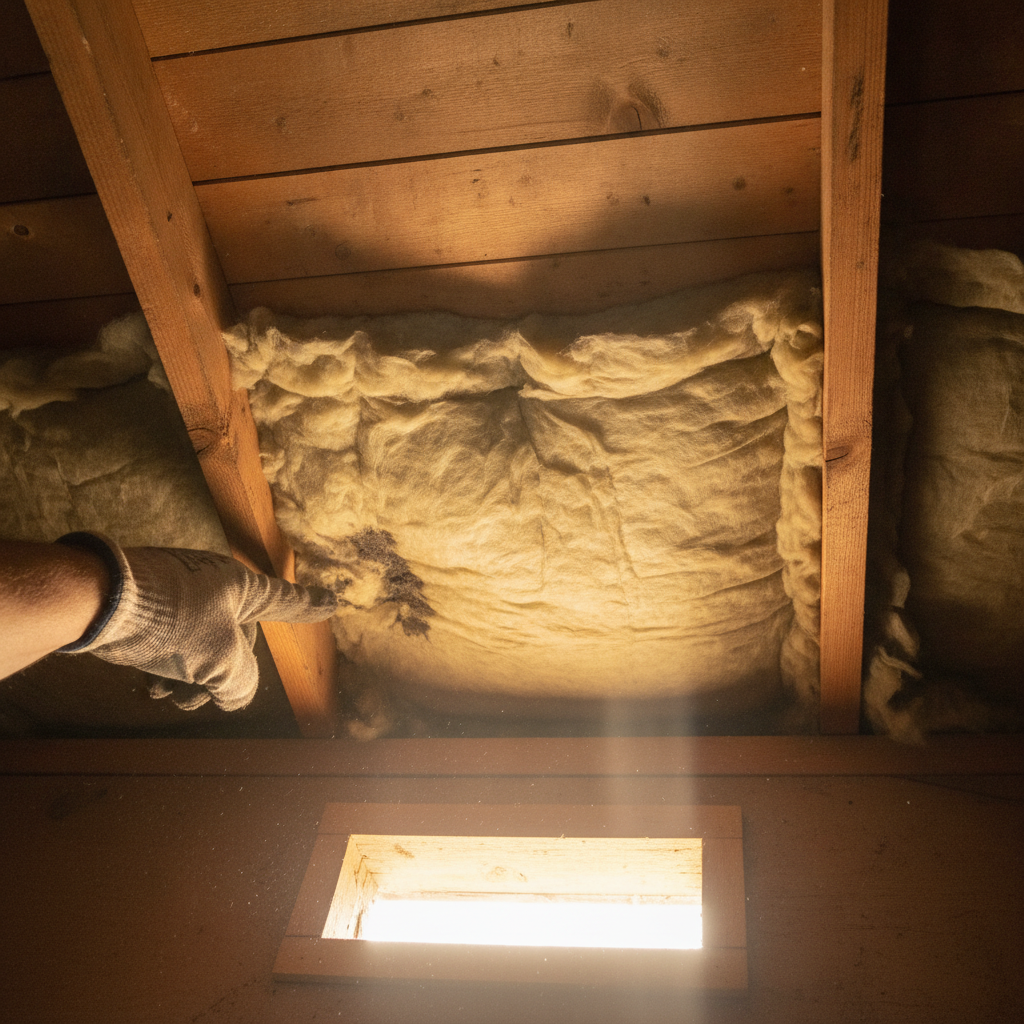
- Attic: insulation depth and continuity, soffit/ridge vent flow, daylight leaks, and moisture staining.
We connect findings across systems. If downspouts discharge too close to the house, we also reference our structure and basement observations. If attic airflow is restricted, we expand the attic inspection and include HVAC ventilation checks when household fans vent into the attic.
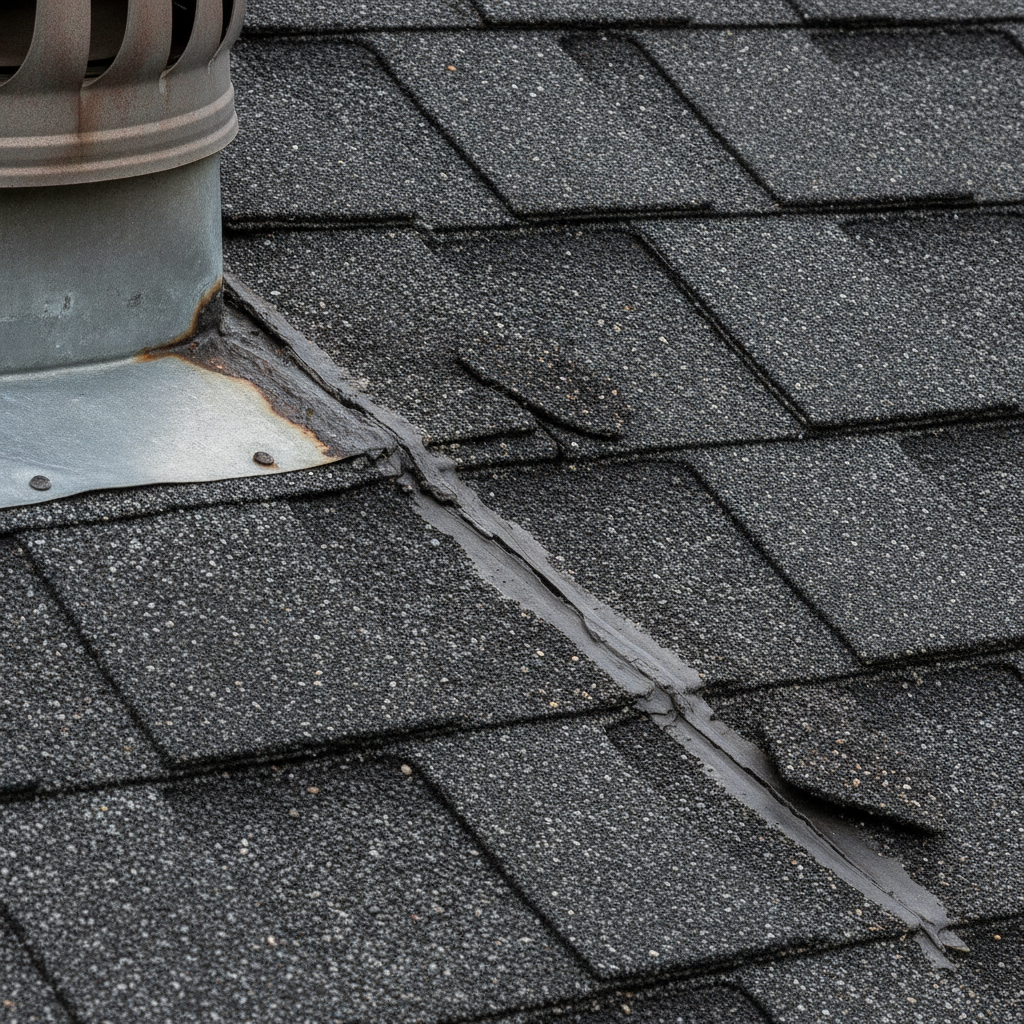
Prerequisites Before You Start (Safety + Tools)
Stay off steep, wet, or icy roofs. Use binoculars and a zoom camera from the ground, and enter the attic with PPE and lighting. If you see active leakage, structural sag, or electrical hazards, stop and book a certified inspection for a documented plan.
Safety first
- Ground‑based triage: Most issues are visible with optics; ladders add fall risk.
- Avoid hazards: skip brittle shingles, snow, or algae‑slick surfaces.
- Two‑person rule: have a spotter when accessing the attic or using a ladder for eaves‑level photos.
Tools that reveal more
- Optics: 8x–10x binoculars and a phone with zoom for defect photos.
- Lighting: headlamp/flashlight for attic sheathing corners and baffles.
- Moisture meter: targeted readings on stained sheathing or ceilings.
- PPE: gloves, eye protection, and a dust mask for attic work.
Documenting upkeep helps with insurance questions during claims reviews. See a practical Ontario checklist that stresses keeping maintenance records: home insurance checklist.
How to Inspect Your Roof from the Ground: Step-by-Step
Work clockwise around the home, scan each slope and transition, confirm gutter flow, and finish in the attic. Photograph defects and note locations. If you find active leaks, gaps in flashing, or sagging, book a certified inspection for a same‑day, photo‑rich report.
- Back up and scan: view ridges, valleys, and penetrations with binoculars; note irregular lines.
- Assess shingles: look for curling tabs, missing shingles, exposed fasteners, and heavy granule loss at downspouts.
- Check flashing: focus on step flashing at walls and chimneys; watch for rust, gaps, or dried sealant.
- Verify gutters: confirm secure hangers, even pitch to downspouts, and extensions that move water away from the foundation.
- Review soffits: make sure vents aren’t painted over or blocked; birdscreens intact.
- Enter the attic: look for daylight leaks, damp insulation, frost marks after cold snaps, and adequate insulation coverage.
- Decide next steps: map issues, then book a certified roof & attic inspection if anything suggests active water entry.
What you see and what it means
| Observation | Meaning | First action |
|---|---|---|
| Granules at downspouts | Accelerated shingle wear | Photograph and request professional review |
| Rusty or gapped step flashing | Leak path at wall‑roof joint | Don’t caulk over; schedule repair evaluation |
| Ponding on low‑slope | Improper slope or clogged drains | Clear debris; get pro assessment |
| Frost or stains in attic | Restricted airflow or indoor air leaks | Check soffit/ridge vents; expand attic inspection |
Common Roof Problems Found in GTA Homes
Our most frequent GTA findings: wind‑lifted shingles, ice dam damage at eaves, and ponding on low‑slope additions. Many start with blocked soffits or short downspouts. Early documentation prevents ceiling damage, wet insulation, and framing decay.
- Ice dam patterns: on semi‑detached houses with shared soffits, warm attic air melts snow that refreezes at the eaves; look for shingle edge cupping and interior stains near exterior walls.
- Wind uplift: spring gusts break adhesive bonds on older shingles; lines look wavy and tabs lift at corners.
- Flat‑roof ponding: common on 1960s‑era additions; water remains after 48 hours of fair weather, stressing membranes and seams.
- Brick chimney transitions: dried mastic at counterflashing and missing step flashing cause slow leaks; we prioritize these repairs.
- Gutter overshoot: intense downpours overwhelm undersized gutters; we recommend added downspouts and longer extensions.
Local considerations for Suite 2000
- After a deep freeze, pop into the attic at midday; frost patterns on sheathing reveal airflow gaps along eaves.
- During spring winds, walk the yard for shingle tabs or piles of granules—early clues of surface wear.
- In humid stretches, confirm bath and kitchen fans exhaust outdoors, not into the attic space.
Moisture and airflow inside the home affect roof performance. A local HVAC overview discusses summer humidity and airflow challenges many GTA homes share: Toronto AC guide.
When DIY Isn’t Enough: What a Professional Checks
A certified inspection ties roof, exterior, and attic evidence into one diagnosis. Expect ladder‑level views where safe, moisture readings, and a prioritized action plan. We deliver a same‑day PDF with photos, risk ratings, and maintenance intervals.
- Integrated scope: roof surface, flashings, gutters/downspouts, attic ventilation and insulation, and visible structure.
- Verification: targeted moisture readings on stained sheathing or ceilings to confirm active leaks.
- Priorities: safety and active leaks first, then preventive maintenance with timelines.
- Clarity: what you can monitor vs. what needs a roofer; we include photos and plain‑language notes.
We’re direct about common mistakes. Painting over soffit vents, caulking over failed flashing, or venting bathrooms into the attic doesn’t solve water entry—it hides it. If you need roofer support, browse a sample directory profile for context on trade scopes like this regional roofing listing.
Want one report that explains it all? Book a certified inspection. We connect roof, attic, gutters, and structure—and send a same‑day PDF you can share with your agent or property manager.
Roof Inspection Value in Toronto (No Pricing)
A documented roof‑to‑attic inspection supports negotiations, prevents moisture damage, and helps with insurance questions. The best value is a certified, system‑wide review with photo evidence and clear priorities—not a quick glance at shingles.
- Pre‑purchase & pre‑listing: we standardize findings so both sides can make decisions with facts, not guesswork.
- Annual maintenance: clients in Suite 2000 often schedule every fall before the first hard freeze to head off ice dams.
- Moisture control: early fixes protect insulation R‑value and framing.
- Documentation: our same‑day PDF organizes photos by system with recommendations you can act on.
If roof issues connect to other risks, we can expand to plumbing and electrical checks and HVAC inspection during the same visit for one cohesive plan.
Frequently Asked Questions
These answers cover timing, scope, and reporting so you know what to expect from a certified GTA roof‑to‑attic inspection and how DIY scans fit into the picture.
How often should I schedule a house roof inspection?
Plan for an annual inspection, plus a check after major wind or ice events. DIY scans help, but a certified inspection documents the roof surface and attic together with photos, moisture readings, and clear next steps.
Can I assess roof conditions without climbing on it?
Yes. Use binoculars from the ground and confirm evidence in the attic. Avoid steep, wet, or icy roofs. If you see sagging sheathing, gaps in flashing, or active leakage, book a certified inspection for a full diagnosis.
What should a good report include?
Wide shots of each slope, close‑ups of defects, flashing and gutter details, and attic photos showing insulation and any staining. Our reports add risk ratings, maintenance timelines, and plain‑language recommendations you can act on.
Do attic problems really affect the roof surface?
Absolutely. Blocked soffits and missing baffles trap warm, moist air that drives ice dams and premature shingle wear. That’s why we always include an attic inspection with roof reviews.
Key takeaways
- Start on the ground, finish in the attic; the roof is a system, not a single part.
- Suite 2000 and GTA homes face ice dams, wind uplift, and low‑slope ponding—watch transitions.
- Certified inspections give you photos, priorities, and one plan across roof, attic, and drainage.
- Same‑day PDF reporting helps you move fast and avoid secondary damage.
About the author: Asmhomeinspection is an InterNACHI and CCPIA certified inspection provider serving the GTA. We deliver residential and commercial inspections—including roof, attic, structure, plumbing, electrical, and HVAC—with same‑day PDF reports.
Ready for a certified roof‑to‑attic review? Book your inspection. We serve Suite 2000 and the broader GTA with rapid, photo‑documented reporting.