
House purchase inspection is a comprehensive, pre-purchase evaluation of a home’s major systems and structure to reveal safety hazards and defects before you close. It documents roof-to-foundation issues so you can negotiate repairs or walk away. In Suite 2000, working with a certified inspector helps you make a confident, informed decision.
By Asmhomeinspection • Last updated: 2026-06-23
Overview and Table of Contents
Use this complete guide to plan a house purchase inspection from first call to final report. You’ll learn what inspectors check, how long it takes, what red flags to watch for, and how to use the report to negotiate. Includes checklists, examples, and local tips for buyers in Suite 2000.
Buying a home is exciting—and risky if you can’t see what’s behind the walls. This guide is built for first-time and seasoned buyers who want a practical edge.
- What a house purchase inspection includes (and what it doesn’t)
- How inspections work step-by-step with real timelines
- Critical red flags: roof, attic, foundation, plumbing, electrical, HVAC
- How to read a same-day PDF report and act on it fast
- When to choose pre-purchase vs. pre-listing vs. new construction
- Local considerations for Suite 2000 buyers
At a Glance
- Primary goal: Reduce risk before you sign.
- Deliverable: A written inspection report with photos and recommendations.
- Coverage: Roof to foundation plus interior systems.
- Timing: Typically scheduled during your conditional period.
- Action: Use findings to renegotiate, request repairs, or proceed confidently.
What Is a House Purchase Inspection?
A house purchase inspection is a visual evaluation of a home’s structure and major systems performed before closing. It identifies safety issues, defects, and maintenance items so buyers can negotiate or plan repairs. Inspectors produce a written report with photos and clear recommendations.
In our experience serving buyers across the GTA, the strongest outcomes come from a thorough, system-by-system review. ASM Home & Commercial Inspection examines the roof, attic, structure/foundation, plumbing, electrical, HVAC, and interior elements. The objective is clarity, not perfection.
What’s typically included
- Structure and foundation: Signs of settlement, cracks, moisture, and framing defects.
- Roof and attic: Shingle condition, flashing, ventilation, insulation, and water intrusion.
- Exterior: Siding, grading, gutters/downspouts, decks, steps, and railings.
- Interior: Walls, floors, ceilings, doors, windows, stairs, and handrails.
- Plumbing: Visible supply and drain lines, fixtures, water heater basics.
- Electrical: Service entrance, panel condition, breakers, receptacles, visible wiring.
- HVAC: Furnace and air conditioning operation and observed condition.
What’s outside the scope
- Invasive testing (opening walls), code compliance certifications, or engineering analysis.
- Specialty testing (mold, radon, sewer scopes) unless arranged separately.
- Cosmetic preferences that don’t affect function or safety.
Because visual inspections don’t predict the future, your best protection is a certified professional, a well-documented report, and a clear plan for next steps.
Why It Matters Before You Buy
A house purchase inspection reduces buyer risk. It surfaces safety hazards and expensive defects before you’re locked in, giving you leverage to renegotiate, request repairs, or walk away. The report becomes your playbook for near-term fixes and long-term maintenance.
Here’s the thing: surprises after closing are stressful. We’ve seen hidden attic leaks, outdated electrical panels, and deteriorated foundations change a buyer’s plan overnight. An inspection de-risks your decision so your money—and time—go further.
- Safety first: Identifies shock, fire, and fall hazards (e.g., faulty GFCIs, loose railings).
- Moisture matters: Water is unforgiving. Early detection prevents rot, mold conditions, and structural damage.
- Negotiation power: Documented defects support credits or repairs from the seller.
- Planning advantage: Understand expected service life for roofs, furnaces, and AC units.
- Insurance readiness: Clean, photo-rich reports simplify insurer questions about condition.
When working with clients near Suite 2000, timing is tight. That’s why we deliver a same-day PDF report, so agents and buyers can respond inside their conditional window without guesswork.
How a Pre-Purchase Inspection Works
Pre-purchase inspections follow a structured path: schedule during your conditional period, attend the walkthrough, get a same-day PDF report, then discuss next steps with your agent. Use the findings to negotiate repairs, ask for credits, or plan maintenance.
Step-by-step process
- Reserve your slot: Coordinate access with your agent and the seller. Aim for daylight for better visibility.
- On-site walkthrough: We move roof-to-foundation, documenting conditions with photos and notes.
- Buyer briefing: We summarize material findings on-site in plain language and answer your questions.
- Same-day PDF report: You receive a digital report with photos, summaries, and prioritized recommendations.
- Action review: Meet with your agent. Decide whether to renegotiate, request repairs, or proceed.
Your role during the inspection
- Attend if you can. Ask practical questions about safety and maintenance priorities.
- Flag past leaks or repairs you’ve noticed. Context helps us focus.
- Take notes on must-do items versus can-wait maintenance.
We’ve found that buyers who attend and engage get the most value. You’ll see defects firsthand and understand why they matter, which makes negotiation and future upkeep much easier.
What Inspectors Check, Room by Room
Inspectors evaluate structure, roof, attic, exterior, plumbing, electrical, HVAC, and interiors. We document defects, safety issues, and maintenance items with photos. The goal is a clear picture of condition so you can act with confidence.
Roof and exterior
- Roof covering: Shingle wear, missing tabs, exposed fasteners, flashing at penetrations.
- Drainage: Gutters and downspouts, grading that slopes away from the home.
- Exterior safety: Loose steps, railings, or deck boards.
Attic and ventilation
- Insulation coverage: Even depth without gaps; signs of compression or disturbance.
- Ventilation: Soffit and ridge vent balance; blocked baffles reduce air movement.
- Moisture clues: Staining, rusted nails, mold-like growths, or damp sheathing.
Attic issues are a top risk driver. Our attic inspection focus complements the pillar topic of attic inspection—catching minor ventilation or leak issues before they become structural concerns.
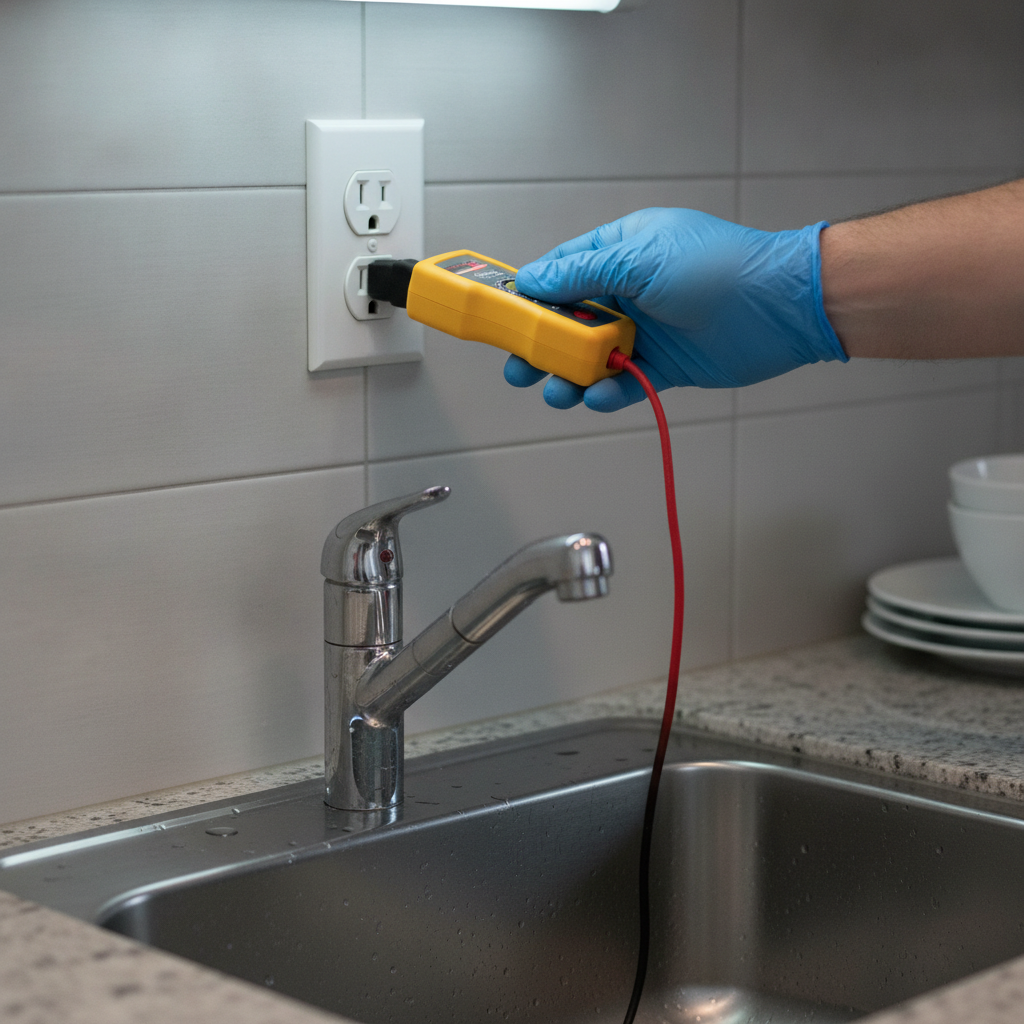
Electrical
- Service and panel: Amperage, labeling, double-taps, corrosion, bonding, and grounding.
- Protection devices: GFCI/AFCI presence where appropriate; test functionality at accessible points.
- Receptacles and switches: Polarity, damage, loose devices, and cover plate security.
Plumbing
- Supply and drains: Visible leaks, corrosion, unsupported runs, and trap configuration.
- Fixtures: Faucet operation, shutoff valves, and caulking/sealant at wet zones.
- Water heater basics: Age cues, venting, TPR discharge, and evidence of prior leaks.
HVAC
- Heating: Startup behavior, unusual noises, filter condition, and basic safety checks.
- Cooling: Condenser condition, airflow, thermostat response.
- Ducting: Disconnected or crushed runs, air leaks, and insulation.
Interiors
- Windows/doors: Function, seals, egress where appropriate.
- Floors/walls/ceilings: Settlement cracks, moisture staining, and soft spots.
- Stairs/rails: Loose treads, wobbly posts, and guard height concerns.
Top Red Flags to Watch
Watch for active moisture intrusion, unsafe electrical panels, structural movement, roof failure, and chronic HVAC issues. These defects drive safety risk and big-ticket repairs. Early detection during a house purchase inspection protects your leverage and budget.
- Active leaks: Fresh staining, damp insulation, musty odors, or recent patchwork.
- Electrical hazards: Overheated breakers, double-tapped lugs, missing GFCIs near water.
- Foundation movement: Wide step cracks, doors out of square, sloping floors.
- Roof end-of-life: Curling shingles, granule loss, sagging deck, failed flashing.
- HVAC performance: Short-cycling, limited airflow, or visible heat exchanger damage cues.
We emphasize moisture because water is a relentless problem-scaler. A small attic drip today can become sheathing rot and indoor air quality concerns tomorrow. Finding it now is everything.
Types and Approaches (When to Use Which)
Choose the inspection that matches your transaction: pre-purchase before you buy, pre-listing before you sell, new construction before builder handoff, move-in for rentals, and annual maintenance for ongoing health. Matching scope to timing preserves leverage and clarity.
| Inspection Type | Best For | Primary Goal | Key Advantage |
|---|---|---|---|
| Pre-purchase | Buyers under contract | Reveal safety and major defects | Negotiation leverage before closing |
| Pre-listing | Sellers preparing to list | Fix problems proactively | Smoother showings, fewer surprises |
| New construction | Buyers of new builds | Catch workmanship and code-related issues | Builder accountability before handoff |
| Move-in (rental) | Landlords and tenants | Document condition at move-in | Evidence for deposit and repairs |
| Annual maintenance | Owners planning upkeep | Preventative, risk-based review | Catch small issues before they scale |
ASM Home & Commercial Inspection provides all five options across the GTA, including comprehensive commercial inspections when your portfolio spans retail, office, or industrial spaces.
Best Practices for Buyers
Book early, attend the walkthrough, ask specific questions, and act quickly on the report. Prioritize safety and water issues first, negotiate decisively, then plan maintenance. This sequence keeps your deal on track and your exposure low.
Before inspection day
- Schedule as soon as your offer is accepted and the conditional period opens.
- Confirm utilities are on and spaces are accessible (attic hatch, electrical panel, mechanical rooms).
- Prepare a short list of concerns to discuss on-site.
- Choose a certified pro you trust. See our InterNACHI- and CCPIA-certified team.
During the inspection
- Attend in person if possible. Ask “Is this unsafe?” and “What’s the next step?”
- Document key items with your own photos to discuss with your agent.
- Walk the exterior last to see grading and downspout routing in context.
After the report arrives
- Review the summary first, then read the full narrative with photos.
- Share highlights with your agent and draft your request for repairs/credits.
- Plan maintenance for non-urgent items over the first year of ownership.
- For next steps and booking, visit our pre-purchase inspection page.
Tools and Resources Inspectors Use
Inspectors rely on flashlights, ladders, GFCI/AFCI testers, moisture meters, infrared thermography, and digital reporting platforms. The right tools reveal hidden defects and turn observations into actionable, photo-rich reports you can use immediately.
- Moisture meters and IR cameras: Help detect concealed leaks or insulation gaps.
- Electrical testers: Verify GFCI/AFCI protection and receptacle wiring.
- Ladders and probes: Access roofs and check soft or damaged materials safely.
- Thermometers/manometers: Gauge HVAC performance cues.
- Reporting software: Same-day PDF delivery with prioritized recommendations and photos. Explore our same-day PDF report approach.
Professional tools matter, but interpretation matters more. Certification with InterNACHI and CCPIA means methods are standardized and findings are communicated clearly for buyers and agents.
Moisture Intrusion and the Attic: Small Leaks, Big Problems
Moisture intrusion is the single most common risk multiplier in homes. Attic leaks and poor ventilation quietly damage sheathing and insulation. Finding and fixing the source early reduces structural risk and protects indoor air quality over time.
ASM emphasizes moisture because we’ve seen minor drips turn into major tear-outs. In one buyer inspection near Suite 2000, bathroom fan ducting terminated in the attic rather than outdoors, raising humidity and staining roof sheathing. Rerouting the duct and improving baffles solved it early.
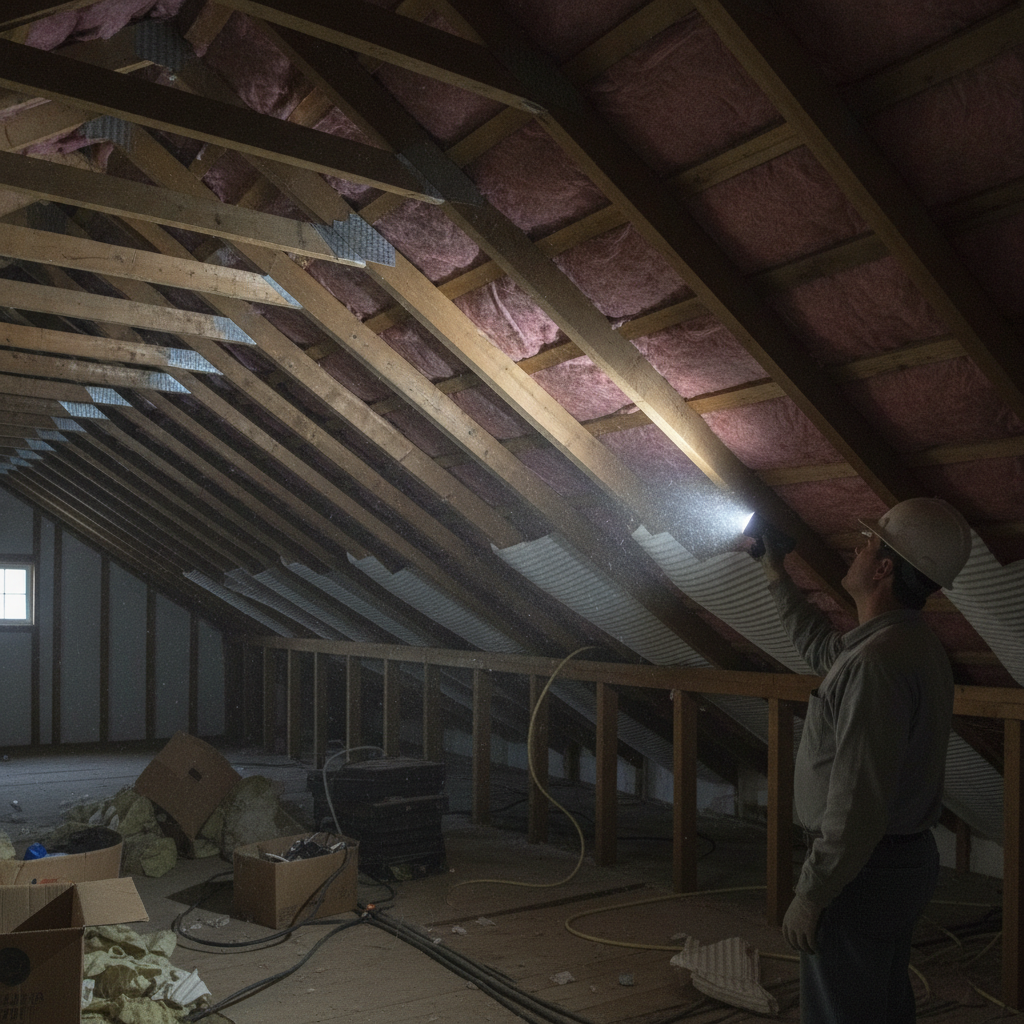
Local considerations for Suite 2000
- Seasonal swings demand balanced attic ventilation; check that soffits aren’t blocked by insulation.
- Schedule roof and attic evaluations after storms to spot fresh intrusion—timing can support negotiations.
- Condensation from bathroom and kitchen fans is common; ensure ducts vent outdoors, not into the attic.
Real-World Examples and Mini Case Studies
Case insights show how inspections change outcomes: a hidden attic leak caught in time, unsafe electrical corrected before move-in, and an aging furnace that reshaped negotiations. Real examples help you see how to act on findings decisively.
- Attic leak averted: Staining near a vent stack revealed a failed boot. Seller replaced flashing before closing, preventing sheathing damage.
- Electrical safety fix: Double-tapped breakers and missing GFCIs were documented. Credits covered panel correction and new protection devices.
- HVAC aging plan: A furnace near end-of-life led to a maintenance plan and filter upgrades immediately after possession.
Each result started with clear documentation and fast delivery. Our same-day PDF reporting empowers you to act within tight windows common around Suite 2000.
How to Use the Report for Negotiation
Lead with safety and water issues, group findings by priority, and provide the photo pages with your request. Be specific about outcomes: repair by a qualified contractor or a credit. Keep timelines tight to align with your conditional period.
- Prioritize: Create three buckets: safety, urgent defects, routine maintenance.
- Document: Share the relevant report pages and photos with your agent.
- Specify remedy: Ask for licensed repairs or a reasonable credit.
- Set deadlines: Align responses with your conditional timeline.
When your request is organized and evidence-based, sellers respond faster. Clarity wins.
Checklists to Bring On-Site
Bring concise checklists for your walkthrough: utilities on, attic access clear, ask-about list ready, and a note for every safety or moisture item you observe. Simple preparation helps you absorb more during the inspection.
Buyer’s 10-point on-site checklist
- Utilities on (water, power, gas)
- All rooms unlocked and accessible
- Attic hatch and crawl areas clear
- Kitchen and bath ventilation checked
- GFCI/AFCI tests observed
- Exterior grading and downspouts noted
- Roof observations discussed
- Visible plumbing checked for leaks
- HVAC startup behavior noted
- All safety concerns recorded
Want help organizing your lists and timelines? Our team walks you through priorities during and after the inspection—start here: book a home inspection.
Not sure where to start? Get a quick, no-pressure walkthrough of the process and how our same-day report supports tight timelines. Ideal for first-time buyers and investors juggling multiple properties.
Tools, Templates, and External Resources
Use standardized checklists, due diligence guides, and insurance readiness tips to complement your inspection report. External resources help you coordinate financing, legal review, and risk management alongside property condition findings.
For broader purchase planning, see these resources:
- Legal due diligence overview to align condition with contract terms: see this due diligence checklist.
- Contract basics and clauses to understand while negotiating repairs: review purchase and sale guide.
- Insurance-readiness items you can prepare with your report photos: check home insurance checklist.
Your inspection report is the centerpiece. These resources help your legal, agent, and insurance partners move in sync.
Frequently Asked Questions
Most buyers ask about scope, timing, attendance, and what happens if major issues are found. Here are clear answers you can act on today, all aligned with our certified pre-purchase workflow.
What does a house purchase inspection include?
It’s a visual review of structure, roof, attic, exterior, plumbing, electrical, HVAC, and interiors. You’ll receive a written report with photos and recommendations so you can negotiate repairs, plan maintenance, or proceed confidently.
How long does an inspection take?
Timing depends on size and access, but most single-family homes fit into a focused window the same day. You’ll get a same-day PDF report from our team so you and your agent can act within your conditional period.
Should I attend the inspection?
Yes. You’ll see conditions firsthand, hear explanations in plain language, and understand priorities. Attendance helps you grasp safety items and moisture risks quickly so you can make stronger negotiation requests.
What if the report finds major issues?
Work with your agent to request repairs by qualified contractors or a seller credit. You can also walk away if risks exceed your comfort. The key is fast, documented communication anchored by the report photos.
Conclusion and Key Takeaways
A house purchase inspection is your risk firewall. It reveals safety hazards and major defects before closing, gives you negotiation leverage, and sets your first-year maintenance plan. Book early, attend, and act quickly on the report.
- Inspect to protect: Safety and moisture issues come first.
- Use the report: Negotiate with photos and clear remedies.
- Think long-term: Plan maintenance based on service life cues.
- Choose certified pros: InterNACHI and CCPIA standards support consistency.
Ready to schedule your pre-purchase inspection in or around Suite 2000? Our certified team delivers clear, same-day reports so you can move decisively. Book your inspection.
Related Articles
Explore adjacent topics that strengthen your decision: attic ventilation basics, roof maintenance timelines, and annual home checkups. These help you connect inspection findings to long-term care.
- Attic inspection essentials and ventilation balance
- Roof replacement signals and maintenance planning
- Annual maintenance inspection for first-year homeowners