
House foundation inspection is the systematic evaluation of a home’s base structure—footings, walls, slab, and drainage—to spot movement, cracks, and moisture risks before they escalate. For homeowners and buyers in Suite 2000 and across the GTA, ASM Home & Commercial Inspection delivers certified assessments with same-day PDF reports so you can act fast and confidently.
By Asmhomeinspection • Last updated: June 16, 2026
Overview and Table of Contents
This complete guide explains what a house foundation inspection includes, why it matters, how professionals evaluate structural health, what homeowners can safely check, and when to call a certified inspector. Use the table of contents to jump to step-by-step checklists, best practices, tools, and local guidance.
Use this guide to quickly find what you need:
- What is a house foundation inspection?
- Why inspections matter in the GTA
- How a professional inspection works
- Types, methods, and approaches
- Signs you need an inspection
- DIY vs professional (comparison table)
- Best practices for homeowners
- Tools and resources
- Mini case studies
- FAQ
- Key takeaways
- Conclusion and next steps
Quick Summary
A foundation inspection evaluates structural stability and moisture control. Inspectors assess cracks, slopes, walls, floors, framing, drainage, and ventilation. Homeowners can monitor minor changes; pros handle diagnostics and documentation. If you see new or widening cracks, sticky doors, sloping floors, or dampness, schedule a certified evaluation promptly.
- Goal: Verify structural performance and safety.
- Focus areas: Settlement, cracking, moisture pathways, grading, drainage, and framing.
- When to act: New or growing cracks, seasonal leaks, musty odors, or doors/windows misaligning.
- Result: Clear findings with maintenance and repair priorities, delivered in a same-day PDF report.
What Is a House Foundation Inspection?
A house foundation inspection is a structured, system-by-system review of the base that carries your home. It checks movement, cracking, moisture, framing connections, and site drainage. The outcome is a prioritized plan to maintain stability, reduce water risk, and protect long-term value.
A foundation is only as reliable as the soil it bears on and the way water is managed around it. That’s why inspections cover more than concrete. We look at how the house sits, how water moves, and how structural loads transfer through the framing.
Scope you should expect
- Structural elements: Footings, stem walls, slabs, block walls, piers, beams, posts, sill plates, and anchor bolts.
- Interior indicators: Cracks in walls/ceilings, floor slope, door/window alignment, and trim gaps.
- Exterior systems: Grading, downspouts, gutters, swales, and driveway/sidewalk interfaces.
- Moisture pathways: Damp soil at walls, efflorescence, staining, musty odors, and sump performance.
- Safety and durability: Wood-to-concrete separations, corrosion, termite conducive conditions, and ventilation adequacy.
At ASM Home & Commercial Inspection, we integrate foundation findings into our whole-house process—structure, roof, plumbing, electrical, and HVAC—so you don’t miss interdependent issues. A leaky gutter can cause a foundation crack to widen; a mis-graded patio can push water toward a basement. We document these connections in a same-day PDF report.
Why Foundation Inspections Matter in the GTA
Foundation health drives safety, comfort, and resale value. In the GTA’s freeze/thaw cycles and heavy spring rains, water control and soil movement can stress foundations. Inspections reveal risks early so small maintenance tasks prevent bigger structural or moisture problems.
Here’s the thing: moisture is relentless. Freeze-thaw expansion, saturated soils, and clogged downspouts can push water against foundation walls. Over time, that pressure can open cracks, dampen basements, and strain framing. Proactive checks protect living spaces from leaks and air quality issues.
- Seasonal stressors: Thaw periods and intense rain events raise hydrostatic pressure against walls.
- Soil movement: Expansive or poorly drained soils create differential settlement and uneven floors.
- Resale confidence: Documented stability and maintenance build buyer trust and can streamline negotiations.
- Decision speed: For time-sensitive purchases, our same-day inspection reports help you move decisively.
Local considerations for Suite 2000
- Plan inspections around seasonal thaw and heavy-rain windows; drainage issues often surface during these periods.
- Schedule gutter and grading checks ahead of late-fall leaf drop and spring melt to reduce water against walls.
- For investment properties, align annual maintenance inspections with tenancy turnovers to document condition.
Due diligence matters. For a legal perspective on avoiding surprises before you sign, see this practical advice on property purchase due diligence and a companion overview on avoiding costly mistakes before buying. While not technical manuals, both reinforce why thorough inspections reduce risk.
How a Professional House Foundation Inspection Works
A professional inspection follows a repeatable workflow: exterior survey, interior mapping, moisture diagnostics, structural observations, and documentation. Findings are prioritized by safety and urgency, then delivered in a same-day PDF so you can act promptly.
Step-by-step workflow we follow
- Exterior walkaround: Check grading, downspouts, hardscape slopes, visible cracks, and settlement at steps/porches.
- Interior mapping: Note wall/ceiling cracks, door/window binding, floor slope, and moisture signs.
- Structure access: Inspect basements/crawl spaces for wall bowing, pier alignment, sill/girder condition, and fasteners.
- Moisture diagnostics: Use non-invasive meters and observation to trace damp areas and likely entry points.
- Risk synthesis: Correlate symptoms with causes; separate cosmetic from structural concerns.
- Photo documentation: Annotate conditions with clear images and location references.
- Prioritized recommendations: Maintenance now, monitor, or specialist follow-up.
- Same-day report: PDF summary delivered to support quick decisions.
In our experience across the GTA, three patterns appear again and again: undersized or disconnected downspouts, negative grading near patios/driveways, and poorly vented crawl spaces. Addressing these often reduces interior moisture readings and helps stabilize small cracks.
Types, Methods, and Approaches
Foundations vary—basement, slab-on-grade, and crawl space—and each has distinct risks and inspection techniques. Methods include visual survey, moisture testing, floor-level checks, and structural observation. The best approach blends building science with site drainage evaluation.
Common foundation types
- Basement foundations: Concrete walls with below-grade living/storage. Watch for wall cracks, efflorescence, and sump issues.
- Slab-on-grade: Concrete slab at ground level. Look for corner settlement, slab cracks, and hardscape drainage.
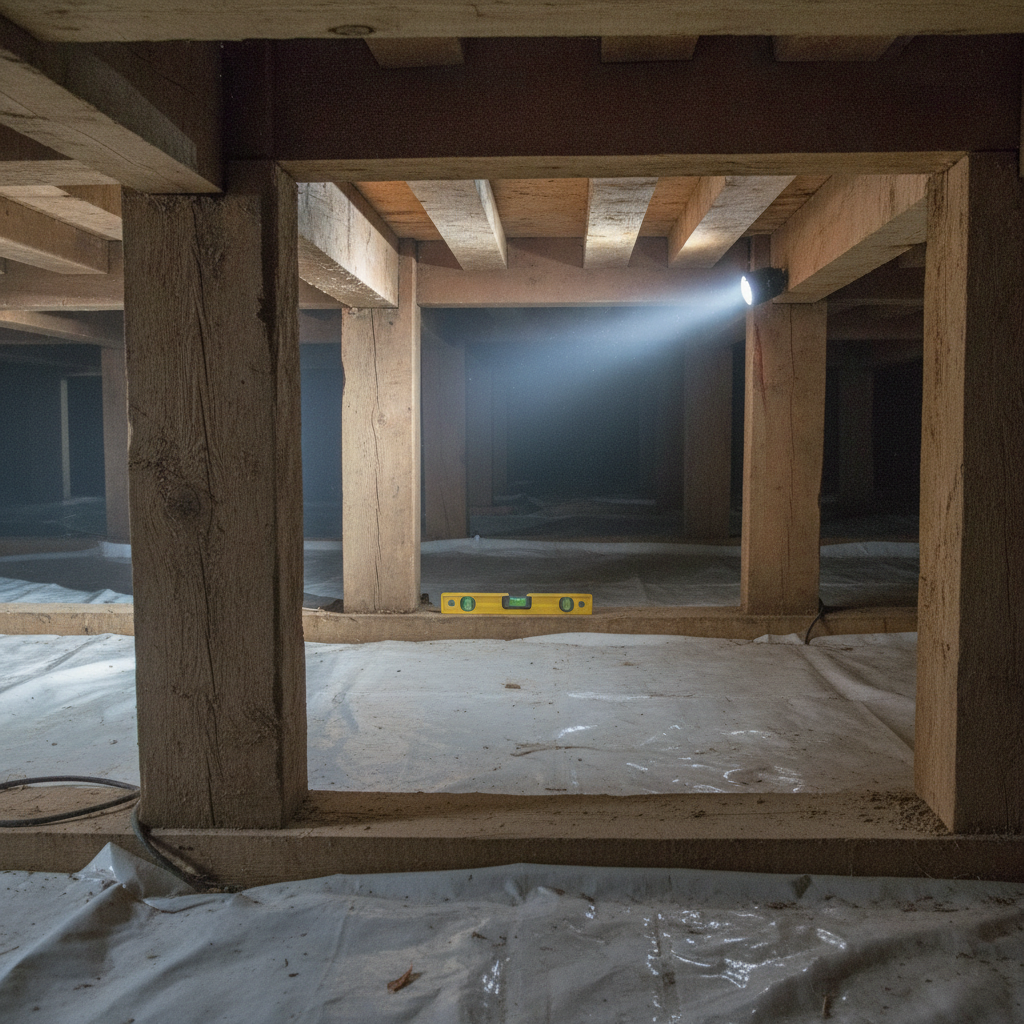
- Crawl space with piers/beams: Elevated framing. Focus on moisture, ventilation, wood-to-soil clearance, and pier alignment.
Inspection methods we rely on
- Exterior drainage review: Verify 6 inches of drop over 10 feet away from the home where feasible.
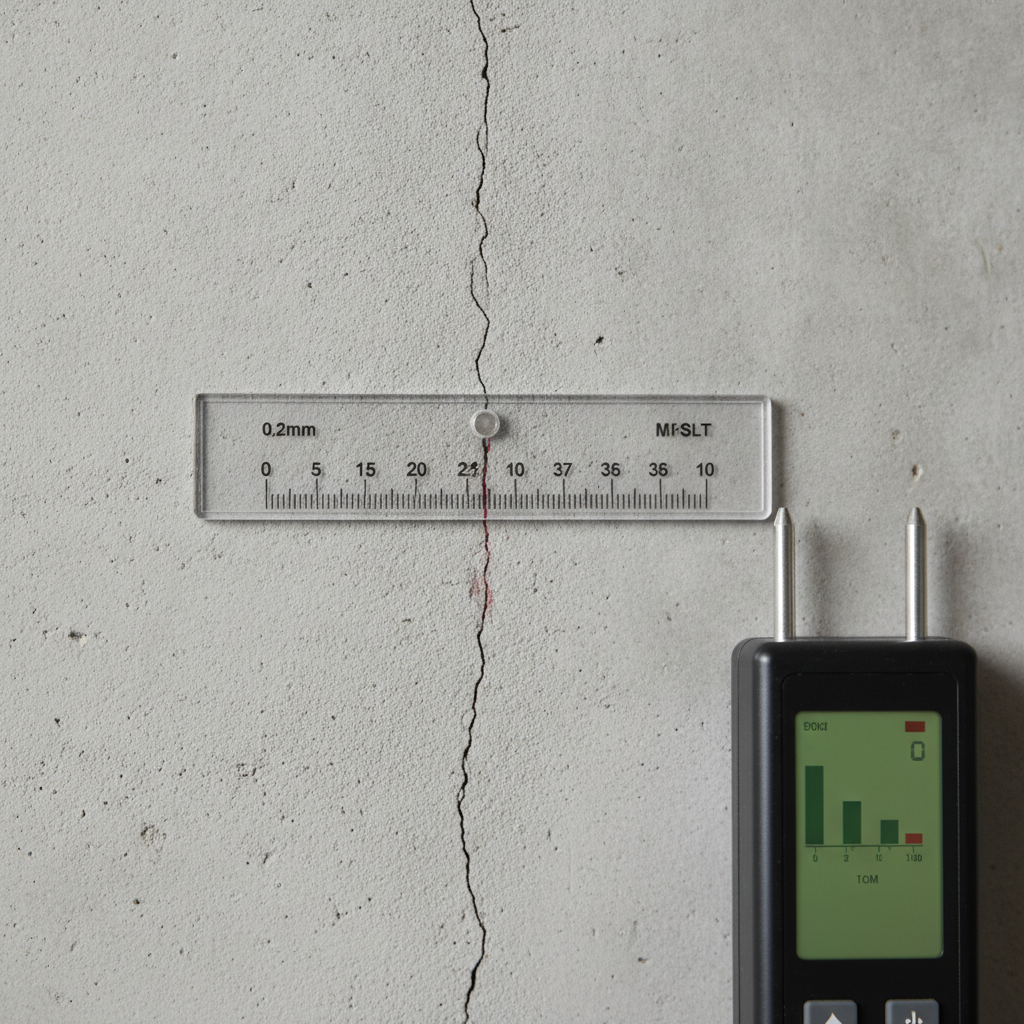
- Crack characterization: Map length, pattern, and relative width; diagonal at openings often indicates settlement.
- Floor-level checks: Identify slopes and transitions that suggest movement or framing deflection.
- Moisture screening: Non-invasive meters help locate damp areas; wood above ~20% moisture merits attention.
- Ventilation assessment: In crawl spaces, evaluate airflow and vapor barriers to limit condensation.
The key is to interpret patterns holistically. A single hairline crack can be benign, while the same crack plus negative grading and musty odors points to an active water problem. That’s where certified judgment prevents over- or under-reaction.
Signs You Need a House Foundation Inspection
Schedule a foundation inspection if you notice new or widening cracks, sticky doors, sloping floors, recurring basement dampness, or downspout overflow. These clues, especially after heavy rain or seasonal thaw, signal movement or moisture that deserves a certified look.
Exterior red flags
- Cracks in foundation walls: Horizontal or stair-step patterns may reflect pressure or settlement.
- Porch/step settlement: Gaps at stoops or uneven walkways suggest soil movement.
- Downspout discharge: Splashing at the base can drive water to footings.
- Soil erosion: Channels or puddling against walls indicates poor grading.
Interior symptoms
- Doors and windows stick: Frames racking with seasonal shifts often follow foundation movement.
- Floor slope or bounce: Noticeable tilt or spring can reflect settlement or framing issues.
- Drywall or tile cracks: Diagonals at corners and openings are common settlement markers.
- Musty odors or efflorescence: Persistent dampness leaves salt deposits and odors.
If you’re buying a home, combine these observations with a full pre-purchase inspection so structural, plumbing, electrical, and HVAC findings are evaluated together. For a helpful homebuyer perspective, this Mississauga home buying checklist summarizes steps many first-time buyers follow.
DIY vs Professional: What You Can Check and Where Pros Add Value
Homeowners can safely observe drainage, downspouts, minor cracks, and basic interior clues. Certified inspectors add diagnostics, structural context, and comprehensive documentation—crucial for negotiations, insurance, and planning next steps.
Process comparison
| Aspect | DIY Check | Professional Inspection (ASM) |
|---|---|---|
| Tools | Flashlight, level, tape, camera | Moisture meters, crack gauges, thermal scanning, ladders, PPE |
| Scope | Visible cracks, pooling water, basic slope | Structure, drainage, framing, ventilation, material interfaces |
| Safety | Avoid confined spaces and energized equipment | Trained access to attics/crawl spaces with safety protocols |
| Diagnosis | Observational only | Pattern analysis and root-cause perspectives |
| Documentation | Personal notes/photos | Same-day PDF report with prioritized actions |
| When best | Routine monitoring | Real estate transactions, persistent dampness, widening cracks |
We’re InterNACHI and CCPIA certified, which means our process adheres to professional standards across residential and commercial properties. When stakes are high—like a tight closing timeline—independent documentation strengthens your position.
Best Practices for Homeowners
Keep water moving away from your home, track small changes over time, and schedule certified inspections before transactions or after severe weather. Simple maintenance today often prevents expensive structural repairs later.
Seasonal checklist
- Spring: Clear gutters, extend downspouts 6–10 feet where practical, and reestablish positive grading.
- Summer: Inspect irrigation overspray and soil settlement around patios and driveways.
- Fall: Remove leaves from gutters and surface drains; check for new cracks before freeze.
- Winter: Monitor interior humidity and condensation in basements and crawl spaces.
Monitoring tips
- Measure and log: Use a ruler or crack gauge and note dates; widening over time matters.
- Photograph repeat areas: Same angle, same distance; your phone creates a timeline.
- Label downspout changes: When you extend or redirect a discharge, add it to your log.
- Record weather events: Tie dampness or odors to heavy rains or thaws for pattern insight.
If you prefer a single point of contact for the whole property, book an annual maintenance inspection. We’ll check the roof, attic, structure, plumbing, electrical, and HVAC together, with practical fixes you can plan over the year.
Tools and Resources
Simple tools help homeowners monitor conditions, while inspectors leverage diagnostic gear and standards-based methods. Keep a small kit on hand and engage a certified pro when patterns suggest active movement or moisture.
Homeowner toolkit
- Flashlight and gloves: For safe visibility in basements and exteriors.
- Tape measure and level: Track crack width and subtle slopes.
- Moisture indicator: Basic consumer models can flag damp spots.
- Notebook/app: Log dates, photos, and weather context.
Inspector equipment you’ll see
- Moisture meters: Pin and pinless screens for walls, framing, and floors.
- Crack gauges: Measure change over time on wall fissures.
- Thermal scanning: Helps visualize temperature anomalies linked to moisture.
- Ladders and PPE: Safe access to tight spaces and elevated areas.
Need a same-day PDF to keep a deal moving? Our certified home inspection service covers the full house—foundation included—so decisions are based on the entire system, not one symptom.
Case Studies and Real-World Examples
Foundation problems are often preventable with water management and timely checks. These GTA scenarios show how targeted maintenance and documented findings resolved risks—fast.
1) Basement dampness after spring thaw
- Symptoms: Musty odor, efflorescence, hairline wall cracks.
- Findings: Downspouts ended near walls; negative grading at a side yard.
- Action: Extend downspouts, regrade away from wall, monitor cracks with a gauge.
- Outcome: Moisture readings dropped; odor dissipated; no crack growth over three months.
2) Sticky doors in a two-story home
- Symptoms: Second-floor doors rubbed frames; minor drywall splits at corners.
- Findings: Slight floor slope; seasonal soil movement noted.
- Action: Improve drainage; adjust doors; document for future comparison.
- Outcome: After stormwater improvements, binding reduced; no further cracking seen in follow-up.
3) Crawl space with high humidity
- Symptoms: Condensation on ducts; musty air; soft spots along a hallway.
- Findings: Incomplete vapor barrier; limited ventilation.
- Action: Complete barrier coverage, improve vents, and monitor wood moisture.
- Outcome: Wood readings stabilized below problem thresholds; floor feel improved.
4) Pre-purchase discovery prevents surprises
- Scenario: Buyer requested a comprehensive inspection on a tight timeline.
- Findings: Foundation hairline cracks plus roof drainage issues and aged sump pump.
- Action: Delivered same-day PDF with prioritized plan; buyer negotiated timing for maintenance.
- Outcome: Confident closing with clear next steps post-possession.
Need a certified opinion fast?
If you’re seeing new cracks or dampness, don’t wait for the next storm. Book a certified foundation-inclusive inspection today and get a same-day PDF report to guide your decisions.
Prefer one clear report that covers the full home? Schedule a comprehensive inspection with ASM Home & Commercial Inspection. We serve Suite 2000 and the broader GTA with InterNACHI and CCPIA certified expertise.
Frequently Asked Questions
These quick answers address common homeowner questions about foundation checks—what’s included, timing, and how to prepare. For transaction-specific advice, consult your real estate professional along with a certified inspector.
What does a house foundation inspection include?
It covers structural elements (footings, walls, slabs, piers), interior clues (cracks, door alignment, floor slope), exterior drainage and grading, and moisture screening. You get a prioritized, photo-rich PDF report with maintenance and next-step guidance.
How often should I check my foundation?
Walk the exterior and key interior areas seasonally. Schedule a certified inspection before you buy or sell, after severe weather that caused leaks or movement, or anytime you see new or worsening cracks and dampness.
Can I do a foundation inspection myself?
You can observe drainage, note crack patterns, and photograph changes. However, certified inspectors add diagnostics, safety access to tight spaces, and formal documentation that supports negotiations and planning.
What should I do before the inspector arrives?
Clear access to the basement or crawl space, move items away from walls, and list concerns you’ve noticed (when they occur and after what weather). If you have previous reports or repair receipts, keep them handy.
Key Takeaways
Water control and routine checks protect your home’s structure. Use seasonal walkarounds to track small changes, and bring in a certified inspector when patterns point to movement or moisture. Fast, documented findings enable smart decisions.
- Keep water away: positive grading and extended downspouts are must-haves.
- Track cracks and doors: changes over time matter more than a single snapshot.
- Think whole-house: roof, site, and structure interact—inspect them together.
- Use certified help: InterNACHI/CCPIA credentials and same-day reports speed decisions.
Conclusion and Next Steps
A solid foundation depends on good water management and timely evaluations. If you notice new cracks, sticky doors, or dampness, document what you see and schedule a certified inspection to confirm causes and next steps.
Ready for a clear, prioritized plan? Book a whole-home inspection that includes the foundation with Asmhomeinspection. We serve Suite 2000 and the GTA with same-day PDF reports backed by InterNACHI and CCPIA certification.
Related Articles (from our Inspection content cluster)
Explore more home inspection topics to build confidence: annual maintenance, crawl spaces, attics, and pre-purchase checklists. Each topic reinforces prevention, documentation, and smart decision-making.
- Rental property annual inspection checklist
- Crawl space inspection guide
- Certified home inspector standards
- Pre-purchase home inspection for buyers
- Attic and ventilation best practices
- New construction inspection walkthrough
- Well and sewer system basics