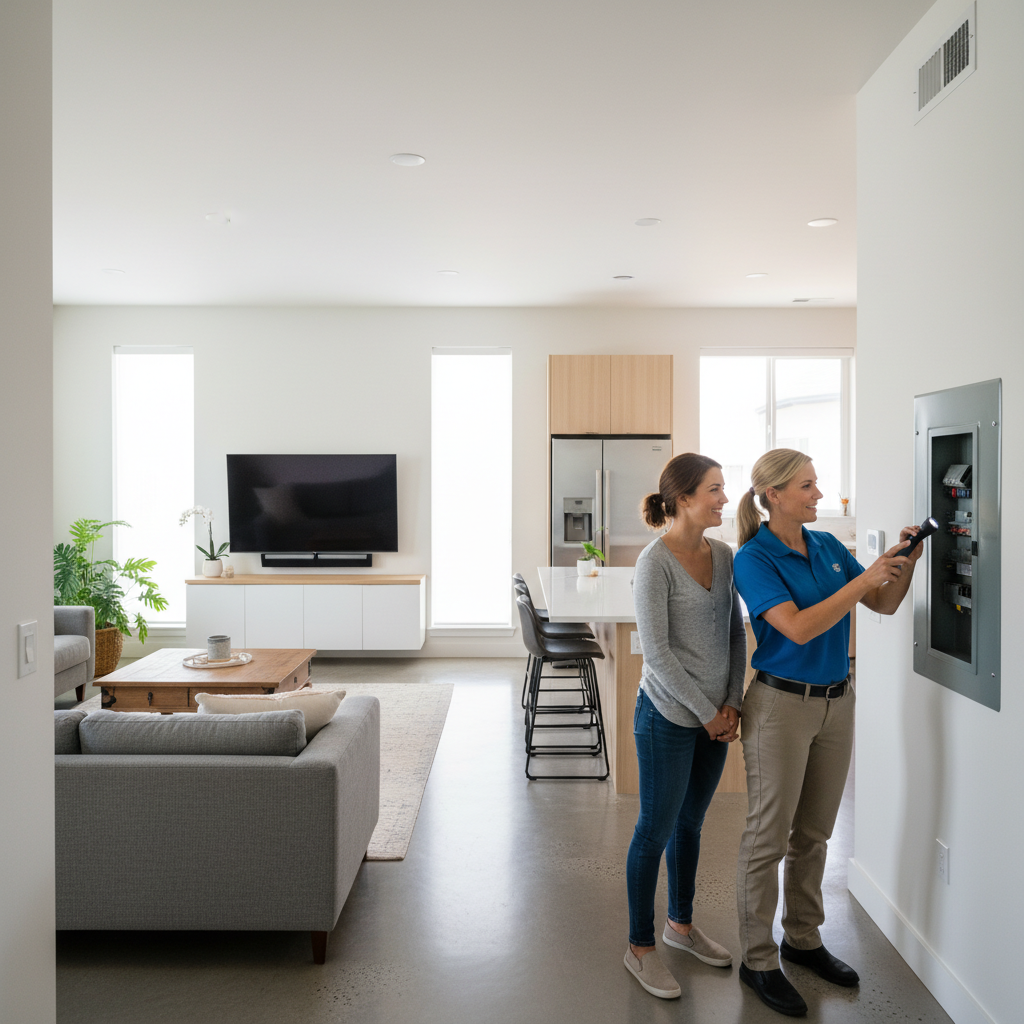
Home inspections for buyers are professional evaluations of a home’s major systems before you close. In Suite 2000, Toronto, ASM Home & Commercial Inspection provides certified assessments with same-day PDF reports so you can negotiate confidently and protect your safety. This due diligence helps secure your deposit, timeline, and long-term maintenance planning.
By Asmhomeinspection • Last updated: 2026-05-23
At a Glance
A buyer’s inspection verifies a home’s condition, identifies safety issues and defects, and equips you to negotiate repairs or credits. ASM examines roof, structure, plumbing, electrical, HVAC, attic, and more, then delivers a same-day PDF report so buyers in the GTA can decide quickly without guesswork.
- What you get: a clear snapshot of condition, safety, and expected maintenance.
- When to schedule: as early as possible in your conditional period.
- Deliverable: a same-day PDF report with photos, priority levels, and recommendations.
- Coverage areas: GTA homes, condos, townhomes, and small multifamily.
- Inspector credentials: InterNACHI (residential) and CCPIA (commercial) certified.
Need a fast inspection window? Explore our inspection services and book a time that fits your offer timeline.
What Is a Buyer’s Home Inspection?
A buyer’s home inspection is an independent, visual evaluation of a property’s accessible systems and components before purchase. Inspectors document safety hazards, major defects, and maintenance issues so you can negotiate and plan repairs with confidence before closing.
In our experience guiding GTA buyers, a clear definition helps set expectations. A buyer’s inspection covers the big-ticket systems that affect safety, function, and future costs. It’s not code enforcement or a warranty; it’s practical risk management supported by photos and plain‑English notes.
- Scope you can expect: roof, exterior, structure/foundation, attic/insulation, plumbing, electrical, HVAC, interior (walls, ceilings, floors), doors/windows, stairs/railings, garages, and more.
- Purpose: identify safety issues, material defects, and deferred maintenance that could impact value or livability.
- Format: a same-day PDF report with photos, summaries, and action-oriented recommendations to share with your agent or contractor.
At ASM, we align every inspection with how buyers actually decide: what’s urgent, what can wait, and what’s a normal part of home ownership. See how we structure reports by booking through our GTA inspection hub.
Why Buyer Inspections Matter (and When They Save You)
Buyer inspections prevent surprises, support negotiations, and reduce safety risks. Findings often change terms, timelines, or repair responsibilities. With same-day reporting, you can act within conditional periods instead of rushing or waiving critical due diligence.
Here’s the thing: most homes have something you’ll want to address. A grounded, system-by-system review reveals issues that photos and showings miss. Moisture intrusion behind finished walls, aging electrical panels, and improper roof flashing are frequent culprits we document across the GTA.
- Protect your safety: identify active leaks, faulty wiring, combustion concerns, missing handrails, and trip hazards.
- Strengthen negotiations: request repairs, a credit, or a closing timeline that reflects real work required.
- Plan maintenance: schedule near-term fixes (e.g., deteriorated caulking) and future upgrades (e.g., older furnaces).
- Avoid waiver regret: when bidding is competitive, a rapid, certified inspection helps you balance speed with caution.
From condos in dense corridors to detached homes with older basements, we’ve found that a clear, photo-heavy report delivered the same day keeps your leverage intact. Start with our service overview to align availability with your offer window.
Home Inspections for Buyers: What to Expect on Inspection Day
On inspection day, expect a 2–3 hour walkthrough of accessible areas, real-time explanations, and hundreds of observations distilled into a same-day PDF. You’ll leave with prioritized action items and photos that support negotiations and repair planning.
We structure every buyer visit around clarity and momentum. You’ll get practical explanations on-site and a clean report the same day, so you can decide while your conditional period is still open.
Step-by-step process
- Pre-brief: confirm property type, age, known concerns, and any condo rules for access. Share your priorities.
- Exterior first: roof (visual), gutters/downspouts, grading, foundation exposures, siding, decks, stairs, railings, and garage.
- Mechanical & structure: basement/crawlspace, attic/insulation, plumbing supply and drains, electrical panels and receptacles, furnace/boiler, water heater, and A/C.
- Interior: walls, ceilings, floors, doors, windows, kitchens, baths, and ventilation.
- Debrief: walk findings, answer questions, and set expectations for the same-day PDF report.
Bring questions. We encourage buyers to ask “why” and “what next?”—that’s where insight turns into better decisions. To see how this looks in a report, browse our GTA inspection page.
Systems We Examine (What’s Included)
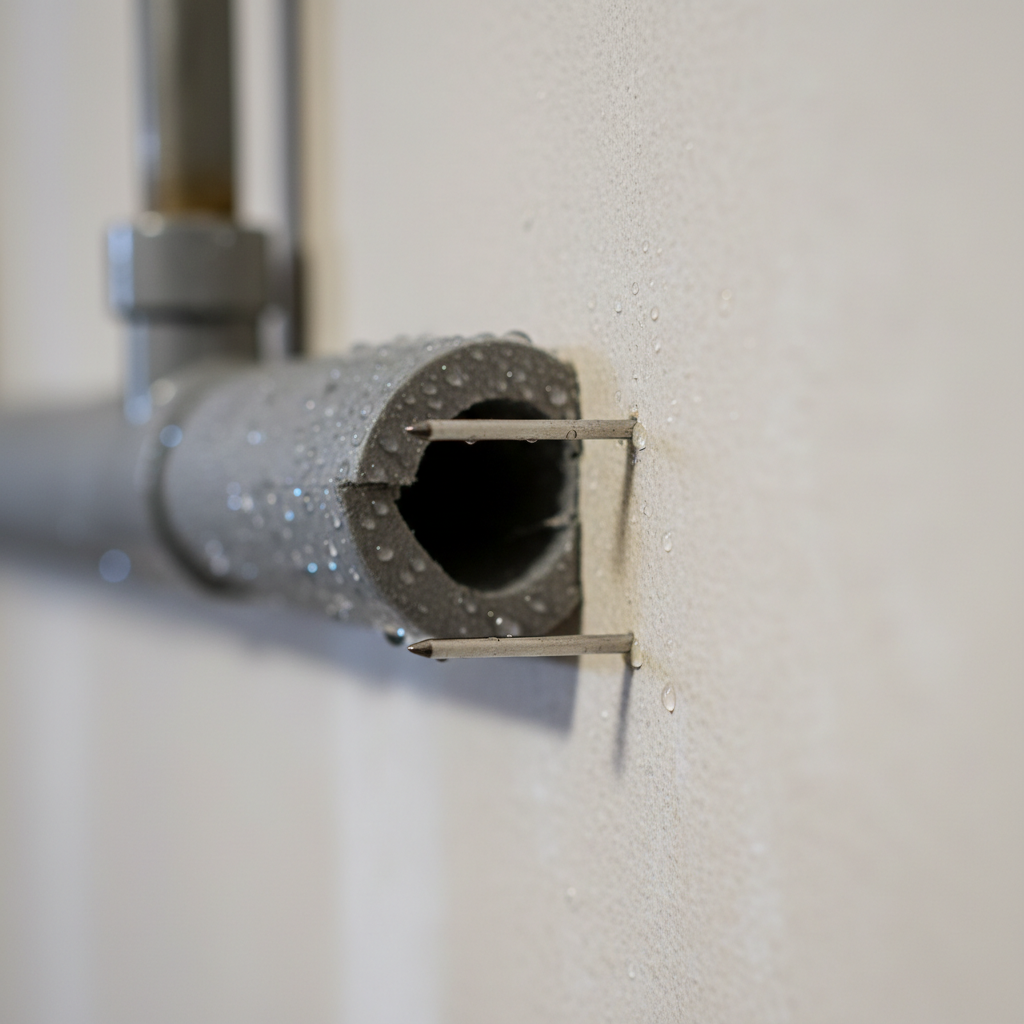
A comprehensive buyer’s inspection reviews roof, structure, exterior, plumbing, electrical, HVAC, attic/insulation, interior finishes, doors/windows, stairs/railings, and attached garages. The goal is to surface safety issues, major defects, and maintenance items with clear photos and next steps.
Structure and attic
- Foundation & framing: look for settlement signs, moisture staining, wood-to-soil contact, and beam/post issues.
- Attic & insulation: ventilation, insulation depth, roof sheathing condition, and evidence of past leaks or mold-like staining.
Roof and exterior
- Roofing: shingles, flashing, penetrations, and drainage patterns. Poor flashing is a common source of attic moisture.
- Exterior systems: grading, downspouts, siding, decks, porches, stairs, railings, and garage safety features.
Plumbing, electrical, HVAC
- Plumbing: supply lines, shutoffs, fixtures, drains, water heater age and condition, and evidence of leaks.
- Electrical: service size, panel labeling, GFCI/AFCI protection where visible, and receptacle testing at sample points.
- HVAC: furnace/boiler basics, A/C performance indicators, filter condition, and venting/combustion air.
Moisture intrusion deserves special emphasis because it drives many costly issues. Our reports flag source, risk, and recommended next steps, then group items by urgency. Book through our inspection service portal to align timing with your offer.

How a Buyer’s Inspection Works (From Booking to Report)
You schedule, we inspect, you receive a same-day PDF with photos and prioritized actions. The streamlined process keeps you within conditional timelines and gives your agent documentation to negotiate repairs or credits.
- Booking: call or message with property details, access notes, and preferred windows; we match availability to your offer timeline.
- On-site: we inspect systems, explain findings in plain English, and document with photos.
- Delivery: same-day PDF report with summaries, labeled photos, and practical recommendations.
- Follow-up: we answer clarification questions so you can proceed with confidence.
Home inspections for buyers are most valuable when the report arrives quickly and reads clearly. That’s why we keep formatting consistent and action-focused. Learn more via our service overview.
Types of Inspections Buyers Use
Buyers typically use pre-purchase inspections, pre-offer walk-throughs, new construction checks, and annual maintenance follow-ups after closing. Each type serves a different risk profile and timeline, from fast screening to deep due diligence.
| Type | When to Use | Primary Benefit | Notes |
|---|---|---|---|
| Pre-purchase inspection | During conditional period | Full system review for negotiation | Standard for most buyers; same-day PDF supports fast decisions. |
| Pre-offer walk-through | Before bidding | Quick risk scan to inform offer | Not a full inspection; useful in time-pressured markets. |
| New construction inspection | Pre-delivery/11-month | Documents defects within builder warranty | Helps prioritize warranty claims and workmanship fixes. |
| Annual maintenance inspection | After you move in | Tracks wear and small leaks early | Great for owners of older homes or rental properties. |
We offer all four through a single point of contact, including pre-purchase, new construction, and annual maintenance options. See scheduling windows on our GTA booking page.
Best Practices for Buyers (Before, During, After)
To get the most from your inspection, prepare questions, be present for the walkthrough, and read the same-day PDF the moment it arrives. Clarify “safety, significant, routine” items and decide what to negotiate now versus plan for later.
Before the inspection
- Share priorities: tell us if you’re most concerned about the roof, a past leak, or new renovations.
- Confirm access: utility rooms, attic hatches, balconies, and any condo rules.
- Collect context: seller disclosures, renovation receipts, and permit history if available.
During the inspection
- Attend if possible: real-time Q&A makes the report easier to act on.
- Ask “what’s next?”: we’ll translate findings into actions—monitor, repair, or evaluate further.
- Take photos: mark areas you’ll want contractors to review later.
After the inspection
- Read quickly: same-day PDFs are designed for speed; address time-sensitive items first.
- Align with your agent: decide which items to negotiate versus absorb.
- Plan maintenance: use the report as a first-year home care checklist.
If you need a rapid slot for a conditional offer, reach out via our booking page—we prioritize time-sensitive buyer inspections across the GTA.
Tools, Standards, and Resources Buyers Should Know
Reliable inspections use tested tools (moisture meters, outlet testers, thermal cameras) and standardized reporting. Supplement your due diligence with legal and insurance checklists so your purchase conditions and coverage align with the home’s true condition.
- Moisture detection: meters and thermal imaging help locate hidden leaks and insulation gaps we often find near bathrooms and exterior walls.
- Electrical safety: outlet testers and panel reviews surface GFCI/AFCI gaps, reversed polarity, or outdated equipment.
- Standards-driven: consistent methods and photo evidence make reports easier to act on during negotiations.
For broader purchase due diligence, see this legal buyer checklist from Vikram Law. For insurance-readiness, this Ontario-focused home insurance checklist outlines details that often overlap with inspection findings. Buyers exploring local market context can also review a Mississauga home buying guide for planning considerations.
Moisture Intrusion: The Silent Problem That Buyers Miss
Moisture drives a large share of structural and indoor air issues. During buyer inspections, we look for stains, elevated readings, missing flashing, poor grading, and unvented baths—then outline source, risk, and next steps to stop it early.
- Common sources: roof flashing, shower surrounds, plumbing joints, window sills, negative grading, and basement slab cracks.
- What we document: moisture meter readings, visible staining, musty odors, and ventilation shortfalls.
- Action: fix sources first (flashings, caulking, downspout extensions), then dry, clean, and monitor.
We emphasize moisture because it compounds: minor seepage can weaken finishes and encourage microbial growth. Our same-day PDFs flag urgency so you can decide whether to negotiate or plan post-close remediation. Book via our GTA inspections page.
New Construction and Condo Buyer Considerations
New homes and condos still benefit from third-party inspections. We document workmanship, missing finishes, appliance/fixture function, and ventilation. For condos, we tailor scope to common elements access and unit systems buyers control directly.
- New construction (pre-delivery/11‑month): catch cosmetic defects, missing sealants, reversed hot/cold, and ventilation oversights while builder warranties are active.
- Condos: focus on unit plumbing, electrical, doors/windows, ventilation, and evidence of exterior leaks at sills.
- Townhomes: combine condo-style shared components with single-family roof and exterior checks.
We’ve helped many first-time buyers document punch-lists that developers remedied promptly because the report was organized and specific. That’s the advantage of a consistent, photo-led format. Explore options through our GTA buyer services.
Reading Your Same-Day PDF Report (Without Getting Overwhelmed)
Focus on safety, significant defects, and moisture first. Then review recommended maintenance and age-based advisories. Use photos and summaries to choose negotiation items now versus projects to budget for after closing.
- Priority codes: we label items so you can sort urgent from routine at a glance.
- Negotiation snapshots: photos + notes make it easy for your agent to ask for targeted repairs or credits.
- First‑year plan: turn “maintenance items” into a checklist you’ll complete after move‑in.
Home inspections for buyers only pay off if you can use the information swiftly. That’s why we deliver the same day and stay available for follow-up questions. See how we package findings on our report overview.
Timing, Scheduling, and Offer Strategy
Schedule the inspection as soon as your conditional clock starts. Rapid reporting preserves leverage, and a clear report can justify repairs, credits, or adjusted timelines—without waiving critical due diligence.
- Competitive offers: if you consider a quick pre-offer walk-through, plan a full inspection if accepted.
- Contingency windows: align availability with your agent the same day you go conditional.
- Follow-ups: after seller repairs, a focused re-check can verify high-impact fixes.
We maintain flexible booking for time-sensitive buyers. Check windows on our GTA scheduling page.
What Affects Inspection Fees (No Pricing, Just Factors)
Inspection fees vary by property size, age, type, and access complexity. Specialized add-ons, multi-unit buildings, and tight timelines can change scope. Focus on value: certification, thoroughness, and same-day reporting matter most for buyers.
- Size and type: condos vs. detached homes vs. small multifamily.
- Age and complexity: older systems take more time to assess.
- Access and season: snow, locked rooms, or limited roof views may require return visits.
- Specialized checks: warranty/11‑month, new construction punch‑lists, or focused reinspections.
We center our scope on buyer value: certs, completeness, clarity, and speed. Explore alignment with our inspection services.
Mini Case Studies: How Buyers Used Their Reports
Well-documented findings change outcomes. Buyers use photos, clear language, and priorities to negotiate targeted repairs, request credits, or plan smart maintenance after closing.
- Basement seepage: a townhome buyer saw elevated moisture near a slab crack and negative grading. Sellers extended downspouts and improved grading before closing.
- Panel and GFCI gaps: condo buyers negotiated receptacle upgrades after outlet testing showed missing protection near a kitchen sink.
- Roof flashing: evidence of past attic staining prompted a licensed roofer check; sellers repaired step flashing at a dormer intersection.
- New construction punch‑list: reversed faucet supply on a brand-new vanity and missing sealant at a shower door were corrected within builder timelines.
Each scenario hinged on clear documentation and prompt delivery. That’s why our same-day format is built for buyer negotiations. See availability on our booking page.
Local considerations for Suite 2000
- Freeze–thaw cycles and wind-driven rain stress exteriors; ask us to focus on flashing, grading, and downspout performance.
- Seasonal timing matters: in winter, roof and exterior checks may be visual only; plan return visits when safe access improves.
- High-rise and townhouse communities add access rules; coordinate with property managers early to avoid delays.
Need a time-sensitive buyer inspection? We prioritize conditional-period bookings and deliver same-day PDFs. Start here: Asmhomeinspection – GTA inspections.
Buyer Inspection FAQ
Most buyers ask about timing, scope, and negotiations. Schedule early in your conditional window, expect a visual review of major systems, and use the same-day PDF report to request repairs or credits where appropriate.
How long does a buyer’s inspection take?
Most inspections take 2–3 hours, depending on size, age, and complexity. We encourage buyers to attend so you can see issues firsthand and ask questions in real time. The photo-rich PDF report arrives the same day.
What does a buyer’s inspection include?
Expect a visual review of roof, exterior, structure/foundation, attic/insulation, plumbing, electrical, HVAC, interior finishes, doors/windows, and stairs/railings. We document safety issues, material defects, and maintenance items with photos and clear next steps.
Should I waive the inspection to win a bidding war?
We don’t recommend waiving. Consider a quick pre-offer walk-through if timelines are tight, then a full inspection if your offer is accepted. A same-day PDF preserves leverage during negotiations without sacrificing due diligence.
Can you re-check seller repairs before closing?
Yes. A focused reinspection can verify high-impact items like roof flashing repairs, active leaks, or safety-related electrical fixes. We document results so your agent can confirm that agreed work is complete.
Key Takeaways
Schedule early, show up with questions, and use the same-day PDF to negotiate and plan. Prioritize safety, moisture, and significant defects first; turn maintenance items into a first‑year checklist after you move in.
- Home inspections for buyers reduce risk and improve negotiations.
- Moisture intrusion is common—address source, then dry and monitor.
- Documentation speed matters; same-day PDFs keep leverage intact.
- Use findings to choose repair requests versus post-close plans.
Conclusion
A buyer’s inspection clarifies risk, supports negotiations, and protects your safety. With certified methods and same-day PDFs, ASM helps GTA buyers act decisively without waiving critical due diligence.
Every property tells a story. The best time to learn it is before you own it. If you’re preparing an offer—or you just went conditional—book your visit through Asmhomeinspection and get the clarity you need to move forward confidently.