
Home inspection schools are vocational programs that teach future inspectors how to evaluate homes and small buildings for safety, function, and maintenance needs. Programs cover structure, roofing, electrical, plumbing, HVAC, and reporting. In Suite 2000, aspiring inspectors choose between online, in-person, or hybrid paths and pair coursework with field training to meet licensing or certification goals.
By Asmhomeinspection • Last updated: 2026-07-04
Overview
Choose a home inspection school by matching your target license requirements, preferred learning format (online, in-person, hybrid), instructor expertise, and access to real field practice. Prioritize programs that include standardized reporting, building science, moisture diagnostics, and ethics—skills you’ll apply daily when inspecting roofs, attics, electrical, plumbing, and HVAC.
If you’re mapping a new career or upskilling from construction or real estate, this guide walks you through how home inspection education works—what to learn, how to practice, and which credentials matter for long-term success.
- What home inspection schools teach and why it matters
- Online vs. in-person vs. hybrid formats, with a practical comparison
- How to evaluate curriculum depth, instructors, and field labs
- Which certifications and tools align with real job demands
- Step-by-step selection checklist, case studies, and FAQs
Table of contents
- What are home inspection schools?
- Why home inspection education matters
- How home inspection schools work
- Types of programs and training pathways
- Best practices for choosing a school
- Tools, resources, and certifications
- Case studies and examples
- FAQ
- Key takeaways
- Related topics & next steps
- Conclusion
What are home inspection schools?
Home inspection schools are specialized training programs that prepare you to evaluate residential systems and components and communicate findings in clear, defensible reports. Quality programs blend building-science fundamentals, standards of practice, mock inspections, and report writing so you graduate job-ready for client-facing work.
At their core, these schools teach you how a house works and how to document what you find. You’ll cover roof coverings, attic ventilation, insulation, structure and foundation, exterior drainage, interior finishes, electrical service, branch circuits, plumbing supply and drainage, heating, cooling, and water heating.
- Role clarity: Inspectors observe, test non-destructively, and report. They don’t perform invasive demolition or repair.
- Standards of practice: You’ll learn boundaries—what is and isn’t included—and the ethics of impartial reporting.
- Communication: Graduates must translate technical findings into plain-English recommendations for clients.
In our experience serving buyers, sellers, investors, and property managers, the graduates who thrive are those who pair strong technical judgment with concise, actionable reporting—exactly what good curricula reinforce.
Why home inspection education matters
Education shapes how you protect clients, minimize liability, and build trust. The best programs teach risk prioritization, moisture diagnostics, and ethical communication—skills that lead to safer homes, smoother transactions, and repeat referrals from real estate professionals.
Here’s why this matters in daily practice:
- Safety and liability: Knowing how to spot shock hazards, active leaks, or structural movement prevents injuries and disputes.
- Client decisions: Clear photos and narratives help buyers and sellers act confidently during tight timelines.
- Professional pace: Efficient on-site workflows and same-day PDF reporting keep transactions moving without sacrificing quality.
Asmhomeinspection emphasizes identifying moisture intrusion early because persistent dampness undermines framing, invites microbial growth, and damages finishes. The habits you learn in school—thermal scanning, meter use, ventilation checks—translate directly into better outcomes during real inspections of attics, basements, and exterior drainage.
How home inspection schools work
Most programs combine modular coursework with hands-on field labs and report-writing practice. Expect structured lessons on systems, standards, and defect recognition, followed by supervised mock inspections and iterative feedback on your sample reports.
While formats vary, effective schools follow a rhythm: theory, demonstration, practice, and critique. You’ll study components in class, watch or perform demonstrations, complete guided inspections, then write summaries that instructors review for clarity, accuracy, and client usability.
- Core modules: Structure, roofing, exterior, interior, insulation and ventilation, electrical, plumbing, HVAC, appliances.
- Field practice: Supervised walk-throughs of actual homes or training houses to reinforce defect recognition.
- Reporting: Photo documentation, narrative style, limitations, and recommendations that align with standards of practice.
- Professional skills: Ethics, client communication, and coordination with real estate professionals.
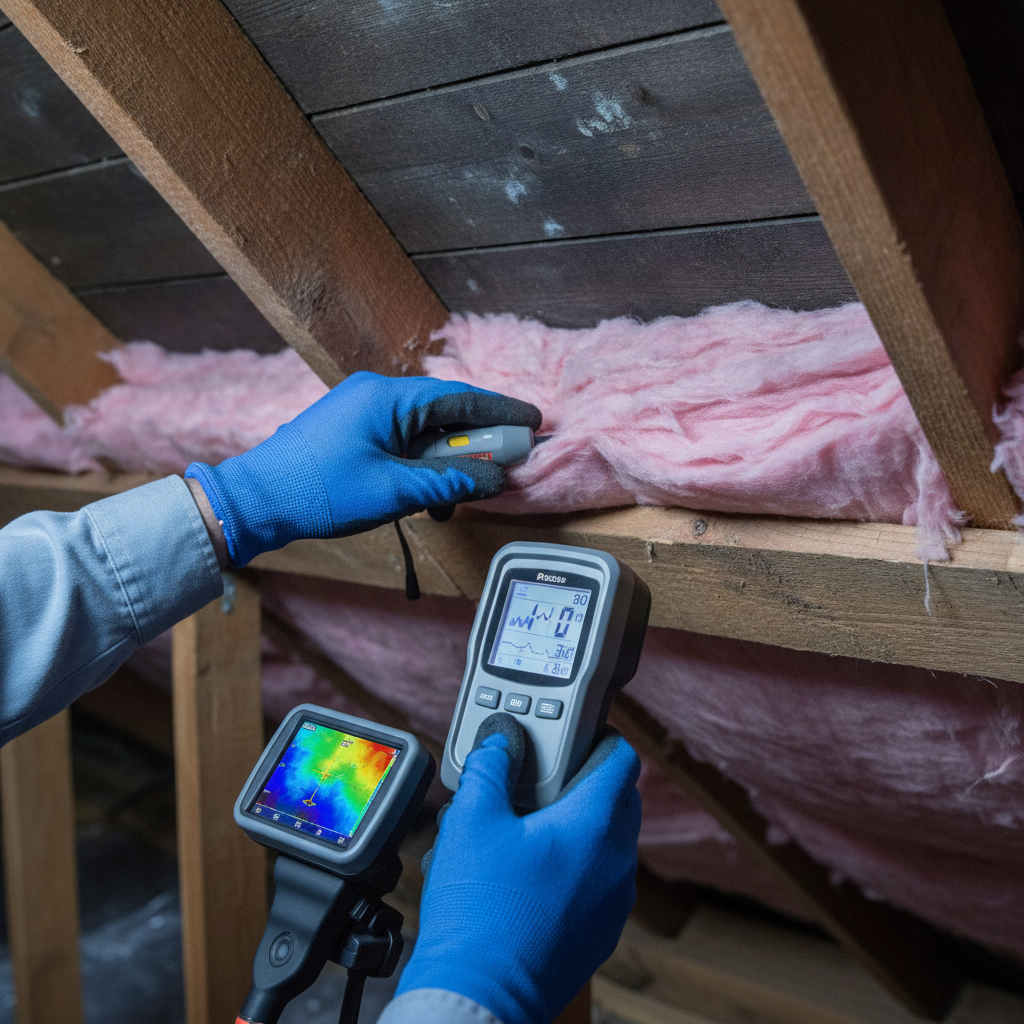
Because moisture is the thread that connects many defects, look for lab time with thermal imagers and pinless/pin meters. Practice distinguishes a casual observer from a professional inspector who can spot subtle patterns—stained sheathing in the attic, efflorescence on foundation walls, or a warm breaker under load.
Types of programs and training pathways
Home inspection education comes in three formats: fully online, in-person bootcamps, and hybrid programs. Choose online for scheduling flexibility, in-person for immersive labs, or hybrid to balance convenience with repeated hands-on practice under instructor supervision.
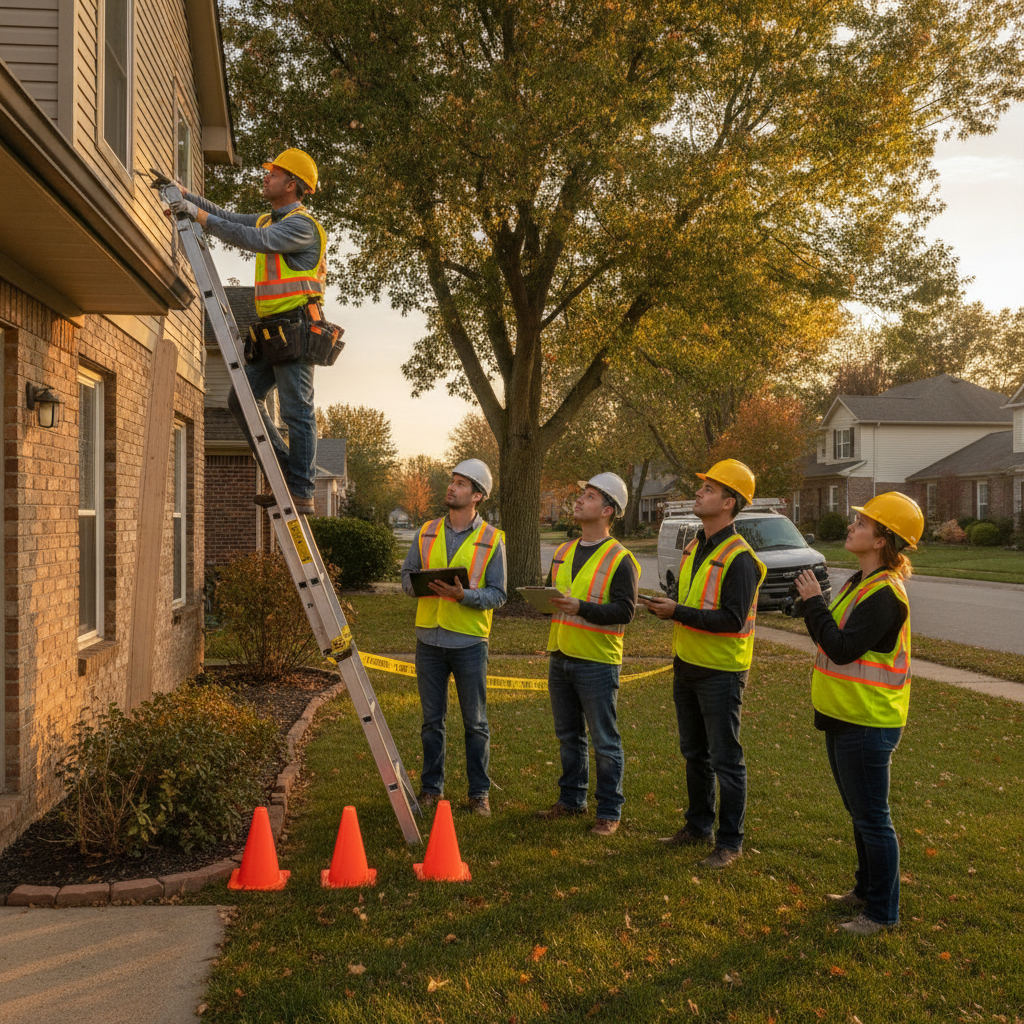
Different people learn differently. If you’re balancing work and family, online modules help you progress steadily. If you’re shifting from construction to inspection and want fast immersion, in-person bootcamps compress learning with daily labs. Hybrid blends both, ensuring you don’t miss tactile skills like ladder safety and roof evaluation.
| Format | Strengths | Trade-offs | Best for |
|---|---|---|---|
| Online | Flexible pacing; self-study quizzes; recorded demos | Limited real-time feedback; fewer tactile reps | Career-changers with variable schedules |
| In-person | Daily labs; immediate instructor critique; peer learning | Fixed schedule; commute; fewer replays of lectures | Hands-on learners, fast-track bootcamps |
| Hybrid | Best of both; repeat videos + scheduled field days | Requires self-discipline and calendar planning | Most students seeking balance |
- Field labs to prioritize: Attic inspection technique, roof walking and safe alternatives, service panel inspection, fixture testing, combustion appliance evaluation.
- Capstones worth doing: Full mock inspections with instructor shadowing and a graded, client-ready report.
- Bridge to work: Career workshops, templates, and mentorship accelerate your first 10–20 paid inspections.
Best practices for choosing a school
Vet schools by outcomes: instructor credentials, field lab hours, quality of reporting instruction, and mentorship. Talk to recent grads, audit a trial lesson, and review sample reports. Favor programs that drill moisture diagnostics, electrical safety, and attic-to-foundation inspection flow.
Use this practical checklist as you compare options:
- Instructor depth: Look for active inspectors with residential and, ideally, light-commercial experience. Ask what they actually inspect weekly.
- Structured labs: You want repeated reps on attics, roofs (or safe alternatives), service panels, plumbing fixtures, and HVAC startups.
- Reporting practice: Ensure you’ll write multiple graded reports with feedback on clarity, photos, and recommendations.
- Ethics and standards: Confirm coverage of standards of practice and real scenarios that test impartiality.
- Career support: Templates, mentorship, and guidance for your first client calls are difference-makers.
We recommend reviewing at least three sample reports from each school. Compare narrative clarity, photo labeling, and how limitations are disclosed. The report is what your client keeps; its quality determines whether agents and buyers refer you again.
It also helps to study general certification planning frameworks from professional education providers for a sense of rigor and sequencing. This overview of structured certification steps provides useful planning context: see this certification roadmap discussion.
Have questions about how school skills translate on the job? Speak with our field team about real-world inspection workflows and reporting expectations. Visit our Asmhomeinspection homepage to get in touch.
Tools, resources, and certifications
Build an essential toolkit—inspection software, moisture meters, thermal imagers, GFCI testers—and learn industry standards from recognized organizations. Seek programs that teach both the tools and the judgment needed to use them well in attics, basements, roofs, and utility spaces.
Tools support judgment, not the other way around. Schools should provide hands-on practice with ladders, personal protective equipment, cameras, moisture meters, receptacle testers, and combustion gas detectors. They should also teach when not to proceed—unsafe roof pitch, damaged ladder feet, or an overheated panel.
- Software workflow: Practice capturing defects, tagging locations, and writing recommendations that clients understand.
- Moisture triad: Visual cues, meter confirmation, and thermal scanning to build defensible conclusions.
- Electrical safety: De-energize when appropriate, keep one hand rule in mind, and document limitations.
- Combustion safety: Observe venting, clearances, and flame patterns; verify manufacturer data plates and accessible shutoffs.
Electrical modules should emphasize real-world defect patterns and safe panel access. For background reading on why electrical diligence matters in residential inspections, explore this practitioner-oriented electrical inspection guide.
Certification matters because it codifies competence and ethics. Many practicing inspectors pursue credentials from industry bodies for ongoing education, peer standards, and client confidence. In our practice, emphasizing structured learning and peer-reviewed standards keeps our reporting consistent across pre-purchase, pre-listing, new construction, move-in, and maintenance inspections.
Case studies and examples
Training shows its value when real houses test your skills. These brief scenarios illustrate how attic ventilation, roof drainage, electrical safety, and moisture tracking play out during actual inspections—and how school habits guide clear, defensible reporting.
Scenario 1: Attic ventilation and insulation shortfalls
During a late-spring inspection, a warm attic revealed uneven insulation and blocked soffit vents. Thermal imaging showed hot streaks along rafters. Because school labs stressed airflow principles, our inspector traced the pattern to compressed batts and missing baffles, then recommended restoration and balanced intake/exhaust.
- Habits applied: Observe, measure, verify with a second tool, document with photos, and write a plain-English recommendation.
- Outcome: The buyer understood energy and moisture risks and negotiated targeted remediation.
Scenario 2: Active leak at exterior
Staining at a window head and high moisture readings signaled a flashing issue. Training on water-shedding details led to a focused narrative: probable failed flashing or sealant, recommend licensed contractor evaluation, and monitor interior finishes after repair for new staining.
- Habits applied: Moisture triad (visual, meter, thermal) and conservative, action-oriented reporting.
- Outcome: The client prioritized exterior repairs before closing.
Scenario 3: Service panel limitations
A service panel located in a cramped closet limited safe access. School-taught safety principles—clear workspace and personal protective equipment—guided a partial evaluation and a documented limitation. The report suggested an electrician evaluate the entire system for code and safety.
- Habits applied: Safety first, then transparent limitation language and referral.
- Outcome: The client appreciated the caution and took next steps with a specialist.
Prospective students often ask how to benchmark real inspector expectations. One practical approach is to review profiles in professional directories to see how practitioners describe scope and specialties—this sample inspector profile shows typical service positioning.
Local considerations for Suite 2000
- Plan field practice around seasonal shifts. Attic ventilation and roof drainage issues surface after freeze-thaw cycles; schedule labs when snowmelt or spring rains reveal patterns.
- Expect mixed housing stock. Older homes and newer builds sit side-by-side, so training should cover legacy electrical, cast-iron drains, modern materials, and building-envelope upgrades.
- Coordinate with real estate rhythms. Transaction volume clusters mid-week and weekends; practice same-day PDF reporting to support agent timelines.
Frequently Asked Questions
The quick answers below address format, hands-on training, licensing alignment, and how to transition from school to paid inspections. Each response is concise so you can compare programs and plan your next step immediately.
What should a solid curriculum include?
Look for coverage of structure, roofing, exterior, interior, insulation and ventilation, electrical, plumbing, HVAC, and reporting. Prioritize programs with repeated field labs and graded report writing. You’ll use those skills daily on inspections and when explaining findings to clients.
How important is hands-on training compared to online modules?
Both matter. Online content builds vocabulary and system knowledge. Hands-on labs teach ladder safety, roof evaluation, panel access, and real defect recognition. A hybrid approach gives you the repetition and instructor feedback needed to write stronger, client-ready reports.
Do I need certification to start inspecting?
Requirements vary by jurisdiction. Many inspectors pursue recognized credentials to validate ethics and competence and to access continuing education. Choose a school that teaches standards of practice and prepares you for both exams and real client communication.
How do I transition from school to my first paid inspections?
Start with several mentored mock inspections, refine your narrative templates, and rehearse your client summary. Build relationships with local agents by emphasizing same-day PDF reporting and consistent communication. Your first 10–20 inspections set your quality baseline.
Where can I see examples of inspector positioning and services?
Browse professional directories and practitioner profiles to observe service descriptions and specialties. Reviewing how experienced inspectors present scope and reporting can help you shape your own positioning after graduation.
Key takeaways
Choose a school that pairs building-science fundamentals with repeated field labs and report writing. Favor programs that drill moisture diagnostics, electrical safety, and ethics. Your education should translate directly to clear, same-day reporting and confident, client-facing communication.
- Start with outcomes: strong instructors, hands-on labs, and graded reports.
- Pick the right format: online for flexibility, in-person for immersion, hybrid for balance.
- Build a practical toolkit and learn when to defer for safety.
- Use mentorship to accelerate your first 10–20 paid inspections.
- Keep learning—attic, roof, electrical, plumbing, and HVAC evolve with building practices.
Related topics & next steps
Build breadth and depth: pair your coursework with targeted practice in attic ventilation, roof drainage, electrical safety, and moisture tracking. Align your learning with reporting standards so graduates deliver clear, timely, and defensible findings from day one.
- Shadow an active inspector for two to three full inspections.
- Practice a complete attic-to-foundation flow on a test property.
- Refine your report templates and photo labeling conventions.
If you want a practitioner’s perspective on how education translates to real service delivery, explore our work and contact us through the Asmhomeinspection website. We perform residential and commercial inspections, including pre-purchase, pre-listing, new construction, move-in, and annual maintenance inspections across a wide local area.
Conclusion
The best home inspection schools align rigorous building-science instruction with repetitive field practice and report-writing mastery. When your training mirrors real work, you reduce risk, protect clients, and become the kind of inspector agents trust and recommend.
Here’s the bottom line: pick programs that teach systems in context, not isolation. Seek mentors who review your reports like real clients will. And commit to habits—observe, verify, document—that turn classroom knowledge into confident, client-ready inspections. When you’re ready to see how those habits play out on live jobs, our team at Asmhomeinspection is happy to share field-tested insights.