
Home inspection reports are the written, photo-rich documents you receive after a professional inspection that detail a property’s condition, safety concerns, and maintenance needs. They summarize findings by system (roof, structure, plumbing, electrical, HVAC) and prioritize actions. For GTA clients served from our Suite 2000 Toronto base, these reports drive confident, on-time decisions with same-day PDFs.
By Asmhomeinspection
Last updated: May 22, 2026
Overview
A home inspection report explains a property’s condition in clear, organized language with photos and prioritized recommendations. It’s designed to be read quickly, referenced during negotiations, and used as a maintenance roadmap. With same-day PDF delivery, you can act fast while details are fresh.
Here’s how this complete guide helps you read, use, and get the most from home inspection reports—especially if you’re buying, selling, or managing property across the GTA.
- What a modern report includes and how to scan it fast
- Why reports matter for safety, negotiation, and planning
- Step-by-step: from booking to same-day PDF delivery
- Report types and formats you’ll encounter
- Best practices to avoid surprises after closing
- Tools, resources, and real GTA examples you can learn from
Use this quick table of contents to jump where you need:
- What is a home inspection report?
- Why it matters
- How it’s created (step-by-step)
- Types and formats
- Best practices
- Tools and resources
- GTA case studies
- FAQ
- Conclusion and next steps
What Are Home Inspection Reports?
A home inspection report is a structured document that records observed conditions and material defects found during a visual inspection. It organizes findings by system, includes annotated photos, and closes with clear recommendations so buyers, sellers, and investors can decide with confidence.
Think of the report as your property’s field manual. It’s concise enough to skim in minutes yet detailed enough to guide negotiations and future upkeep. Most reports include 50–150 photos, quick severity flags, and a summary page so you can sort priorities fast.
- Core sections you’ll see
- Executive summary: high-priority safety and function items.
- Roof, exterior, structure/foundation, interior finishes.
- Plumbing, electrical, HVAC (heating and cooling), attic and insulation.
- Garage, decks, stairs and railings, doors and windows.
- Appliances tested (where applicable) and ancillary notes.
- How findings appear
- Narrative explanations in plain English and simple severity labels.
- Photos with arrows or circles noted in the PDF (no special software needed).
- Recommendations: repair, monitor, evaluate further, or replace.
- Delivery speed matters
- Timely reporting prevents deal delays. With same-day PDFs, you can request quotes or credits the same afternoon.
In our experience supporting GTA buyers and agents, clarity beats length. We keep language direct, use consistent headings, and structure summaries so your next step is obvious.
| Section | What You’ll Learn | Common Next Step |
|---|---|---|
| Summary | Top issues with quick severity cues | Decide repair vs. credit strategy |
| Roof & Exterior | Roof covering, flashing, gutters, siding | Get roofer estimate if nearing end of life |
| Structure & Foundation | Visible movement, cracks, moisture signs | Engineer evaluation if structural risk |
| Plumbing | Supply/drain piping, fixtures, water heater | Licensed plumber for leaks or aging piping |
| Electrical | Service size, panel, breakers, receptacles | Electrician for hazards or outdated components |
| HVAC | Heating/cooling condition and operation | Service or replacement planning |
| Attic & Insulation | Ventilation, insulation depth, moisture | Improve ventilation or add insulation |
| Interior | Walls, ceilings, floors, windows, doors | Repairs or cosmetic updates |
Why Home Inspection Reports Matter
Inspection reports protect health, safety, and budgets. They reduce uncertainty before closing, help sellers plan repairs, and give investors a maintenance roadmap. A clear report with photos and priorities supports fair negotiations and smarter ownership decisions.
Reports turn unknowns into action items. They flag safety issues (like improper electrical bonding), functional problems (like roof leaks), and deferred maintenance. They also show what’s working, which keeps context balanced during negotiations.
- For buyers
- Spot hidden defects early and request credits or repairs.
- Compare properties apples-to-apples using consistent report formats.
- Plan first-year maintenance by urgency, not guesswork.
- For sellers
- Pre-listing reports prevent negative surprises mid-transaction.
- Address quick fixes that raise buyer confidence.
- Disclose cleanly and build trust with documentation.
- For investors and managers
- Annual maintenance reports help forecast capital projects.
- Portfolio consistency: the same structure across multiple assets.
- Faster vendor scoping with clear photo evidence.
Working with InterNACHI- and CCPIA-certified inspections means breadth across roof, foundation, plumbing, electrical, HVAC, and more—plus the practical context you need to decide now, not later.
Local considerations for Suite 2000
- Seasonal freeze–thaw cycles can widen hairline foundation cracks. Prioritize exterior drainage notes in your report.
- Cold snaps challenge attic ventilation and insulation. Flag condensation or staining for closer follow-up before humidity rises.
- Multi-unit and mixed-use buildings see higher mechanical loads. Treat HVAC and electrical recommendations as time-sensitive.
How Home Inspection Reports Are Created (Step-by-Step)
A professional inspection follows a repeatable workflow: schedule, pre-brief, on-site evaluation, photo documentation, findings review, and same-day PDF delivery. The result is a structured report that prioritizes safety, function, and maintenance.
Here’s the field-tested process our clients experience when they book through ASM Home & Commercial Inspection.
- Booking and scope alignment
- Set goals (buyer due diligence, pre-listing, annual checkup, or move-in documentation).
- Confirm property type and size to plan the on-site timeline.
- Pre-inspection briefing
- Share seller disclosures, renovation notes, or areas of concern (e.g., past leaks).
- Clarify access (attic, garage, utility rooms, mechanical spaces).
- Exterior and roof
- Observe roofing, flashing, gutters, siding, grading, and drainage patterns.
- Document visible wear, ponding, or damage with photos.
- Structure and foundation
- Check for movement, cracks, moisture intrusion signs, and framing anomalies.
- Note patterns (size, direction, location) to distinguish cosmetic from structural concerns.
- Plumbing, electrical, HVAC
- Operate fixtures, review service panels, and run basic heating/cooling cycles where conditions allow.
- Photograph serial plates and observed defects for the report log.
- Attic, insulation, and ventilation
- Look for staining, ventilation blockages, missing baffles, and insulation depth variations.
- Interior and safety
- Test windows/doors, GFCIs where accessible, stair railings, and smoke/CO detectors if present.
- Catalog cosmetic vs. functional issues to keep priorities clear.
- On-site recap
- Walk through major observations so there are no surprises later.
- Set expectations for your same-day PDF delivery window.
- Report assembly and QA
- Organize photos, write clear narratives, and tag priority levels.
- Quality review for readability and consistency before delivery.
- Same-day PDF delivery
- Receive your report digitally so you can start actioning items immediately.
- Schedule follow-up calls for clarifications or repair planning.
| Phase | Typical Duration | Primary Output |
|---|---|---|
| On-site inspection | 2.5–4.0 hours (varies by size) | Photo set and field notes |
| Compilation & QA | 1–2 hours | Organized report draft |
| Delivery | Same day | Final PDF with summary |
Need a walkthrough of your findings? Book a quick consult after delivery—our team at ASM Home & Commercial Inspection is happy to clarify any item so you can move forward confidently.
Types and Formats of Inspection Reports
Most reports fall into two styles—narrative and checklist—with delivery as a same-day PDF or a secure web link. Choose clarity first: a readable summary, labeled photos, and actionable recommendations beat sheer page count every time.
Here’s how formats differ and when to prefer each.
- Narrative reports (descriptive)
- Plain-language explanations give context and describe implications.
- Best for complex properties or first-time buyers who want more guidance.
- Checklist reports (structured items)
- Fast to scan with pass/defect/monitor tags.
- Great for investors, agents, or large portfolios comparing multiple assets.
- PDF delivery (universal)
- Opens on any device, easy to forward to contractors or attorneys.
- Ideal when timelines are tight and no portal access is needed.
- Web portals (interactive)
- Enable clickable indexes, filters, and sometimes repair request lists.
- Helpful on multi-property acquisitions and team workflows.
- Ancillary add-ons (when applicable)
- Mold, air quality, or well/septic screenings may be reported separately.
- In commercial spaces, life-safety and accessibility notes may appear.
Whichever format you choose, insist on a one-page summary, labeled photos, and clear next steps. That keeps your decision path short and your documentation airtight.
Best Practices to Read and Use Your Report
Scan the summary first, then tackle safety-critical items, water intrusion risks, and active leaks. Use photo evidence to get quotes, document repairs, and negotiate fairly. Finally, convert lower-priority items into your first-year maintenance plan.
These practices save time and stress—especially on tight closing timelines.
- Start with the executive summary
- Circle back to details later. The first page points you to the real risks.
- Prioritize safety and moisture
- Address electrical hazards and active leaks immediately to limit damage.
- Use photos as your checklist
- Send labeled images to contractors to scope accurate work quickly.
- Document everything
- Keep a folder with the PDF, quotes, invoices, and repair photos for future resale.
- Align with market context
- Understanding local supply and demand helps frame negotiation priorities; this guide to reading a market report can sharpen your approach.
- Schedule re-inspection if needed
- When repairs are completed pre-closing, request verification through our inspection team.
Keep momentum: resolve urgent issues, negotiate fairly with photos, and build a simple maintenance calendar for the rest. That’s the formula that works.
Tools and Resources Behind Great Reports
Great reports combine disciplined methodology with clear photos and organized notes. Expect consistent checklists, moisture tracking, accessible language, and same-day digital delivery. The mix produces accuracy you can trust and action the same day.
Behind the scenes, repeatable systems drive quality and speed.
- Standardized checklists and narratives
- Consistent headings and severity tags keep reports predictable and easy to skim.
- Moisture-aware workflows
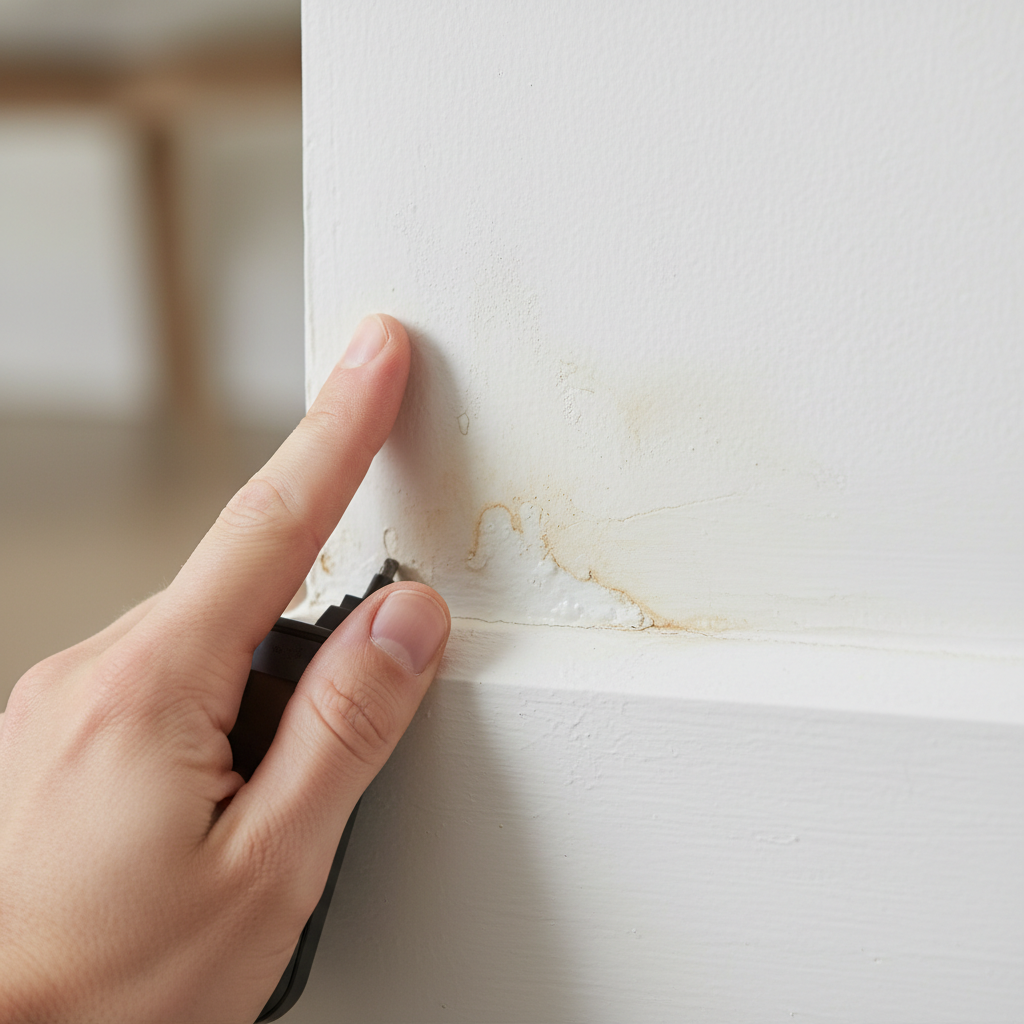
- Water is the enemy of buildings. We emphasize tracing stains, failed caulking, gutter issues, and poor grading.
- Clear photography practices
- Wide shots for context, close-ups for defects, and exterior views for drainage and roofing.
- Digital-first delivery
- Same-day PDFs support swift due diligence. For broader diligence context, this practical real estate due diligence checklist offers complementary perspective beyond building systems.
- Mobile-friendly experience
- Team workflows benefit from mobile optimization; see a practical feature checklist for smooth on-the-go coordination.
Our certified approach blends InterNACHI (residential) and CCPIA (commercial) standards in plain English. That’s how we produce reports that are readable, defensible, and fast to implement.
Case Studies and Real-World Examples from the GTA
Clear reporting changes outcomes: buyers negotiate smartly, sellers avoid surprises, and owners plan maintenance with confidence. These GTA scenarios show how structured findings and photos lead to better decisions in real time.
Here are condensed examples inspired by typical inspections we perform for GTA clients across residential and commercial properties.
- Pre-purchase townhome – roof drainage fix before closing
- Findings: clogged gutters and poor grading created moisture stains in the basement.
- Outcome: buyer negotiated seller-performed gutter cleaning and grading correction with follow-up verification.
- Lesson: water control first; it protects structure and finishes.
- New construction freehold – safety items documented
- Findings: missing stair handrail fasteners and reversed polarity at one receptacle.
- Outcome: builder corrected items prior to occupancy; report photos documented final condition.
- Lesson: even new builds need systematic checks.
- Pre-listing detached – smoother sale, fewer renegotiations
- Findings: aging water heater and end-of-life shingles.
- Outcome: seller disclosed, adjusted expectations, and priced accordingly; deal stayed on track.
- Lesson: transparency beats late-stage surprises.
- Commercial retail bay – HVAC reliability plan
- Findings: deferred maintenance on rooftop units and missing service documentation.
- Outcome: owner scheduled service and set semiannual checks based on our recommendations.
- Lesson: planned care reduces unplanned downtime.
- Move-in apartment – condition baseline for tenants
- Findings: minor door alignment and silicone failures in bath.
- Outcome: landlord addressed items before keys changed hands; photos archived for reference.
- Lesson: documentation protects both sides.
Want a similar outcome? Start with a clear scope and a same-day PDF you can act on immediately.

Frequently Asked Questions
Most people ask about timing, what’s included, and how to use findings. Expect a visual, non-invasive inspection with same-day digital reporting and clear next steps you can share with contractors or agents.
How long does a home inspection report take to arrive?
Reports are delivered digitally the same day in most cases. This fast turnaround lets buyers, sellers, and agents negotiate or schedule repairs while details are fresh and timelines are tight.
What’s actually included in a standard report?
You’ll see summaries and photos for major systems: roof, exterior, structure/foundation, plumbing, electrical, HVAC, attic/insulation, and interior. The report flags safety issues, functional defects, and maintenance items with plain-language recommendations.
Can I use the report to get contractor quotes?
Yes. Send labeled photos and the relevant narrative excerpts to contractors. This speeds up quoting and reduces miscommunication. Keep all quotes and repair photos with your PDF for clean documentation.
Do you inspect condos and commercial properties too?
Yes. We perform certified residential and commercial inspections across the GTA, including apartments/condos, retail, offices, industrial, hospitality, healthcare, and education facilities—all with clear, same-day digital reporting.
Conclusion and Next Steps
A strong home inspection report gives you clarity, speed, and leverage. Read the summary first, act on safety and moisture risks, then plan maintenance from the rest. With same-day PDFs, momentum stays on your side.
Here’s how to translate documentation into decisions—fast.
Key takeaways
- Use the summary to focus negotiations and immediate repairs.
- Water control (roof, gutters, grading) protects structure and interiors.
- Photos are your best tool for quotes, planning, and disclosure.
- Consistency across reports simplifies multi-property comparisons.
Action steps
- Schedule your inspection with ASM Home & Commercial Inspection.
- Share disclosures and concerns up front so we can tailor the focus.
- Review the same-day PDF, then request clarifications if needed.
- Use photos to get accurate quotes and align everyone on scope.
Ready when you are. Book an expert inspection and same-day report with our certified team at Asmhomeinspection.
Related Topics in the Inspection Series
Looking to go deeper? Explore specialized inspections—pre-purchase and pre-listing for smoother transactions, new construction for workmanship checks, move-in for condition baselines, and annual maintenance for long-term planning. Start with our inspection overview and we’ll guide you from there.