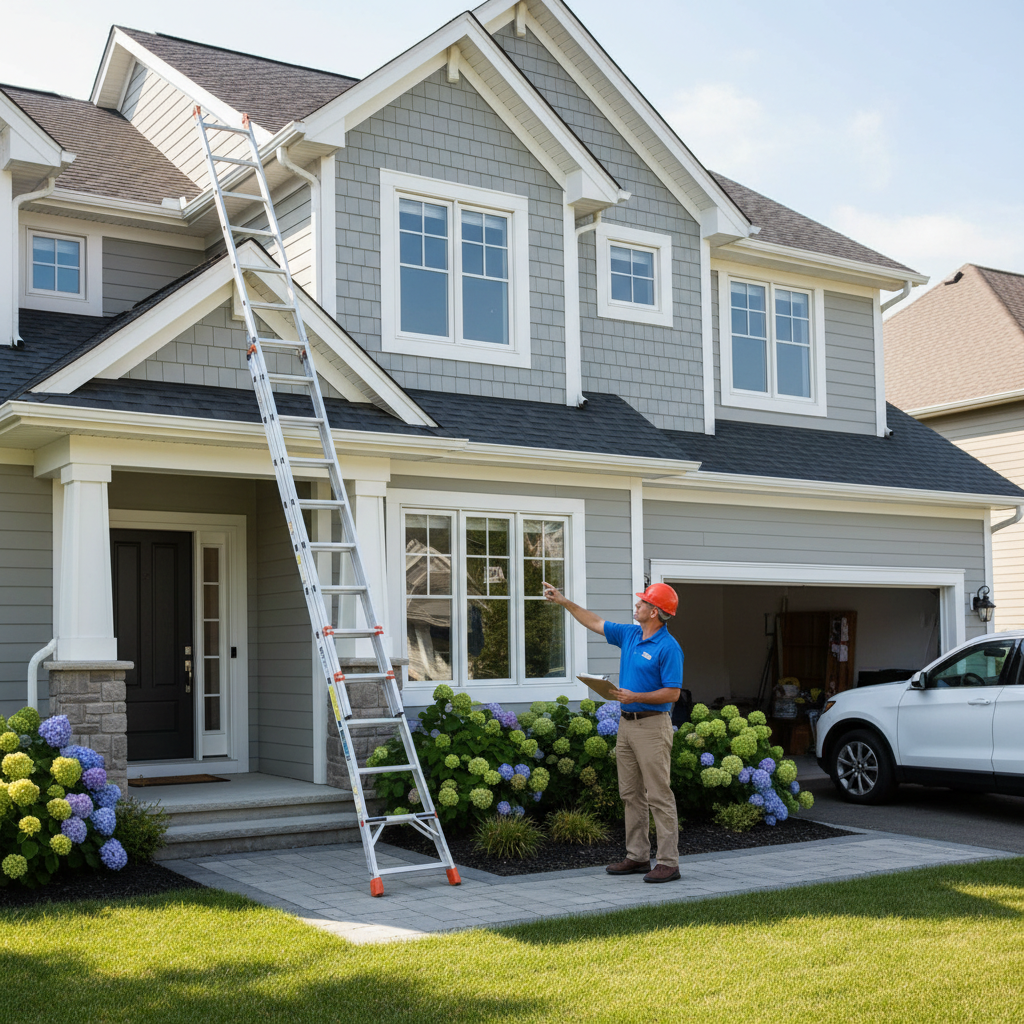
Home inspection rate refers to the amount a buyer, seller, or owner pays for a professional property evaluation. In Suite 2000, Toronto, rates reflect scope, property type, and inspector credentials. Choosing an InterNACHI and CCPIA certified partner like ASM ensures thorough findings and same-day PDF reporting without surprises.
By Asmhomeinspection • Last updated: 2026-05-25
Overview
A home inspection rate is shaped by scope, property characteristics, inspector expertise, and reporting speed. You’re paying for risk reduction and clarity. This guide explains what influences rates, how to compare proposals, and how ASM’s certified approach in the GTA delivers strong value without cutting corners.
Buying, selling, or maintaining a property hinges on clear facts. That’s what a quality inspection delivers—evidence, photos, and prioritized recommendations you can act on.
- What “home inspection rate” really includes (and what it doesn’t)
- How property type, age, and access influence effort
- How inspector certifications and tools impact outcomes
- Ways to compare proposals beyond headline numbers
- ASM’s certified process for same-day PDF reporting across the GTA
- Jump to: What is a home inspection rate? • Why rates matter • How rates are determined • Inspection types • Best practices • Tools & resources • Case examples • Rate factors matrix • FAQ
Local considerations for Suite 2000
- Seasonal moisture: GTA freeze–thaw cycles make roof, attic, and foundation moisture checks essential; schedule inspections before or after peak winter.
- Market timelines: Competitive offer cycles favor inspectors who deliver same-day PDF reports so you can negotiate fast.
- Condo/strata access: Coordinate with building management early for mechanical rooms and roof access to avoid rescheduling.
What Is a Home Inspection Rate?
A home inspection rate is the professional fee for an objective, system-by-system evaluation of a property’s condition. It reflects inspection scope, the property’s complexity, and the inspector’s credentials. Strong rates fund thorough diagnostics, clear photos, and same-day PDF reports that de-risk major decisions.
At ASM Home & Commercial Inspection, “rate” isn’t just time-on-site. It covers planning, onsite testing, and documented reporting you can use to negotiate or prioritize maintenance. Scope typically spans the roof, attic, exterior, structure/foundation, interior, plumbing, electrical, and HVAC, with safety hazards flagged first.
- Objective purpose: Reveal material defects, safety concerns, and looming maintenance.
- Usable outputs: Photo-rich, same-day PDF reports that clarify condition and next steps.
- Applicability: Pre-purchase, pre-listing, new construction, move-in, annual maintenance, and commercial inspections.
Because every property is unique, a good proposal defines scope up front, so you know exactly what’s included and how findings will be documented for fast decision-making.
Why Home Inspection Rates Matter
Home inspection rates matter because they correlate with inspection depth, documentation quality, and reporting speed. A well-structured rate buys risk reduction—issues found early cost less to handle than those discovered after closing or during operations.
For buyers, a thorough inspection can surface roof, foundation, electrical, or moisture intrusion issues before they become budget or safety surprises. For sellers, addressing flagged items pre-listing can reduce renegotiations. Investors and property managers use standardized reporting to compare multiple options quickly.
- Negotiation leverage: Same-day reports keep you competitive on tight timelines.
- Safety first: Electrical hazards, gas leaks, or structural concerns are identified and prioritized.
- Maintenance planning: Items like aging HVAC or poor attic ventilation are documented with practical next steps.
- Portfolio clarity: Investors benefit from consistent reports across several properties.
In our experience across GTA communities, clarity beats speculation. When you can show photos and notes from an InterNACHI and CCPIA certified inspector, negotiations get more focused and timelines stay on track.
How Home Inspection Rates Are Determined
Inspection rates are driven by scope, property complexity, access, reporting requirements, and inspector credentials. Align the rate to the risk you’re managing: more systems, older properties, limited access, and urgent reporting increase professional effort.
At ASM, we calibrate effort to risk. Complex roofs, multi-unit buildings, and older systems require more documentation and coordination. Condo inspections tend to emphasize shared systems and unit interiors, while detached homes require broader exterior and structural review.
Core factors that influence rate
- Scope and systems: Roof, attic, structure/foundation, interior, plumbing, electrical, HVAC, and more.
- Property type: Detached, townhouse, condo, multi-unit residential, or commercial spaces.
- Age and condition: Older or recently renovated properties often take additional time to assess workmanship and materials.
- Access and coordination: Mechanical rooms, rooftops, and crawl spaces add logistics.
- Documentation needs: Same-day PDF reporting, photo labeling, and summary pages require focused time.
- Inspector credentials: InterNACHI and CCPIA certifications signal training, standards, and reporting rigor.
| Factor | Impact on Effort | What to Clarify in Proposal |
|---|---|---|
| Scope breadth | Higher with more systems | Which systems and components are included |
| Property type | Varies by building complexity | Single unit vs. multi-unit vs. commercial |
| Age/renovations | Older or mixed-era upgrades add checks | Known upgrades, permits, additions |
| Access needs | Roof, attic, crawl spaces increase time | Keys, fobs, ladders, schedule windows |
| Reporting speed | Same-day PDF requires prep focus | Photo count, summary, delivery time |
| Certifications | Standards raise quality | InterNACHI and CCPIA involvement |
When proposals look similar, ask about documentation detail, photo labeling, and turnaround. The right rate covers the professional time it actually takes to deliver a decision-ready report.
Types of Inspections That Shape Your Rate
Different inspection types emphasize different risks. Pre-purchase and pre-listing focus on material defects, new construction checks workmanship and code-related concerns, while annual maintenance prioritizes emerging issues. Commercial scopes add systems and coordination.
ASM covers residential and commercial needs across the GTA. Matching the inspection type to your situation keeps the home inspection rate aligned to the value you need.
Residential focus (buyers, sellers, owners)
- Pre-purchase inspection: Full review of major systems before you commit.
- Pre-listing inspection: Find and address issues before buyers do.
- Move-in inspection: Document current condition at handover for landlords and tenants.
- Annual maintenance inspection: Track wear items and plan proactive repairs.
New construction
- Phase or final inspection: Verify visible workmanship and major systems, and flag incomplete items.
- Punch-list clarity: Provide documented items for builder follow-up.
Commercial properties
- Retail and office: Fit-out quality, HVAC capacity, electrical safety, and roof condition.
- Industrial and warehouses: Structural observations, roofing, drainage, and utility areas.
- Hospitality and healthcare: Water intrusion risks, ventilation, and equipment rooms.
- Education and places of worship: Gathering areas, egress, and accessibility considerations.
Because commercial buildings vary widely, proposals clarify common areas, tenant spaces, roof access protocols, and documentation needs—key drivers behind rate and timeline.
Best Practices to Get Strong Value from Your Inspection
To maximize inspection value, clarify scope in writing, ensure access to all areas, share known issues, and confirm same-day PDF reporting. Choose certified inspectors who explain findings clearly and prioritize safety items first.
We’ve found great outcomes come from simple preparation and crisp expectations. Here’s how to align effort and value, whether you’re a first-time homebuyer or managing a portfolio.
Before the inspection
- Define scope: Confirm systems covered and any add-ons you need.
- Coordinate access: Mechanical rooms, roofs, crawl spaces, and garages.
- Share history: Provide permits, renovation notes, or past issues.
- Set delivery expectations: Same-day PDF report keeps decisions moving.
During the inspection
- Be available: Attend or be reachable for real-time questions.
- Ask “why” often: Understanding cause prevents repeat issues.
- Focus on safety first: Electrical, gas, structural, and moisture concerns rise to the top.
After the inspection
- Use the summary: Tackle top-priority items quickly; plan maintenance over time.
- Document negotiations: Quote repairs with photos and report notes.
- Schedule follow-ups: Annual maintenance inspections keep small issues small.
If you need an experienced, certified team, you can book with ASM for InterNACHI and CCPIA-guided service across the GTA.
Tools and Resources That Influence Quality
Quality inspections rely on systematic methods, trained eyes, and appropriate diagnostic tools. While not every tool is used on every property, disciplined methodology and clear reporting consistently raise inspection value.
ASM’s emphasis is thorough observation and documentation across major systems, with special attention to moisture intrusion risks—a leading driver of long-term damage when left unchecked.
Field approach
- Repeatable method: Exterior-to-interior, top-to-bottom sequences reduce misses.
- Moisture-aware thinking: Roof drainage, attic ventilation, and foundation grading get focused checks.
- Photo-first documentation: Visuals anchor recommendations and negotiations.
Helpful tools in practice
- Ladders and lighting: Enable close inspection of roofs, attics, and mechanicals.
- Moisture detection: Targeted checks where stains, odors, or risk factors exist.
- Circuit testers and basic meters: Screen for obvious electrical or HVAC performance concerns.
Method beats gadgets. The right home inspection rate funds time to investigate the story behind each symptom and to explain the “why” in plain language.

Case Studies and Examples from the GTA
Real-world scenarios show how scope and complexity shape inspection effort. Across GTA homes and small commercial spaces, the highest-value inspections uncover moisture, safety, or structural issues early and present fixes clearly.
Here are anonymized snapshots that mirror what we see weekly.
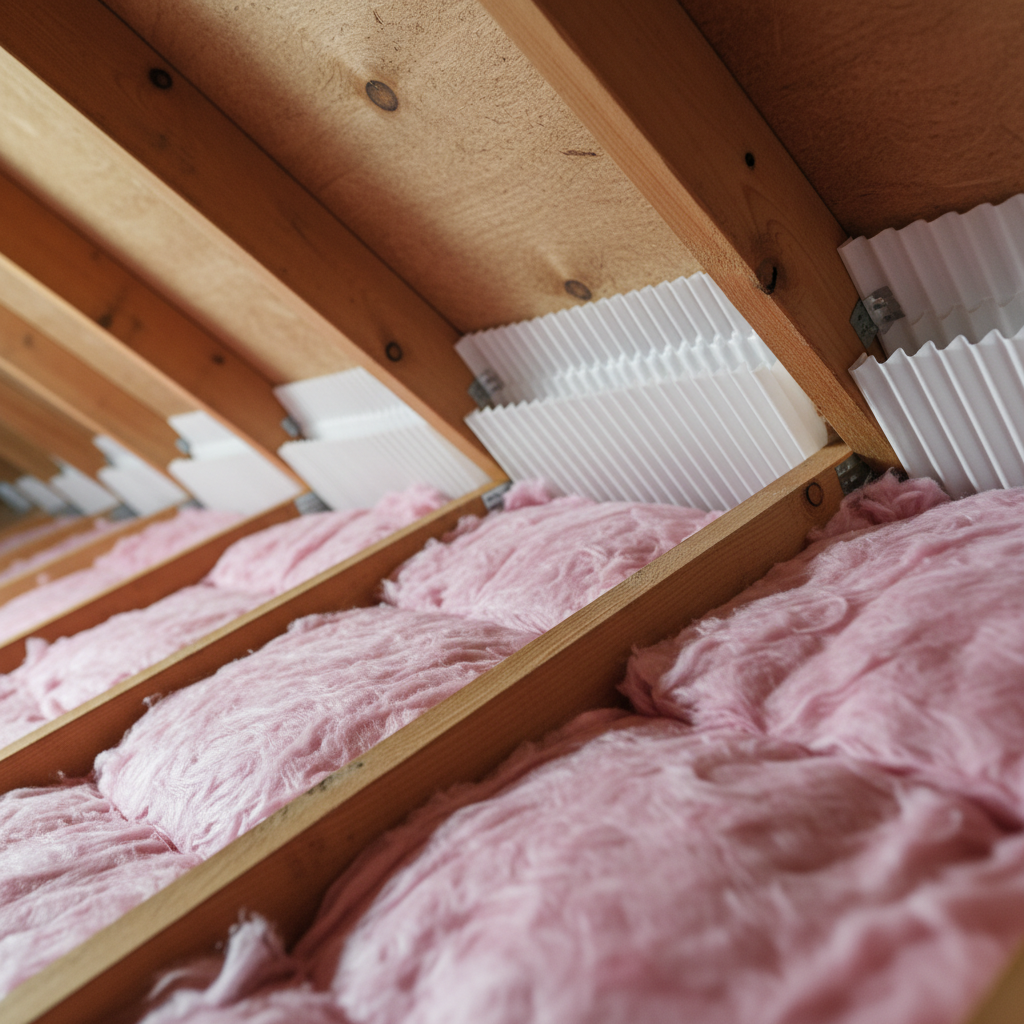
- Buyer, detached home: Attic had blocked soffit vents and high humidity staining. Recommendation: restore ventilation path and improve bathroom exhaust routing. Outcome: negotiated timeline for remediation prior to closing, with documentation from the same-day report.
- Seller, townhouse: Minor railing instability and a GFCI upgrade note. Seller addressed items pre-listing, reducing renegotiation risk once offers came in.
- Investor, duplex: Mixed-era upgrades with two electrical panels. Noted labeling gaps and bonding concerns for an electrician to correct. Clear photos enabled consistent quotes from multiple trades.
- Condo owner: Window seal failure and bathroom caulking wear documented. Condo board notified for shared elements; owner handled unit-level maintenance promptly.
- Retail space: Roof drains partially clogged and HVAC filter history unclear. Landlord-tenant conversation led to a service schedule and better record keeping.
Each example underscores why home inspection rate isn’t a commodity: different buildings require different effort and different documentation detail to achieve a safe, smooth transaction.
The Rate Factors Matrix: Compare Proposals the Right Way
Compare inspection proposals by mapping scope, access, documentation, and credentials—not just the headline fee. The best choice is the one that reduces your risk the most within your timeline.
Use this matrix to normalize proposals before you decide.
| Proposal Element | What to Look For | Why It Matters |
|---|---|---|
| Systems covered | Roof, attic, structure, plumbing, electrical, HVAC | Catches cross-system issues like moisture or ventilation |
| Access plan | Attic/roof access, mechanical rooms, crawl spaces | Prevents rescheduling and missed areas |
| Reporting speed | Same-day PDF with photo summary | Keeps negotiations on schedule |
| Inspector credentials | InterNACHI and CCPIA membership | Standards, ethics, and training |
| Moisture strategy | Ventilation, drainage, and envelope awareness | Reduces long-term damage risk |
| Communication | Clear explanations and prioritized findings | Helps you act confidently |
If you’re ready for a certified inspection with clear deliverables, schedule with ASM and get a same-day PDF report that supports your next move.
Why ASM’s Certified Process Supports Fair Rates
ASM’s InterNACHI and CCPIA certifications, GTA coverage, and same-day reporting align effort to risk. You get comprehensive system reviews, practical recommendations, and documentation built for negotiations.
Our approach reflects what buyers, sellers, agents, and owners ask for most:
- Certified expertise across residential and commercial properties
- System-by-system methodology that prioritizes safety
- Same-day PDF reporting to match competitive timelines
- Service across GTA municipalities for convenient scheduling
Explore how we work and contact our team to discuss your next inspection.
Free Planning Call: Align Scope to Your Goals
Not sure which inspection scope fits your property? A quick planning call clarifies risk, access needs, and reporting priorities so your rate aligns with the outcome you want.
Tell us whether you’re buying, listing, moving in, or planning annual maintenance across a portfolio. We’ll outline a scope that fits your timeline and ensures decision-ready documentation.
Talk with ASM about your next inspection in the GTA.
Helpful External Context
Context from the broader real estate ecosystem helps you plan timelines and expectations. Explore insurance, valuation, and market perspectives to round out your due diligence.
While ASM focuses on inspection, it’s smart to understand adjacent topics that often influence closing timelines and risk. For perspective on home-related risk factors and valuation thinking, see these resources:
Explore Ontario home insurance context to understand risk drivers insurers consider. For valuation perspective, this Ontario value guide outlines factors agents watch. Local service listings like inspector directories can help you compare providers.
Frequently Asked Questions
Common questions center on scope, timing, and how to compare proposals. Here are clear answers you can use right away, without getting lost in jargon.
What does a standard home inspection include?
A standard inspection reviews major systems and components: roof, attic, exterior, structure/foundation, interior, plumbing, electrical, and HVAC. Safety items are prioritized, and you receive a same-day PDF with photos and clear next steps.
How long does a home inspection take?
Timing depends on property size, access, and complexity. What matters most is quality: complete access, systematic checks, and a photo-rich same-day report so you can act within your offer or listing window.
Do condos require different inspection steps?
Yes. Condo inspections emphasize the unit interior while coordinating with building management for roof or mechanical access when relevant. Reports distinguish unit responsibilities from shared elements overseen by the condo board.
What if the inspection finds serious issues?
Your report will prioritize safety and major defects. Use it to negotiate repairs, request specialist evaluations, or plan maintenance. Clear photos and summaries make conversations with sellers, trades, or property managers more productive.
Can I be present during the inspection?
Yes. Attending helps you understand findings in real time and ask questions. If you can’t attend, your same-day PDF report provides photos, notes, and a clear summary so you can make decisions confidently.
Conclusion and Key Takeaways
The right home inspection rate funds thorough diagnostics, certified expertise, and same-day reporting. Compare proposals by scope and deliverables, not just headline fees, to get the risk reduction you actually need.
- Define scope, access, and reporting needs up front.
- Choose certified inspectors who prioritize safety and moisture risks.
- Use photo-rich, same-day PDFs to negotiate or plan maintenance.
- Normalize proposals with a factors matrix to compare like-for-like.
Ready to schedule in the GTA? Book with ASM for InterNACHI and CCPIA-certified inspections serving Suite 2000 and surrounding communities.