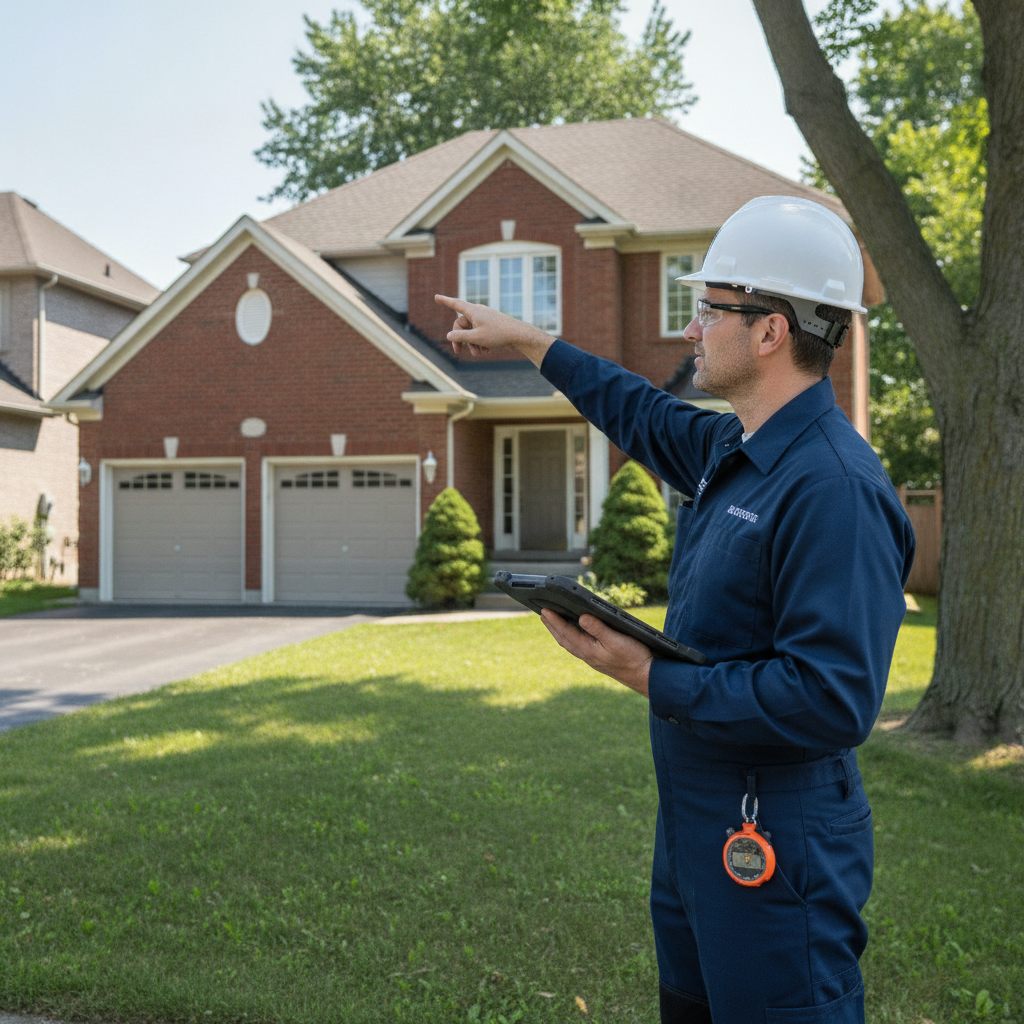
A standard home inspection takes about 2 to 3 hours for most single-family homes; larger, older, or complex properties can take 3 to 4+ hours. In Suite 2000 and across the GTA, Asmhomeinspection conducts system-by-system evaluations and provides a same-day PDF report—so your next move stays on schedule. This answers “home inspection how long does it take” for real buyers.
By Asmhomeinspection • Last updated: 2026-06-18
Overview: At a Glance
Most home inspections run 2–3 hours. Expect 3–4+ hours for large, older, or multi-unit properties. Timing depends on size, age, visible defects, and access to areas like the roof, attic, panel, and crawlspaces. Preparation shortens time. With Asmhomeinspection, you also receive a same-day PDF report for faster decisions.
Here’s the quick view of what drives inspection timelines and what you can do to keep the visit efficient—without sacrificing thoroughness.
- Typical duration: 2–3 hours for average homes; 3–4+ for large, older, or complex builds.
- Biggest variables: property size/age, roof and attic access, electrical panel conditions, moisture issues, and client questions on-site.
- Prep that saves time: utilities on, clear access to attic/panel/water heater/HVAC, unlocked garages, and any disclosures handy.
- Deliverable: Asmhomeinspection provides a same-day PDF report covering roof, attic, structure, electrical, plumbing, HVAC, and more.
Local considerations for Suite 2000
- Seasonal swings in the GTA can affect timing. Snow or heavy rain may slow roof access and require more attic and moisture checks.
- Peak moving seasons mean tighter schedules. Booking a GTA home inspection early helps secure ideal time slots.
- Condos and multi-unit properties often need coordination with building management for roof or mechanical room access—plan that in advance.
Introduction: Why timing matters in a home inspection
Inspection timing affects offer deadlines, negotiation leverage, and peace of mind. A clear plan prevents rushed decisions. Asmhomeinspection’s InterNACHI and CCPIA certified approach balances speed with depth, so you get reliable findings and a same-day report to act confidently.
Time affects outcomes. The right pace allows us to spot moisture intrusion early, verify system performance, and document safety concerns clearly.
- Decision windows: Many purchase agreements set short inspection periods. Finishing in 2–3 hours plus rapid reporting keeps you moving.
- Risk reduction: Moisture, electrical, or structural issues found during a measured review can change repair priorities or closing plans.
- Confidence: Our InterNACHI and CCPIA certified process emphasizes both thoroughness and clarity.
In our experience serving buyers, sellers, and investors across the GTA, disciplined timing yields better walkthroughs, clearer Q&A on-site, and stronger reports.
Before You Start (Prerequisites)
You can shorten inspection time by ensuring safe, clear access and all utilities are on. Confirm roof/attic access, unlock garages, and provide recent disclosures. A 5–10 minute prep call with Asmhomeinspection prevents avoidable delays and keeps the visit within the 2–3 hour range.
Small actions before the appointment often save 20–40 minutes on site. Here’s what we recommend.
- Confirm scope and occupants: Who will be present? Are pets crated? Any tenant schedules to consider?
- Ensure access: Attic hatch, electrical panel, water heater, furnace/air handler, and all bedrooms/closets should be unblocked.
- Utilities on: Water, power, and gas should be active to test fixtures, GFCIs, and HVAC modes.
- Disclosures and receipts: Have repair notes, permits, or equipment manuals ready—speeds verification.
- Exterior readiness: Clear gates; remove locks on sheds/garages when safe to do so.
- Safety devices: Replace dead batteries in smoke/CO alarms when possible (speeds functional checks).
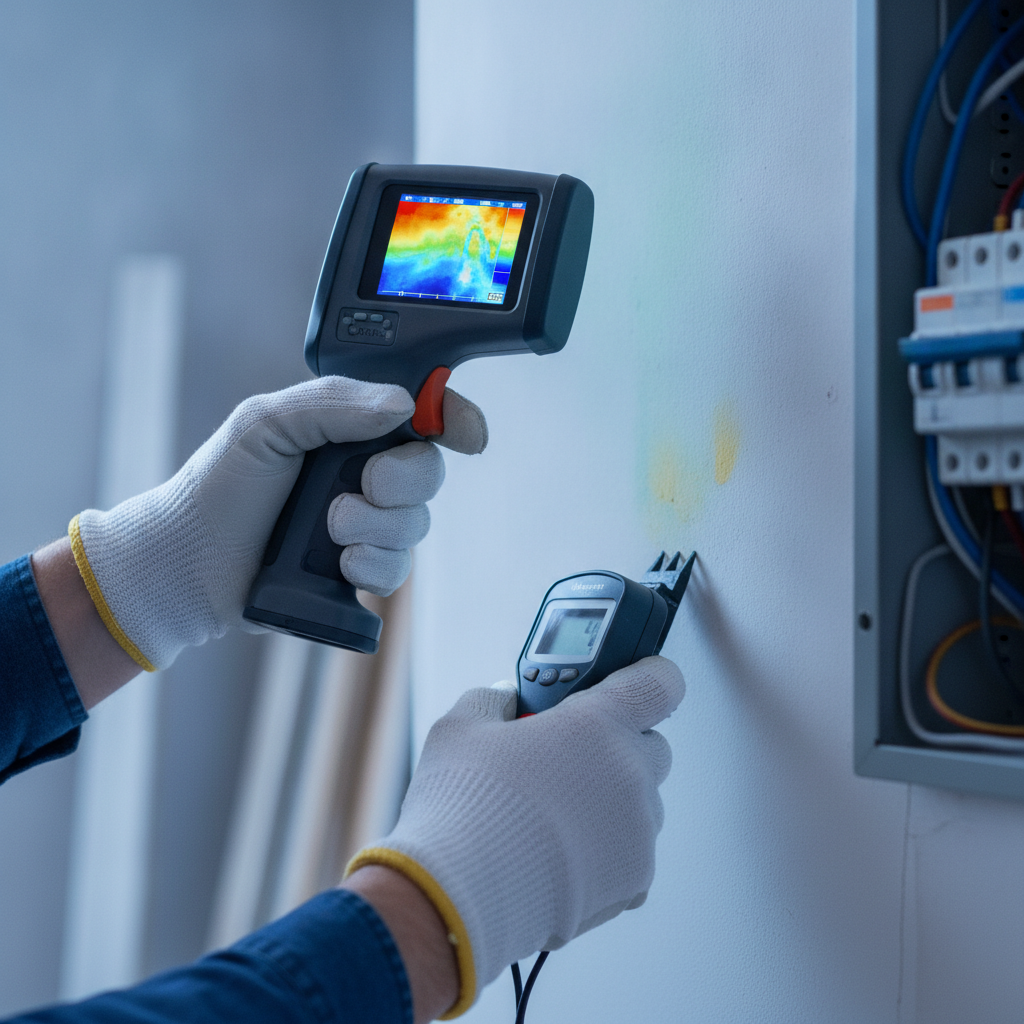
- Digital readiness: We capture photos and thermal images; a tidy home improves documentation clarity.
For sellers, preparing a “tour path” from exterior to roof to interior helps us maintain a consistent flow—and helps you get your home back faster.
Step-by-Step Process: What happens and how long it takes
Expect a structured path: exterior and roof, interior, plumbing/electrical, HVAC, attic, basement/foundation, then a wrap-up. Average homes take 2–3 hours. Properties with complex roofs, older wiring, or moisture issues trend toward 3–4+ hours.
This breakdown reflects our system-by-system method used across residential, condo, and light commercial properties in the GTA.
Typical timing by component
| Component | Average Home | Large/Older Home | Notes |
|---|---|---|---|
| Exterior & Site | 15–25 min | 25–40 min | Drainage, grading, siding, doors, windows, decks. |
| Roof | 20–40 min | 40–60 min | Material, flashing, penetrations, gutters/downspouts. |
| Interior Rooms | 20–30 min | 30–45 min | Walls, floors, ceilings, doors/windows, stairs/railings. |
| Plumbing | 15–25 min | 25–35 min | Fixtures, visible supply/drain, water heater function. |
| Electrical | 15–25 min | 25–40 min | Panel, breakers, GFCI/AFCI checks, representative outlets. |
| HVAC | 10–20 min | 20–30 min | Heat and cool modes (seasonal constraints may apply). |
| Attic | 10–20 min | 20–35 min | Insulation, ventilation, moisture, structure view. |
| Basement/Foundation | 15–30 min | 30–45 min | Structure, moisture signs, sump (if present). |
| Wrap-up & Q&A | 10–20 min | 15–30 min | On-site summary before same-day PDF report. |
Our inspection flow (residential example)
- 1) Confirm scope and safety (5–10 min): Walk the exterior, note weather, confirm access, and outline client priorities.
- 2) Exterior & roof (35–60 min total): Review siding, grading, decks, then roof covering, flashing, penetrations, and gutters. Photos document condition.
- 3) Interior rooms (20–45 min): Representative testing of doors/windows, stairs/railings, walls/floors/ceilings, and visible ventilation.
- 4) Plumbing & electrical (30–65 min): Functional checks of fixtures and water heater, panel review, representative outlets, and GFCI/AFCI testing where accessible.
- 5) HVAC (10–30 min): Heating/cooling checks appropriate for season; verify filter access and note maintenance.
- 6) Attic (10–35 min): Assess insulation depth, ventilation, sheathing view, and moisture signs—key to preventing structural and air-quality issues. See our emphasis on attic inspection.
- 7) Basement/foundation (15–45 min): Observe structure, cracking patterns, moisture indicators, sump pump components where present.
- 8) Wrap-up (10–30 min): On-site summary; the PDF home inspection report follows the same day.
Condo/townhome timelines may be shorter, while properties with multiple HVAC systems, older panels, or clear moisture issues require more time.
Troubleshooting: Common delays and how to fix them
Delays stem from blocked access, inactive utilities, unsafe roof conditions, or missing keys. Clear paths, turn utilities on, and coordinate building access. If weather restricts the roof, Asmhomeinspection documents limits, returns if needed, and still delivers a same-day report.
When minutes matter, removing friction keeps your schedule intact. These are the top time-wasters we see and how we handle them.
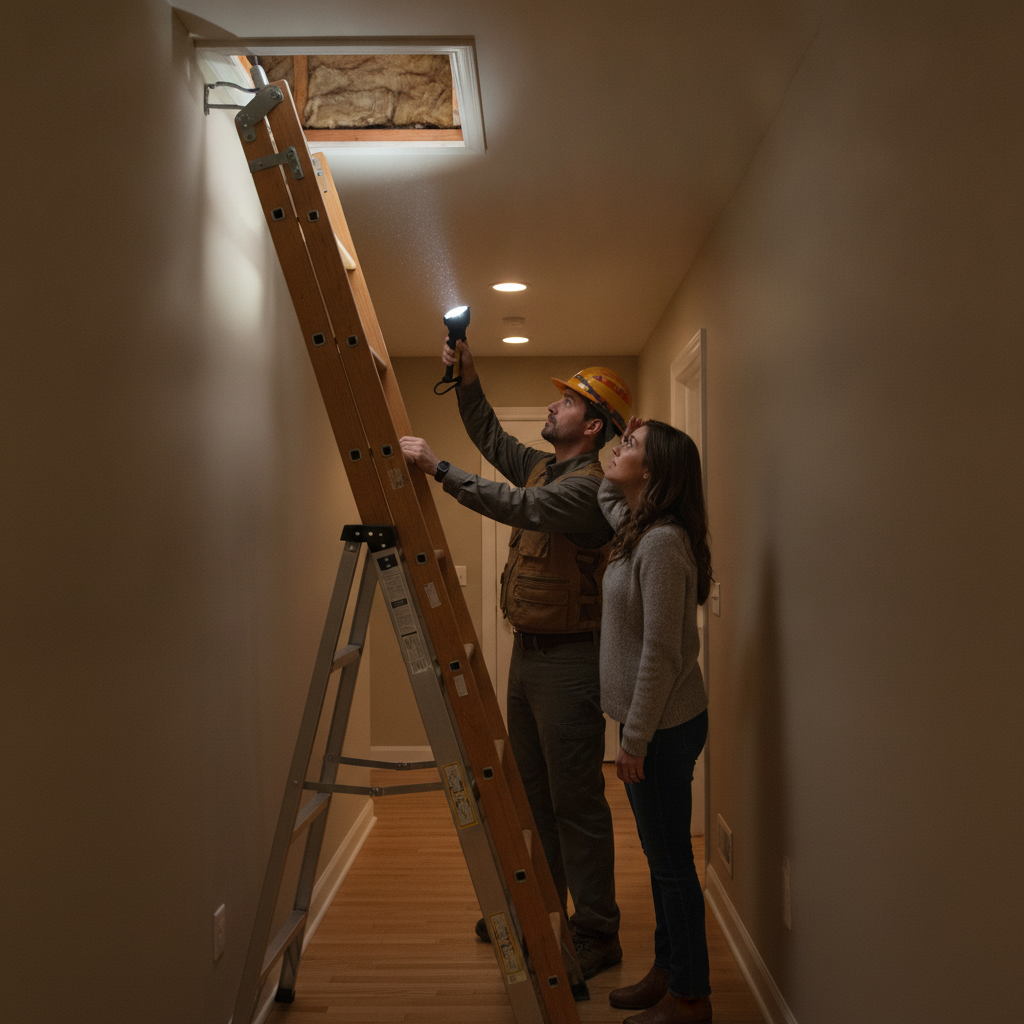
- Locked or blocked areas: Attic hatches, panels, and mechanical rooms need access. We pause to avoid damage and document limits.
- Utilities off: No water/power/gas slows functional checks. We can still document visible conditions, but timing increases.
- Unsafe roof conditions: Snow, ice, or steep pitches may require alternate vantage points, zoom imaging, or a return visit.
- Multiple parties on-site: Crowded walkthroughs prolong Q&A. Designate a spokesperson and consolidate questions.
- Unclear scope: Pre-listing vs. pre-purchase vs. new construction have different emphases—aligning scope earlier speeds execution.
We always prioritize safety and documentation quality. If conditions limit access, your report will clearly note what was observed and recommended next steps.
Advanced Tips: Save time without cutting corners
You can keep inspections near 2–3 hours by prepping access, sharing disclosures, and aligning scope. For listings, a pre-listing inspection uncovers punch-list items early. For buyers, attend the last 30–45 minutes to focus Q&A and speed decisions.
Clients across the GTA use these strategies to make the most of inspection day.
- Pre-listing inspection: Identify and fix common items before market. Reduces day-of surprises and renegotiation delays.
- Attend strategically: Join for the summary (last 30–45 minutes). You’ll get the headline issues without slowing testing.
- Condo coordination: Arrange access to building mechanical rooms in advance when applicable.
- Seasonal planning: In peak months, book early through our Toronto home inspection services page to secure ideal timing.
- Bundle insights: Ask us to prioritize your concerns (e.g., roof or foundation). We’ll tailor the walkthrough to your goals.
- Annual maintenance approach: An annual maintenance inspection creates a baseline and speeds future reviews.
- New construction: A focused new construction inspection checks workmanship before close—often 90–150 minutes depending on size.
Whether you’re buying, selling, or maintaining, a few smart moves can turn inspection day into a fast, productive checkpoint rather than a scramble.
How long does a home inspection take? (Deep dive by scenario)
Average homes take 2–3 hours. Condos often finish in 90–120 minutes. Older or larger homes run 3–4+ hours. Pre-listing is similar to pre-purchase; new construction ranges 90–150 minutes with attention on defects and workmanship.
Different properties call for different expectations. Use these ranges to plan your day.
- Single-family (1,500–2,500 sq. ft.): 2–3 hours, with most system checks completed in a single visit.
- Condos/townhomes: 90–150 minutes depending on mechanical access and shared systems.
- Older homes: 3–4+ hours due to legacy electrical, roofing layers, or moisture remediation clues.
- Pre-listing: Similar timing to pre-purchase; benefits include zero deadline pressure and better staging of repairs.
- New construction: 90–150 minutes; focus on workmanship, safety, and finish consistency.
- Commercial light-use: Scope-driven; offices/retail vary widely. See our commercial property inspection service overview.
If you’re wondering “home inspection how long does it take” for your specific case, share the address type and any known issues when booking. We’ll quote a realistic window.
Need a timeline-sensitive inspection?
Book a certified GTA home inspection with same-day reporting. Our InterNACHI and CCPIA certified process keeps most appointments within 2–3 hours while delivering a thorough, photo-rich report.
We help buyers, sellers, and investors make timely, confident decisions.
- Schedule your GTA home inspection.
- Ask about pre-listing inspections to avoid surprises.
- Plan a targeted move-in or annual maintenance inspection to track property health.
FAQ: Home inspection time and process
Most inspections run 2–3 hours, but scope, size, age, and access can extend timing. These concise answers address common questions so you can plan your day and use the report effectively.
How long does a home inspection take for a typical house?
Plan on 2–3 hours for average single-family homes. Larger, older, or complex properties often extend to 3–4+ hours. Clear access to the attic, electrical panel, HVAC, and water heater helps keep the timeline within the expected window.
Can I attend the inspection without slowing it down?
Yes—consider arriving for the final 30–45 minutes. You’ll hear the summary, see key photos, and ask focused questions without interrupting testing. We’ll still deliver a same-day PDF report you can review in detail later.
What if weather prevents roof access?
Safety comes first. When snow, ice, or high wind limits safe access, we document roof conditions from alternate vantage points, note limitations in the report, and arrange a follow-up if needed.
Is a pre-listing inspection faster than a buyer’s inspection?
Timing is similar, but pre-listing inspections often feel smoother. Sellers can prepare access in advance, and there’s no contract deadline pressure. Findings help you prioritize fixes and reduce renegotiation later.
Do you inspect attics and basements?
Yes. Attic and basement/foundation reviews are core parts of our scope. Attics often reveal ventilation or moisture issues; basements show structural and water-intrusion clues. Both areas influence total inspection time.
Additional Resources
Use planning checklists and local guides to organize your inspection day. Pair them with our same-day PDF report to move from findings to decisions quickly and confidently.
Preparing as a first-time buyer? A local checklist can help organize documents and timelines; see this practical first-time buyer checklist for context. Moving within the western GTA? This Mississauga home buying checklist outlines steps that pair well with scheduling inspections early.
Curious how other providers describe their scope? Browsing a few service profiles can give you a sense of common inclusions—though we recommend verifying certifications and report turnaround. For certified, system-by-system reviews with a same-day PDF, schedule with Asmhomeinspection.
Conclusion and Key Takeaways
Most home inspections take 2–3 hours; complex properties run longer. Preparation and a clear scope keep the visit efficient. With Asmhomeinspection, you receive a same-day PDF report and certified insight across roof, attic, structure, plumbing, electrical, and HVAC.
Timing is more than a number—it’s a strategy. When you align expectations, access, and scope, you get a reliable result on a dependable clock.
- Plan for 2–3 hours: Expect 3–4+ for larger/older homes.
- Prep reduces delays: Clear access and active utilities save 20–40 minutes.
- Attend the summary: Join the last 30–45 minutes to focus Q&A.
- Report the same day: Our same-day inspection report speeds decisions.
- Certified coverage: InterNACHI and CCPIA certified for residential and commercial.
Next steps: Book your appointment, tell us any known issues, and assemble access and documents. We’ll handle the rest—and keep your day on track.