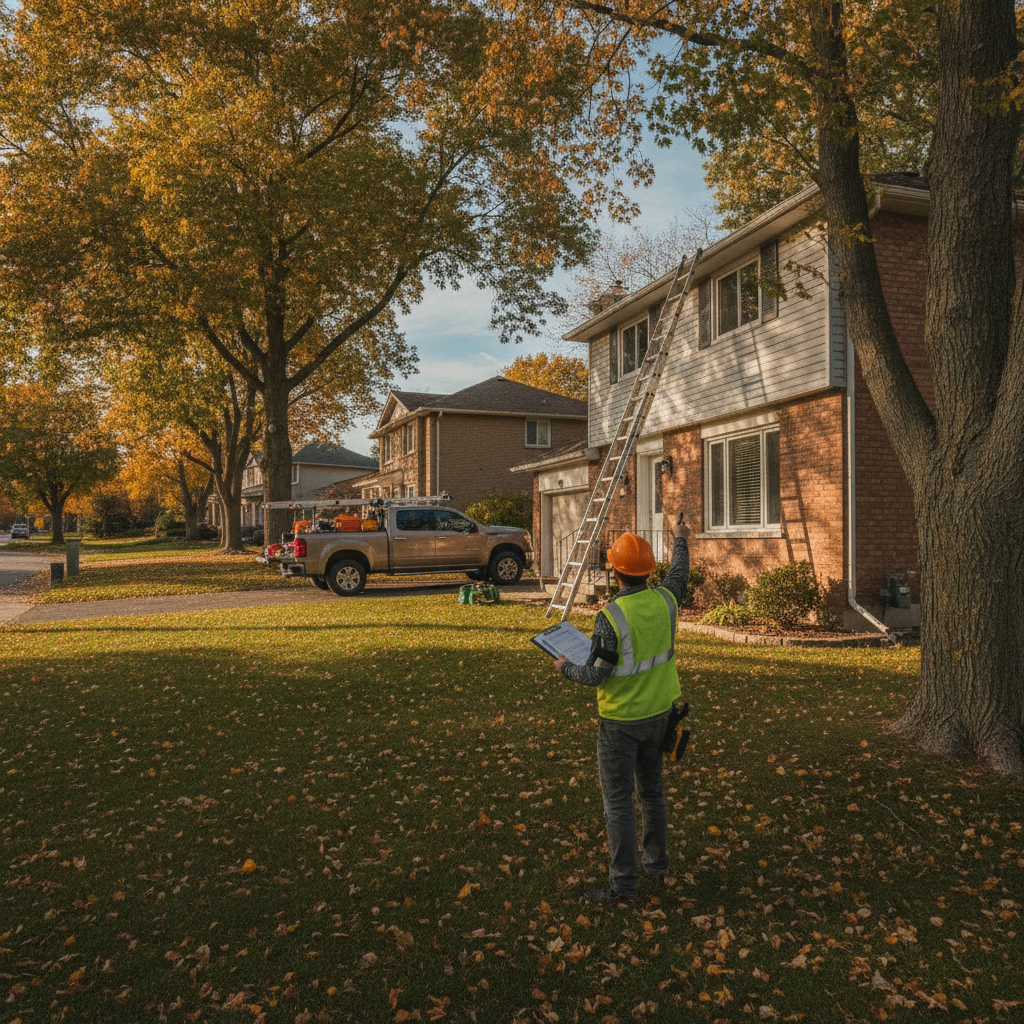
A home and building inspector evaluates the structure and major systems of a property and delivers a same-day PDF summary so you can act fast. In Toronto and across the GTA, this visual, system-by-system review highlights safety issues, defects, and maintenance needs before you sign, list, or hand over keys.
By Asmhomeinspection • Last updated: 2026-07-10
| Certifications | InterNACHI (residential), CCPIA (commercial) |
|---|---|
| Deliverable | Same-day PDF home inspection report with photos |
| Service area | Toronto and Greater Toronto Area (GTA) |
| Primary services | Residential & Commercial; Pre-Purchase, Pre-Listing, New Construction, Move-In, Annual Maintenance |
| Core systems checked | Roof/attic, foundation/structure, plumbing, electrical, HVAC, interiors |
| Contact | asmhomeinspection.ca |
Toronto-local tip
Older Toronto housing stock (Scarborough, East York, North York) often hides legacy wiring and thin attic insulation. Newer homes in Mississauga and Brampton can show HVAC balancing issues and marginal attic ventilation. Ask your inspector to prioritize moisture paths and ventilation—Toronto winters punish poorly vented roofs.
What a Home and Building Inspector Actually Does (and Doesn’t Do)
Inspectors perform a visual, non-invasive evaluation of accessible areas and document safety risks, defects, and maintenance needs. They don’t open walls or perform code enforcement. Instead, they flag concerns and recommend licensed specialists where further investigation is prudent.
We speak plainly because decisions hang on this. Book before you firm up conditions—once you waive them, any surprise becomes your bill. We’ve opened attic hatches in 1950s Toronto semis and found daylight at the eaves where baffles were missing; frost staining told the story of winter condensation. That’s not trivia; that’s rot in the making.
- Scope you can expect: roof coverings, flashing, gutters, attic insulation and ventilation, exterior grading, foundation, interiors, plumbing fixtures and visible piping, electrical panels and sampling of receptacles, HVAC operation.
- Safety first: GFCIs where needed, bonded systems, secured handrails, working smoke/CO alarms.
- Limits: no destructive testing, no guarantees, no design/spec changes—clear risk calls and next steps instead.
Hard recommendation: if a seller refuses reasonable access for a pre-purchase inspection on a 1960s bungalow, walk. The risk of concealed wiring or basement seepage isn’t worth gambling your move-in date.
What’s Included in a Full Inspection: Every System and Area Covered
A full inspection covers roofing and attic, structure/foundation, exterior drainage, interiors, plumbing, electrical, and HVAC. Findings are prioritized in a same-day PDF with photos so you can negotiate, plan repairs, and schedule maintenance without guesswork.
Our scope maps directly to the services we provide at ASM Home & Commercial Inspection:
- Roof and attic inspection: shingles, flashing, gutters, downspouts, soffits, insulation depth, and ventilation pathways.
- Structure and foundation: cracks, settlement clues, moisture entry, and framing condition.
- Basement/crawl: seepage, sump/backup presence, vapor barriers, and efflorescence patterns.
- Plumbing inspection: visible supply/drain lines, fixture operation, water heater condition.
- Electrical inspection: main panel, breakers, bonding/grounding, tested receptacles.
- HVAC inspection: furnace and A/C startup, filters, duct condition, vent terminations.
- Interiors/exteriors: windows/doors, walls/floors/ceilings, stairs and railings, porches/decks, garage.
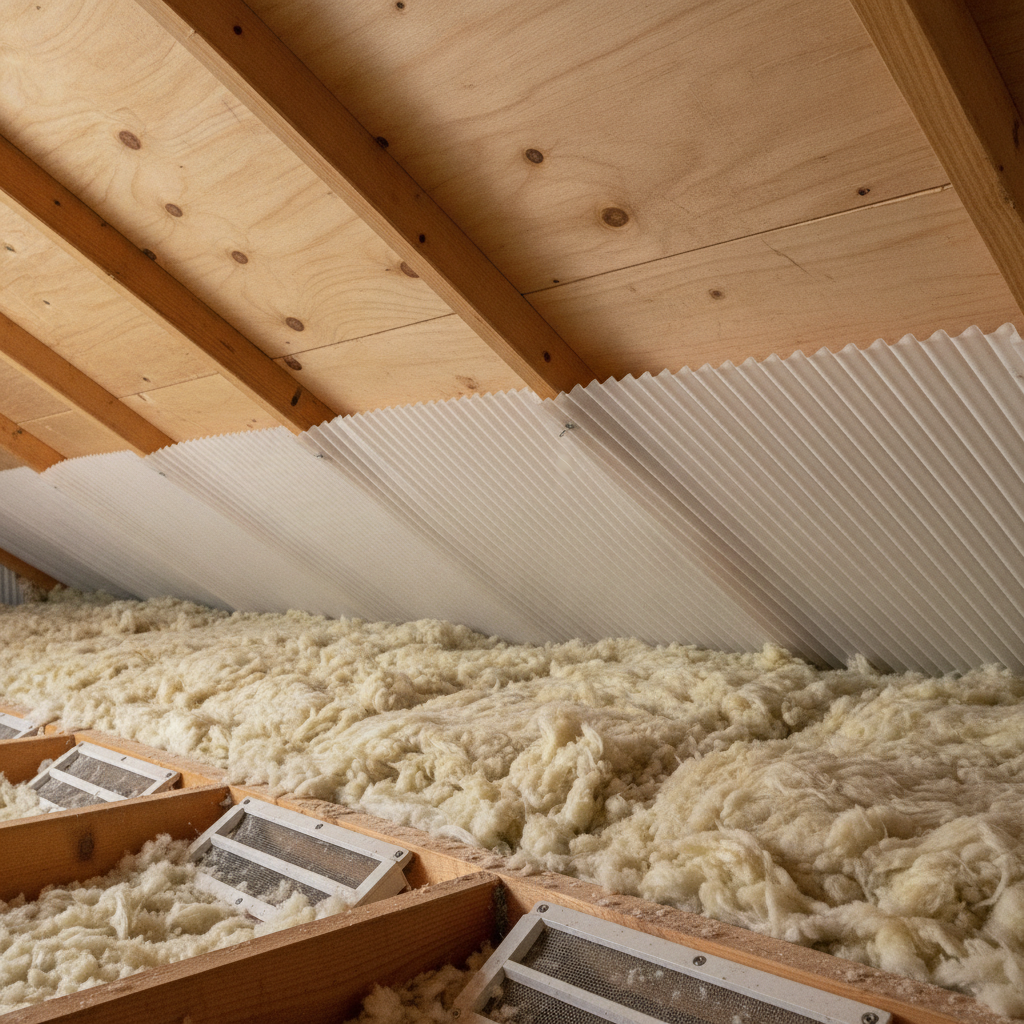
Real-world example: In a North York two-story, we traced ceiling stains to a disconnected bathroom fan duct venting into the attic—warm, moist air condensing on sheathing. The fix list included rigid ducting to the exterior and clearing blocked soffits to restore airflow.
Residential vs Commercial Inspections: Key Differences
Residential focuses on occupant safety and typical home systems. Commercial expands into larger mechanicals, life-safety features, and operational context across offices, retail, industrial, and hospitality. The reporting style also shifts toward maintenance and capital planning.
- Systems scale: homes often have one furnace and panel; commercial sites may run multiple rooftop units and larger electrical services.
- Use-specific elements: commercial kitchens, loading areas, or specialty ventilation get added scrutiny.
- Documentation: residential gets a concise same-day PDF; commercial includes maintenance context and suggestions for phased repairs.
| Aspect | Residential | Commercial |
|---|---|---|
| Primary lens | Family safety and comfort | Uptime, safety, and liability |
| HVAC | Single split system typical | Packaged rooftop units common |
| Report focus | Actionable punch list | Maintenance and CapEx notes |

On a Mississauga retail space, we found clogged roof drains pooling water near membrane seams. The priority wasn’t cosmetic—it was leak and business-interruption risk. The owner scheduled cleaning and periodic checks to prevent costly downtime.
When to Book Each Type of Inspection (Buyer, Seller, Landlord, New Build)
Schedule pre-purchase before conditions firm, pre-listing 1–3 weeks before you hit the market, move-in at possession, and new-construction at milestone handovers. Annual maintenance inspections keep small issues from turning into major repairs.
- Pre-purchase: lock in clarity before you’re committed. If access is denied, consider passing on the property.
- Pre-listing: fix trip hazards, stale GFCIs, and attic ventilation issues before photos go live.
- Move-in (rentals): document baseline condition for landlords and tenants to prevent disputes.
- New construction: verify workmanship—loose handrails, reversed polarity outlets, or missing exterior vent caps are not rare.
- Annual maintenance: track wear on roofs, sealants, and drainage, especially after harsh winters.
Practical stance: if you’re buying a 1970s Scarborough bungalow or a 1990s Etobicoke townhouse, don’t waive the inspection. Legacy electrical, grading, and attic ventilation patterns in those eras deserve a measured look.
What to Expect on Inspection Day in the GTA
Plan for a thorough walkthrough, on-the-spot context, and a same-day PDF with photos and priorities. You’ll leave with a clear list of safety items, recommended repairs, and maintenance tips matched to GTA building patterns and seasons.
- Kickoff: clarify your priorities (safety, budget, timeline) and confirm utilities.
- Exterior: grade and drainage, siding, decks/porches, roof edges, gutters/downspouts.
- Interior/attic: windows/doors, stairs/railings, insulation, and ventilation pathways.
- Systems: plumbing fixtures, electrical panel/receptacles, furnace, water heater, A/C.
- Debrief: live summary of major items and next steps.
- Report: same-day PDF with photos and prioritized recommendations.
Local considerations for Toronto and the GTA
- Freeze–thaw cycles amplify foundation and masonry cracks—watch grading and downspout discharge distance.
- Summer humidity drives attic condensation if soffits are blocked; keep ventilation channels clear.
- Older homes may include aluminum branch wiring; plan for an electrician’s review where thermal damage is suspected.
How to Choose the Right Home and Building Inspector in Toronto
Pick a certified, local pro who shows the full scope in writing and delivers a clear, photo-rich report the same day. Confirm InterNACHI/CCPIA credentials, ask for a sample report, and look for GTA-specific experience across detached, semis, condos, and small commercial.
- Credentials: InterNACHI for residential, CCPIA for commercial—consistent standards.
- Scope depth: roof-to-basement coverage, with photos and moisture strategy.
- Local fluency: understands older Toronto stock and newer suburban builds.
- Turnaround: same-day PDF so you can meet deadlines.
Big brands like Carson Dunlop, Pillar To Post, The Home Inspectors Group, A Buyer’s Choice, and HouseMaster operate in the GTA. Our edge is dual certification plus system-by-system reporting tailored to how Toronto homes age. See scheduling at asmhomeinspection.ca.
Pricing and Value Considerations (No Numbers)
Value comes from risk reduction and clear next steps, not just a low quote. Prioritize full-system scope, same-day reporting, and certifications that keep your evaluation consistent from roof to foundation.
- Scope over slogans: ensure roof, attic, structure, plumbing, electrical, HVAC, and interiors are all covered.
- Speed that counts: same-day PDFs keep negotiations on schedule.
- Pro standards: consistent methods and terminology build trust with agents and lenders.
Frequently Asked Questions
These short answers cover attendance, scope, reporting speed, and follow-up. Each response reflects how Toronto-area inspections support fast, confident decisions.
Should I attend the inspection?
Yes—seeing issues in person changes decisions. We walk you through major items as we find them and deliver a same-day PDF with photos and priorities you can review with your agent or contractor.
What’s included in a standard inspection?
Roof and attic, structure/foundation, interiors, plumbing, electrical, and HVAC. We focus on safety, function, and moisture risks. Findings arrive the same day with photos and clear next steps.
Do you inspect condos and commercial spaces?
Yes. Condo unit inspections cover interiors and accessible components; commercial scopes expand to larger mechanicals and life-safety features with maintenance context.
How fast will I get the report?
We send a same-day PDF. Tight timelines are normal in Toronto deals—fast reporting keeps your options open and negotiations on track.
Key takeaways
- A home and building inspector reduces risk with a visual, system-by-system review.
- Same-day, photo-rich PDFs support negotiation and repair planning.
- Dual InterNACHI/CCPIA credentials and local GTA experience matter.
- Don’t waive inspections on older stock; the downside is real.
About the author: Asmhomeinspection provides certified residential and commercial inspections across Toronto and the GTA, backed by InterNACHI and CCPIA credentials and same-day PDF reporting.
Want broader context? Explore an accessible home-buying guide and browse a local inspector directory entry for perspective on services offered. For electrical safety checklists relevant to property risk discussions, see this electrical inspection overview.