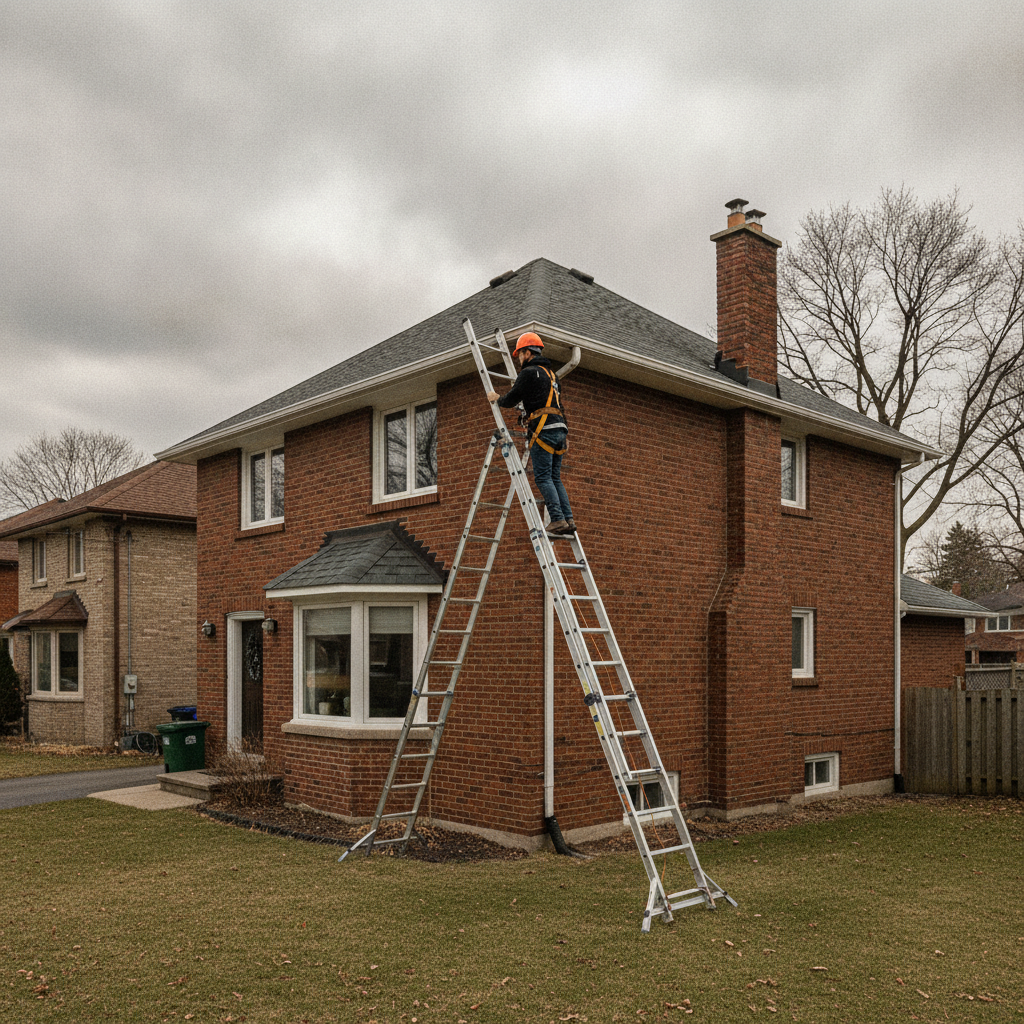
If you need to find a home inspector fast, focus on proof: active certifications, a clear sample PDF, full-system coverage from roof to water heater, and same-day reporting. In the GTA’s tight timelines, compare three options and choose the one who explains moisture and safety priorities in plain English you can act on today.
By Amardeep Mamidi • Last updated: 2026-07-08
| Certifications | InterNACHI (residential) and CCPIA (commercial) |
|---|---|
| Report delivery | Same-day PDF with photos and prioritized items |
| Service area | Greater Toronto Area (Toronto, Mississauga, Markham, Vaughan, Brampton, Oakville, Pickering, Whitby, Oshawa, Richmond Hill) |
| Core systems | Roof, attic, structure/foundation, plumbing, electrical, HVAC, basement, interior/exterior |
| Service types | Residential & Commercial; Pre-Purchase, Pre-Listing, New Construction, Move-In, Annual Maintenance |
| Scheduling | Call or book via Asmhomeinspection |
Overview
Finding a home inspector is about speed and clarity in the GTA: confirm certifications, demand a photo-rich same-day report, and make sure moisture and safety issues are prioritized. We organize findings into plain-English action lists so you can negotiate or plan maintenance confidently.
If you’re a first-time buyer under offer pressure, you don’t need a 40-page data dump at 10 p.m. with no compass. Our same-day PDF starts with a one-page priority sheet: safety hazards first, then moisture/intrusion items, then aging components. You’ll know what matters tomorrow morning.
What a Home Inspector Actually Checks (GTA Context)
A thorough GTA inspection covers roof, attic, foundation, exterior, electrical, plumbing, HVAC, interiors, and basement—with targeted moisture screening. We flag elevated wood moisture above ~18% on a pin meter, poor attic ventilation, and legacy electrical risks common in older Toronto housing.
- Roof & attic: shingles or membranes, flashing, soffits, gutters/downspouts, ventilation baffles, insulation levels, attic bypasses, past leak evidence (stains, deteriorated sheathing).
- Structure & foundation: step or horizontal cracking, heaving/settlement patterns, grading/drainage, deck and stair framing, guard/handrail safety.
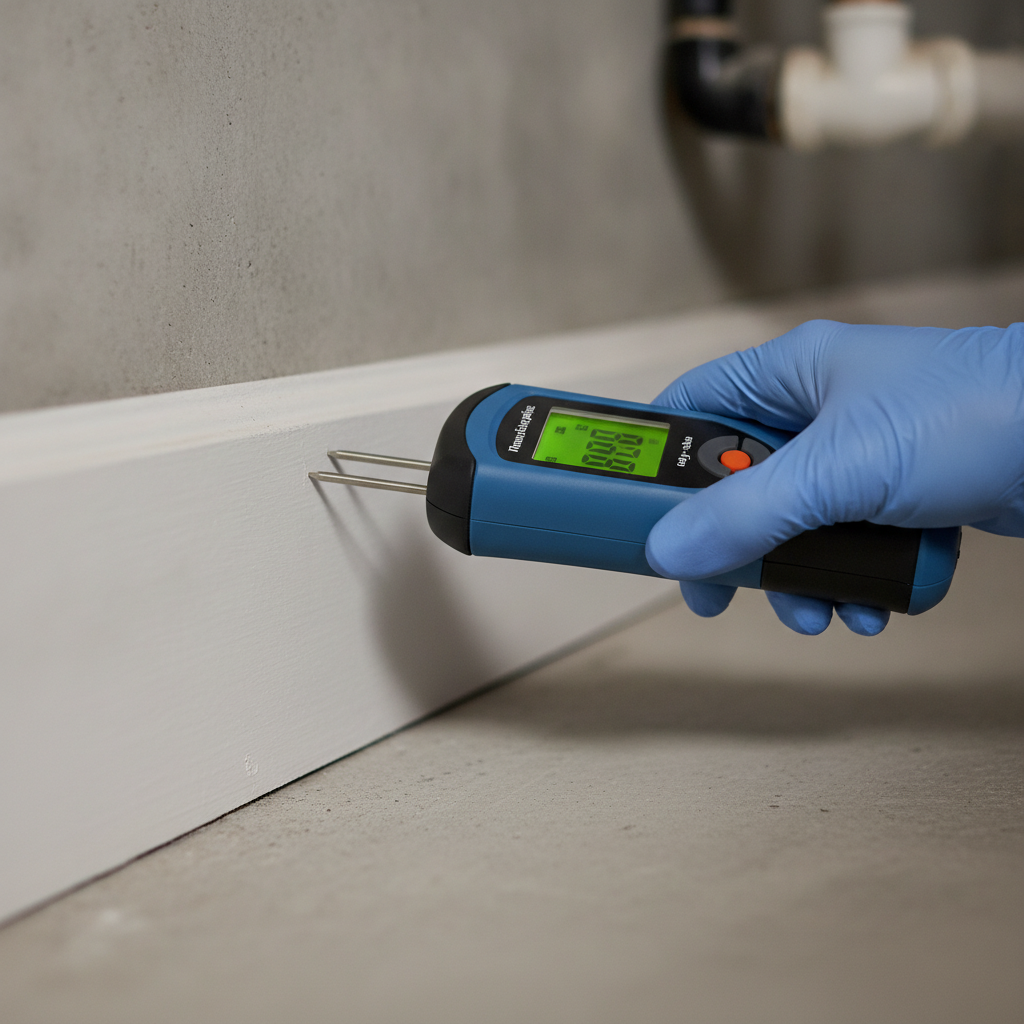
- Basement & moisture: visible seepage points, efflorescence, damp odors, baseboard and sill readings with a pin meter; we call out readings over ~18% as elevated.
- Electrical: main panel labeling and condition; we note legacy equipment (Federal Pacific Stab-Lok, Zinsco, Pushmatic), aluminum branch wiring (late 1960s–1970s), and lack of GFCI/AFCI where modern safety standards expect them.
- Plumbing: supply/drain materials, functional flow and drainage, fixture leaks, water heater data plate and venting.
- HVAC: furnace ignition and operation, AC cooling response, filter/duct conditions, combustion air and clearances, vent terminations.
- Interiors & exterior: walls/floors/ceilings, doors/windows, garages, porches/decks, and safety conditions (smoke/CO alarms, egress constraints).
Service examples from our scope:
- Pre-Purchase Inspection: gives buyers leverage with a prioritized list before waiving conditions.
- Pre-Listing Inspection: reduces last-minute renegotiations by revealing issues you can fix or disclose early.
- New Construction Inspection: documents punch-list items and workmanship defects ahead of your walkthrough.
- Move-In Inspection: creates time-stamped baseline photos for rentals to prevent deposit disputes later.
- Annual Maintenance Inspection: checks high-risk systems—roof, attic ventilation, grading—before seasonal weather tests them.
How to Find a Home Inspector in Toronto: Step-by-Step
To find a home inspector in Toronto, confirm certifications, review a recent sample report, verify insurance, and compare scope and turnaround. Shortlist three firms, speak with the inspector directly, and book the one who explains moisture and safety priorities clearly—and delivers a same-day PDF.
- Clarify your goal: buyer, seller, new build, rental, or annual maintenance. List any moisture/electrical concerns.
- Check certifications: InterNACHI for residential; CCPIA for commercial or mixed-use.
- Review a sample PDF: expect photos, plain-English summaries, and labeled priorities (safety/moisture/maintenance).
- Confirm scope in writing: roof, attic, foundation, plumbing, electrical, HVAC, basement, interiors/exteriors.
- Verify insurance: request proof of liability; ask about post-inspection Q&A.
- Compare three options: evaluate responsiveness, clarity, and same-day turnaround.
- Book & prep: ensure utilities are on and attic/basement access is clear; keep your questions handy.
| Step | What to verify | Why it matters |
|---|---|---|
| Certifications | Active InterNACHI/CCPIA status | Signals standards and continuing education |
| Sample report | Photos + clear prioritization | Enables fast negotiation decisions |
| Scope | Roof-to-water-heater coverage | Prevents surprise exclusions |
| Turnaround | Same-day PDF | Fits GTA offer timelines |
Toronto-area hiring tip
We don’t inspect with utilities off, and neither should your inspector—results won’t reflect real conditions. In fast offers, a same-day PDF and a five-minute debrief call are non-negotiable. Our GTA inspection team builds that debrief into every booking.
Ready to schedule? Book a certified inspection with a same-day, photo-rich PDF and a clear action list. Schedule your inspection.
What to Look for in a GTA Home Inspector
Choose a GTA inspector who is InterNACHI/CCPIA certified, covers every major system, flags moisture above ~18% wood moisture content, and explains legacy electrical risks. Demand a same-day, photo-rich PDF that opens with a one-page priority list.
- Certifications matched to property: residential vs. commercial expertise where needed.
- Moisture-first screening: thermal camera to locate anomalies and pin meter to confirm readings.
- Legacy electrical knowledge: recognizes Federal Pacific Stab-Lok, Zinsco, Pushmatic panels; understands aluminum branch wiring considerations.
- Clarity under pressure: same-day report with a one-page summary and next steps.
- Local fluency: experience with finished basements on clay soils, flat-roof semis, and ventilation patterns.
For broader transaction context, a local legal overview on buyer due diligence pairs well with your inspection plan; see this due diligence guidance. It can help you line up conditions and timelines around the report.
Red Flags to Avoid When Hiring
Walk away from inspectors who refuse a sample report, won’t define scope in writing, hedge on insurance, promise to “pass” a home, or offer to perform repairs. Ethical inspectors document findings, explain risks, and keep roles separate.
- No sample reports: you can’t judge clarity or depth without proof.
- Vague or narrow scope: exclusions around roofs, attics, or electrical are a red flag.
- Insurance hedging: reluctance to provide proof is a deal-breaker.
- Guaranteed outcomes: “pass/fail” claims misrepresent what inspections are.
- Repair offers: conflict of interest on the same property.
If you’re organizing your homeowner risk picture alongside the inspection, this Ontario-focused home insurance checklist can help you plan mitigation steps after closing.
Questions to Ask Before You Book
Ask how the inspector prioritizes findings, which tools they use to confirm moisture, what legacy electrical issues they watch for, and how soon you’ll get the report. A five-minute debrief call right after the inspection should be standard.
- Can I see a recent sample PDF? Look for photos and a one-page priority summary.
- What’s your scope—any exclusions? Confirm roof, attic, foundation, plumbing, electrical, HVAC, basement, interiors/exteriors.
- How do you confirm moisture? Thermal scan to locate, pin meter to verify, with readings noted.
- Which electrical risks do you flag? Legacy panels, aluminum branch wiring, missing GFCI/AFCI.
- Report timing and Q&A? Same-day PDF plus debrief call is our standard at Asmhomeinspection.
Building a shortlist? A curated directory can help you scan local profiles; here’s an example of a professional listing format to review.
Local Tip: Why GTA Homes Need Specific Expertise
Toronto homes often combine older electrical, flat roofs, and finished basements over clay soils. Local experience lets an inspector connect attic ventilation, drainage, and panel safety to moisture and fire risks—and turn those into an actionable plan.
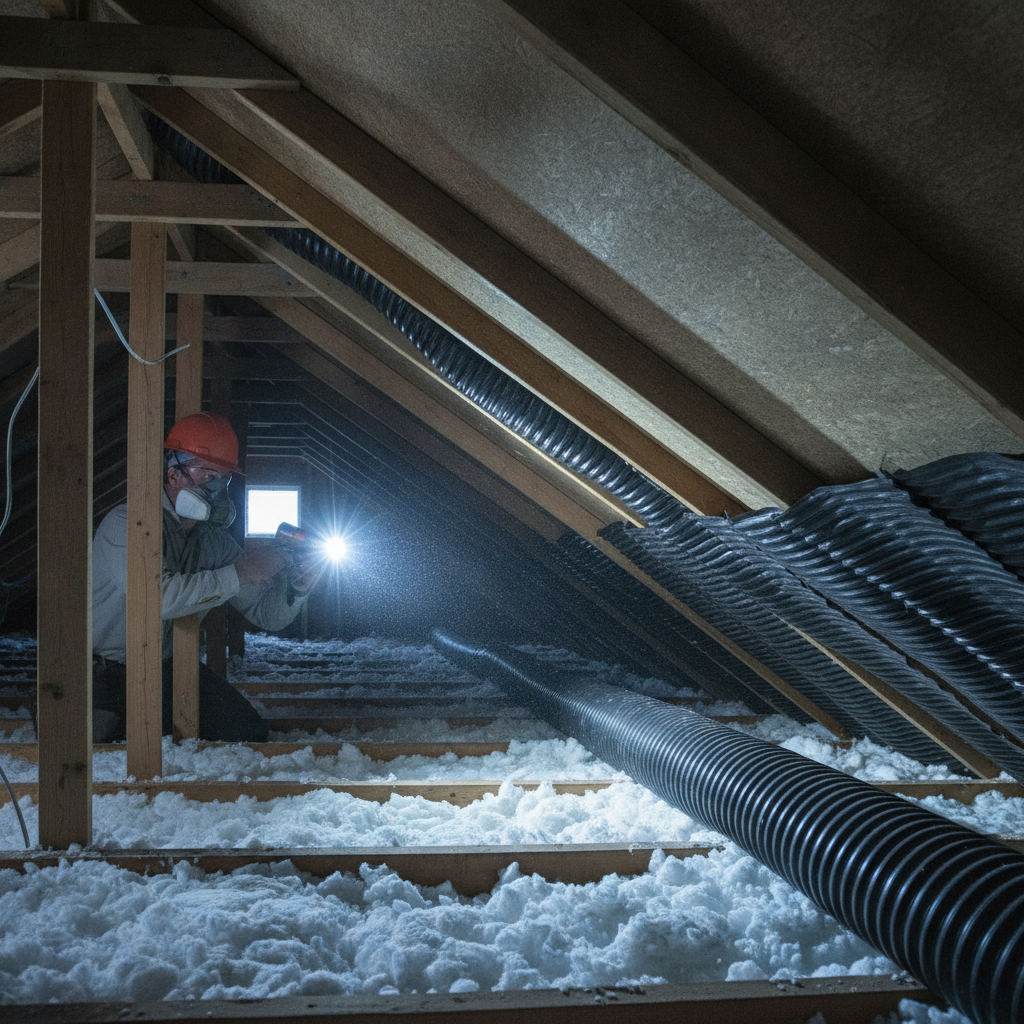
Patterns we see weekly: attic frost or condensation from poor ventilation; grading/downspout issues that push water to finished basements; and legacy panels lacking modern protection. Your report should include photos, moisture readings, and a triage list you can use for negotiation or maintenance planning. Our attic inspection guidance explains why ventilation is the hidden MVP in many GTA houses.
Local considerations for Suite 2000
- Cold snaps can push attic wood moisture over safe ranges—ask how ventilation and insulation levels are assessed.
- Heavy rain events expose grading and downspout flaws—confirm exterior drainage is checked against finished-basement layouts.
- Legacy panels vary block-to-block—request panel photos, labeling notes, and GFCI/AFCI recommendations in the PDF.
Key Takeaways
Hire fast, but verify thoroughly: certifications, written scope, sample PDF, insurance, and same-day turnaround. Prioritize inspectors who quantify moisture, recognize legacy electrical risks, and translate findings into a one-page action plan you can use immediately.
- Same-day, photo-rich PDF with a one-page priority list beats a slow, dense report.
- Moisture over ~18% (pin meter) and poor attic ventilation deserve urgent attention.
- Legacy electrical equipment and missing GFCI/AFCI are common—and safety critical.
- Service type matters: Pre-Listing, Move-In, Annual Maintenance, and New Construction solve different problems.
- Choose a local GTA team that explains risks in plain English and stays available for Q&A.
FAQ
These short answers cover how to find a home inspector in the GTA, what quality looks like in a report, and how local conditions shape your scope and priorities.
How do I find a home inspector I can trust quickly?
Verify active certifications, request a recent sample PDF, confirm full-system coverage and insurance, and compare three GTA options. Book the one who delivers a same-day report, quantifies moisture, and offers a brief debrief call so you know what to do next.
What should a Toronto inspection report include?
Expect photos and a one-page priority summary, followed by system-by-system notes: roof, attic, foundation, plumbing, electrical, HVAC, interiors, and basement. Moisture readings, ventilation observations, and safety device notes should be clear and practical.
Can one inspector handle both residential and small commercial?
Yes—if they hold the right credentials. InterNACHI supports residential work and CCPIA covers commercial properties. For mixed-use, ask for two recent sample PDFs and confirm scope, including roof systems and electrical services.
About the author: Amardeep Mamidi contributes educational content for Asmhomeinspection, focusing on GTA residential and commercial inspections. Our team holds InterNACHI and CCPIA certifications and delivers same-day PDF reports with prioritized action lists.