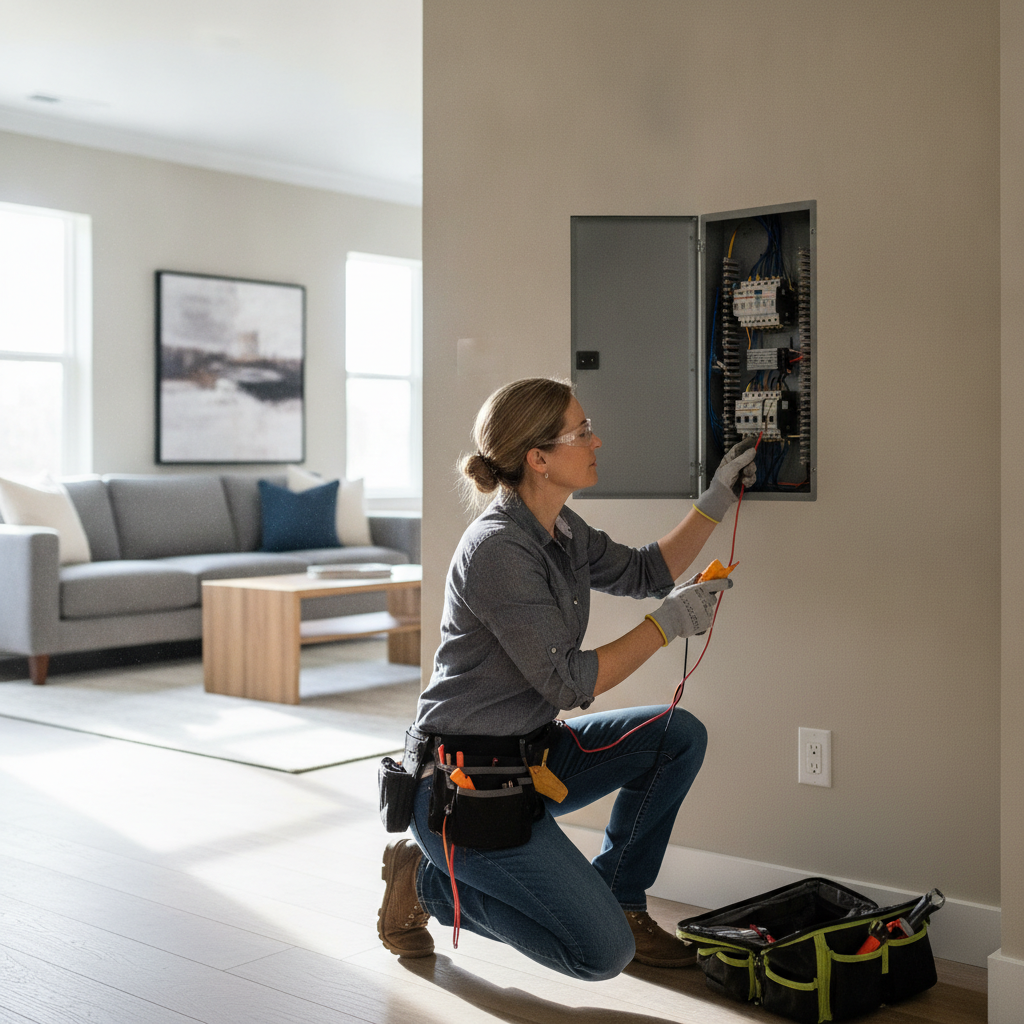
Electrical inspection is the systematic evaluation of a building’s wiring, panels, circuits, and safety devices to confirm they’re safe and functioning as intended. Inspectors verify grounding, overcurrent protection, and life-safety features like GFCI/AFCI. For Suite 2000 homeowners and property managers, this prevents shocks, fires, and downtime—and supports confident decisions with clear, same-day reporting.
By Asmhomeinspection • Last updated: 2026-07-02
Quick Summary
An electrical inspection checks service equipment, branch circuits, wiring methods, grounding/bonding, and safety devices to reduce shock and fire risk. Expect visual assessments, functional testing of outlets and breakers, and documentation with photos and priorities. Use it before you buy, when listing, after work is done, or as annual maintenance.
This complete guide explains what an electrical inspection includes, why it matters, how the process works, and how to act on results. You’ll see checklists, a comparison table, practical examples from our GTA work, and tips specific to Suite 2000 properties—plus how our team delivers same-day PDF reports to keep transactions moving.
- What an electrical inspection is and when to get one
- How inspectors evaluate panels, circuits, grounding, and safety devices
- Common hazards (aluminum wiring, missing GFCI/AFCI, loose neutrals)
- What your report includes and how to prioritize fixes
- Local considerations for Suite 2000 buildings
- What is an electrical inspection?
- Why electrical inspections matter
- How electrical inspections work
- Types of electrical inspections
- Best practices
- Tools and resources
- Case studies and examples
- Comparison table
- Electrical Inspection FAQ
- Key takeaways & next steps
What Is an Electrical Inspection?
An electrical inspection is a structured evaluation of service equipment, distribution panels, branch circuits, wiring types, grounding/bonding, and protective devices. The goal is to identify defects, safety hazards, and maintenance items, then document them with clear recommendations so owners can act before issues become emergencies.
At its core, an electrical inspection confirms that the system can safely deliver power under normal conditions and abnormal faults. Inspectors review conductor sizing, overcurrent protection, terminations, clearance, labeling, and required life-safety features. They also check representative outlets, switches, and fixtures for polarity, grounding, and function across living areas, kitchens, bathrooms, garages, and exterior receptacles.
Because electrical systems interact with moisture, temperature, and building structure, we evaluate the attic and basement or crawlspace as accessible—checking penetrations, junction boxes, and thermal clues that suggest hidden load or resistance issues. For comprehensive property health, we connect findings to related systems like the roof (leaks can compromise conductors) and the attic inspection scope during full home evaluations.
For buyers and sellers, this evaluation creates a shared, objective picture of risk. For owners and commercial managers, it informs planned maintenance, tenant safety, and insurer expectations. Our team at ASM Home & Commercial Inspection delivers same-day PDF reports so stakeholders can move forward with confidence.
For additional background on common elements and expectations, see this practical electrical inspection guide overview that aligns with modern homeowner questions.
Why Electrical Inspections Matter
Electrical inspections reduce shock and fire risks, validate renovation work, and surface aging or overloaded components before they fail. They also document safety features—like GFCI and AFCI protection—so you can prioritize repairs that meaningfully lower risk and support smooth real estate transactions.
Electricity is unforgiving. Loose terminations increase resistance and heat. Damaged insulation can expose energized conductors. An incorrectly sized breaker won’t trip when it should. Each of these raises the likelihood of arcing, overheating, or shock. Identifying and correcting small issues early is the most reliable way to avoid major events.
Key safety devices matter here. Ground-Fault Circuit Interrupters (GFCIs) drastically reduce shock risk around water by cutting power in a fraction of a second when they sense imbalance. Arc-Fault Circuit Interrupters (AFCIs) help detect dangerous arcing conditions on branch circuits. Together—installed where required and tested regularly—they create multiple layers of protection.
From a transaction standpoint, clear documentation helps buyers and sellers align on scope and urgency. A prioritized report with photos lets everyone see the same facts. If a panel shows double-tapped breakers or missing bushings, there’s no debate—just a path to resolution. That clarity keeps deals on track and supports fair negotiations.
Curious about what modern inspections aim to cover? This concise piece on what to expect in 2026 mirrors many of the points we validate during our own system-by-system reviews.
How Electrical Inspections Work (Step-by-Step)
A thorough electrical inspection follows a repeatable path: plan the scope, walk the property, evaluate service and panels, sample test outlets/switches/fixtures, assess grounding and bonding, note safety devices, and document defects with photos and priorities. The result is a report you can understand and act on immediately.
In our experience serving the GTA, consistency is crucial. We apply a disciplined flow so no essential element is missed and findings are easy to read and prioritize. Here’s how a typical residential or light-commercial inspection proceeds from start to finish.
- Scope & safety briefing: Confirm occupied areas, recent work, known issues, pets, and access. Emphasize panel safety and that live covers stay on unless safe to remove.
- Exterior and service drop: Observe meter base, service mast or lateral, conductor clearances, weatherhead, and grounding electrode conductors where visible.
- Main service equipment: Verify labeling, working clearances, bonding jumpers, conductor sizes, overcurrent ratings, and obvious heat/discoloration at terminations.
- Distribution panels/subpanels: Check for double taps, missing knockout seals, neutral/ground separation where required, and secure conductors with correct bushings and clamps.
- Branch-circuit sampling: Test representative outlets for polarity and grounding, verify GFCI and AFCI where applicable, check switches and lighting in each accessible area.
- Appliance and dedicated circuits: Evaluate visible connections for major appliances (range, dryer, HVAC) and note any observed undersized conductors or damaged cords.
- Attic/basement runs: Where accessible, look for open junctions, improper splices, unsupported cables, and signs of overheating near insulation.
- Safety devices: Confirm presence and test functional operation of GFCIs where tested, and document AFCI coverage as labeled.
- Reporting: Provide photo-rich, prioritized recommendations with plain-language explanations and suggested next actions.
When you book through our GTA inspection team, we align the scope with your goal—pre-purchase, pre-listing, new construction, move-in, or annual maintenance—so the final report directly supports your decision or negotiation timeline.
Types, Methods, and Approaches
Electrical inspections vary by goal: real estate transactions, post-renovation verification, new construction milestones, annual maintenance, and targeted risk checks (aluminum wiring, older panels). The best approach matches your objective and delivers a prioritized, photo-documented plan for correction and maintenance.
Because properties in Suite 2000 and the broader GTA span everything from century homes to modern condos, the right inspection type depends on what you’re trying to accomplish. Here are the most common approaches we deliver for clients.
Pre-purchase electrical inspection
- Purpose: Reduce unknowns before you remove conditions.
- Focus: Panel condition, GFCI/AFCI coverage, wiring types (copper, aluminum, knob-and-tube remnants), and signs of amateur work.
- Outcome: Clear repair list to discuss with your agent and seller, supported by photos and plain-language notes.
Pre-listing electrical check
- Purpose: Avoid last-minute surprises that stall closing.
- Focus: Correct easy wins (missing cover plates or labeling) and flag larger items for licensed electrician follow-up.
- Outcome: Smoother negotiations and stronger buyer confidence.
New construction electrical inspection
- Purpose: Validate workmanship and documentation at key milestones.
- Focus: Labeling accuracy, conductor protection, box fill, support/bracing, and safety device coverage as labeled.
- Outcome: Independent quality check that supports warranty conversations.
Annual maintenance review
- Purpose: Catch wear-and-tear before it becomes downtime or damage.
- Focus: Loose terminations, signs of heat, outlet wear, and outdoor receptacle condition after seasonal exposure.
- Outcome: Predictable maintenance plan tied to real observations.
Targeted risk assessments
- Aluminum wiring: Document locations, evaluate terminations, and recommend licensed mitigation strategies.
- Older panels: Identify panels with known reliability issues; check bus condition, breakers, and labeling.
- Wet-area protection: Verify GFCI coverage in kitchens, bathrooms, garages, exterior, and near utility sinks.
For commercial clients—offices, retail, hospitality, warehousing—we adapt scope to occupancy and equipment, inspecting representative receptacles and documenting panels and safety devices per access and schedule constraints. This integrates seamlessly with our broader commercial property inspection workflow and same-day reporting.
Best Practices for Safer, Clearer Outcomes
The best electrical inspection practices emphasize access, consistency, and clarity: ensure panel access and lighting, follow a repeatable checklist, test representative outlets and devices, photo-document defects, and translate technical findings into plain language with prioritized next steps.
In our day-to-day work, three habits consistently deliver better outcomes for owners and managers: maximize safe access, verify life-safety protection, and tie every observation to an action that’s easy to understand. Here’s how that looks in practice.
- Prepare the space: Clear 3 feet in front of panels, unlock electrical rooms, and provide attic/basement access where safe.
- Standardize the route: Follow the same order every time: service, main, subpanels, room-by-room circuits, wet areas, exterior.
- Test smart: Use outlet testers for polarity/grounding, sample GFCI/AFCI function as labeled, and note any nuisance tripping history reported by occupants.
- Photo everything: Take wide context shots and tight detail photos—labels, double-taps, damaged insulation—so the report tells a visual story.
- Prioritize clearly: Separate safety-critical items from maintenance observations to guide quick decisions.
- Integrate moisture insights: If we detect moisture intrusion near wiring (roof or plumbing leaks), we coordinate findings across systems and recommend timely remediation.
If you’re prepping a property in Suite 2000 for sale or turnover, ask us for our standardized checklists when you book an inspection with ASM. You’ll know exactly how to stage access and what to expect in your same-day PDF report.
Tools and Resources Inspectors Use
Professional inspectors rely on non-contact voltage testers, outlet/GFCI testers, thermal imaging, moisture meters, circuit tracers, and high-output flashlights. The goal isn’t invasive testing—it’s targeted, representative checks that reveal safety issues and point to next steps with a licensed electrician when needed.
We balance thoroughness with safety. Many findings are visible or discoverable with non-invasive tools. When live or enclosed components are involved, we document conditions and recommend licensed electrical work as appropriate.
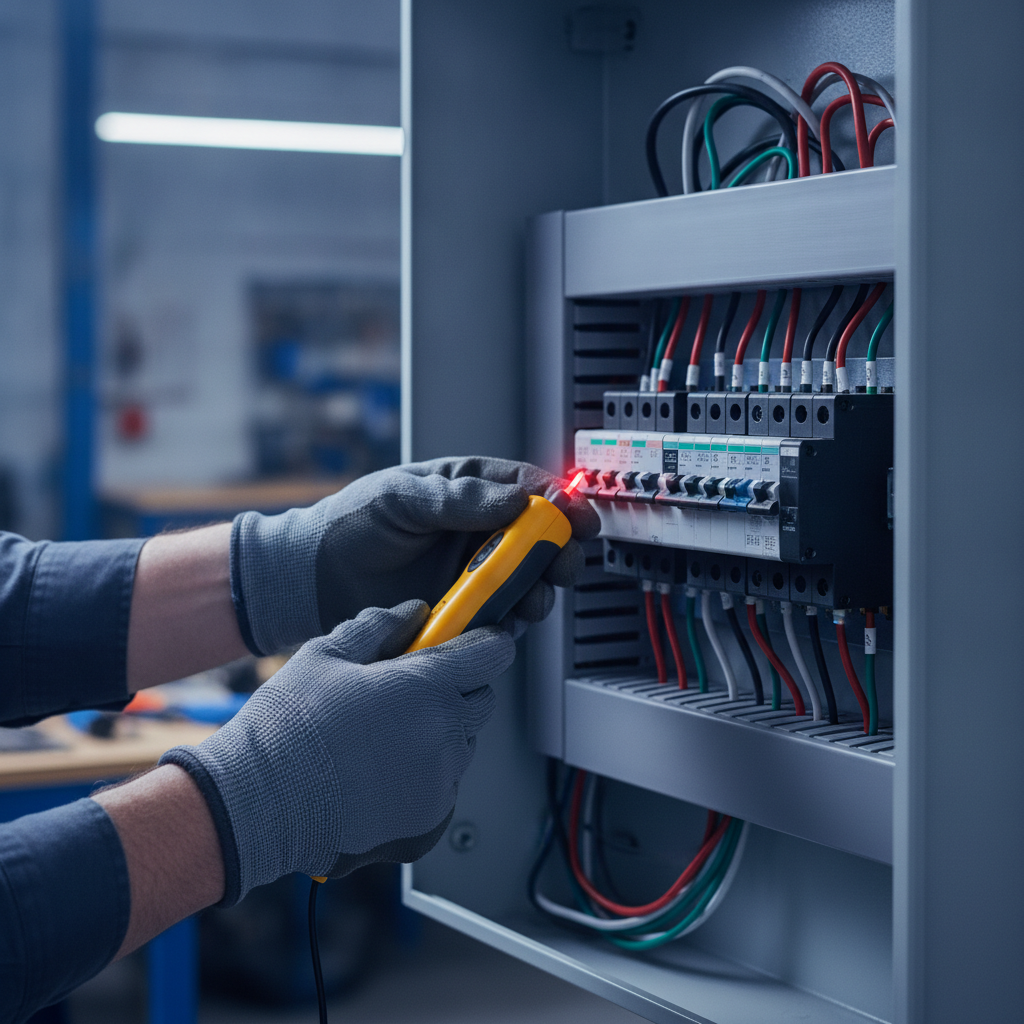
- Non-contact voltage tester: Quick checks before touching suspected live components.
- Outlet/GFCI tester: Verifies polarity/grounding and GFCI trip response at receptacles.
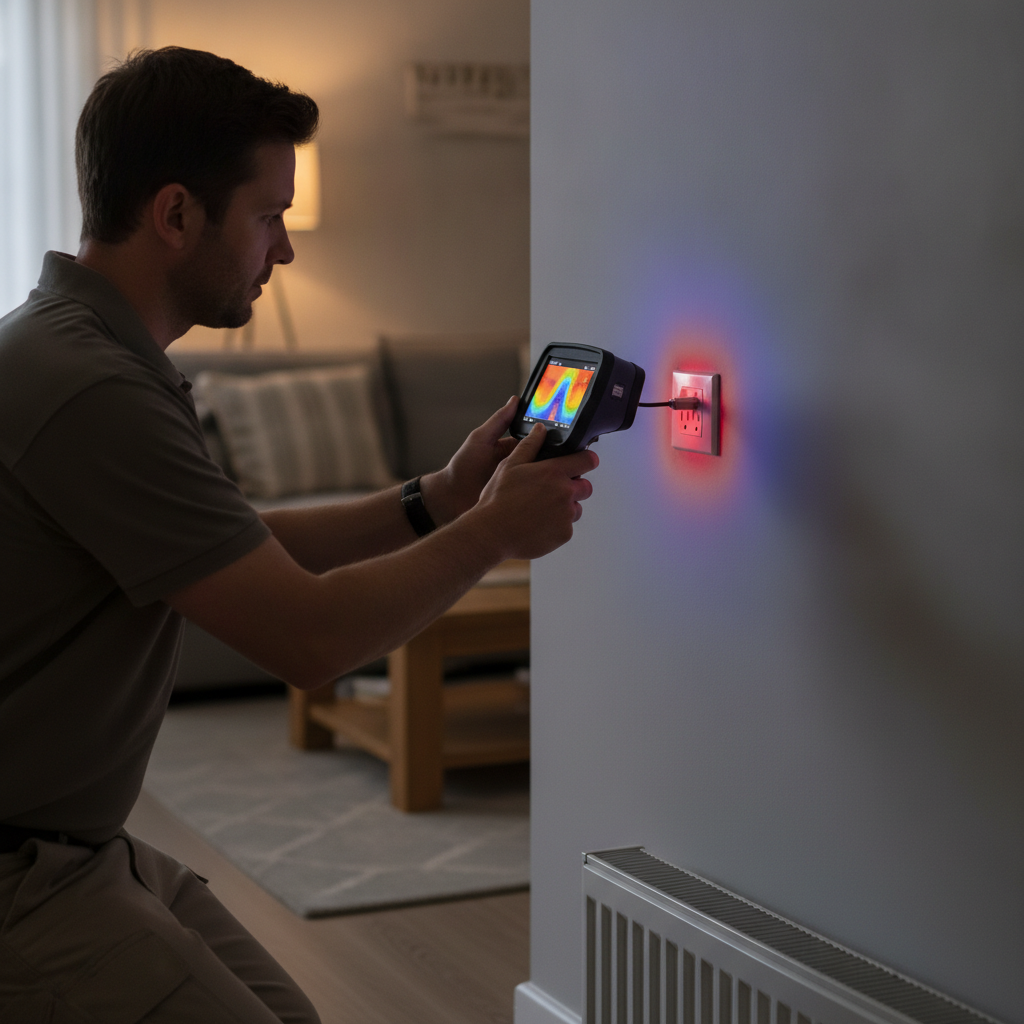
- Thermal imaging camera: Highlights abnormal heat patterns that suggest loose terminations or overload.
- Moisture meter: Confirms moisture where staining suggests potential conductor risk.
- Circuit tracer: Helps trace unidentified circuits to specific breakers in complex panels.
- High-output flashlight: Essential for panels, attics, and crawlspaces with limited lighting.
For a homeowner-friendly overview of what these tools help uncover, this brief inspection checklist summary mirrors many of the practical checks we perform.
Case Studies and Examples
Real-world inspections reveal patterns: mislabeled or crowded panels, missing GFCI protection, aging wiring, and moisture-related damage. Documenting context and details helps owners act fast—often coordinating electricians, roofers, or plumbers to solve root causes efficiently.
Here are representative, anonymized mini-examples from our recent work serving Suite 2000 and the surrounding GTA. Each illustrates how methodical inspection and same-day reporting lead to quick, confident action.
1) Pre-purchase condo: mislabeled subpanel
- Observation: Several breakers mislabeled; kitchen counter outlets lacked GFCI protection.
- Why it matters: Mislabeling slows response during emergencies; missing GFCI raises shock risk around sinks.
- Action: Buyer used our report to negotiate GFCI installation and panel relabeling by a licensed electrician before closing.
2) Single-family resale: attic junctions and heat signature
- Observation: Thermal imaging showed an elevated heat pattern at a junction in the attic; the box cover was missing.
- Why it matters: Uncovered or overloaded junctions raise arc and heat risk, especially near insulation.
- Action: Seller engaged an electrician to correct splices and restore a proper cover, then provided the receipt with the listing.
3) Small retail unit: exterior receptacles and moisture
- Observation: Exterior receptacles lacked in-use covers; staining suggested intermittent moisture near the service entry.
- Why it matters: Wet environments require additional protection to prevent shock and corrosion.
- Action: Manager coordinated an electrician for proper covers and sealed the entry point; a roofer addressed minor flashing defects identified in the broader inspection.
These patterns show why we integrate electrical findings with roof, attic, plumbing, and exterior observations. Coordinating across systems prevents recurring defects and keeps safety top of mind. To see how we unify results into one clear document, explore our same-day PDF reporting approach.
Local considerations for Suite 2000
- Seasonal temperature swings can stress exterior conduits and fittings. Schedule a quick visual check each spring and fall as part of annual maintenance.
- Condos and mixed-use buildings often limit panel access windows. Coordinate with property management so inspectors can safely review service areas without delays.
- Older neighborhoods sometimes include legacy wiring methods. A targeted evaluation helps plan licensed upgrades without unnecessary disruption.
Homeowner Checks vs. Professional Electrical Inspection
Homeowner checks are quick and visual, but they miss deeper risks and can’t replace a systematic inspection. A professional review evaluates panels, grounding/bonding, representative circuits, and life-safety devices with documentation that supports fast, compliant corrections by a licensed electrician.
| Area | Homeowner Visual Check | Professional Electrical Inspection |
|---|---|---|
| Outlets & switches | Look for damage; test a few outlets with a lamp. | Polarity/ground tests, GFCI trip checks, defect mapping, photo docs. |
| Panels | Check for clear access; avoid opening covers. | Evaluate labeling, double taps, bushings, conductor sizing, heat clues. |
| Safety devices | Press GFCI “test” buttons in kitchens/baths. | Confirm required locations and AFCI coverage; document nuisance trips. |
| Wiring runs | Glance in attic/basement if safe and accessible. | Check junction box covers, support, splices, and thermal anomalies. |
| Documentation | Personal notes or photos. | Prioritized, same-day PDF report for decisions and contractor quotes. |
Electrical Inspection FAQ
These quick answers cover timing, scope, and what to do after your report. Use them to plan access, coordinate with your agent or property manager, and move efficiently from findings to fixes with a licensed electrician where needed.
When should I schedule an electrical inspection?
Book before buying or listing, after major renovations, ahead of tenant move-ins, and annually for preventative maintenance. If you notice frequent breaker trips, flickering lights, or warm cover plates, schedule sooner to prevent escalating risk.
What does the inspector actually test?
We perform visual and functional checks: panel labeling and clearances, signs of overheating, representative outlet testing for polarity and grounding, and verification of GFCI/AFCI where labeled. We also document wiring methods and accessible junctions in attics or basements.
Will an inspection fix my electrical problems?
An inspection identifies and documents issues with photos and clear recommendations. It doesn’t replace licensed electrical work. We outline next steps and, when appropriate, recommend engaging a qualified electrician to complete repairs safely and in compliance.
How fast will I get the report?
Our team delivers a same-day PDF in most cases. You’ll receive prioritized findings, photos, and plain-language guidance that you can share with your agent, contractor, or property manager immediately.
Do you inspect commercial electrical systems?
Yes. We adapt the scope for retail, office, hospitality, warehouses, and more—coordinating access, inspecting representative receptacles and panels, and documenting safety devices. Findings roll into a clear, actionable report for your facility plan.
Key Takeaways & Next Steps
Electrical inspections protect people, property, and transactions. Prioritize panel safety, life-safety devices, and clear documentation. Schedule before buying or listing, after renovations, and annually. Act on the report with licensed electrical work to resolve hazards and prevent downtime.
- Electrical inspection = safety first, clarity always.
- GFCI/AFCI protection and proper terminations dramatically lower risk.
- Same-day, photo-rich reports support fast, confident decisions.
- Coordinate with building management for smooth access and faster results.
Ready to move forward? Schedule with ASM Home & Commercial Inspection. If you’re weighing a broader property review—roof to foundation—we can integrate your electrical findings into a full-system home or commercial inspection and deliver one cohesive, same-day PDF you can act on.
Need a clear plan from panel to outlet? Book an electrical inspection as part of a full home or commercial assessment with our GTA-certified team. We’ll organize access, perform a consistent review, and send your prioritized PDF before the day ends.