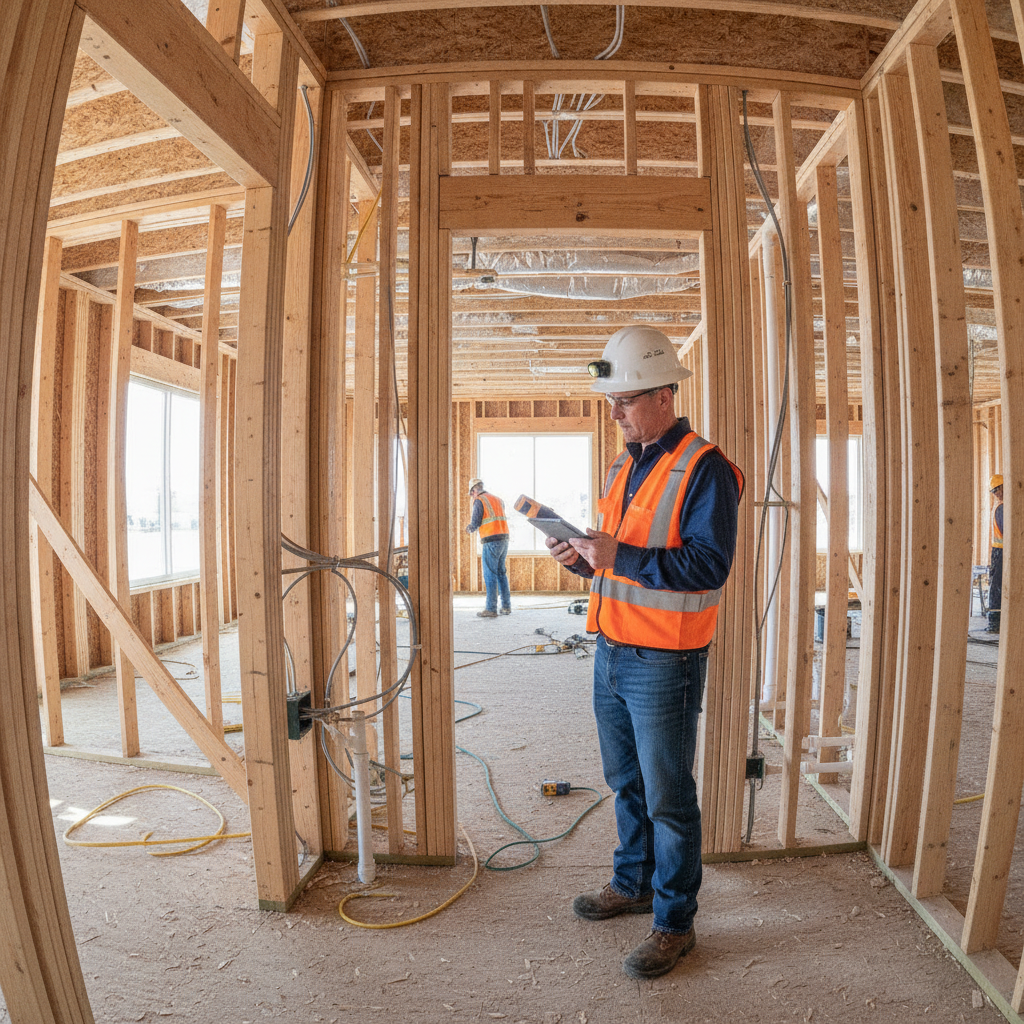
Construction and building inspectors evaluate structures for safety, code compliance, and workmanship from foundation to finish. They identify defects, document risks, and recommend corrections so owners can act before problems escalate. For Suite 2000 homeowners, buyers, and investors, timely inspections lower liability, improve negotiating leverage, and help projects pass milestones on schedule.
By ASM Home & Commercial Inspection • Last updated: 2026-06-25
Overview and Table of Contents
This guide explains what construction and building inspectors do, why their work matters, and how inspections proceed step-by-step. You’ll learn inspection types, best practices, tools, and real examples relevant to Suite 2000 property owners—plus a quick checklist to work smoothly with your inspector.
Here’s what you’ll find in this complete, practical guide:
- What inspectors check and when they’re required
- How a typical inspection unfolds from booking to report
- Residential vs. commercial and new construction nuances
- Best practices to prep, prevent delays, and pass first time
- Tools, resources, and speakable answers for quick reference
What Are Construction and Building Inspectors?
Construction and building inspectors are trained professionals who evaluate buildings for safety, code compliance, and workmanship. They document issues with photos, measurements, and clear language, then provide a report so owners, buyers, or contractors can prioritize repairs and keep projects on track.
In our experience serving Suite 2000 buyers and owners, people use the term “inspector” to mean different roles. It helps to clarify:
- Municipal/Authority Inspectors: Enforce codes at milestones (footing, framing, insulation, final). They approve or require corrections.
- Private Home/Building Inspectors: Independent evaluators you hire for pre-purchase, pre-listing, new construction, or maintenance decisions.
- Specialists: Structural, electrical, plumbing, HVAC pros who dive deeper when needed.
ASM Home & Commercial Inspection operates as a private, certified inspector for residential and commercial properties across the GTA, delivering same-day PDF findings so you can act fast.
At a glance: roles compared
| Role | Primary Goal | Who Engages | When Used |
|---|---|---|---|
| Municipal/Authority Inspector | Code enforcement | City/authority | Permit milestones (e.g., footing, framing, final) |
| Private Home/Building Inspector | Risk discovery & documentation | Buyer, seller, owner, investor | Pre-purchase, pre-listing, new build QA, annual |
| Specialist (e.g., structural engineer) | Deep technical analysis | Owner, GC, lender, insurer | When issues exceed general scope |
Why Construction and Building Inspectors Matter
Inspectors reduce risk, protect safety, and preserve value. By catching moisture, structural, electrical, and HVAC issues early, they help owners avoid hidden liabilities, negotiate repairs, and keep new construction moving through milestones without costly rework.
Here’s the thing: small problems become expensive fast. In many jurisdictions, a missed framing or insulation detail can delay finishing work by days and snowball into significant schedule slippage.
- Risk reduction: Discover safety hazards before you inherit them during a sale or move-in.
- Negotiation power: A clear report helps buyers or sellers address 10–20 actionable items with priority levels.
- Schedule certainty: New homes often face 3–5 municipal checks; being prepared prevents repeat visits.
- Preventative care: Annual maintenance inspections surface early wear in roof, plumbing, or HVAC systems.
For Suite 2000 owners managing rentals or multi-unit properties, standardized reports help compare units apples-to-apples, plan maintenance windows, and document condition for turnovers.
How Inspections Work: Step-by-Step
A successful inspection follows five steps: scope and booking, on-site evaluation, real-time walk-through, photo documentation, and same-day reporting. Clear prep and access are the fastest ways to get a clean report and minimize reinspections.
1) Scope and booking
- Clarify property type, age, and concerns (e.g., moisture near basement walkout, roof age, attic ventilation).
- Select service: pre-purchase, pre-listing, new construction, move-in, or annual maintenance.
- Confirm utilities are on; provide access to attic, panel, furnace/AC, crawlspace, and garage.
2) On-site evaluation
- Exterior envelope: roof, gutters, grading, siding, penetrations.
- Structure: visible framing, foundation walls, posts, beams.
- Interior: walls, ceilings, floors, doors/windows, kitchens/baths.
- Major systems: electrical panel/receptacles, plumbing fixtures, furnace, water heater, HVAC performance.
3) Real-time walk-through
- We highlight significant findings on-site and explain implications in plain English.
- Expect quick guidance: fix-now items vs. monitor vs. specialist follow-up.
4) Photo documentation
- Annotated photos tie each observation to location and recommendation.
- Typical reports include 30–80 images across 8–12 sections for clarity.
5) Same-day reporting
- You receive a same-day PDF summary with prioritized actions from ASM Home & Commercial Inspection.
- Use the report to negotiate, schedule trades, or plan maintenance windows.
Types of Inspections and When to Use Them
Use pre-purchase to reduce buyer risk, pre-listing to fix issues before market, new construction to pass milestones, move-in to document condition, and annual maintenance to prevent surprises. Commercial inspections add life-safety and system capacity checks.
Residential (buyer, seller, owner)
- Pre-purchase home inspection: Objective risk review before you buy; expect 150–300 line items ranked by priority.
- Pre-listing inspection: Fix top issues in advance to speed offers.
- Annual maintenance: Track aging roofs, caulking, grading, and HVAC filter/drain maintenance.
New construction quality assurance
- Pre-drywall: Framing, rough-ins, fire blocking, air sealing, and penetrations checked while accessible.
- Final walkthrough: Fixtures, appliances, outlets, GFCI/AFCI where present, attic insulation/ventilation, door/window operation.
- In many regions, new builds pass 3–5 municipal checkpoints; private QA helps you pass first time.
Commercial property evaluation
- Scope extends to parking, egress, life safety systems, multi-rooftop HVAC, and larger electrical services.
- For retail, office, industrial, hospitality, healthcare, or education uses, standardized findings inform capital planning.
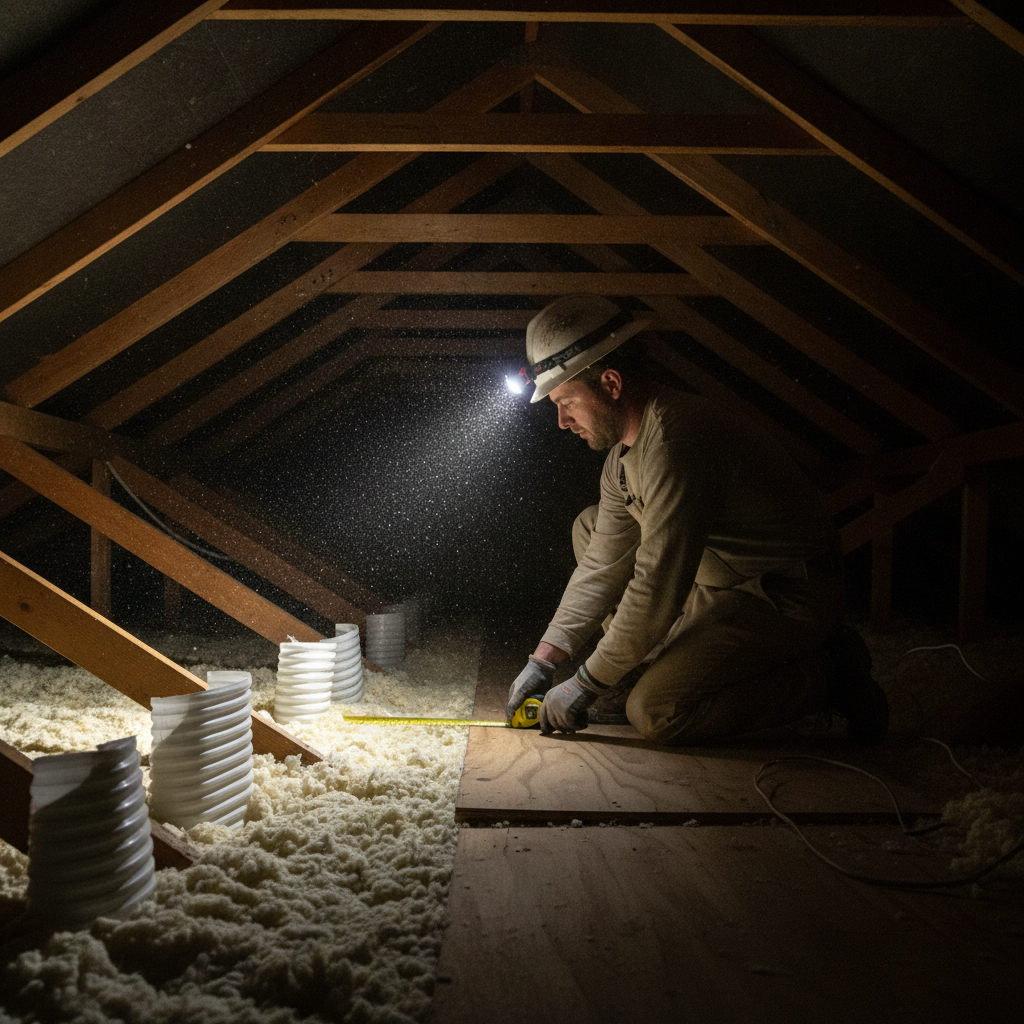
If your first question is the attic, you’re not alone. Attic inspection findings often reveal ventilation or moisture pathways that explain ceiling stains and energy loss—one reason we always include this area in our scope.
Best Practices to Ace Your Inspection
The fastest path to a clean inspection is preparation: clear access, active utilities, recent filter changes, labeled panels, and repair receipts ready. Pair that with a realistic punch list and you’ll avoid repeat visits and negotiation headaches.
Preparation checklist
- Unlock or provide keys to all areas: attic, electrical panel, crawlspace, garage, mechanical rooms.
- Turn on gas, water, and power; confirm pilot lights and breaker resets as needed.
- Replace HVAC filters; clear 3 feet around furnace/water heater and panel.
- Gather permits, warranties, and repair invoices; label shutoff valves where practical.
Owner tips we see work
- Fix downspout extensions and grading before the visit to reduce moisture flags.
- Test GFCIs and smoke/CO alarms; replace batteries to prevent easy fails.
- Silicone bathroom penetrations and re-caulk suspect areas to limit active leaks.
Local considerations for Suite 2000
- Seasonal swings can stress roofs and sealants; schedule attic and roof checks after heavy weather.
- Busy transaction periods mean limited booking windows; plan pre-purchase and pre-listing inspections early.
- Moisture intrusion is a frequent concern; document grading and downspout changes for your report trail.
When you’re ready, book a pre-purchase or new construction visit with ASM Home & Commercial Inspection so we can tailor the scope to your property and timeline.
Tools and Resources Inspectors Use
Inspectors rely on moisture meters, thermal cameras, outlet testers, ladders, and safe access gear. Paired with photo-rich, same-day PDFs, these tools turn observations into clear, prioritized actions for owners, buyers, and contractors.
Core inspection toolkit
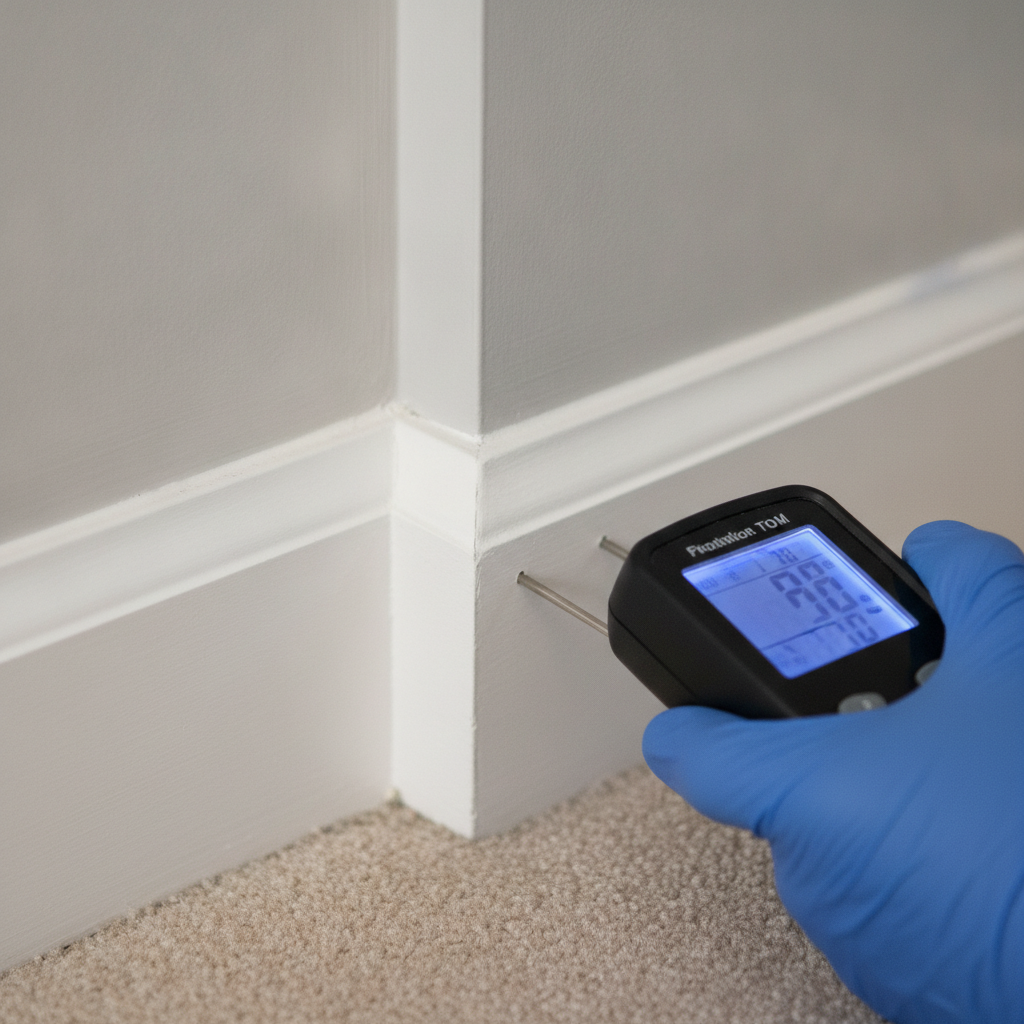
- Moisture meter: Confirms or rules out wet materials around basements, bathrooms, and window sills.
- Thermal imaging: Highlights missing insulation, air leaks, or temperature anomalies.
- Outlet/test equipment: Verifies GFCI/AFCI presence and polarity at accessible receptacles.
- Roof and attic access: Ladders, headlamps, and PPE for safe entry and documentation.
Helpful reading
- See this concise electrical inspection guide for an overview of common electrical checks.
- Review a practical building construction guide to understand typical build sequences and checkpoints.
- For rentals, this unit turnover checklist shows how to document condition changes effectively.
Pair these resources with our same-day PDF deliverables from ASM Home & Commercial Inspection to keep decisions fast and well-documented.
Case Studies and Real Examples
Real-world inspections show how small findings prevent big headaches. From attic ventilation gaps to miswired receptacles, clear photos and step-by-step recommendations help owners fix priorities quickly—often within a single maintenance window.
Suite 2000 pre-purchase: attic moisture trail
- Symptom: Subtle ceiling staining below a bathroom.
- Findings: High moisture readings at the baseboard; attic showed low insulation at the bath fan duct and minor condensation.
- Action: Seal duct, add insulation at the chase, re-caulk tub/shower penetrations, monitor for 2–4 weeks.
New construction: pre-drywall punch list
- Findings: Missing fire blocking in one chase, a few unsealed exterior penetrations, and a notched stud outside allowance.
- Action: Builder corrected before drywall; municipal recheck passed the first time—no schedule slip.
Commercial light industrial: roof and HVAC
- Findings: One RTU with restricted airflow, ponding near scuppers, and loose lap seams.
- Action: Targeted service call and minor roof maintenance prevented seasonal leaks and comfort complaints.
Working with ASM Home & Commercial Inspection
We provide certified residential and commercial inspections across the GTA with same-day PDF reports. Our scope spans roof, attic, structure, plumbing, electrical, and HVAC, with focused attention on moisture intrusion—so you can act decisively.
- Certified expertise: InterNACHI (residential) and CCPIA (commercial).
- Comprehensive scope: Roof to foundation, including attic inspection, electrical inspection, plumbing inspection, HVAC inspection, and more.
- Same-day PDF reporting: Clear photos, priorities, and maintenance guidance.
- GTA coverage: Serving buyers, sellers, investors, landlords, and commercial operators.
Need a pre-purchase, pre-listing, or new construction inspection? Schedule with ASM and we’ll align the scope with your transaction timeline.
Free 15-Minute Consultation (Soft CTA)
Unsure which inspection you need? Book a quick call. We’ll map your timeline, property type, and top risks to the right service and deliverables—so you can proceed with confidence.
Bring your top three concerns and a preferred window. We’ll recommend the right service—pre-purchase, pre-listing, new construction, move-in, or annual maintenance—and confirm what’s needed for same-day reporting from ASM Home & Commercial Inspection.
Frequently Asked Questions
These quick answers cover common questions about inspections, timing, and what to expect. Each reply is concise so you can make decisions fast and reduce surprises on site.
What do construction and building inspectors look for?
They evaluate structural elements, roofing, exterior envelope, interior finishes, and major systems like electrical, plumbing, and HVAC. Inspectors document safety issues, defects, and maintenance needs with photos and clear recommendations.
How long does a home inspection usually take?
Most single-family inspections take 2–3 hours on site, plus time for photo organization and reporting. Larger or older homes, multi-unit buildings, and commercial sites naturally take longer due to added systems and access points.
Do I need a private inspector if the city already inspects my new build?
City inspections enforce code at milestones, but they aren’t a full quality assurance review. A private inspector offers broader checks, detailed photos, and practical maintenance advice tailored to how you’ll live or operate in the space.
What can I do to prepare for an inspection?
Ensure utilities are on, provide clear access to the attic, electrical panel, furnace/AC, and water heater, and gather repair invoices or permits. Replacing HVAC filters and testing GFCIs and alarms also helps avoid easy fails.
Key Takeaways
Inspectors help you reduce risk, keep projects moving, and negotiate with clarity. Prep access, utilities, and documents. Use same-day PDF reports to prioritize and act quickly.
- Construction and building inspectors document safety, defects, and maintenance needs.
- Pre-purchase, pre-listing, new construction, move-in, and annual inspections serve different goals.
- Preparation—access, utilities, and receipts—prevents delays and reinspections.
- Photo-rich, same-day PDFs turn findings into decisive next steps.
Conclusion and Next Steps
Choose the right inspection for your goal, prepare the space, and use the report to act quickly. For Suite 2000 properties, certified, same-day documentation keeps transactions and projects on schedule.
Whether you’re buying, selling, managing rentals, or breaking ground on new construction, an experienced inspector turns complexity into clear decisions. Book your next residential or commercial inspection with ASM Home & Commercial Inspection—and if you’re nearby, schedule a quick discovery session in Suite 2000.