
Commercial real estate inspectors evaluate buildings to document condition, safety, and compliance so buyers, owners, and tenants can act with confidence. In Suite 2000, Asmhomeinspection delivers certified commercial inspections and same-day PDF reports. This guide explains what’s covered, how inspections work, and how to use findings to protect your deal.
By Asmhomeinspection — Last updated: 2026-06-10
Quick Summary
Commercial building inspections provide a fast, structured snapshot of asset health. Inspectors review structure, roof, exterior, interiors, and mechanical/electrical/plumbing to surface material defects and life-safety issues. A photo-rich, prioritized report supports negotiations, maintenance planning, and risk reduction on acquisitions, leasing, and refinancing.
- Scope: structure, roofing, exterior envelope, interiors, MEP, drainage, and site conditions.
- When: due diligence, lease turnover, lender requirements, or annual maintenance planning.
- Deliverable: same-day PDF summary with annotated photos and action priorities.
- Outcome: fewer surprises, stronger negotiations, clearer capital planning.
- Local note: Suite 2000’s climate swings make roof and moisture reviews essential.
What are commercial real estate inspectors?
Commercial real estate inspectors are trained professionals who perform visual, non-invasive evaluations of buildings. They document safety hazards, deferred maintenance, and system performance so stakeholders can make informed decisions. Reports translate observations into prioritized actions aligned to industry standards and real-world access limits.
In practice, inspectors act as your objective eyes on critical systems. For Asmhomeinspection’s clients across Suite 2000 and the GTA, that means a consistent, standards-informed look at structure, roofing, building envelope, interior areas, parking/flatwork, and the big three MEP systems—mechanical, electrical, and plumbing.
- Primary goal: reveal material deficiencies before you commit to a purchase, lease, or refinance.
- Secondary goal: create a baseline so you can track changes over time and plan preventive work.
- Scope control: representative sampling in large, repetitive spaces minimizes disruption while capturing risk.
We’ve found that a well-structured inspection saves days of back-and-forth later. When working with investors, we align our scope with lender expectations and building access realities, then deliver a crisp, same-day PDF so you can respond before deadlines tighten.
Why commercial inspections matter
They reduce financial and safety risk, sharpen negotiations, and inform capital planning. Early detection of moisture intrusion, electrical hazards, or failing HVAC helps you avoid downtime and emergency work. A documented baseline also clarifies which repairs are urgent and which can be scheduled.
Here’s the thing: surprises during due diligence are expensive—in time and leverage. A photo-documented deficiency list can support credits, holdbacks, or repair commitments. For building owners, the same list becomes a maintenance roadmap that keeps tenants happy and systems reliable.
- Moisture drives decay: roof leaks, flashing failures, or poor grading routinely appear in commercial reports and can affect structure, finishes, and indoor air quality.
- Life-safety comes first: egress, guardrails, and fire protection issues create liability; flagging them enables immediate mitigation.
- Capital timing matters: knowing approximate remaining life of roofs or RTUs lets you stage replacements to avoid peak-season failures.
When working with multi-tenant properties, we often identify minor issues—like clogged roof drains—that, if ignored, balloon into ceiling damage after a heavy rain. Capturing these in the report, with clear photos, turns a hidden risk into a simple work order.
How commercial inspections work
Commercial inspections run on a repeatable process: define scope and access, perform the site review, document conditions, and issue a clear, prioritized report. Keeping the workflow tight enables same-day delivery so your team can negotiate or schedule work without delay.
- Scope and proposal: confirm buildings, systems, and sampling strategy; align to your transaction timeline.
- Access and safety: coordinate roof ladders, mechanical rooms, and any escort requirements; confirm acceptable shutdown windows for testing.
- Fieldwork: review exterior envelope, roofing, structure where accessible, interiors, drainage, and representative MEP components.
- Documentation: photos, notes, and where visible, nameplates/ages of major equipment.
- Reporting: same-day PDF with an executive summary, annotated images, and prioritized actions.
To keep transactions moving, Asmhomeinspection emphasizes clear, plain-English summaries. We also call out quick wins—like clearing debris from scuppers—that reduce risk immediately while you plan larger repairs.
Types, methods, and approaches
Choose methods that match risk and timeline. Due diligence PCAs for acquisitions, annual maintenance reviews for operating assets, turnover and warranty checks for new build-outs, plus specialty modules (infrared, moisture mapping, sewer scoping) when elevated risk justifies deeper testing.
- Property Condition Assessment (PCA): the due diligence staple for acquisitions and financing; broad system review with prioritized recommendations.
- Annual maintenance inspection: documents wear, helps forecast capital, and reduces unplanned downtime.
- Turnover/warranty evaluations: verify performance at tenant move-in/out or milestone warranty dates.
- Specialty add-ons: infrared for thermal anomalies, targeted moisture mapping, sewer scoping, or roofing cores by specialists when warranted.
In our work with mixed-use properties, we often blend a PCA with targeted specialty checks (for example, infrared scanning at roof penetrations) to validate suspected moisture paths without opening finishes during a tight option period.
Best practices for hiring commercial real estate inspectors
Vet certifications, align scope to risk, and request a prioritized, photo-rich report. Confirm same-day delivery options, and pair the generalist’s findings with licensed specialists for high-risk systems. Strong pre-visit coordination yields clearer results and fewer access delays.
- Verify credentials: look for InterNACHI and CCPIA membership. Asmhomeinspection maintains both so residential and commercial scopes are covered with recognized standards.
- Match scope to risk: more tenants, older roofs, or complex HVAC warrant deeper sampling and targeted add-ons.
- Ask for clarity: insist on an executive summary with action priorities and photo references; it speeds team decisions.
- Plan access early: roof hatches, mechanical rooms, and electrical panels may need escorts or permissions.
- Leverage the report: use documented defects to negotiate credits or repairs during due diligence.
If you’re coordinating across brokers, property managers, and tenants, centralize access times first. We share a short checklist with stakeholders so the site day stays focused on observing, not searching for keys or ladders. You can request our standard inspection scope to prepare your team.
Tools and resources inspectors use
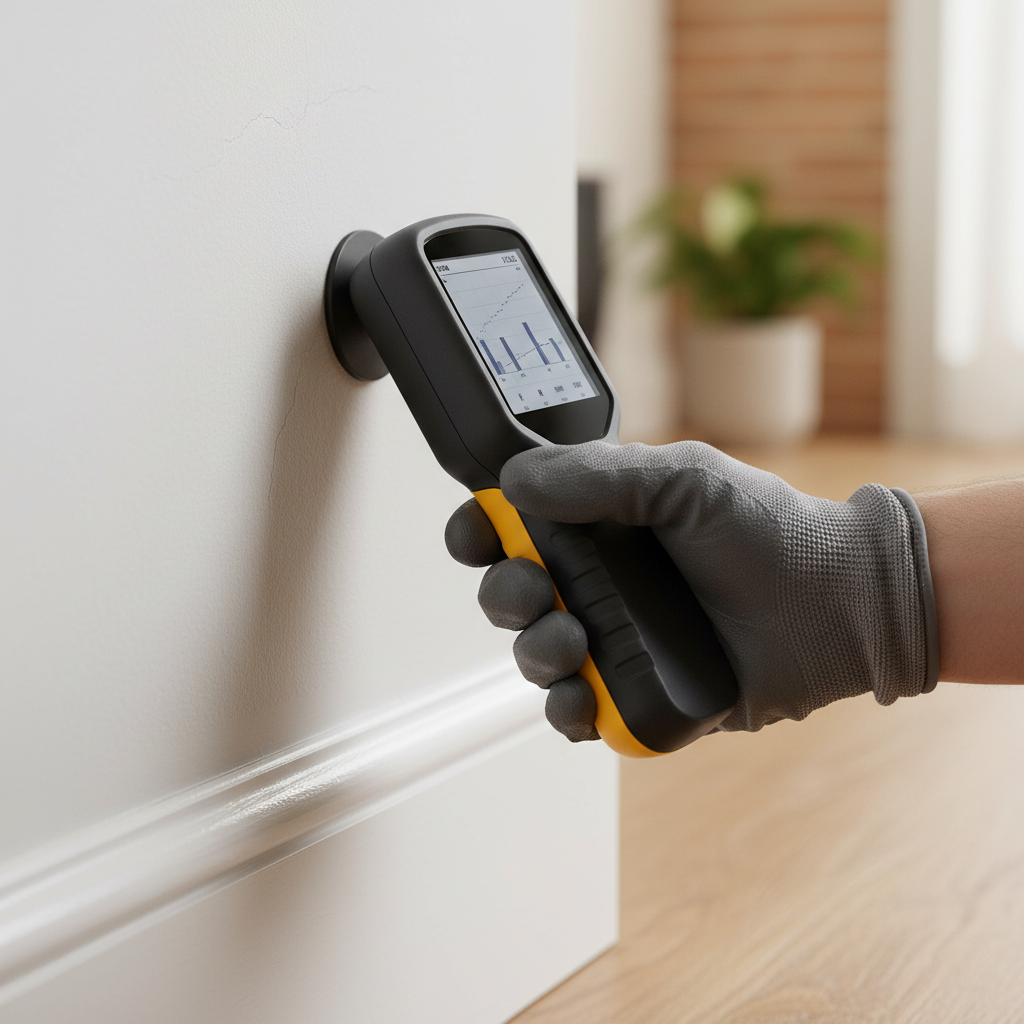
Effective inspections combine trained observation with practical instruments: infrared cameras to visualize temperature patterns, moisture meters to trace water pathways, outlet testers for basic electrical safety, and ladders/PPE for safe access. Digital platforms speed same-day PDF delivery with crisp images and clear recommendations.
- Observation-first: stains, cracks, corrosion, and abnormal noise/vibration guide where to test next.
- Infrared and moisture: IR suggests anomalies; moisture meters help confirm active intrusion.
- Electrical basics: thermal patterns, panel conditions, and outlet testing surface safety issues quickly. See this concise electrical inspection overview for typical checks.
- Safety gear: roof fall protection, gloves/eye protection, and confined-space protocols when applicable.
- Standards and checklists: we align procedures to recognized practice and customize templates by property type.
When a panel shows signs of heat or corrosion, we elevate to a licensed electrician. For a plain-language refresher on electrical safety checks, this electrical inspection guide outlines common red flags and preventive habits in simple terms.
Commercial vs. residential inspections
Both seek safety and transparency, but commercial work emphasizes representative sampling, access planning, and system performance under higher occupant loads. Residential focuses on a single dwelling; commercial scopes address multi-tenant complexity, maintenance programs, and lender documentation.
Because Asmhomeinspection serves both sides of the market, we often translate lessons between them. For instance, moisture control and roof maintenance are universal—but commercial roofs and drainage assemblies are larger, with more penetrations and higher stakes if they fail.
| Aspect | Commercial Inspection | Residential Inspection |
|---|---|---|
| Access strategy | Representative areas/units; escorts and permits common | Full-home walk-through; owner/agent access |
| Systems focus | MEP capacity, roof/drainage, life-safety, envelope | Structure, roofing, MEP fixtures, interior finishes |
| Deliverables | Executive summary, priorities, portfolio context | Summary of defects and maintenance items |
| Stakeholders | Investors, lenders, property managers, tenants | Buyer/seller, agent |
If you manage both commercial and residential assets, aligning documentation formats helps you compare risks more easily. Ask us about a standardized, photo-rich report format that works across your portfolio.
Case studies and examples
Real inspections show how early findings change outcomes: unclogging roof drains prevents interior damage, upgrading overloaded panels reduces fire risk, and staging HVAC replacements avoids peak-season outages. Documentation transforms hidden problems into scheduled work with clear accountability.
- Retail center: Roof scuppers were packed with debris. Clearing them and scheduling seasonal checks eliminated recurring ceiling stains after rainstorms.
- Warehouse: Floor and wall cracks looked alarming but were non-structural; we set simple crack gauges and a log to monitor movement over time.
- Office building: Aging rooftop units (RTUs) showed declining performance; the owner staged replacements to avoid concurrent outages, informing tenants well in advance.
- Restaurant bay: Active moisture traced to a failed flashing detail; targeted repairs and a follow-up moisture reading confirmed the leak was resolved.
- School wing: Missing guards on elevated walkways were flagged and corrected, reducing immediate life-safety risk.

Need a rapid, standards-based assessment? Book a certified inspection with Asmhomeinspection. We deliver same-day PDF summaries with annotated photos so your team can negotiate, schedule work, or plan capital—with confidence.
Choosing the right provider in Suite 2000
Pick an inspector with commercial credentials (CCPIA), broad property-type experience, and fast reporting. Align scope to your risk profile, secure access early, and confirm you’ll receive a prioritized, photo-rich PDF the same day so decisions stay on schedule.
Asmhomeinspection is certified by InterNACHI and the Certified Commercial Property Inspectors Association (CCPIA). Our work across retail, office, industrial, hospitality, healthcare, and education facilities means we adapt to mixed-use realities and complex access patterns common around Suite 2000.
- Credentials you can verify: ask about commercial training and ongoing education.
- Property-type range: your provider should be comfortable with apartments/condos, restaurants, warehouses, offices, hotels/motels, schools, and churches.
- Reporting speed: same-day PDF delivery keeps deal momentum; confirm before you schedule.
- Service model: look for clear communication, simple scheduling, and responsive follow-up so findings become action items quickly.
Local considerations for Suite 2000
- Seasonal freeze–thaw cycles and spring meltwater raise moisture risk; prioritize roofing, flashing, and drainage reviews.
- Leasing and academic calendars compress timelines; secure inspection dates early to avoid delays.
- Mixed-use and multi-tenant setups are common; coordinate access for retail bays, shared mechanical rooms, and common areas in one visit.
If your portfolio spans nearby municipalities, consider a rolling annual program. We can standardize your inspection templates and cadence so results are comparable and easier to track year over year.
How to use the inspection report effectively
Treat the report as a decision tool. Use the executive summary for negotiations, convert priorities into work orders, and schedule follow-ups to verify fixes. For operating assets, roll findings into your preventive maintenance plan so risks shrink over time.
- Deal leverage: use documented defects to seek credits, holdbacks, or seller repairs.
- Work orders: translate “urgent” items into tickets with owners and due dates; attach photos from the report.
- Capital planning: stage big-ticket replacements (roofs/RTUs) to minimize business disruption.
- Baseline tracking: repeat inspections annually to measure progress and catch drift before it becomes downtime.
For broader due diligence context, many teams follow a lawyer-curated checklist for titles, leases, and environmental matters. You can review a practical real estate due diligence checklist to align your inspection output with the rest of the file.
Common findings and red flags (and what to do next)
Expect moisture issues, aging roofs, localized structural cracks, overloaded electrical panels, and worn HVAC components. Prioritize life-safety fixes immediately, schedule moisture/source repairs, and plan roof/HVAC replacements based on condition and season.
- Moisture intrusion: trace back to failed flashing, seams, or grading; verify dry-down with a moisture meter after repair.
- Roofing wear: ponding water, open seams, or blistering indicate material age and deferred maintenance.
- Electrical concerns: heat discoloration, corrosion, or damaged breakers; escalate to a licensed electrician for remediation.
- HVAC fatigue: noisy bearings, coil corrosion, or uneven cooling patterns suggest declining efficiency and looming failure.
- Envelope gaps: deteriorated sealant, missing weeps, or loose cladding can admit water and air, affecting comfort and energy use.
We highlight quick, low-cost actions—clearing drains, sealing minor gaps—while you plan larger projects. Our same-day photo summaries make it easy to dispatch maintenance teams with confidence.
Stakeholder checklists before inspection day
Preparation reduces site delays and improves results. Confirm access, share the scope, and assign escorts. Gather any available maintenance logs, warranties, and prior reports so observations can be placed in context and tracked forward.
- Owner/PM: confirm roof and mechanical room access; identify any restricted spaces.
- Tenant: provide suite access and alert staff to the visit; note any recurring issues.
- Brokers: align schedules and contingency windows for weather or roof access.
- Inspector: finalize sampling plan, safety PPE, and any specialty modules requested.
We email a short readiness checklist ahead of time. You can request it from our team at Asmhomeinspection when booking.
Frequently Asked Questions
These Q&As address scope, timing, specialists, and deliverables so your team can plan access and move quickly from findings to action. Share them with stakeholders ahead of inspection day to reduce delays.
What does a commercial inspection include?
A generalist reviews structure, roof, exterior envelope, interiors, and MEP systems. The report highlights material defects and life-safety items with photos and clear priorities so you can negotiate or schedule work confidently.
How long do inspections take?
Duration depends on size and access. Small bays may take a few hours; multi-building sites may require a day or more. We focus on efficient documentation so you receive a same-day PDF summary whenever feasible.
Do I also need specialists?
Yes for high-risk systems. Pair the general inspection with licensed specialists for elevators, complex HVAC, fire suppression, or structural engineering questions. The generalist identifies concerns and coordinates deeper testing when warranted.
How are commercial and residential inspections different?
Commercial scopes use representative sampling, address multi-tenant systems, and put greater weight on maintenance programs and life-safety. Residential focuses on one dwelling with full access to most areas.
Key takeaways
Commercial inspections protect deals and operations by revealing defects early and translating them into clear, prioritized actions. Choose certified providers, align scope to risk, and use same-day reports to keep momentum and reduce surprises.
- Define scope and access early; confirm roof and mechanical room entry.
- Request a prioritized, photo-rich report delivered the same day.
- Use findings to negotiate credits, schedule urgent work, and plan capital.
- Repeat annually to build a condition baseline and shrink risk over time.
Conclusion
The best commercial real estate inspectors deliver clarity fast. With certified expertise across diverse property types, Asmhomeinspection provides same-day, photo-documented reports that keep Suite 2000 transactions and operations on track. Ready to reduce uncertainty and move decisively?
Book a certified assessment with Asmhomeinspection. We’ll align scope with your risk, coordinate access, and deliver a clear plan of action—so you can protect your investment and your timeline.