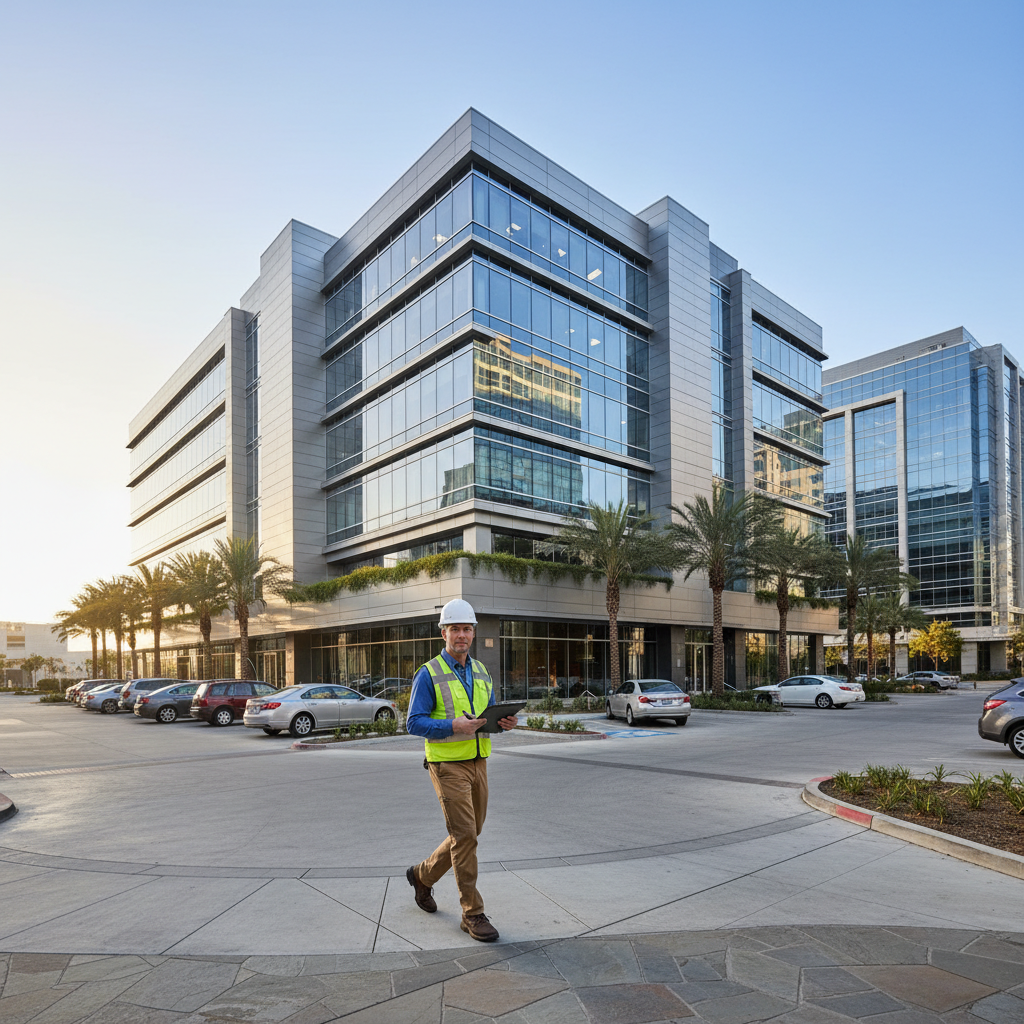
Commercial property inspection services are professional evaluations of a building’s major systems and safety conditions before purchase, lease, or renewal. Inspectors document structural, electrical, plumbing, HVAC, and roof issues in a standardized report for faster decisions. In Suite 2000 and across Toronto, ASM Home & Commercial Inspection delivers certified, same-day PDF findings you can act on.
By Amardeep Mamidi • Last updated: May 21, 2026
At a Glance: What You’ll Learn
This guide explains how commercial inspections work, what they include, and how to use reports to negotiate and plan capital projects. You’ll see real GTA scenarios, a step-by-step process, and best practices from a CCPIA/InterNACHI-certified provider that issues same-day PDF reports.
Here’s the short version if you’re skimming. We cover the essentials investors, lenders, and facilities teams ask about every week:
- What a commercial inspection is and how it differs from a residential review.
- Why timing matters for due diligence and financing milestones.
- System-by-system scope: structure, roof, electrical, plumbing, HVAC, interiors, site, life safety.
- Red flags that affect value, risk, and future CapEx planning.
- How ASM structures your report for quick negotiation and action.
Local considerations for Suite 2000
- Seasonal freeze/thaw cycles around Toronto can stress roofs, masonry, and parking lots. Schedule exterior-focused checks in late fall and early spring to catch movement and moisture paths early.
- Holiday retail peaks change access windows. Coordinate after-hours or early-morning inspections for storefronts and restaurants to minimize disruption and document true operating conditions.
- Industrial sites near distribution corridors often run extended hours. Build thermal scans and HVAC load observations into evening slots to see equipment under realistic demand.
What Is a Commercial Property Inspection?
A commercial property inspection is a visual, non-invasive assessment of a building’s major components to identify defects, safety issues, and maintenance needs. Inspectors document findings, implications, and recommendations in a standardized report you can use for negotiations, planning, and risk management.
Think of it as decision fuel. You’re buying not just a building, but decades of upkeep and liabilities. A clear, same-day PDF organizes what’s urgent, what can wait, and what deserves quotes.
- Scope: structure/foundation, exterior envelope, roof systems, interiors, electrical, plumbing, HVAC, site drainage, egress, and observed life-safety elements.
- Method: walk-through survey, interviews with on-site staff when available, photo documentation, and function checks where safe.
- Output: prioritized list of concerns with supporting images, plain-language implications, and recommended next steps.
ASM is certified for both residential and commercial work (InterNACHI and CCPIA). That dual lens helps when mixed-use assets combine storefronts, offices, and upper-floor apartments in one acquisition.
Why Commercial Inspections Matter Before You Buy or Lease
Inspections reduce uncertainty, reveal hidden defects, and help you negotiate smart. The findings inform CapEx plans, maintenance schedules, and risk controls—often influencing timelines for lenders, insurers, and legal teams.
Without a clear picture, it’s guesswork. With a report in hand, you decide quickly—walk away, renegotiate, or proceed with eyes open.
- Negotiation leverage: Documented defects create room to request repairs or credits before closing.
- Safety and compliance: Observations around egress, guardrails, or electrical panels surface issues that invite citations or incidents.
- Moisture intrusion: Catching leaks early prevents structural decay and indoor air quality problems—an ASM focus across GTA properties.
- Operational continuity: For tenants, a baseline move-in report prevents future disputes about responsibility.
In our experience with Toronto-area buyers, the fastest wins often come from roof, drain, and electrical panel insights—small details that change a multi-year operating picture.
How Commercial Property Inspection Services Work
The process follows a predictable path: scoping call, document review, on-site survey, same-day PDF, and optional follow-ups. We map findings into immediate actions, quotes to obtain, and longer-term maintenance items.
Here’s the playbook ASM uses to keep transactions moving:
- Discovery call: Define property type, size, access, and critical concerns (e.g., roof age, recent floods, equipment noise).
- Document review: Gather any past invoices, warranties, or permits to inform what we should confirm on-site.
- On-site survey: Visual checks of structure, roof, interiors, egress, mechanical/electrical/plumbing (MEP), and site drainage.
- Interviews: When staff are available, ask about nuisance leaks, breaker trips, or HVAC behavior under load.
- Photo and notes: Systematic images and observations mapped to a standardized template.
- Same-day PDF: Clear sections labeled Immediate, Near-Term, and Plan-Ahead, with photos and recommendations.
- Clarify next steps: Suggest specialists (roofer, electrician, plumber, HVAC technician) when deeper testing is warranted.
- Optional re-check: Post-repair verification or seasonal follow-ups, especially for roofs and drainage.
Throughout, we aim to be the calmest voice in the room. Tight closings and financing deadlines happen—standardized reporting keeps stakeholders aligned.
Inspection Types and Methods You Should Know
Most commercial inspections are walk-through surveys with function checks. Where conditions suggest risk, targeted follow-on evaluations—like roof scans, drain scoping, or electrical thermography—help quantify repairs and timelines.
Different properties call for different emphases. Here’s how we tailor scope in the GTA:
Core walk-through survey
- Structure and foundation: Cracking patterns, differential movement, water intrusion, and bearing points.
- Exterior envelope: Walls, cladding, sealants, doors, and windows for water and air paths.
- Roof systems: Membrane condition, flashing details, penetrations, drains/scuppers, and evidence of ponding.
- Interiors: Ceilings, walls, floors, restrooms, kitchenettes, and common areas for moisture and wear.
- Electrical: Service equipment, panels, labeling, clearances, and observed wiring conditions.
- Plumbing: Visible distribution, fixtures, water heaters, and signs of past leaks.
- HVAC: Age/condition markers on rooftop units, air handlers, and thermostatic controls.
- Site and drainage: Grading, downspouts, swales, and evidence of erosion or settlement.
Targeted follow-on evaluations
- Roof-focused evaluations: When age or patchwork suggests limited remaining life.
- Interior moisture mapping: If staining or odor indicates hidden moisture migration.
- Drain or sewer scoping: For older retail or restaurant spaces with grease history.
- Electrical thermal scans: Hot spots around lugs or breakers that merit electrician attention.
- HVAC performance checks: Observing run times and temperature splits during realistic loads.
We keep recommendations practical. For example, a restaurant retrofit may merit grease trap review and a hood inspection checklist like this commercial kitchen checklist—useful context when you’re planning operational handover.

Top Red Flags We See (and How to Prioritize)
Moisture intrusion, aging roofs, overloaded electrical panels, and poor drainage dominate our red-flag list. We prioritize by safety first, then asset life, then comfort and cosmetics—keeping negotiations focused on what truly moves the needle.
- Roof lifecycle concerns: Widespread patches, failed seams, or long-standing ponding near drains.
- Water at grade: Negative slopes, short downspouts, or compacted soils driving water to the foundation.
- Panel issues: Double-lugged breakers, missing labels, or obstructed clearances in mechanical rooms.
- Restroom exhausts: Weak ventilation and recurring humidity damage.
- Rooftop HVAC: Corroded housings, missing curb flashing, or inconsistent temperature splits.
In our Toronto work, drainage corrections and roof service calls are frequent early actions after closing. Fast fixes protect structure and interiors while you plan bigger projects.
Inside the Report: Turning Findings into Action
A good report is a decision tool. ASM’s same-day PDFs sort issues into Immediate, Near-Term, and Plan-Ahead buckets, add photos, and recommend who to call next. That structure keeps legal, finance, and operations aligned.
Expect these sections in your deliverable:
- Executive summary: One page with top risks and quick wins.
- System-by-system findings: Structure, envelope, roof, interiors, electrical, plumbing, HVAC, site.
- Recommendations: Actions and qualified trades to engage.
- Photo appendix: Labeled images to support negotiations and scopes of work.
For fast-moving deals, we’ll brief you by phone right after the site visit and deliver the PDF the same day—so you can pivot while stakeholders are available.
Who Uses Commercial Inspection Services (and When)
Buyers, sellers, landlords, tenants, lenders, and property managers rely on inspections during acquisition, lease-up, refinancing, capital planning, and annual maintenance cycles. Each stakeholder extracts different value from the same observations.
- Buyers and investors: Validate assumptions, quantify risk, and build a first-year maintenance plan.
- Sellers: Pre-listing checks reduce surprises and help stage the property’s condition narrative.
- Landlords/tenants: Move-in/move-out documentation keeps responsibilities clear.
- Managers: Annual health checks guide budgets and vendor priorities.
We serve apartments/condos, retail and restaurants, schools and healthcare, worship spaces, warehouses and manufacturing, offices, hospitality, gas stations, storage, and more across the GTA.
Best Practices to Get Maximum Value
Set scope early, ensure access to roofs and panels, collect maintenance records, and plan for targeted follow-ups. These simple steps improve clarity, speed, and negotiating outcomes without adding friction to your deal.
- Organize access: Ladders, keys, and roof escorts ready at arrival.
- Collect documents: Warranties, past invoices, and service logs tell the backstory.
- Walk during operations: Observe HVAC and electrical under load when possible.
- Invite the right people: A facility lead can confirm nuisance issues instantly.
- Plan follow-ups: Budget time for specialists if we flag deeper risks.
Small prep steps save hours later. Our clients often forward the report’s executive summary directly to brokers and attorneys to align next moves the same day.
Tools and Resources We Rely On
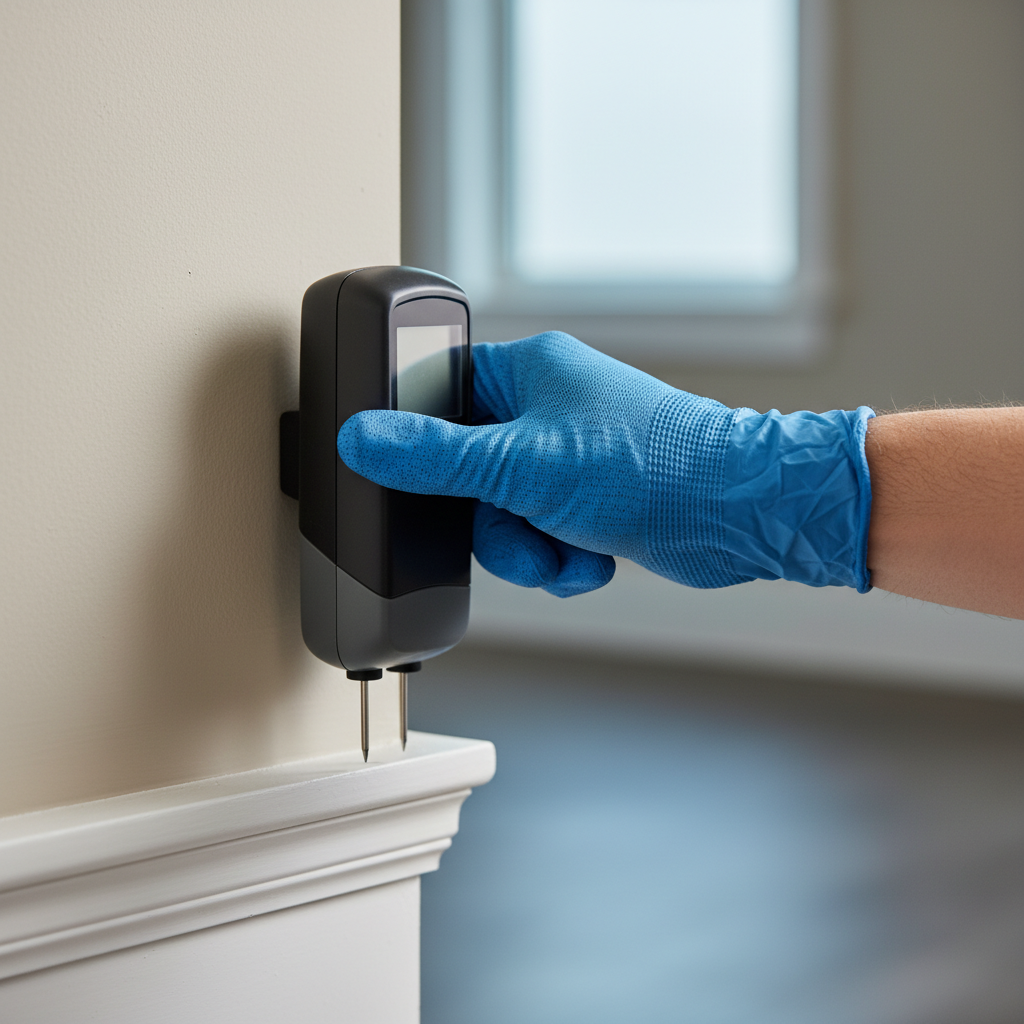
Reliable inspections blend trained eyes with practical tools. Moisture meters, ladders, basic electrical testers, infrared thermometers, and inspection cameras help confirm what the eye suspects—so your report reflects both observation and evidence.
- Moisture meters: Validate staining or odor suspicions around roofs, restrooms, and below-grade walls.
- Inspection cameras: Peek inside drains or tight chases when access allows.
- Infrared spot checks: Temperature differentials suggest wet insulation or duct leakage.
- Basic electrical testers: Confirm outlet function and polarity where safe.
- Ladders and safety gear: Access and fall protection for roof and mezzanine work.
When our observations indicate higher risk, we recommend licensed specialists for destructive testing or advanced diagnostics. Your report flags those next steps plainly.
Commercial vs. Residential: What’s Different?
Commercial inspections account for varied occupancies, higher equipment loads, and complex life-safety paths. While methods are similar to residential, the emphasis shifts to systems resilience, egress, and operational uptime across larger, mixed-use spaces.
| Aspect | Residential Focus | Commercial Focus |
|---|---|---|
| Occupancy | Single-family/condo | Multiple tenants, public access |
| Systems load | Lower and predictable | Higher, variable, process-driven |
| Egress | Basic paths | Complex routes, signage, lighting |
| HVAC | Smaller, simpler | Rooftop units, zones, controls |
| Reporting | Home-buyer decisions | CapEx planning, lease terms, lender review |
For mixed-use assets, our dual certification is handy: we know what matters to apartment residents upstairs and retail operators downstairs—without losing the thread of building-wide priorities.
Case Studies and Real-World Scenarios
Examples make the guidance concrete. Here are common GTA scenarios we’ve helped clients navigate—each with clear actions and outcomes that protected deals and operations.
Retail strip with recurring roof leaks
- Findings: Ponding at low points, clogged drains, stained ceiling tiles over two tenant bays.
- Action: Immediate drain service, flashing repair quotes, follow-up inspections after heavy rain.
- Outcome: Reduced active leaks; buyer negotiated repair credits and moved ahead.
Warehouse with overloaded panels
- Findings: Double-lugged breakers, unlabeled circuits, storage blocking clearances.
- Action: Electrician evaluation, panel reorganization, clear floor marking near gear.
- Outcome: Improved safety posture and a cleaner handoff for the operations team.
Medical office with poor ventilation
- Findings: Weak restroom exhaust, temperature complaints at perimeter rooms.
- Action: HVAC contractor balanced airflow, sealed curb flashing, and improved controls.
- Outcome: More stable comfort; tenant renewed with documented improvements.
Across these, the pattern holds: a focused inspection, quick interim fixes, then planned upgrades informed by photos and plain-language recommendations.
Process and Timeline You Can Plan Around
Most projects follow a one-week rhythm from booking to decision. The on-site survey typically takes a few hours, and ASM delivers the PDF the same day—so you can negotiate while the team is still at the table.
- Day 0–1: Scope call, schedule date, confirm access.
- Day 2–3: On-site survey, interviews, photos.
- Same day: PDF report delivered.
- Next day: Stakeholder review and call to prioritize actions.
Have multiple options under consideration? We’ll keep reports consistent, so you can compare properties line by line.
How to Choose a Commercial Inspection Provider
Look for relevant certifications, broad property-type experience, clear reporting, and fast turnaround. Ask for a sample report and confirm they’ll prioritize safety, roof/water entry, and MEP systems—areas that most influence risk and cost.
- Certifications: CCPIA for commercial and InterNACHI for residential/mixed-use assets.
- Client fit: Experience with your asset type and occupancy patterns.
- Sample deliverable: Readability and prioritization style matter.
- Availability: Can they meet your closing window with same-day reporting?
Want to see how we structure it? Browse the approach outlined on our ASM Home & Commercial Inspection site and ask for a sample during your discovery call.
Using Your Report to Negotiate Like a Pro
Lead with safety and water entry issues, then roof lifecycle and MEP concerns. Reference photos and implications, and request either corrections or concessions tied to the most material risks.
- Bundle related issues: Roof ponding + interior stains = clear water entry story.
- Quantify urgency: “Immediate” vs. “Plan-Ahead” items signal where concessions matter.
- Keep it simple: A one-page summary plus photos moves the discussion faster.
Negotiations succeed when they’re specific and fair. Your report’s structure does that heavy lifting for you.
Comparison: Inspection vs. Assessment vs. Specialty Checks
A baseline inspection identifies visible issues quickly. A property condition assessment deepens planning with cost opinions and remaining life estimates. Specialty checks target a single system for deeper testing.
| Service | Primary Goal | When to Use | Output Style |
|---|---|---|---|
| Commercial inspection | Identify defects and safety risks | Acquisition, lease, annual check | Same-day PDF with priorities |
| Condition assessment | Plan CapEx and lifecycle | Portfolio planning, refinancing | Expanded report with timelines |
| Specialty evaluation | Deep-dive on one system | Suspected high-risk component | Focused findings and next steps |
Not sure which fits? Start with the baseline commercial inspection services. Your findings will make next steps obvious.
Checklists and Prep: What to Do Before We Arrive
Great inspections start with simple prep: confirm access, gather records, and note recurring issues. These steps help us focus your time on what matters most and minimize repeat visits.
- Confirm roof access and any escort requirements.
- Collect prior maintenance invoices and warranties.
- List known concerns (leaks, trips, odors, hot/cold spots).
- Ensure electrical/mechanical rooms are unlocked and clear.
- Plan for brief staff interviews during normal operations.
For buyers new to commercial assets, this commercial buying guide offers broader context as you map diligence steps and timelines.
Risk Management, Insurance, and Documentation
Clear documentation lowers risk. Organized reports, photos, and follow-up notes support insurance requirements, safety programs, and lease responsibilities—protecting you during renewals and incident reviews.
Keep a simple folder structure that separates executive summaries, quotes, and repair close-outs. It saves time during renewals and audits.
- Annual reviews: Revisit roof, drainage, and egress every year; update the file with photos.
- Incident documentation: Store leak or trip event notes alongside related images and fixes.
- Insurance readiness: Organized evidence streamlines renewals; this insurance checklist illustrates the value of proactive documentation.
We build reports to be read and reused—by you first, then by everyone else who needs clarity.
How ASM Home & Commercial Inspection Helps GTA Clients
ASM combines CCPIA and InterNACHI certification with broad property-type experience and same-day PDF reporting. We inspect apartments, retail, offices, warehouses, hospitality, healthcare, education, and more—across Toronto and neighboring municipalities.
- Certified expertise: Dual certifications suitable for mixed-use and commercial assets.
- Comprehensive scope: Structure, roof, plumbing, electrical, HVAC, interiors, and site elements.
- Rapid reporting: Same-day PDF summaries for time-sensitive negotiations.
- Moisture focus: Early detection reduces structural and air quality risks.
Ready to move? Reach out through the ASM website and share your property details, closing window, and any top-of-mind concerns.
Soft CTA: Need a fast, clear read on a property? Book a discovery call with ASM to align scope, access, and reporting timelines. We’ll tailor the walk-through to your asset type and deliver a same-day PDF.
Commercial Inspection Services: Frequently Asked Questions
Common questions cover scope, timing, limitations, and how to use the report. The short answers below explain what’s included, what isn’t, and how to turn findings into confident next steps.
What does a commercial inspection include?
A commercial inspection is a visual survey of major systems: structure, roof, exterior, interiors, electrical, plumbing, HVAC, and site drainage. Inspectors document defects, safety issues, and maintenance needs with photos and recommendations in a standardized report.
When should I schedule the inspection during due diligence?
Schedule early in the diligence window to allow time for any targeted follow-up evaluations. That way, if the inspection reveals roof, electrical, or plumbing concerns, there’s room to bring in specialists before your contingency deadline.
Do inspectors open walls or perform destructive testing?
No. Commercial inspections are visual and non-invasive. If evidence suggests hidden damage, your report will recommend licensed specialists for destructive testing, drain scoping, or advanced diagnostics to confirm scope and repair paths.
Can I use the report to negotiate repairs or credits?
Yes. Organize negotiations around safety, water entry, roof lifecycle, and MEP issues. Use report photos and the Immediate/Near-Term/Plan-Ahead priorities to frame fair requests and move discussions efficiently.
Key Takeaways
Commercial property inspection services give you a fast, structured read on risk. Use the findings to negotiate, plan maintenance, and protect operations—then revisit the report annually to stay ahead of moisture and lifecycle wear.
- Scope covers structure, roof, envelope, interiors, electrical, plumbing, HVAC, and site.
- Prioritize safety and moisture control to protect value.
- Same-day PDFs keep due diligence timelines on track.
- Use targeted follow-ups when the baseline flags higher risk.
Next Steps
If you’re evaluating a GTA asset, start with a scoped walk-through, then add specialty checks only where needed. Share your timeline with us—we’ll align access and deliverables to your milestones.
- Contact ASM via the website with property details.
- Provide any maintenance records and specific concerns.
- Plan for a brief post-visit call to prioritize actions while the report is fresh.
When you’re ready, we’re ready—organized, certified, and focused on clarity.