
Commercial property inspection is a systematic, non-invasive evaluation of a building’s major systems to identify safety issues, deferred maintenance, and investment risks before you buy, lease, or renew. It examines structure, roof, electrical, plumbing, HVAC, and life safety. In Suite 2000, timely inspections support faster decisions with same-day PDF reporting from certified pros.
By Asmhomeinspection
Last updated: 2026-06-29
Summary
A commercial property inspection evaluates core systems—structure, roof, electrical, plumbing, HVAC, and life safety—to surface material defects before a transaction or renewal. Certified inspectors document issues, prioritize repairs, and provide same-day reports so stakeholders can negotiate, plan maintenance, and reduce risk with objective evidence.
Use this complete, practical guide from a dual-certified team serving Suite 2000 to understand what a professional assessment includes, why it matters, how the process works, and how to prepare for a smooth, decision-ready inspection day.
- What “commercial inspection” means and what’s covered
- Why inspections protect capex plans, safety, and timelines
- Step-by-step process, deliverables, and best practices
- Tools used: moisture meters, thermal cameras, ladders, PPE
- Examples from retail, warehouse, and multi-tenant offices
- How our same-day PDF reporting accelerates negotiations
Local considerations for Suite 2000
- Plan inspections to account for seasonal roof access and freeze-thaw effects that influence membrane seams and parapet details.
- Schedule HVAC checks ahead of peak heating and cooling seasons to validate performance under load and document filter/belt maintenance.
- Coordinate access with building management for electrical rooms and rooftops; confirm permit or escort rules to avoid delays.
What Is a Commercial Property Inspection?
A commercial property inspection is a visual, evidence-based evaluation of a building’s condition across structure, roof, envelope, interior, electrical, plumbing, HVAC, and life safety. The goal is to identify material defects and risks, document them with photos, and deliver a clear, decision-ready report.
A professional assessment centers on systems that drive safety, uptime, and operating costs. Inspectors focus on observable conditions, then note recommended testing or specialty review if concealed components need further verification.
- Structure and foundation: settlement, cracking patterns, load-path clues, and signs of differential movement.
- Roof and drainage: membrane wear, ponding, flashing, gutters/downspouts, and safe roof access points.
- Building envelope: exterior walls, sealants, fenestration, and insulation continuity, including attic or plenum areas where applicable.
- Electrical: panels, labeling, bonding/grounding, representative receptacles, visible wiring methods, and safe clearances.
- Plumbing: supply lines, fixtures, water heaters, exposed drains/vents, and leak indicators.
- HVAC: packaged units, air handlers, condensers, filters, belts, and thermostat operation checks.
- Life safety: exit signage, emergency lighting, fire extinguishers, and visible fire separations where accessible.
In our experience, many major surprises trace back to moisture—whether from roof seams, failed sealants, or plumbing leaks. That’s why we prioritize moisture screening alongside visual checks to reduce hidden risk.
Why a Commercial Property Inspection Matters
Commercial inspections reduce uncertainty, support safe operations, and strengthen negotiations. Clear, photo-rich reporting lets you prioritize repairs and plan maintenance before closing, leasing, or renewing, minimizing downtime and unplanned capital expenses.
The right assessment pays off in lower risk and better timing. Here’s why owners, buyers, tenants, and lenders rely on them:
- Risk management: Find material defects before they interrupt operations or jeopardize occupants.
- Negotiation leverage: Use objective findings to request repairs, credits, or adjusted timelines.
- Maintenance planning: Convert issues into a prioritized action list for the next 12–24 months.
- Regulatory awareness: Identify items that may require specialty review for compliance.
- Portfolio comparability: Standardized reports make it easier to compare multiple options side by side.
For Suite 2000 clients working on tight schedules, our same-day PDF report helps keep momentum—especially when a lease renewal or purchase agreement sets a firm contingency window.
Perspective from adjacent industries also underscores diligence: guidance like the commercial buying guide from Malika Homes emphasizes due diligence to protect investments, aligning with the value of thorough system-by-system inspections.
How a Commercial Inspection Works
A commercial inspection follows a structured workflow: pre-visit scoping, on-site evaluation of representative areas and systems, documentation with photos and readings, and a same-day PDF report summarizing findings, implications, and next steps. Stakeholders gain a prioritized plan they can act on immediately.
Typical step-by-step flow
- Scope and access: Confirm areas, roof access, mechanical rooms, and any escorts or permits.
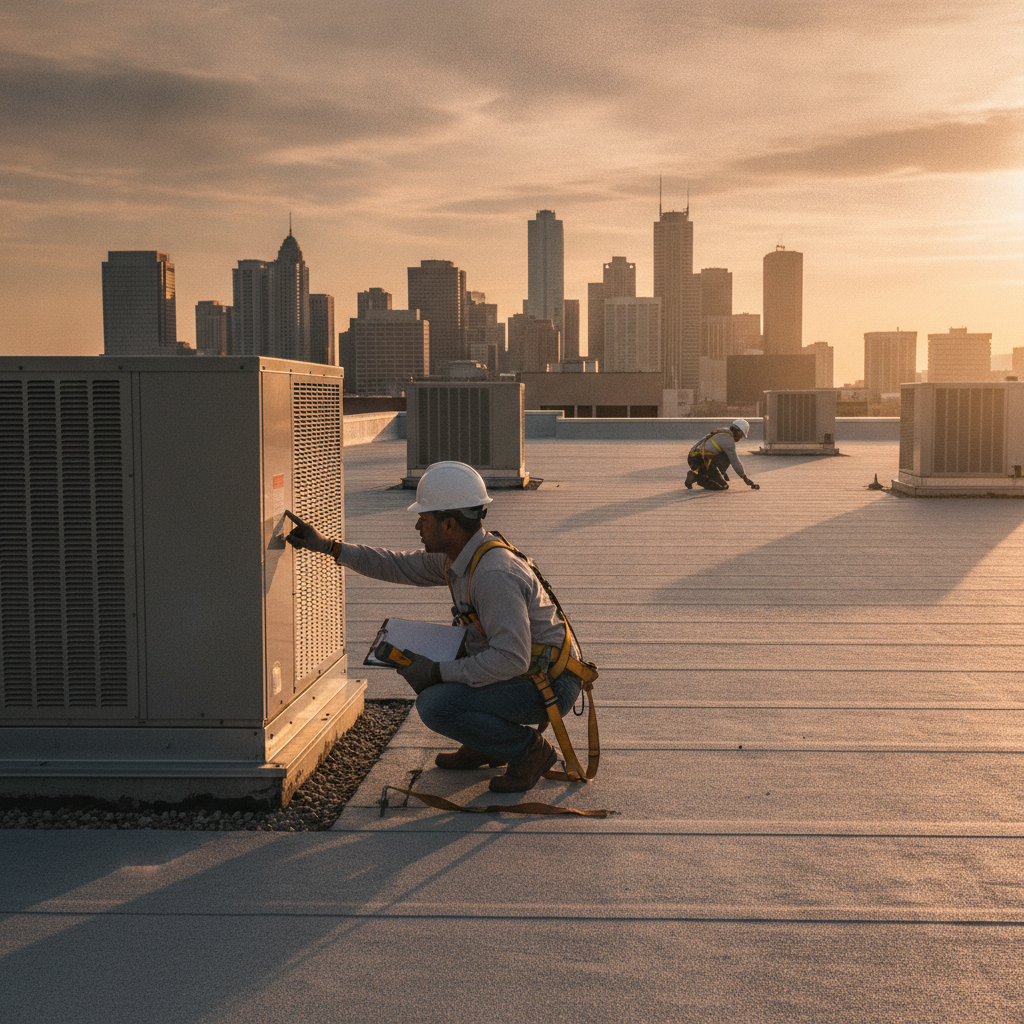
- Exterior and roof: Walk the site and roof safely; document drainage, membrane, and facade details.
- Interior systems: Check electrical panels, representative receptacles, plumbing fixtures, and HVAC units.
- Moisture and thermal screening: Scan for anomalies that indicate leaks or insulation gaps.
- Life safety: Review exits, lighting, and visible fire separations where accessible.
- Wrap-up and reporting: Organize photos and notes into a same-day PDF with priorities.
| Phase | Focus Areas | Primary Outputs |
|---|---|---|
| Pre-visit | Scope, access, safety planning | Schedule, access list, checklist |
| Exterior/Roof | Drainage, membrane, parapets | Photos, moisture notes |
| Interior/Systems | Electrical, plumbing, HVAC | Observations, representative testing |
| Safety | Exits, lighting, extinguishers | Items to address |
| Report | Priorities and recommendations | Same-day PDF |
We keep stakeholders engaged, sharing early observations when helpful. That way, the final report doesn’t surprise anyone—it validates what you’ve already started planning to fix or monitor.
Types, Methods, and Approaches
Commercial inspections adapt to property type and transaction goals. From pre-purchase to annual maintenance, inspectors tailor scope to risk. Representative sampling reduces disruption, while tools like moisture meters and thermal cameras enhance detection without destructive testing.
Common engagement types
- Pre-purchase due diligence: Broad, system-by-system review for buyers.
- Pre-lease/tenant fit-out: Document baseline condition before occupancy.
- Lease renewal: Validate performance and wear before recommitting.
- Annual maintenance: Track recurring issues and plan preventative work.
- Post-storm or event check: Focused look at roofs, facades, or interiors after impact.
Representative sampling strategy
- Inspect a percentage of units, panels, or fixtures in large facilities to balance thoroughness and time on site.
- Increase sampling where early findings show patterns (for example, a recurring leak at similar penetrations).
- Flag areas for specialty evaluation if conditions suggest concealed risks.
Property-type nuances
- Retail/restaurant: Extra attention on kitchen exhaust, make-up air, and moisture near wet walls.
- Warehouse/industrial: Roof drainage capacity, floor joints, and dock equipment.
- Office/multi-tenant: HVAC zoning, ceiling plenum moisture, and emergency lighting.
- Hospitality: Representative guest rooms, laundry, and water heating loads.
- Education/healthcare: Life-safety egress and accessible routes get added focus.
Where buildings include attic or plenum spaces, principles from a thorough attic inspection apply—ventilation, insulation continuity, and moisture control often make or break interior air quality.
Best Practices for Owners, Buyers, and Tenants
To get maximum value, define goals, grant full access, and request clear, prioritized reporting. Pair findings with your maintenance calendar so nothing slips through the cracks between closing and move-in or renewal.
Before the inspection
- Share your objectives: purchase, renewal, or maintenance planning.
- Provide prior reports or repair invoices to speed context.
- Arrange access to roofs, electrical rooms, and mechanical spaces.
- Identify any known issues (past leaks, nuisance trips, temperature swings).
During the inspection
- Be available for quick decisions about opening access panels or expanding sampling.
- Ask for on-the-spot context when a notable issue appears.
- Photograph tags/labels that will matter later to your ops team.
After the inspection
- Convert recommendations into a tracking log with target dates.
- Share the report with decision-makers early to lock in next steps.
- Plan follow-up specialty reviews where indicated by the findings.
Home and commercial investors often use checklists to stay organized. A publicly shared investment checklist from Malika Homes shows how structured documentation supports repeatable decisions—mirroring how we structure our system-by-system reports.
Tools and Resources Inspectors Use
Inspectors rely on non-destructive tools that reveal what the eye can’t: moisture meters, thermal cameras, outlet testers, and borescopes. Add ladders, safety gear, and checklists to standardize coverage and make reports consistent across properties.
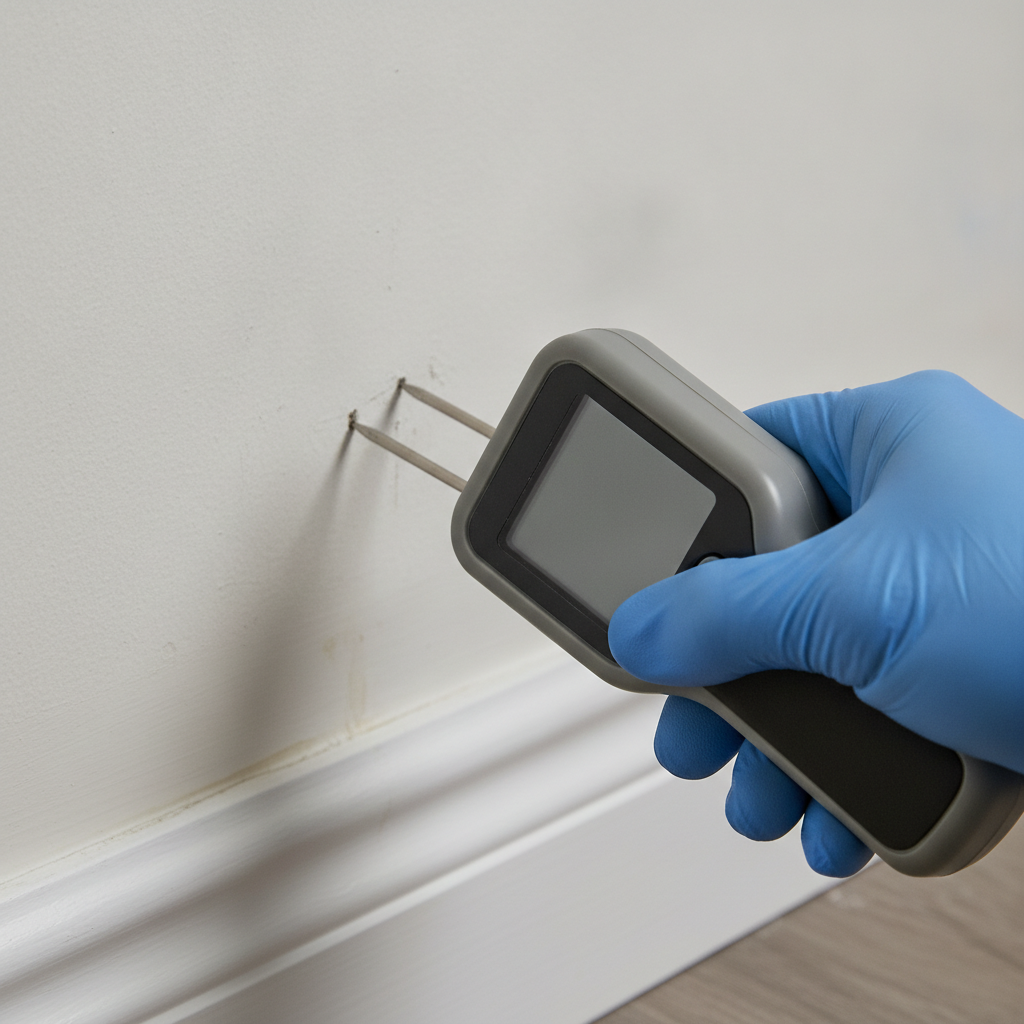
- Moisture meters: Pin and pinless models help confirm elevated readings near baseboards, windows, and roof penetrations.
- Thermal imaging: Highlights temperature anomalies tied to wet insulation, air leaks, or overloaded circuits.
- Electrical testers: Verify GFCI/AFCI operation at representative receptacles.
- Borescopes: Provide limited views into cavities without destructive openings.
- PPE and ladders: Ensure safe access to roofs and high mechanical areas.
- Photo-first templates: Standardize naming and labeling so your teams can act quickly.
Moisture is a recurring theme because it undermines structure and indoor air quality. A publicly available kitchen safety checklist from Robin Hood Cleaners reinforces the value of routine checks in moisture-prone environments—useful inspiration for day-to-day facility routines.
What the Same-Day PDF Report Includes
Your report summarizes findings by system, highlights safety issues, and ranks priorities. Clear photos, brief explanations, and next-step recommendations make the document actionable for negotiations, work orders, and preventative maintenance scheduling.
- Executive summary: Top priorities by severity and urgency.
- System sections: Structure, roof, electrical, plumbing, HVAC, interiors, life safety.
- Annotated photos: Each issue labeled in context for fast understanding.
- Recommendations: Practical next steps, including when specialty review is warranted.
- Appendix: Reference notes and any onsite reading summaries.
Clients tell us the combination of photos plus short, plain-English notes is what turns a long list of observations into a clear plan they can share with leadership and contractors.
Case Studies and Real-World Examples
Real inspections often surface patterns: moisture entry at repeat penetrations, aging rooftop units, and labeling gaps in panels. By documenting causes and effects, you can address root problems—then verify results during scheduled follow-ups.
Retail suite turnover
- Scope focused on roof, interior moisture, and HVAC performance for a planned tenant flip in Suite 2000.
- Findings included deteriorated sealant at window perimeters and a weak belt on a packaged unit.
- Outcome: targeted sealing and basic maintenance stabilized comfort ahead of the new lease.
Warehouse drainage review
- Roof walk noted minor ponding near a scupper; interior moisture was minimal but detectable at baseboards.
- Action: schedule seasonal roof checks and extend downspout leaders to improve runoff control.
- Result: reduced interior staining and fewer cold-weather callbacks.
Office mechanical check
- Representative sampling of receptacles and lighting confirmed safe clearances; thermal scan flagged one suspect breaker.
- Electrical contractor follow-up verified a loose connection; repair eliminated nuisance trips.
- Lesson: sampling + thermal screening is a powerful early-warning combo.
How Asmhomeinspection Helps (Certified, Same-Day)
We deliver certified commercial inspections across Suite 2000 with same-day PDF reporting. Dual certifications (InterNACHI and CCPIA) and broad property-type experience mean you get comprehensive coverage from roof to foundation, plus pragmatic recommendations you can use right away.
- Dual-certified expertise: InterNACHI for residential and CCPIA for commercial ensures proven standards.
- Wide property coverage: Retail, office, industrial, hospitality, education, and more.
- System-by-system clarity: Roof, attic/plenum, structure, plumbing, electrical, HVAC, interiors, and life safety.
- Same-day PDF: Keep transactions on schedule with rapid, photo-rich documentation.
- Local knowledge: Familiar with seasonal patterns that affect roofs, drainage, and comfort.
See our service ethos and booking details on the Asmhomeinspection homepage. We align scope to your goal—pre-purchase, pre-lease, renewal, or annual maintenance.
Preparation Checklists for a Smooth Day
Good prep prevents delays. Ensure roof and mechanical access, coordinate escorts, and clear storage from panels and water heaters. Share known issues, prior repairs, and tenant concerns to focus sampling where it matters most.
- Confirm roof access, fall protection requirements, and door keys.
- Clear 36 inches in front of electrical panels where possible.
- Tag any units that are known offline for service.
- Provide contact info for property management or security.
- List areas that historically see moisture or temperature swings.
If you manage food service spaces, routine self-checks complement pro inspections. See how a kitchen safety checklist frames day-to-day care—helpful context when coordinating vendors in moisture-prone rooms.
Limitations and When to Go Deeper
A commercial inspection is primarily visual and non-invasive. When conditions suggest hidden risks—like suspect structural movement or concealed moisture—your report will recommend specialty review, targeted testing, or destructive verification where appropriate.
- Visual focus: Inspectors do not open walls or perform code compliance certifications.
- Specialty cues: Structural cracks, active leaks, or unusual thermal patterns may require engineers or trades.
- Representative sampling: Not every unit or device is tested; we expand sampling if early patterns appear.
- Access limitations: Locked rooms or unsafe roofs are deferred until safe access is arranged.
If you operate in regulated environments, you may pair our report with relevant trade inspections for complete coverage. Public summaries like this electrical inspection overview show how specialty checks can complement general findings.
Turning Findings into Action
Translate the report into a punch list with owners, property managers, and contractors. Assign target dates and track follow-ups. Closing loops—especially on moisture, roof penetrations, and labeling—prevents repeat issues and keeps tenants productive.
- Create a living maintenance log with issues, owners, and due dates.
- Group quick wins (sealant, filters, labeling) ahead of heavier projects.
- Schedule seasonal verifications for roofs and HVAC.
- Re-inspect high-risk areas after repairs to validate results.
We often schedule a focused follow-up to verify fixes or to expand sampling where early issues pointed to broader patterns.
Need a certified second set of eyes? Our dual-certified team serves Suite 2000 with same-day PDF reports to keep your deal moving. Visit the Asmhomeinspection site to get started.
Commercial Property Inspection: FAQ
Quick answers to common questions help you plan scope, timing, and next steps. Use these to align stakeholders before inspection day, then tailor details to your specific property and transaction timeline.
What does a commercial inspection include?
It covers structure, roof, envelope, electrical, plumbing, HVAC, interiors, and life safety. Inspectors document material defects and recommend next steps, often suggesting specialty reviews when conditions point to concealed risks or code-specific questions.
How long does a typical inspection take?
Time varies by size and access, but the workflow is consistent: scope, on-site evaluation, and a same-day PDF report. Larger multi-tenant buildings may use representative sampling to keep the day efficient without losing insight.
Can you inspect occupied spaces?
Yes. We coordinate with property management to minimize disruption, focusing on representative units and accessible systems. We expand sampling if patterns appear, and we avoid any destructive testing without written authorization.
When should I order specialty reviews?
If findings suggest structural movement, concealed moisture, electrical overheating, or life-safety concerns, schedule the appropriate trade or engineering review. Your report will indicate where deeper testing or verification is prudent.
Key Takeaways
Commercial inspections surface risks early so you can plan, negotiate, and operate with confidence. Define goals, ensure access, and use same-day reporting to keep decisions moving on schedule.
- Commercial property inspection is your risk filter before a deal or renewal.
- Moisture and roof details drive many hidden problems—screen them carefully.
- Representative sampling balances thoroughness with efficiency in large sites.
- Translate findings into a punch list with owners, managers, and trades.
- Certified inspectors and same-day PDFs help maintain transaction momentum.
Conclusion
A certified, system-by-system inspection gives you clarity when timing is tight. With objective evidence and prioritized next steps, you can reduce risk, protect occupants, and keep your plans on track.
Whether you’re buying, leasing, renewing, or planning maintenance in Suite 2000, our team brings InterNACHI and CCPIA credentials together with practical reporting. Ready to move forward? Visit the Asmhomeinspection homepage to request your commercial inspection, or schedule a discovery call to align scope and timing.