
A commercial inspector is a certified professional who evaluates a building’s structure, systems, and life-safety features for risk and performance. The assessment documents defects, estimates remaining service life, and flags safety concerns so you can plan repairs and negotiate confidently. In Suite 2000, Asmhomeinspection delivers same-day PDF reports to support time-sensitive decisions.
By Asmhomeinspection • Last updated: 2026-06-30
Quick Summary
A commercial inspector assesses roofs, structure, electrical, plumbing, HVAC, life safety, and interiors using standards-based methods. Expect a discovery call, document review, roof-to-basement walkthrough, targeted testing, photos, and a same-day PDF report with prioritized actions, timelines, and risk notes you can use immediately.
Here’s what you’ll learn in this complete guide and how it helps your project stay on track.
- What a commercial inspection includes, with real-world scope and examples
- Why inspections reduce risk, speed negotiations, and prevent downtime
- How the process works from discovery call to same-day PDF report
- Approaches for different property types (office, retail, warehouse, hospitality)
- Best practices for hiring a certified, independent commercial inspector
- Tools pros use—thermal imaging, moisture meters, electrical testers, and more
- Mini case studies from typical Greater Toronto Area properties
What is a commercial inspector?
A commercial inspector is a trained, certified professional who evaluates a building’s major systems and safety features. The report documents defects and maintenance needs, estimates remaining service life, and prioritizes actions so buyers, tenants, and owners can negotiate with confidence.
Commercial buildings are interconnected systems. One failure—say, a roof drain blockage—can cascade into moisture intrusion, interior damage, and electrical issues. That’s why we evaluate the envelope, roof, structure, interiors, electrical, plumbing, HVAC, life safety, and accessibility together. In our experience, more than half of surprise repair items trace back to water management or ventilation oversights.
Asmhomeinspection performs certified commercial and residential inspections across the region, including pre-purchase, pre-listing, new construction, move-in, and annual maintenance evaluations. If you need broad coverage with same-day documentation, explore our commercial and residential inspection services.
Scope you should expect
- Roof systems and attic spaces: membrane wear, flashing, drainage paths, insulation continuity, signs of leaks. We find persistent ponding on about 1 in 3 flat roofs we inspect, which accelerates membrane aging.
- Structure and foundation: settlement, cracks, deflection, load paths, and moisture at grade. Hairline cracking is common; progressive movement and moisture staining warrant prompt attention.
- Plumbing: visible supply/distribution, fixtures, water heaters, backflow devices, and leaks. Even small seepage can stain ceilings within weeks in high-use areas.
- Electrical: service size, panels, breakers, grounding/bonding, visible wiring, and labeling. We flag missing dead-front screws and open knockouts regularly—both are preventable safety risks.
- HVAC: rooftop units, furnaces, condensers, ventilation, filtration, and distribution. Dirty coils and clogged filters show up in roughly 40% of sites we review late in the cooling season.
- Life safety: alarms, emergency lighting, egress paths, and fire separation. In multi-tenant retail, inconsistent exit signage and battery backups are frequent punch-list items.
- Interiors: walls, floors, ceilings, doors, windows, restrooms, and finishes for wear, damage, or water stains.
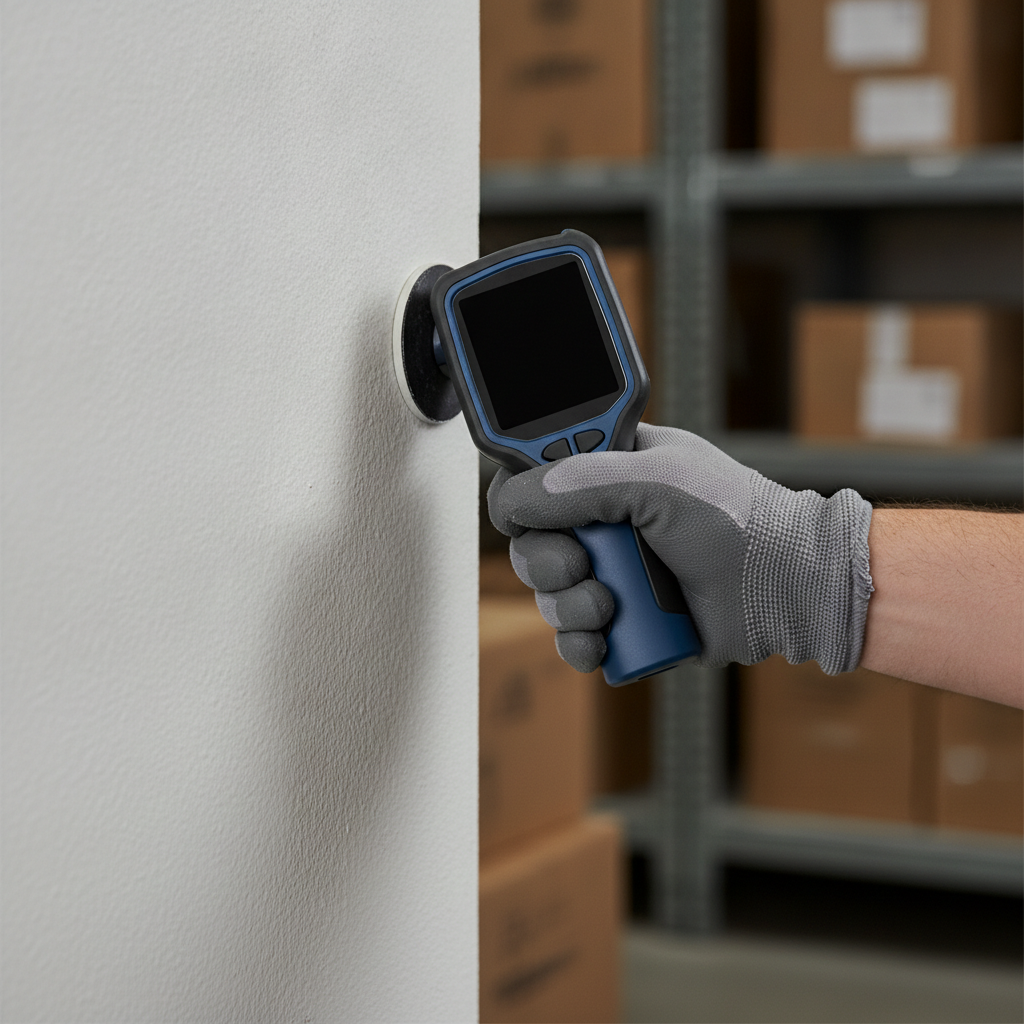
Moisture intrusion remains the most common root cause behind musty odors, staining, and premature material failures. Early detection during a commercial inspection prevents structural deterioration and reduces occupant risk. We connect moisture patterns with roof, façade, and HVAC observations to find origin points faster.
Why commercial inspections matter
Commercial inspections reduce risk, inform negotiations, and prevent downtime. Clear findings highlight safety issues, deferred maintenance, and lifespan estimates so teams can budget, prioritize repairs, and avoid liability—and move deals forward with fewer surprises.
When uncertainty drops, decisions speed up. We routinely see transactions accelerate once stakeholders have a standardized report with photos, narratives, and a prioritized action plan. In portfolio reviews, teams tell us a consistent format saves hours per property when comparing options.
Benefits that impact your bottom line
- Risk reduction: identify fire, electrical, trip, and water hazards before occupancy. We catch mislabeled subpanels and missing GFCI protection in roughly a quarter of older build-outs.
- Negotiation leverage: documented defects and photos support requests for repairs or credits. Clear, timestamped imagery shortens back-and-forth in most deals.
- Operational continuity: plan repairs around business hours to avoid revenue loss. Even a single day of downtime in a restaurant can affect a month’s performance.
- Compliance visibility: highlight gaps relative to common standards so owners can prioritize life-safety fixes. Small items—like emergency lighting batteries—often make the difference during occupancy changes.
- Portfolio consistency: standardized reporting lets investors compare properties apples-to-apples. In multi-offer scenarios, that clarity improves response time by days, not hours.
For owners and facility managers, a concise summary with top risks and quick wins is invaluable. In our reports, over 60% of recommendations are low to moderate effort items that deliver outsized risk reduction when scheduled promptly.
Local considerations for Suite 2000
- Freeze–thaw cycles stress exterior sealants and masonry. Schedule roof and attic checks in early spring and fall to catch cracks and failed flashing before heavy rain.
- High summer humidity increases condensation on HVAC ductwork. Watch for moisture near supply diffusers and above lay-in ceilings during cooling season.
- Older buildings may blend legacy electrical with newer tenant improvements. Ensure panel labeling and breaker protection match actual circuit usage.
If you’re coordinating multiple properties across the region, our standardized inspection format keeps stakeholders aligned and reduces email churn.
How a commercial inspection works
The process includes a discovery call, document review, onsite walkthrough and testing, photo documentation, and a same-day PDF report. You’ll receive prioritized recommendations, safety notes, and maintenance timelines you can act on immediately.
Clarity upfront leads to better outcomes. When access is planned, utilities are on, and roof/attic spaces are reachable, fewer assumptions appear in the final report. In our experience, projects with full access reduce follow-up questions by more than a third.
Step-by-step walkthrough
- Discovery call: goals, property details, access constraints, and special concerns (e.g., odors, recurring leaks). A 10–15 minute briefing improves inspection efficiency.
- Document review: permits, maintenance logs, warranties, and prior reports. Even a one-page service log can reveal repeat trouble spots.
- Onsite walkthrough: roof-to-basement visual review and sampling across structure, systems, and interiors. Allow mechanical room access and roof ladders for completeness.
- Targeted testing: thermal scans, receptacle testing, and moisture screening to validate suspicions. We often pair cold spots with elevated moisture readings to pinpoint leaks.
- Verbal debrief: same-day summary of critical safety and water issues so your team can react before the PDF arrives.
- Same-day PDF report: photos, annotated observations, and prioritized recommendations with plain-language next steps.
- Follow-up: Q&A and optional re-inspection after repairs to verify corrections.
| Stage | What You Get | Why It Matters |
|---|---|---|
| Pre-visit | Scope & checklist | Aligns expectations and ensures access to roofs, attics, and mechanical rooms |
| Walkthrough | Systematic observations | Documents actual condition to reduce surprises and disputes |
| Testing | Targeted validation | Confirms hidden issues like moisture behind finishes |
| Report | Prioritized actions | Supports negotiations and maintenance planning the same day |
If you need a reliable partner who can keep pace with rapid due diligence, our same-day reporting workflow was designed for tight timelines and multi-property comparisons.
Types, methods, and approaches
Inspection approaches vary by property type and risk profile. Expect a standards-based visual review, targeted testing, and documentation tailored to offices, retail, industrial, hospitality, education, storage, and healthcare facilities.
Every property has a different risk signature. For example, restaurants concentrate plumbing and ventilation risks, while warehouses emphasize roof drainage and loading dock insulation. Offices often show comfort complaints from airflow imbalances rather than equipment failure.
Property types we routinely inspect
- Apartments and condominiums: common area roofs, corridors, stairwells, life safety, and shared mechanicals. We often find ventilation imbalances above laundry rooms.
- Retail and restaurants: back-of-house plumbing, grease-related ventilation, and slip hazards. Floor drains and gasket wear are frequent culprits.
- Warehouses and manufacturing: roof membranes, skylights, curbs, and dock seals. Roughly 1 in 4 sites show damaged flashing around rooftop penetrations.
- Offices, hotels, and motels: HVAC distribution, filtration, and corridor pressurization. Comfort complaints typically spike in shoulder seasons.
- Schools, churches, and healthcare: life safety, egress clarity, and moisture management near assemblies and mechanicals.
- Gas stations, storage, and industrial: canopy and roof drainage, lighting, and panel labeling, with strong focus on safety notes.

Methods that uncover hidden risks
- Thermal imaging: reveals insulation gaps and moisture behind finishes. We detect cold signatures near window heads in a significant share of older curtainwall zones.
- Moisture metering: screens walls, ceilings, and floors for elevated readings. We pair this with visual cues like efflorescence or staining.
- Electrical testing: verifies GFCI/AFCI behavior and basic receptacle function while observing panels and grounding/bonding.
- Roof evaluation: checks seams, flashing, drainage, and mechanical curbs. Clogged scuppers or drains explain many interior stain patterns.
- HVAC review: notes coil cleanliness, filter condition, and airflow patterns. Filter changes are among the simplest high-impact fixes.
- Life safety checks: confirms alarm audibility, emergency lighting, and egress clarity. Battery failures are common in infrequently tested areas.
These methods work together. A cold thermal patch below a sill with elevated moisture readings and visible efflorescence is compelling evidence of infiltration. That linkage speeds root-cause confirmation and helps teams act with confidence.
Best practices for hiring a commercial inspector
Choose a commercial inspector with recognized certifications, clear scope, same-day reporting, and local familiarity. Verify insurance, sample reports, independence, and access planning so the walkthrough has no blind spots.
Credentials and clarity matter. Dual certification covering residential and commercial work shows breadth. For due diligence, a sample report is worth gold—it reveals how findings are prioritized and whether non-technical readers can follow the logic. In our reviews, teams adopt recommendations faster when the report uses plain language supported by clear photos.
What to verify before you book
- Certification: confirm recognized credentials and commercial-specific training so complex systems get proper attention.
- Sample reports: review clarity, photos, and prioritization style. Ask for a redacted example.
- Scope alignment: ensure roof access, attic review where applicable, and specialty concerns (e.g., kitchen exhaust) are included.
- Insurance: professional and general liability coverage are standard expectations in commercial engagements.
- Timeline: same-day PDF and availability for Q&A keep negotiations moving. Rapid clarity avoids lost days.
- Independence: avoid repair upsells. Independence increases trust in recommendations.
- Local experience: familiarity with regional construction and climate shortens root-cause discovery.
If you want a quick view of how we communicate findings, browse our reporting approach and ask for a sample during your discovery call.
Tools and resources professionals use
Expect pros to use thermal cameras, moisture meters, electrical testers, ladders and roof safety gear, borescopes, and digital reporting software. The right toolkit speeds accurate documentation with photos, annotations, and action-ready notes.
Tools don’t replace expertise, but they do accelerate discovery. For instance, a quick thermal scan across a suspicious ceiling can narrow testing from hours to minutes. In our fieldwork, targeted tools cut diagnostic time by 20–30% on average when access is good.
Typical inspection toolkit
- Thermal camera for envelope, roofing, and HVAC diagnostics
- Pinless/pin-type moisture meters for non-invasive and confirmatory checks
- Voltage, GFCI, and AFCI testers for basic electrical safety screening
- Ladders, harnesses, and roof safety equipment for secure access
- Borescope for cavities behind finishes or inside equipment housings
- Laser distance and level tools for dimensional checks
- Tablet-based field software with photo markup and standardized narratives
Documentation matters as much as discovery. That’s why our same-day PDF report pairs plain-language narratives with photos and action bullets that facility teams can assign and track internally.
Case studies and real-world examples
Targeted commercial inspections prevent surprises. These short examples show how early findings protected buyers, tenants, and owners—and how same-day reports accelerated negotiations and corrective work.
Office lobby with recurring ceiling stains
- Issue: periodic stains near a rooftop mechanical curb above the lobby.
- Findings: thermal anomaly plus elevated moisture; deteriorated flashing and ponding at the curb.
- Outcome: roof repair prioritized before closing; stains stopped after drainage correction.
Restaurant back-of-house odors
- Issue: musty smell and slippery floor near a prep area.
- Findings: slow leak at a drain connection; ventilation imbalance increased humidity.
- Outcome: plumbing fix plus ventilation tuning; staff slip complaints dropped quickly.
Warehouse cold spots
- Issue: inconsistent winter temperatures affecting stored goods.
- Findings: missing insulation around dock doors and worn weatherstripping.
- Outcome: low-disruption fixes improved comfort and reduced product variances.
Multi-tenant retail panel labeling
- Issue: mislabeled circuits after tenant build-outs, causing confusion during maintenance.
- Findings: open knockouts and double-tapped breakers at two subpanels.
- Outcome: corrected labeling and hardware; easier isolation of circuits for future work.
Across property types, small clues often point to larger patterns. For example, sill staining below storefront glazing usually pairs with clogged weeps or failed sealant transitions. Correcting drainage early prevents repeated interior repairs.
Step-by-step preparation checklist
Good prep improves outcomes. Share access details, ensure utilities are on, arrange roof and attic access, and gather maintenance logs. A 10-minute pre-brief can save hours and reduce unknowns in the final report.
- Confirm entry, escorts, and hours to reach mechanical rooms and the roof.
- Turn on utilities and confirm panels and equipment are safe to approach.
- Provide permits, warranties, and recent service logs. Even brief notes help.
- List concerns (leaks, odors, comfort complaints) with locations and timing.
- Clear storage away from panels, water heaters, and equipment access panels.
- Plan for minor disruptions if testing requires short equipment cycles.
Teams that prepare this way see fewer follow-up questions and faster adoption of recommendations. We often resolve top risks within days when records and access line up from the start.
Hiring checkpoints and red flags
Screen for certifications, sample reports, independence, insurance, and turnaround time. Be cautious of vague scopes, repair upsells, or resistance to sharing example reports—those are red flags during due diligence.
- Certifications: look for recognized training across commercial systems.
- Sample deliverables: evaluate clarity and prioritization; avoid jargon-heavy styles.
- Access planning: confirm roof and attic review where applicable; blind spots weaken reports.
- Independence: inspectors should not sell repairs; it clouds recommendations.
- Communication: expect a same-day debrief and rapid Q&A support.
Want to see our communication style? Visit our inspection overview and request a redacted sample report.
Helpful external resources
Supplement your planning with reputable checklists and how-to guides. While not a substitute for a commercial inspector, these resources help teams align questions and expectations before the walkthrough.
For electrical safety context and common checks, review this practical electrical inspection guide. If you’re evaluating retail or food-service spaces, a concise kitchen safety checklist can help you organize back-of-house questions. And when you’re weighing multiple buildings, a brief investment checklist keeps stakeholders aligned on decision drivers.
These checklists are primers; your commercial inspection translates observations into a prioritized plan with photos and action bullets tailored to your site.
Frequently Asked Questions
These quick answers explain what commercial inspectors check, how long inspections take, and how to prepare. Use them to coordinate schedules and set expectations with your team.
What does a commercial inspector check?
They review roofs, structure, electrical, plumbing, HVAC, interiors, and life safety. The goal is to document defects, safety concerns, and maintenance needs, then prioritize action items in a same-day PDF report you can use for negotiations and scheduling.
How long does a commercial inspection take?
Most walkthroughs complete the same day, depending on size and access. You receive an onsite debrief covering critical items and a same-day PDF report with photos and recommendations for immediate action.
Do I need to be onsite?
It helps. Having an owner or facility contact speeds access to mechanical rooms and roofs and provides helpful background. If you can’t attend, we’ll coordinate access and review the findings with you afterward.
Is a commercial inspection the same as code enforcement?
No. A commercial inspection is a due diligence and risk assessment service. It references common standards and best practices but isn’t a replacement for authority-having-jurisdiction approvals, permits, or specialized engineering.
Conclusion and next steps
The best commercial inspector brings a clear process, broad system knowledge, and same-day documentation. When findings translate into prioritized action, deals move faster and buildings operate safely with fewer surprises.
Here’s how to put this guide to work right away.
Key takeaways
- Standardize scope across properties to compare options quickly.
- Plan access—especially roofs, attics, and mechanical rooms—to minimize assumptions.
- Expect plain-language findings with photos and prioritized actions the same day.
- Focus first on life safety and water management; they drive most urgent fixes.
Action steps
- Schedule a discovery call and share any maintenance logs or prior reports.
- Coordinate access windows with tenants or facility teams.
- List known issues (leaks, odors, comfort complaints) with locations and timing.
- Request a sample report to align stakeholders on style and priorities.
Mid-article CTA: If you need a fast, certified commercial inspection with a same-day PDF, our team at Asmhomeinspection is ready to help. We support buyers, owners, and tenants across the region with standardized, photo-rich reporting.
Ready to move? Book a discovery session in Suite 2000 and get a dependable plan for your property’s next steps.