
City apartment inspection is a comprehensive evaluation of an individual unit and relevant common elements to identify safety hazards, moisture intrusion, and major system defects. For residents and managers in Suite 2000, Toronto (ON), it confirms livability, documents condition, and supports fast decisions. ASM Home & Commercial Inspection performs these assessments across the GTA with same-day PDF reports.
By Asmhomeinspection • Last updated: 2026-05-29
Above-Fold Guide + Quick TOC
Use this guide to understand what a city apartment inspection includes, why it matters for safety and liability, and how to prepare. You’ll see checklists, step-by-step flow, and real GTA examples drawn from our certified inspections—so you can spot red flags early and document everything with confidence.
This complete guide is designed for GTA renters, landlords, condo boards, and investors who need clear, fast answers. It is aligned to our inspection scope—roof-to-foundation where accessible, plus unit systems and critical common elements.
- What a city apartment inspection covers and doesn’t cover
- How inspections work, step by step
- Common red flags: water, electrical, HVAC, and fire safety
- When to choose pre-purchase, pre-listing, move-in, or annual checkups
- Documentation and same-day reporting for time-sensitive moves
At a glance
- Certified expertise: InterNACHI + CCPIA credentials
- Systems-first approach: structure, plumbing, electrical, HVAC, interiors
- Moisture focus: track signs early to prevent hidden damage
- Fast turnaround: same-day PDF reporting with photos
- What is a City Apartment Inspection?
- Why City Apartment Inspections Matter
- How a Professional Apartment Inspection Works
- Types of Apartment and Condo Inspections
- City Apartment Inspection Checklist (GTA Focus)
- Best Practices for Landlords, Tenants, and Boards
- Tools and Resources We Use
- Case Studies and Real-World Examples in the GTA
- Frequently Asked Questions
- Conclusion and Next Steps
- Related Articles and Inspection Topics
What Is a City Apartment Inspection?
A city apartment inspection is a certified, visual assessment of a unit and relevant shared elements to identify safety risks, deferred maintenance, and material defects. Inspectors review plumbing, electrical, HVAC, structure, interiors, and life-safety basics, then deliver a photo-rich report summarizing findings, implications, and recommended next steps.
In practice, we combine unit-level checks with observations of accessible common areas that impact the unit’s performance or safety. That means doors, windows, walls, ceilings, floors, plumbing fixtures, electrical receptacles and lighting, heat/air delivery, and visible structure are all examined within scope.
- Primary objective: document current condition and flag safety issues.
- Secondary objective: inform negotiations, maintenance planning, and move-in/move-out records.
- Deliverable: same-day PDF report with photos and prioritized recommendations.
- Scope boundaries: non-invasive; no demolition; systems tested with normal operating controls.
Because moisture often hides in plain sight, we incorporate targeted checks for leaks, staining, condensation, and ventilation shortfalls. Early moisture detection supports healthier indoor air and prevents secondary damage.
Need clarity fast? Schedule your appointment through our GTA inspection team for a same-day, decision-ready PDF.
Why City Apartment Inspections Matter
Apartment inspections protect people, property, and records. They surface safety hazards, catch moisture before it escalates, and give landlords, tenants, and boards shared documentation. For time-sensitive transactions, same-day reports enable confident decisions without sacrificing due diligence.
Here’s why this matters for you and your stakeholders:
- Health and safety: Functional smoke alarms, secure railings, and grounded receptacles reduce injury risk.
- Moisture control: Stains, musty odors, or chronic condensation can precede mold and hidden structural issues.
- Electrical reliability: Proper GFCI/AFCI protection and intact wiring help prevent shocks and fires.
- HVAC performance: Adequate heat, cooling, and ventilation improve comfort and energy efficiency.
- Negotiation power: Clear documentation strengthens repair requests and move-in/move-out records.
For boards and property managers, standardized inspections build a consistent baseline across multiple units. This supports planning, prioritization, and transparent communications with residents.
If you manage multiple units, our commercial apartment inspections scale this process across buildings, ensuring comparable reports you can act on quickly.
How a Professional Apartment Inspection Works
A professional apartment inspection follows a clear flow: pre-visit intake, on-site walkthrough, system-by-system testing, moisture and safety checks, and a same-day PDF report. The result is a prioritized list of issues with photos and next-step guidance.
Expect a structured, non-invasive process designed to reveal material defects while protecting occupants and property.
- Pre-visit intake: We confirm goals (pre-purchase, move-in, annual) and note concerns.
- Arrival & safety check: Entry, egress, alarms, and basic electrical safety are verified first.
- System walkthrough: Plumbing fixtures, receptacles, lighting, HVAC operation, doors/windows.
- Moisture focus: Targeted scanning at kitchens, baths, exteriors, and ceilings below wet rooms.
- Common elements (as relevant): Lobbies, corridors, laundry rooms, amenity spaces—observed for unit impact.
- Findings & photos: Each material defect captured with location notes and implications.
- Same-day PDF: Clear, prioritized recommendations for repairs, monitoring, or specialist follow-up.
| Step | What We Do | Typical Red Flags | Tools Used |
|---|---|---|---|
| Intake | Clarify goals and access | Missing permissions; time constraints | Questionnaire |
| Safety sweep | Check alarms, exits, guardrails | Inoperable alarms; blocked egress | Test buttons |
| Systems | Run plumbing, electrical, HVAC | Leaks; warm receptacles; poor airflow | Outlet tester; IR thermometer |
| Moisture | Scan wet-prone zones | Active drips; staining; musty odors | Moisture meter |
| Common areas | Observe shared spaces | Water intrusion; trip hazards | Visual |
| Report | Summarize; prioritize | Unclear responsibilities | Photo PDF |
Ready to book? Our GTA inspection calendar fills quickly during peak seasons—secure your slot.
Types of Apartment and Condo Inspections
Choose the inspection type that matches your situation: pre-purchase for buyers, pre-listing for sellers, move-in for condition records, new construction for builder quality, and annual maintenance for ongoing health. We also inspect multi-unit buildings at scale for investors and boards.
- Pre-purchase inspection: Evaluate a unit before you buy; identify repairs and safety items.
- Pre-listing inspection: Sellers fix or disclose issues proactively to build buyer confidence.
- Move-in inspection: Landlords/tenants document baseline condition to avoid disputes later.
- New construction inspection: Verify workmanship and functionality before handover.
- Annual maintenance inspection: Monitor aging systems and plan preventative work.
- Commercial/multi-unit programs: Standardized reporting across multiple apartments.
For investors reviewing several options, standardized checklists make comparisons straightforward. Our same-day PDF format supports quicker offers, counteroffers, and maintenance planning.
Explore our full service scope on the Asmhomeinspection home page and request the inspection type that best fits your goals.
City Apartment Inspection Checklist (GTA Focus)
A practical apartment checklist covers interiors, plumbing, electrical, HVAC, life-safety basics, and moisture-prone areas. In condos, relevant common elements are observed for unit impact. This standardized approach ensures consistent documentation and fair comparisons across units and buildings.
Below is a field-tested outline that mirrors how we work in GTA apartments and condominiums.
Interiors and structure
- Walls, ceilings, floors: cracks, staining, uneven or soft spots
- Windows and doors: operation, seals, weatherstripping, damaged screens
- Railings and stairs: secure fastenings and spacing
- Fire separations (where visible): penetrations, gaps, or missing seals
Plumbing
- Fixtures and drains: leaks, slow drainage, siphoning sounds
- Supply lines and valves: corrosion, flex line kinks, shutoff operation
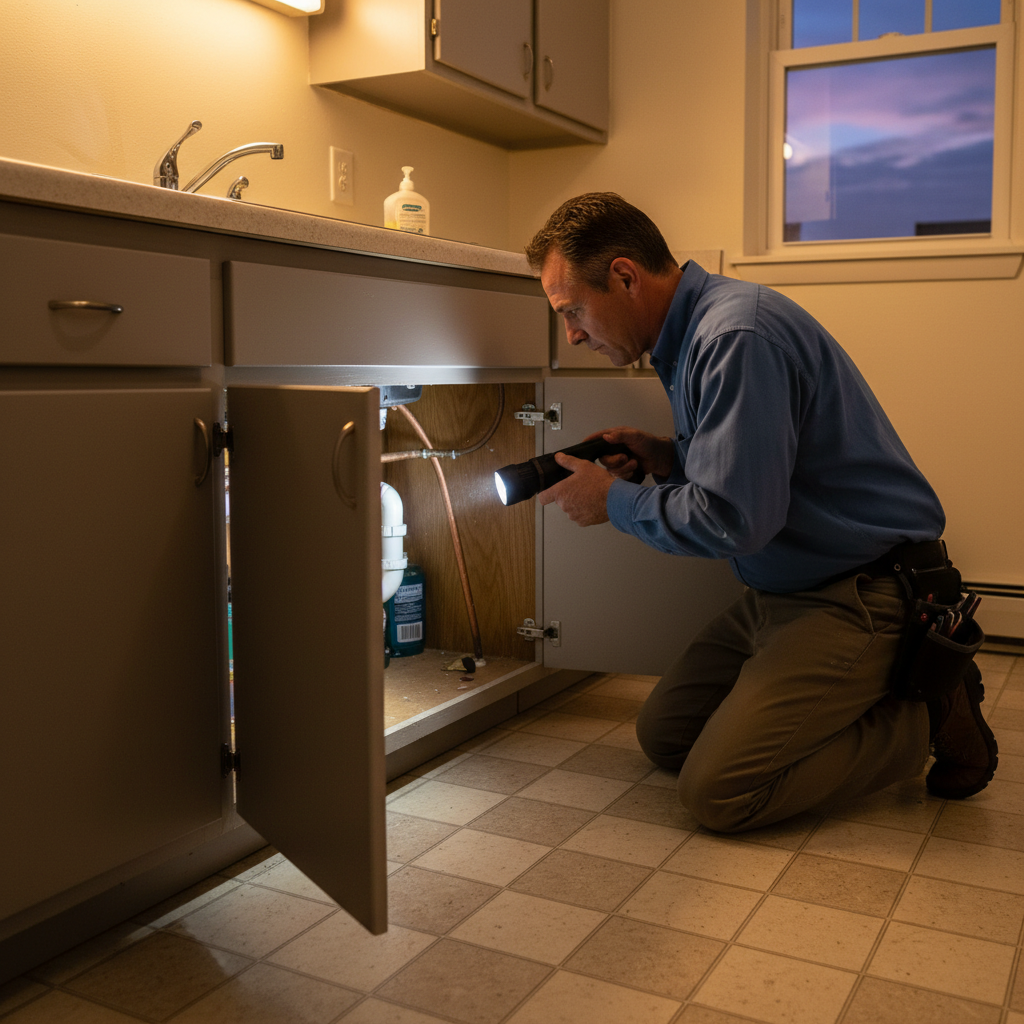
- Under-sink cabinets: active drips, past staining, fungal growth
- Water heater (if unit-served): age clues, venting, safety valve discharge
Electrical
- Receptacles and GFCI/AFCI protection: test, reset, and labeling
- Lighting and switches: flicker, heat, or buzzing
- Panel (if accessible): clear labeling, no scorching, secure breakers
- Smoke/CO alarms: presence, test functionality
HVAC and ventilation
- Thermostat and controls: basic operation
- Airflow at registers: weak output may indicate blockage
- Filters: excessively dirty filters reduce performance
- Exhaust fans: bathroom/kitchen capture and backdraft issues
Moisture and building envelope
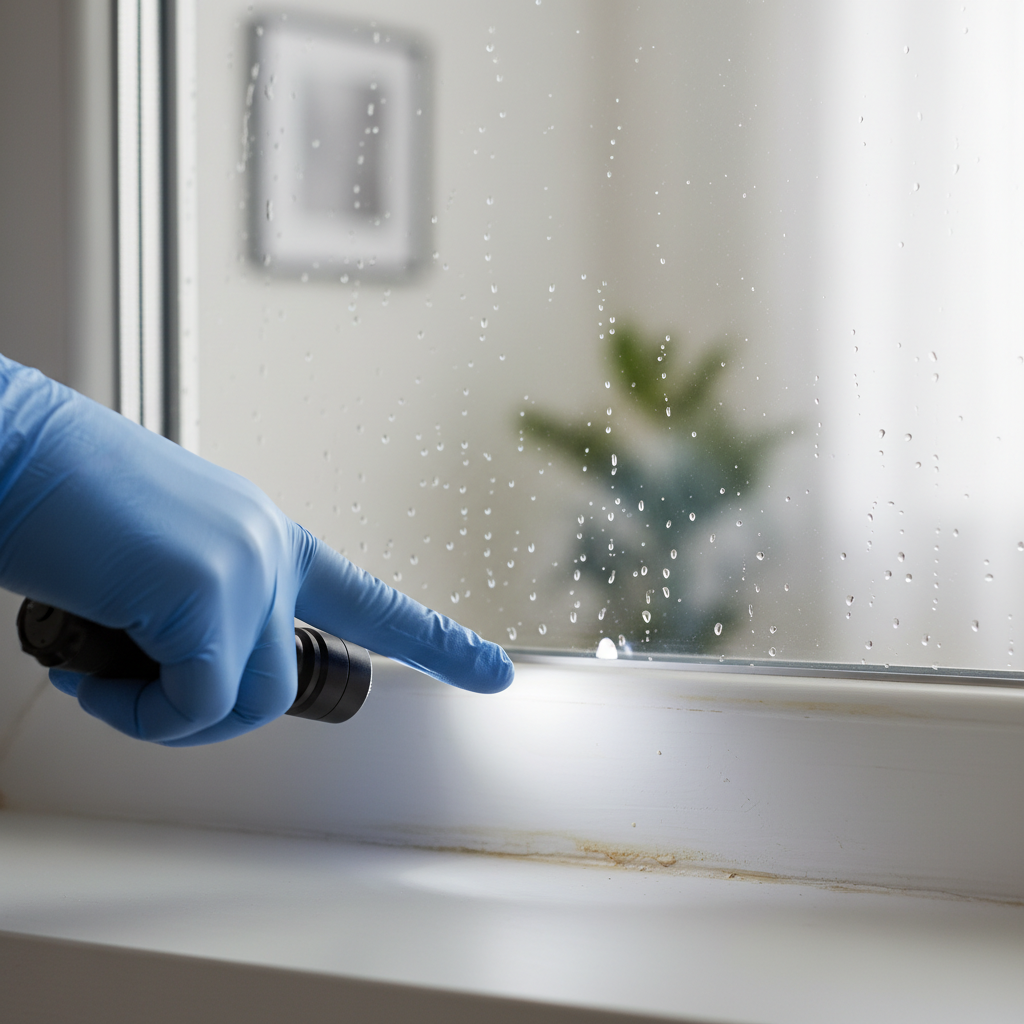
- Window condensation and sill staining
- Ceiling stains below upper-floor wet rooms
- Balcony door thresholds and weather seals
- Exterior wall penetrations near plumbing or HVAC sleeves
Fire and life safety (unit-level)
- Smoke alarms and CO detectors: present and tested
- Entry door self-closing mechanism
- Clear egress pathways and latch operation
- Space heater use or extension cord daisy-chains
Relevant common elements (observed)
- Corridors and lobbies: water intrusion, trip hazards, exit lighting
- Shared laundry or amenity rooms: leaks, ventilation, floor drains
- Exterior approach to unit: drainage patterns and ponding
Local considerations for Suite 2000
- Weather swings mean humidity shifts—track window condensation and run bathroom exhaust fans longer after showers during damp months.
- Peak moving seasons can strain elevators and access; schedule inspections early to ensure full unit access and reduce delays.
- Older GTA buildings may mix panel types; label circuits clearly and verify GFCI protection in kitchens and baths during your inspection.
Want a unit-specific checklist? Our inspection team can tailor the list to your building’s age and systems.
Best Practices for Landlords, Tenants, and Boards
Clarity wins. Share access, disclose known issues, and align on documentation before the visit. During the inspection, operate only normal controls; afterward, use the report to prioritize quick safety fixes and schedule licensed specialists for complex repairs.
Landlords and property managers
- Confirm entry permissions and pet arrangements ahead of time.
- Replace HVAC filters and test smoke/CO alarms before the visit.
- Disclose past leaks or repairs so we can check those areas closely.
- Use our same-day report to schedule licensed trades for higher-risk findings.
Tenants and residents
- List recurring issues: drips, odors, intermittent power loss, or condensation.
- Clear sinks, tubs, and under-sink cabinets for access.
- Be present or reachable—some concerns need quick clarification.
- Request a copy of the report to reference during maintenance requests.
Condo boards and multi-unit owners
- Standardize scope across units to enable apples-to-apples comparisons.
- Batch inspections during turnover or seasonal maintenance windows.
- Track recurring defects building-wide to plan targeted upgrades.
- Document communications and resolutions for transparency with residents.
Looking to roll this out portfolio-wide? We can structure multi-unit inspection programs for your buildings.
Tools and Resources We Use
Professional tools speed up accurate findings: moisture meters to trace leaks, outlet testers for wiring faults, infrared thermometers for temperature anomalies, and clear checklists that drive consistent reporting. Our same-day PDF compiles photos, locations, and next steps in one decision-ready file.
- Moisture meter: Pin or pinless scanning helps distinguish active leaks from old stains.
- Outlet/GFCI tester: Identifies open grounds, reversed polarity, and GFCI trip/reset issues.
- Infrared thermometer: Spot-checks supply/return temperatures and appliance surfaces.
- Ladder/hand tools: Basic access and safe cover removal where permitted.
- Photo documentation: Clear, labeled photos improve repair accuracy.
- Standardized checklist: Ensures repeatable coverage across multiple units.
Electrical safety is a frequent question area for buyers and boards evaluating older buildings. For a plain-English overview of common inspection points, see this electrical inspection guide.
Soft CTA: If you’re in Suite 2000 or nearby GTA communities, our InterNACHI/CCPIA-certified team can schedule your apartment or condo inspection and deliver a same-day PDF.
Case Studies and Real-World Examples in the GTA
Real inspections reveal patterns. In our GTA work, we frequently uncover moisture at windows, improper GFCI protection near sinks, and ventilation shortfalls in bathrooms. Documenting these issues quickly prevents secondary damage and improves resident safety.
- Window condensation trail: A corner unit showed chronic sill staining and peeling paint. Moisture meter confirmed elevated readings. We recommended sealing, humidity control, and monitoring—preventing further finish damage.
- Kitchen GFCI gap: Countertop receptacles lacked GFCI protection. Our report prioritized a licensed electrician to update protection to current safety expectations.
- Bathroom exhaust undersized: A fan with low capture allowed humidity to linger. Visible mildew formed on ceiling paint. We advised an upgraded fan and longer post-shower run time.
- Under-sink leak history: Past stains and swollen particleboard pointed to a slow drip. Tightening and new supply lines eliminated active moisture and odor.
Buying an apartment unit? Legal due diligence pairs well with technical insight. For a legal perspective on avoiding missteps, review these briefs from a local legal publisher: avoid costly mistakes before buying and avoid mistakes before signing.
Frequently Asked Questions
Apartment inspections answer four big questions: Is it safe? What needs repair now? What can wait? How should responsibilities be documented? Our FAQ covers timing, access, scope, and how reports support quick, confident decisions.
What does a city apartment inspection include?
It includes a visual, non-invasive review of interiors, plumbing, electrical, HVAC, and basic life-safety items within the unit. In condos, we also observe relevant common elements that affect the unit. You receive a same-day PDF with photos and prioritized recommendations.
When should I schedule an apartment inspection?
Schedule before purchase, before listing, at move-in, and annually for maintenance. If a concern appears suddenly—like staining or frequent breaker trips—book promptly to capture the issue’s current state and plan next steps.
How long does the inspection take?
Timing varies by unit size, accessibility, and issues found. We maintain a steady, methodical pace to ensure quality. Reports are delivered the same day so you can act quickly on findings.
Do you test every outlet and fixture?
We test a representative sample and increase sampling when issues appear. Our goal is to identify patterns and material defects without invasive work. Where needed, we recommend licensed specialists for further evaluation.
Can you help with multiple units in one day?
Yes. We routinely structure multi-unit programs for property managers and boards. You’ll get consistent, comparable reports that make prioritization and budgeting easier across apartments.
Conclusion and Next Steps
Apartment inspections prevent surprises. By documenting safety items, moisture, and system performance now, you protect residents and budgets later. The fastest path: schedule, grant full access, and use the same-day report to prioritize high-impact fixes.
Key takeaways
- Use a clear, unit-specific checklist to standardize findings.
- Focus on moisture, electrical safety, HVAC performance, and egress.
- Document everything with photos and locations for accountability.
- Pair technical findings with legal due diligence before you sign.
Action steps
- Decide your goal: pre-purchase, pre-listing, move-in, or annual.
- Confirm access and elevator timing to avoid delays.
- List your top three concerns for the inspector to prioritize.
- Book with our GTA-certified inspection team and receive a same-day PDF.
Need help in Suite 2000 and the broader GTA? Book a discovery session and we’ll align scope, timing, and deliverables to your building.
Related Articles and Inspection Topics
Apartment inspections belong to a broader Inspection practice that includes pre-purchase, pre-listing, new construction, move-in, and annual maintenance services. Explore how each adds value at specific decision points and supports a safer, better-documented living environment.
Within the Inspection pillar, related topics include roof, attic, foundation, plumbing, electrical, and HVAC evaluations—each tailored to multifamily settings. For hands-on scheduling and scope, our home page has what you need.