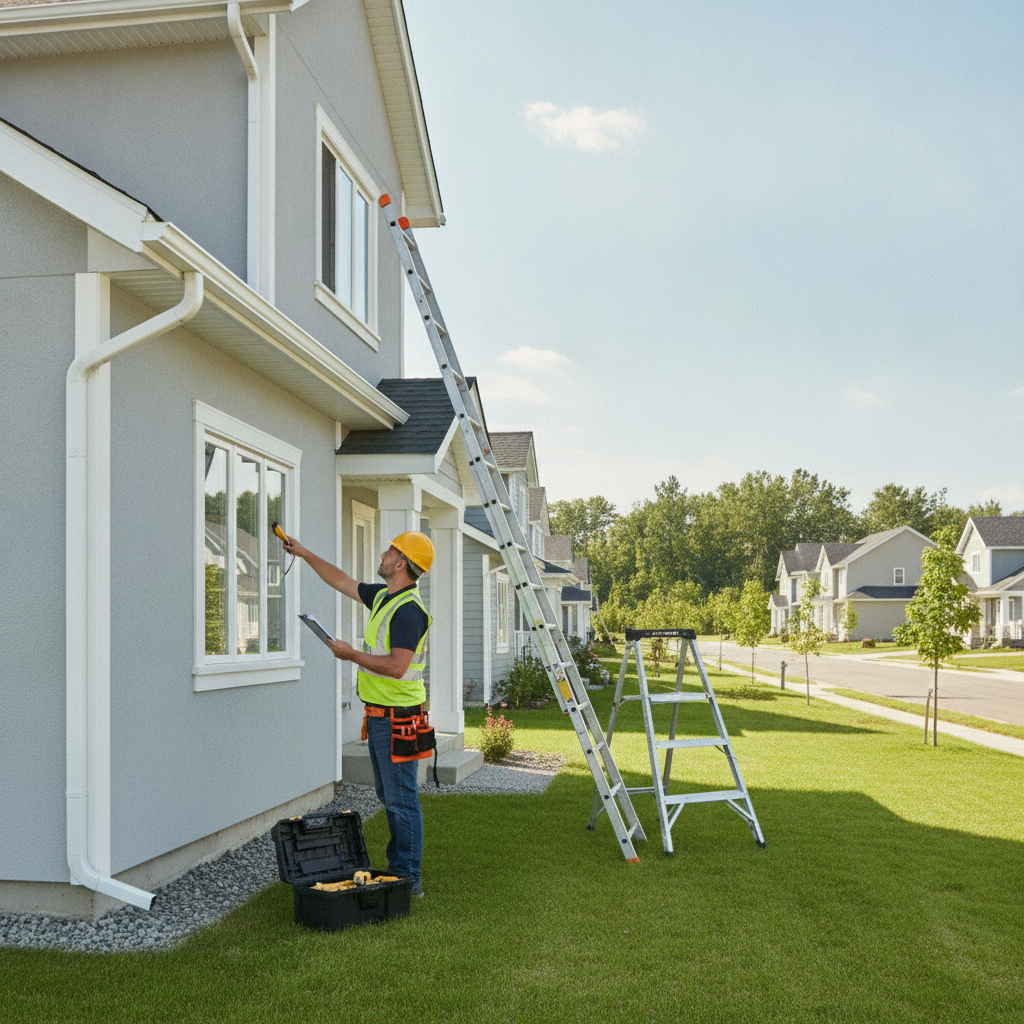
A certified house inspector is a trained professional who evaluates a property’s major systems for safety, function, and maintenance needs. Certification signals adherence to a recognized standard of practice and ethics. In Suite 2000, hiring a certified inspector helps buyers, sellers, and investors uncover hidden issues early and make confident, time-sensitive decisions.
By Asmhomeinspection • Last updated: 2026-07-05
Summary
A certified house inspector examines a home’s roof, attic, structure, plumbing, electrical, and HVAC to document safety issues and defects. Certification ensures consistent standards, clear reporting, and objective findings. This guide explains what certification means, how inspections work, best practices for buyers and sellers, and local tips for Suite 2000.
Here’s what you’ll learn and how to use it right away:
- What a certified home inspector is and why certification matters for real estate decisions.
- How inspections flow from booking to a same-day PDF report you can act on quickly.
- Checklist-style guidance for roof, attic, foundation, plumbing, electrical, and HVAC.
- Buyer, seller, landlord, and investor best practices to avoid surprises after closing.
- Local considerations for Suite 2000 and when to schedule seasonally sensitive checks.
Use this as a practical, step-by-step playbook whether you’re purchasing, listing, managing rentals, or maintaining a portfolio.
What is a certified home inspector?
A certified home inspector is a credentialed professional who follows a defined standard of practice and ethics to assess a home’s visible, accessible systems. Certification assures consistent methods, unbiased reporting, and actionable recommendations that help clients negotiate, plan maintenance, and reduce risk.
Certification is the difference between a walkthrough and a methodical evaluation. It means the inspector is trained to recognize safety concerns, functional defects, and early signs of moisture intrusion that non-professionals usually miss. For families and investors in Suite 2000, that translates to better decisions and fewer regrets.
- Scope you can count on: A certified house inspector assesses roofing, exterior, structure/foundation, interior, attic, insulation/ventilation, plumbing, electrical, and HVAC.
- Ethics and objectivity: Certified inspectors operate independently, documenting conditions without steering you toward contractors.
- Clear deliverables: Expect a written or PDF home inspection report with photos, priority flags, and next-step suggestions. ASM delivers reports the same day so you can act fast.
In our experience conducting residential and commercial property inspections, consistent standards and fast reporting make the biggest difference when timelines are tight and emotions run high.
Why certification matters
Certification matters because it enforces training, standards of practice, and ethics. You get a thorough, unbiased assessment focused on safety and function, plus documentation you can use to negotiate repairs, plan maintenance, or walk away with confidence.
Here’s why our clients prioritize certified expertise during transactions and annual maintenance:
- Risk reduction: Systematic checks catch small issues before they become large liabilities—especially moisture intrusion and electrical hazards.
- Actionable reporting: A structured PDF home inspection report helps you prioritize fixes by safety, urgency, and budget planning.
- Negotiation leverage: Clear defect documentation supports repair requests and contingency decisions.
- Portfolio visibility: Investors and property managers can benchmark multiple buildings using consistent findings and terminology.
We’ve found that certified methods reduce disputes later because the documentation is specific, visual, and mapped to recognized practices. That clarity serves everyone: buyers, sellers, agents, and lenders.
How a home inspection works (step-by-step)
A home inspection starts with scheduling and a pre-visit brief, followed by an on-site, system-by-system evaluation. Findings are compiled into a structured report with photos and recommendations, delivered the same day so you can make decisions quickly.
Below is a straightforward process you can follow with ASM Home & Commercial Inspection:
- Book and brief: Share property type, age, and any known concerns (leaks, prior repairs, unusual noises).
- Pre-inspection prep: Ensure access to all areas: attic hatch, utility rooms, garage, exterior gates, and panels.
- Exterior and roof: Evaluate roofing materials, drainage, gutters/downspouts, soffits, flashing, and grading.
- Interior and structure: Check walls, ceilings, floors, stairs/railings, doors/windows, and visible foundation areas.
- Plumbing: Inspect visible supply and drain lines, fixtures, water heater, and functional flow.
- Electrical: Review service drop, main panel, breakers, visible wiring, outlets, lights, and GFCI/AFCI devices.
- HVAC: Observe heating and cooling equipment, airflow, filters, and duct accessibility.
- Attic/insulation/ventilation: Look for proper insulation depth, ventilation pathways, and moisture signs.
- Report the same day: Receive a PDF with annotated photos, safety notes, and a prioritized action list.
| Phase | Focus | Typical Tools | Outcome |
|---|---|---|---|
| Booking | Gather history, access, timing | Online/phone intake | Clear scope and schedule |
| On-site | System-by-system review | Flashlight, ladder, PPE | Notes and photos |
| Diagnostics | Safety and function checks | Outlet tester, moisture meter | Evidence of concerns |
| Reporting | Priorities and guidance | Structured PDF report | Same-day decisions |
Need this level of rigor on your next property? Explore scheduling with ASM Home & Commercial Inspection in Suite 2000.
Types of inspections and methods
Certified inspectors offer specialized approaches for different situations: pre-purchase, pre-listing, new construction, move-in, and annual maintenance. Each aligns with a clear objective—reduce risk, speed transactions, verify workmanship, document condition, or plan proactive maintenance.
Residential scenarios
- Pre-purchase home inspection: Identify safety issues and defects before you commit. Useful for offer conditions and planning repairs.
- Pre-listing inspection: Address issues in advance, price confidently, and reduce surprises during buyer due diligence.
- New construction inspection: Verify workmanship and installation, then create a punch list before handover.
- Move-in inspection for rentals: Document baseline condition with photos to avoid disputes when tenants move out.
- Annual maintenance inspection: Track wear and tear, aging systems, and moisture risks over time.
Commercial scenarios
- Retail and restaurants: Focus on electrical capacity, HVAC performance, and moisture near kitchens.
- Offices/industrial: Review roof condition, drainage, and safety egress, plus observable equipment areas.
- Hospitality/health/education: Emphasize occupant safety, ventilation, and accessible emergency systems.
ASM covers these inspection types across the GTA, delivering a same-day PDF so your team can move from questions to action quickly.
How to hire a certified house inspector in Suite 2000
Hire a certified house inspector by confirming credentials, scope, turnaround time, and sample reports. Ask about roof-to-basement coverage, attic inspection, and same-day PDFs. Choose a provider that serves Suite 2000 regularly and communicates clearly before, during, and after the inspection.
When timelines are tight, you need clarity and speed without sacrificing thoroughness. Here’s a fast vetting checklist you can use this week:
- Credentials: Verify residential and commercial training that supports your specific property type.
- Scope in writing: Confirm coverage of roof, attic, structure, plumbing, electrical, HVAC, interiors, and exteriors.
- Sample report: Review clarity, photos, and prioritization. Look for same-day PDF delivery.
- Communication: Expect a pre-brief, on-site walk-through, and post-report Q&A.
- Local familiarity: Experience with Suite 2000 housing and seasonal conditions improves relevance.
Local considerations for Suite 2000
- Schedule attic and roof reviews after major weather shifts to spot new moisture patterns and ventilation issues.
- Plan HVAC inspections before peak heating or cooling seasons so maintenance doesn’t compete with demand.
- For rentals, align move-in inspections with turnover dates and ensure photos capture high-wear areas like kitchens and baths.
Ready to move forward? You can learn more or start your booking with ASM Home & Commercial Inspection.
Best practices for buyers, sellers, landlords, and investors
Best practices include preparing access to all areas, documenting repair history, and prioritizing safety items first. Use the report to negotiate or plan maintenance, and schedule follow-ups after repairs to verify outcomes.
Buyers
- Ask for a comprehensive roof-to-foundation scope with attic inspection and insulation/ventilation review.
- Attend the inspection if possible and walk through major findings on-site.
- Use the report to structure repair requests, concessions, or contingency decisions.
Sellers
- Declutter mechanical rooms and clear the attic hatch to maximize access.
- Disclose prior repairs and warranties; transparency builds buyer trust.
- Address high-visibility items (handrails, GFCIs, loose fixtures) to reduce negotiation friction.
Landlords and property managers
- Standardize move-in inspections so every unit has comparable photo documentation.
- Use annual maintenance inspections to plan proactive work and minimize downtime.
- Re-check moisture-prone areas regularly; small leaks can escalate quickly in multi-unit settings.
The most effective clients treat inspections as part of a property health program—not a one-time event. That mindset cuts surprises and spreads workload across the year.
Tools and resources a certified inspector uses
Inspectors rely on ladders, flashlights, outlet testers, moisture meters, infrared thermometers, and personal protective equipment. The right tools help confirm observations and document conditions clearly for your report and next steps.
Moisture verification is a common turning point during attic and interior evaluations. Here’s what a typical reading scenario looks like:
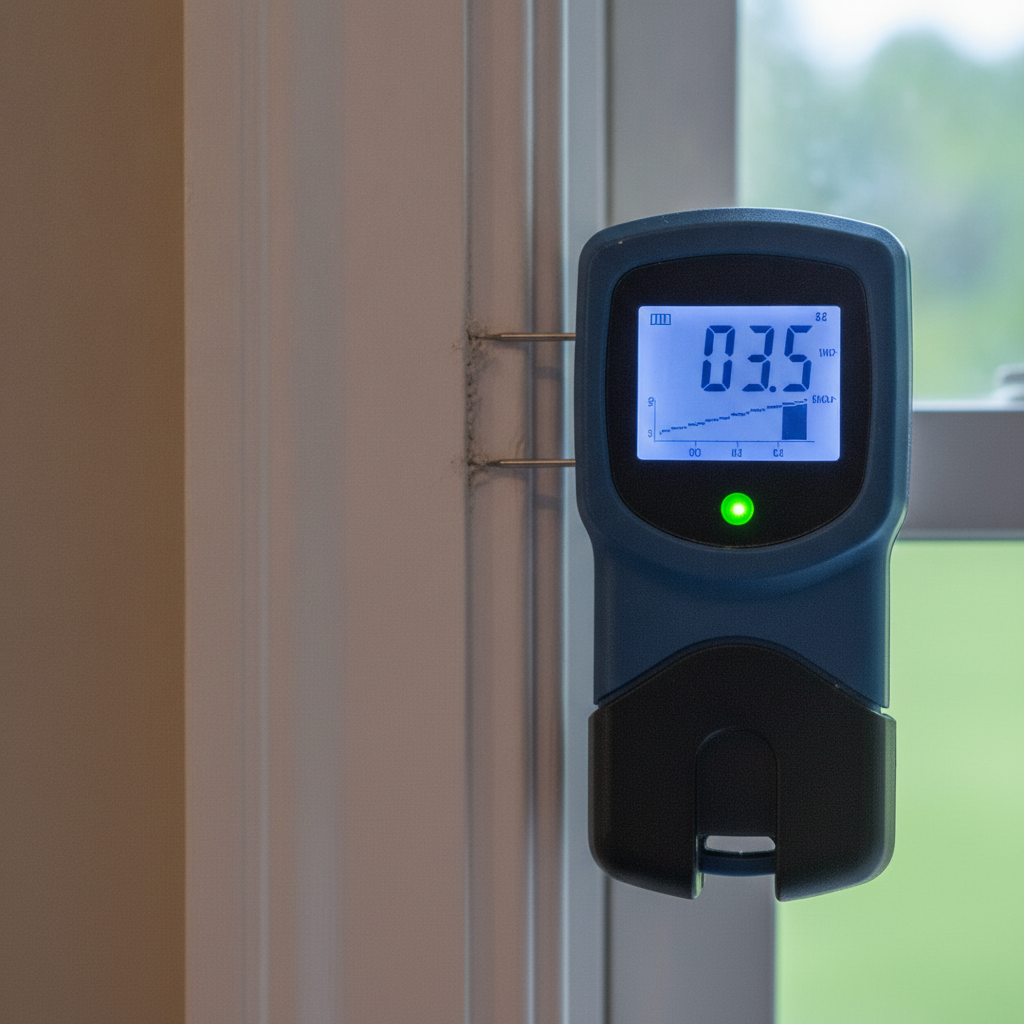
- Moisture meter: Confirms suspected dampness around windows, roofs, bathrooms, and basements.
- Outlet/GFCI testers: Identify wiring or protection issues that affect safety.
- Thermal tools: Help detect uneven temperatures that hint at missing insulation or air leaks.
- PPE and safe access: Gloves, masks when needed, and stable ladders for attic and roof approaches.
For broader context on electrical inspection expectations, you can review an example overview like this electrical inspection primer. While local details vary, the structure of safety checks is recognizable.
Roof, attic, and structure: what certified pros look for
Certified inspectors look for water entry, ventilation balance, flashing integrity, insulation coverage, and signs of structural movement. Early detection in these areas protects the rest of the home from cascading damage and costly follow-on repairs.
- Roofing and drainage: Condition of coverings, flashing, penetrations, gutters/downspouts, and site grading.
- Attic inspection: Insulation depth/condition, airflow paths, baffles, and visible moisture or staining.
- Structure/foundation: Visible cracks, heaving, moisture at perimeter, and stair-step patterns.
Here’s a look at a real-world attic setting an inspector navigates:
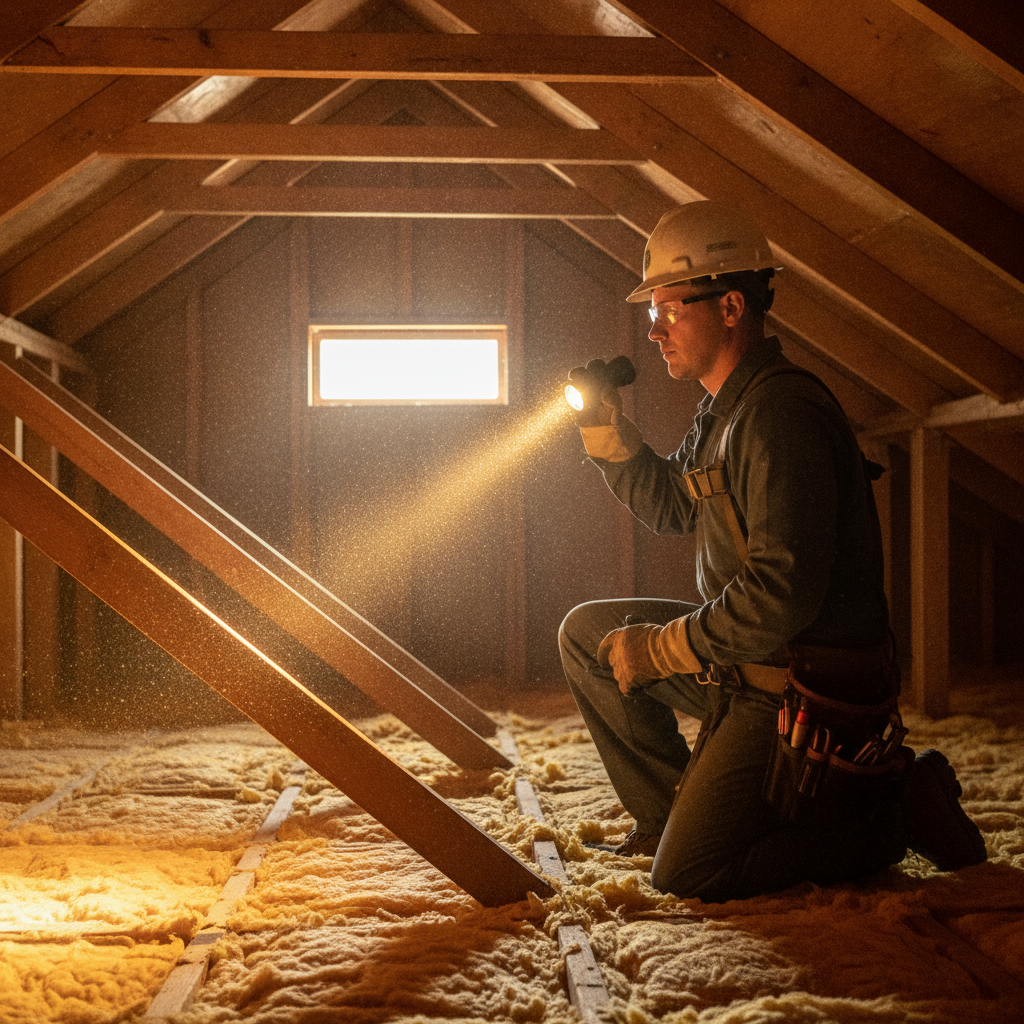
In our reporting, we highlight these components because they often influence comfort, energy efficiency, and moisture control throughout the property.
Plumbing, electrical, and HVAC essentials
A certified inspector evaluates visible supply and drain piping, fixtures, and water heating; checks electrical panels, outlets, and protection devices; and observes heating and cooling equipment for basic operation, airflow, and accessibility.
- Plumbing: Look for evidence of past leaks, corrosion, and fixture performance.
- Electrical: Panel labeling, breaker sizing, and receptacle testing for proper function.
- HVAC: Equipment age/condition, filter access, and duct visibility for maintenance.
If you’re comparing service providers in the region, browsing directory profiles like this inspection listing, another local profile, or this example inspector page can help you understand typical scopes described publicly.
How to use your report to make better decisions
Treat the inspection report as a risk map. Tackle safety items first, plan maintenance in phases, and use photos to align contractors. For offers, reference report sections to support repair requests or credits, or to walk away confidently if risks exceed your threshold.
- Prioritize safety: Address electrical protection, structural red flags, and active leaks first.
- Phase maintenance: Group similar tasks to minimize disruption and track progress over time.
- Align stakeholders: Share annotated photos with sellers, agents, and contractors to cut confusion.
- Re-inspect strategically: After major repairs, consider a targeted follow-up to verify results.
Clients often tell us the report’s photos and plain-language notes turn a complex property into a clear project list they can actually execute.
Case studies and examples from our inspections
Real inspections show patterns: small moisture clues in attics, mislabeled panels, aging HVAC, and deferred exterior maintenance. Addressing these early prevents bigger failures. The examples below illustrate how certified methods translate into practical wins.
Buyer scenario: subtle attic stain becomes a repair win
- Finding: Light discoloration on attic sheathing traced to a disconnected bath fan duct.
- Action: Documented with photos; buyer requested reconnection and additional baffles.
- Outcome: Improved ventilation, reduced moisture risk, and a smoother closing.
Seller scenario: pre-listing fixes remove negotiation friction
- Finding: Loose handrails, missing GFCI protection in a bathroom, and a clogged downspout.
- Action: Seller corrected items before listing and included receipts in disclosures.
- Outcome: Fewer objections during due diligence and a cleaner path to agreement.
Investor scenario: portfolio maintenance planning
- Finding: Repeating notes across several properties on aging water heaters and worn weatherstripping.
- Action: Consolidated replacements and scheduled seasonal weatherization.
- Outcome: Streamlined work orders and improved tenant comfort.
Want the same approach? Start with a residential or commercial booking at ASM Home & Commercial Inspection.
Considering an inspection? Start the conversation
If you’re buying, listing, managing rentals, or maintaining a portfolio, a certified inspection provides clarity fast. Book a time, get a same-day PDF, and move forward with confidence.
We help Suite 2000 homeowners, agents, investors, and property managers reduce risk and act quickly. Explore services and availability at our main site.
Frequently Asked Questions
These quick answers cover the most common questions about certified home inspections—timing, scope, and how to prepare. Use them to align expectations and speed up your next appointment.
What does a certified house inspector check?
A certified inspector reviews visible, accessible systems: roof, exterior, structure/foundation, interior, attic/insulation/ventilation, plumbing, electrical, and HVAC. The goal is to identify safety concerns, functional defects, and maintenance needs, then document them in a clear, photo-rich report you can use for decisions.
How long does a home inspection take?
Most appointments last a few hours, depending on size, age, and access. The on-site time includes system-by-system checks and photos. With ASM Home & Commercial Inspection, you receive a same-day PDF report, so you’re not left waiting to make time-sensitive decisions.
Should I attend the inspection?
If you can, yes. Walking through with the inspector helps you see conditions first-hand and understand the report later. You’ll be able to ask practical questions about maintenance and next steps while you’re at the property.
Do inspectors test appliances or hidden components?
Home inspections are visual and non-invasive. Inspectors don’t open walls or dismantle equipment. Many will operate built-in appliances briefly as a courtesy, but the emphasis is on visible systems, safety devices, and functional observations noted in the report.
What if the report finds major issues?
Use the report to evaluate options: request repairs, negotiate concessions, set conditions, or walk away if risks exceed your comfort. The value of a certified inspection is objective documentation you can rely on when making time-sensitive choices.
Key takeaways and next steps
Hire a certified inspector, ensure full roof-to-foundation scope, and use the same-day PDF to prioritize safety and plan maintenance. Align stakeholders with photos and schedule re-checks after significant repairs.
- A certified house inspector provides standardized methods, ethics, and clear reporting.
- System coverage includes roof, attic, structure, plumbing, electrical, and HVAC.
- Use findings to negotiate, plan maintenance, and reduce surprises.
- Book early for seasonal availability and ensure full access to all areas.
Ready to book or explore services in Suite 2000? Visit ASM Home & Commercial Inspection and request your appointment. We look forward to helping you move forward with clarity.