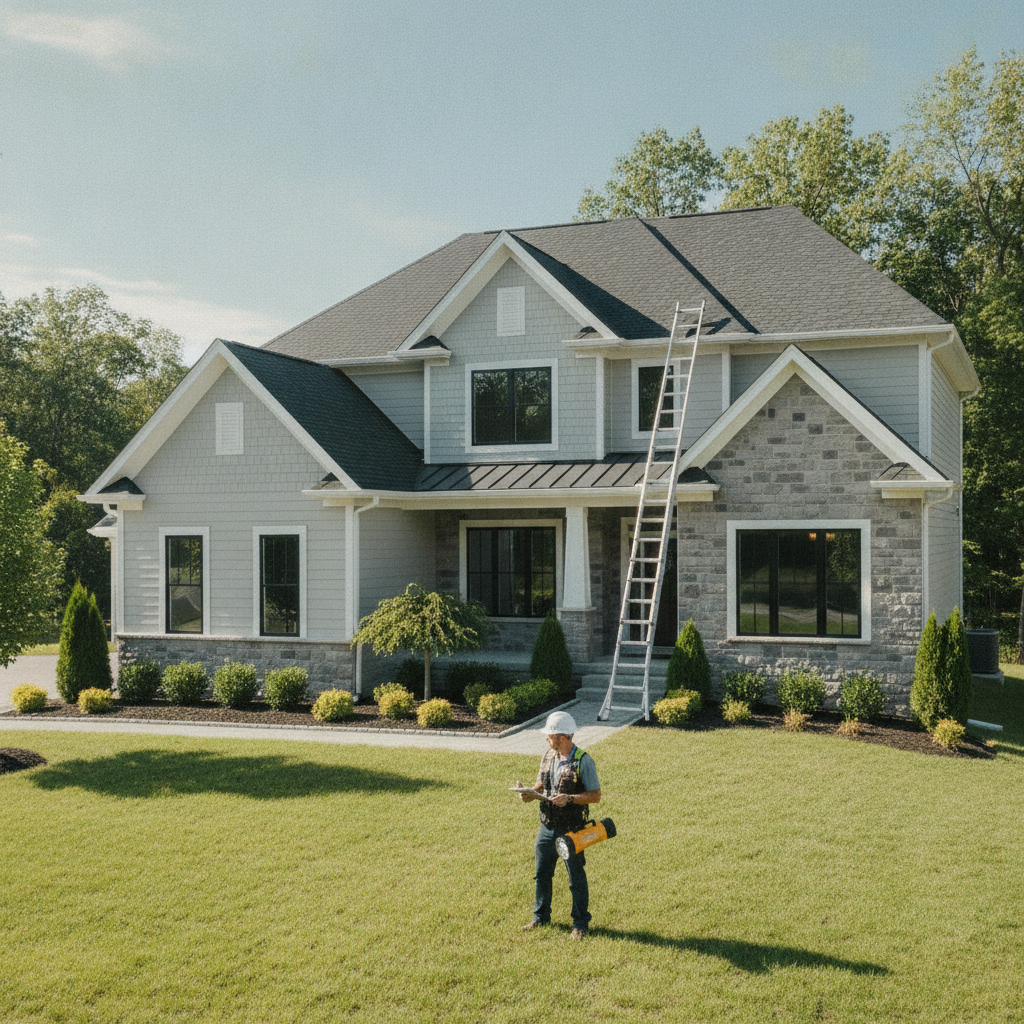
A certified home inspector is a trained professional who evaluates a property’s major systems, documents safety risks, and explains practical fixes. In Suite 2000, Toronto, credentialed inspectors like ours at ASM deliver standardized methods and same-day PDF reports so buyers, sellers, and owners can act fast with confidence and fewer surprises.
By Asmhomeinspection • Last updated: 2026-06-08
Above-Fold Section: Hook + What You’ll Find
Use this guide to understand how a certified home inspector protects your deal, your safety, and your budget. We break down what certification means, how inspections work, what types you may need, the tools involved, and real examples from GTA properties to help you decide with clarity.
Choosing the right inspector shouldn’t feel like guesswork. This practical guide shows you exactly what to expect and how to use the findings to your advantage.
- What “certified” really covers and why it matters
- How a modern inspection flows from booking to same-day PDF
- What’s included across roof, structure, plumbing, electrical, HVAC, and more
- When to choose pre-purchase, pre-listing, new construction, move-in, or annual maintenance
- How to read your report and prioritize action items
Quick Summary
A certified home inspector evaluates all major systems, identifies material defects, and produces a clear report—often the same day. When certification, scope, and communication align, you reduce risk and gain negotiating leverage. For GTA properties, fast, certified reporting helps you move decisively in competitive timelines.
Here’s the short version of what you need to know and do now:
- Confirm credentials (InterNACHI/CCPIA) and sample reports before booking.
- Expect a system-by-system review with photos and plain-English notes.
- Use the summary to separate safety issues, function defects, and maintenance items.
- Ask for a walkthrough—10 to 20 minutes can clarify next steps.
- Plan quick follow-ups for moisture, electrical, and HVAC flags.
What Is a Certified Home Inspector?
A certified home inspector is a credentialed professional trained to assess a property’s condition across structural, mechanical, electrical, and safety systems. Certification indicates tested knowledge, standardized practice, and ethical guidelines—giving buyers and owners reliable findings and defensible documentation for important decisions.
In our work across the Greater Toronto Area, “certified” signals skill, scope, and accountability. Our inspector holds InterNACHI (residential) and CCPIA (commercial) credentials, which align with proven methods and clear reporting. That combination matters when negotiations are tight and timing is critical.
Core scope you should expect
- Roof and exterior: shingles, flashing, gutters, grading, decks, railings.
- Structure and foundation: visible framing, settlement clues, cracks, moisture entry points.
- Interior: walls, floors, ceilings, doors, windows, stairs, guardrails.
- Plumbing: supply, drains, fixtures, water heater, visible leaks, drainage behavior.
- Electrical: panel, breakers, receptacles, visible wiring concerns, GFCI/AFCI functionality.
- HVAC: furnace, air conditioning, distribution, basic performance observations.
- Attic and insulation: ventilation, insulation continuity, signs of condensation or pests.
- Garages and accessory areas: doors, safety sensors, structure, fire separation elements.
Why this matters: a consistent, certified process reduces blind spots. It also creates a report you can reference during negotiations, contractor quotes, and insurance questions.
Local considerations for Suite 2000
- Schedule inspections early during busy seasons; competitive timelines mean same-day reports help you respond within hours, not days.
- Plan for weather swings; freeze-thaw cycles can stress exteriors—look closely at grading, downspouts, and attic ventilation balance.
- In multi-family and mixed-use buildings, confirm maintenance records and access protocols to avoid delays on common systems.
Why Certification Matters (More Than You Think)
Certification proves training, standards, and ethics. It raises inspection quality, improves report clarity, and supports faster decisions. In tight GTA timelines, a certified home inspector with same-day reporting gives you leverage—clear documentation to negotiate, plan repairs, or walk away confidently.
Here’s the thing: anyone can sound thorough. Certification backs it up with tested knowledge, defined scope, and a code of ethics. That translates to fewer surprises and faster, better-aligned outcomes for buyers, sellers, and property managers.
Signals that certification delivers
- Defined methods: repeatable, system-by-system checklists that catch common defects.
- Decision-ready reports: concise summaries, photos, and plain-English explanations.
- Negotiation power: objective language that supports requests for credit or repair.
- Risk control: early moisture detection, electrical safety notes, and HVAC performance clues.
- Commercial coverage: with CCPIA, expertise extends to retail, office, industrial, hospitality, healthcare, and education properties.
In our experience, well-structured reports accelerate next steps. We routinely deliver the PDF the same day, so your agent can move in lockstep with your goals.
How a Certified Home Inspection Works
Book your inspection, review scope, attend a focused walkthrough, and receive a same-day PDF report. Certified methods cover roof-to-foundation, with photos and clear language. The result: prioritized action items that guide negotiations, safety fixes, and maintenance planning without guesswork.
We follow a consistent, transparent process that keeps you informed at each step.
The inspection flow (7 steps)
- Discovery call: clarify property type, objectives, and any concerns (e.g., moisture or electrical).
- Scope + access confirmation: confirm areas and mechanicals we can evaluate; arrange keys and permissions if needed.
- On-site exterior pass: roofline, grading, siding, decks, railings, drainage behavior.
- Interior + systems: structure clues, interior finishes, plumbing fixtures, panel and receptacles, HVAC start-up behavior.
- Attic review: insulation, ventilation, condensation patterns, roof penetrations.
- Client walkthrough: 10–20 minutes to highlight material findings and answer questions.
- Same-day PDF report: photos, summaries, and recommendations organized by priority.
What your report includes
- Executive summary: safety issues, functional defects, and maintenance items separated for clarity.
- Annotated photos: visuals that make findings easy to share with your agent or contractor.
- Plain-English notes: what’s happening, why it matters, and practical next steps.
- References to standards: where applicable, notes reflect recognized inspection practices.
Want to see how clear a finished report looks? Browse our site to review what we cover and how we document it in practice on the ASM Home & Commercial Inspection homepage.
Types of Inspections and Approaches
Choose the inspection type that matches your situation: pre-purchase, pre-listing, new construction, move-in, annual maintenance, or commercial. Each emphasizes different risks—timing, safety, workmanship, or longevity. A certified home inspector helps you pick the right scope and interpret results for action.
Because properties and goals differ, your inspection should too. Here’s how the options line up with real decisions.
Residential pathways
- Pre-purchase home inspection: decision-making clarity before you make an offer binding.
- Pre-listing inspection: fix surprises up front; publish a clean summary to build buyer trust.
- New construction inspection: verify workmanship and basic system performance before handover.
- Move-in inspection (rentals): document condition to avoid disputes later.
- Annual maintenance inspection: catch small issues early and plan seasonal upkeep.
Commercial pathways (CCPIA)
- Retail and restaurants: electrical capacity clues, HVAC distribution, kitchen ventilation, and life-safety basics.
- Offices and hospitality: roof condition, envelope performance, plumbing fixture loads, and accessibility notes.
- Industrial and storage: slab movement clues, drainage, dock areas, and fire separation elements.
- Healthcare and education: mechanical room organization, ventilation balance, and maintenance documentation.
Not sure which route to take? A 5-minute discovery call can align scope to your timeline and risk tolerance.
Best Practices to Get More Value from Your Inspection
Maximize your inspection by confirming credentials, attending the walkthrough, asking clarifying questions, and reading the summary first. Use prioritized action items to negotiate, plan quick safety fixes, and budget maintenance. Keep the PDF report handy for contractors and insurance conversations.
We’ve found simple habits make the biggest difference in outcomes.
- Vet the inspector: check InterNACHI/CCPIA memberships and sample reports.
- Prepare access: attics, panels, mechanical rooms, and garages ready to review.
- Be present: the 10–20 minute walkthrough turns observations into clear decisions.
- Highlight concerns: moisture spots, tripping breakers, unusual HVAC behavior—call them out early.
- Prioritize safety: GFCI/AFCI issues, handrail/guardrail stability, combustion venting and CO alarms.
- Document follow-ups: keep notes on who will repair what and when.
- Revisit annually: seasonal checks protect roofs, drainage, and mechanicals from small problems snowballing.
When timelines are compressed, clarity and speed win. Our same-day PDF report helps your team decide before contingencies expire.
Free 10-minute inspection planning call: If you’re weighing pre-purchase vs. pre-listing—or need a commercial scope—reach out to our team. We’ll align the inspection to your goals and timeline so you can move confidently.
Tools, Methods, and Helpful Resources
Certified inspectors combine trained observation with diagnostic tools. Expect ladders, moisture meters, receptacle testers, thermometers, and cameras. Tools support—but don’t replace—experienced judgment. For deeper issues, the report recommends specialists with clear handoff notes to keep momentum.
Tools we commonly use during residential and commercial inspections:
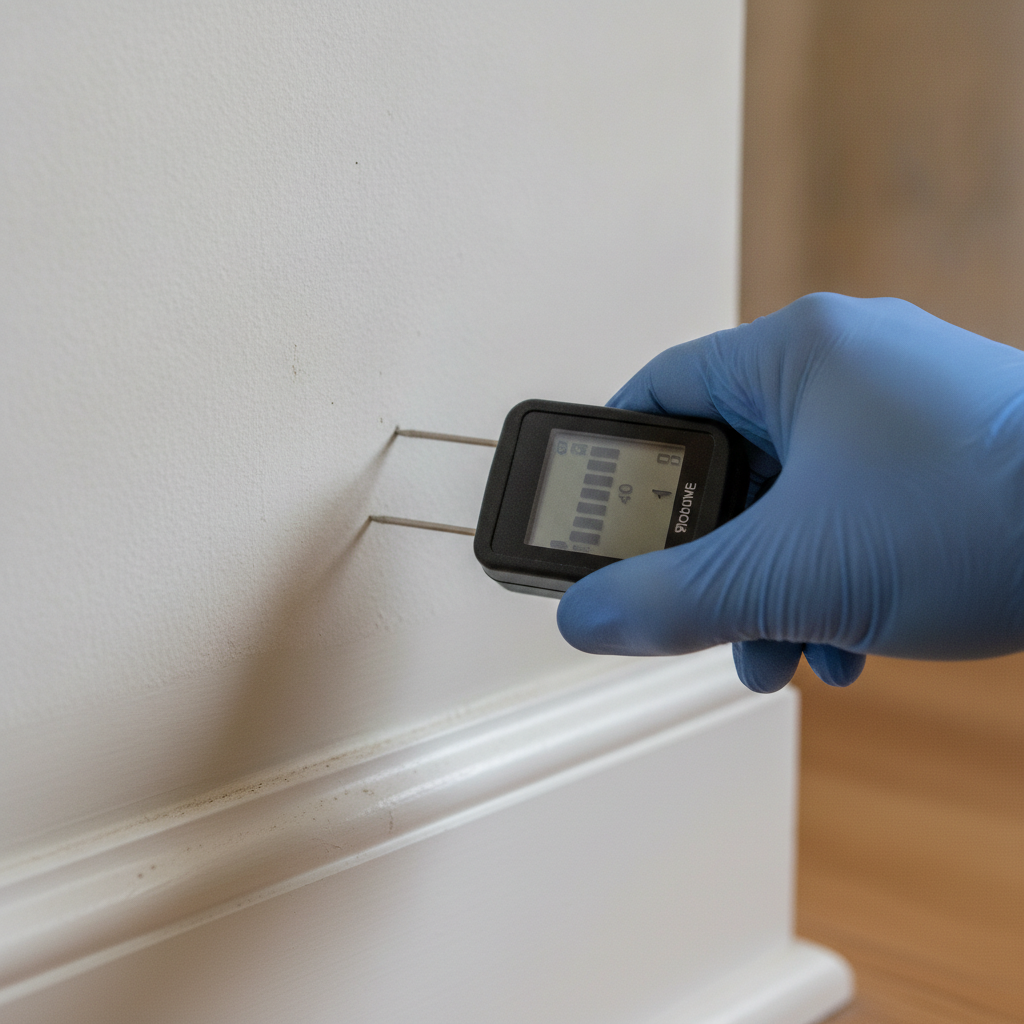
- Moisture meters: pinpoint damp areas so you can address intrusion early.
- Receptacle and GFCI/AFCI testers: quick checks for protection where water or arc faults are risks.
- Thermometers and basic IR imagery: temperature patterns that hint at insulation or distribution issues.
- Cameras and flashlights: document conditions and improve visibility in tight spaces.
- Ladders and safety gear: safe access to exteriors and attics.
Want background reading on specialty areas? This electrical inspection overview explains common checks in plain language. Local directories such as this home inspection profile show how providers present qualifications. And regional buyer guides like this Mississauga home guide outline steps surrounding the inspection phase.

Case Studies and Real-World Examples
Real inspections reveal patterns: moisture intrusion at grading, electrical protection gaps, and ventilation imbalances. By flagging safety first, function second, and maintenance third, certified reports help you choose between repair negotiations, concessions, or moving on—without losing time.
Example 1: Pre-purchase single-family (GTA)
- Finding: Minor shingle wear and flat roof ponding near a rear addition.
- Impact: Early-stage moisture risk if left unaddressed.
- Action: Improve drainage, plan targeted roofing maintenance; move forward with negotiation notes.
Example 2: Condominium resale
- Finding: Intermittent GFCI trips at kitchen outlets near the sink.
- Impact: Safety and nuisance; indicates protection or appliance wiring issue.
- Action: Licensed electrician review recommended; seller disclosure updated, agreement adjusted.
Example 3: Light commercial retail (CCPIA)
- Finding: HVAC distribution imbalance created cold zones in customer areas.
- Impact: Comfort and energy concerns; equipment otherwise serviceable.
- Action: Duct balancing and maintenance scheduling; lease negotiation included remediation timeline.
Across property types, a certified approach keeps stakeholders aligned. Your agent, contractors, and insurer appreciate clear documentation and prioritized tasks.
Certified vs. Uncertified Inspectors: What’s the Difference?
Certified inspectors follow tested standards, provide clearer reports, and support better decisions. Uncertified providers vary widely in scope and documentation. If the market is moving fast, certification plus same-day reporting is your best bet for timely, defensible outcomes.
| Criteria | Certified Home Inspector | Uncertified Provider |
|---|---|---|
| Training & Standards | Formal credentials (e.g., InterNACHI/CCPIA), ethics, set scope | Varies; may lack standard practice or code of ethics |
| Scope Consistency | System-by-system methods across roof-to-foundation | Inconsistent; dependent on individual habits |
| Report Quality | Summary + photos + plain-English next steps | May be sparse or overly technical without context |
| Decision Support | Prioritized actions for safety, function, maintenance | Harder to derive priorities or negotiate from |
| Timeliness | Same-day PDF common; supports fast timelines | Delivery varies; can slow negotiations |
If you only verify one thing, verify certification. It’s the most reliable predictor of scope and report clarity.
Frequently Asked Questions
These quick answers cover the most common questions about certified inspections in the GTA. Use them to plan timing, attendance, and what to expect in your report so you can make confident, fast decisions.
What does a certified home inspector check?
A certified home inspector reviews roof, structure, exterior, interior, plumbing, electrical, HVAC, and the attic. The report highlights safety issues, functional defects, and maintenance items, with photos and clear next steps you can act on quickly.
Should I attend the inspection?
Yes. A brief walkthrough—often 10–20 minutes—helps you understand findings, see key areas in person, and ask questions. That short time converts technical notes into clear decisions and avoids back-and-forth later.
How fast will I get the report?
We deliver a same-day PDF report in most cases. Speed matters in the GTA, and timely documentation lets you negotiate, request repairs, or adjust your offer without losing momentum.
What if the inspection finds major issues?
The report will clearly label safety and function concerns. Your agent can use that language to negotiate repairs or credits, or you may choose to walk away. We can also suggest specialist follow-ups for deeper evaluation.
Key Takeaways
Certification plus clear reporting equals better decisions. Verify credentials, attend the walkthrough, and use the summary to prioritize safety, function, and maintenance. In fast-moving markets, same-day PDFs keep you in control.
- Certified methods reduce blind spots and speed decisions.
- System-by-system scope covers roof, structure, plumbing, electrical, HVAC, and more.
- Walkthroughs and plain-English notes turn observations into action.
- Choose inspection type to match your timing and risk.
Conclusion: Your Next Step
If you want defensible results on a tight timeline, hire a certified home inspector and plan a brief walkthrough. Clarity beats speed alone. With a same-day PDF, you can negotiate, schedule repairs, or proceed—confidently and on time.
Ready to move forward on a property in Suite 2000 or across the GTA? We’re here to help with residential and commercial inspections, same-day reporting, and clear guidance you can use.
Book your inspection with ASM and get a report you can act on today.