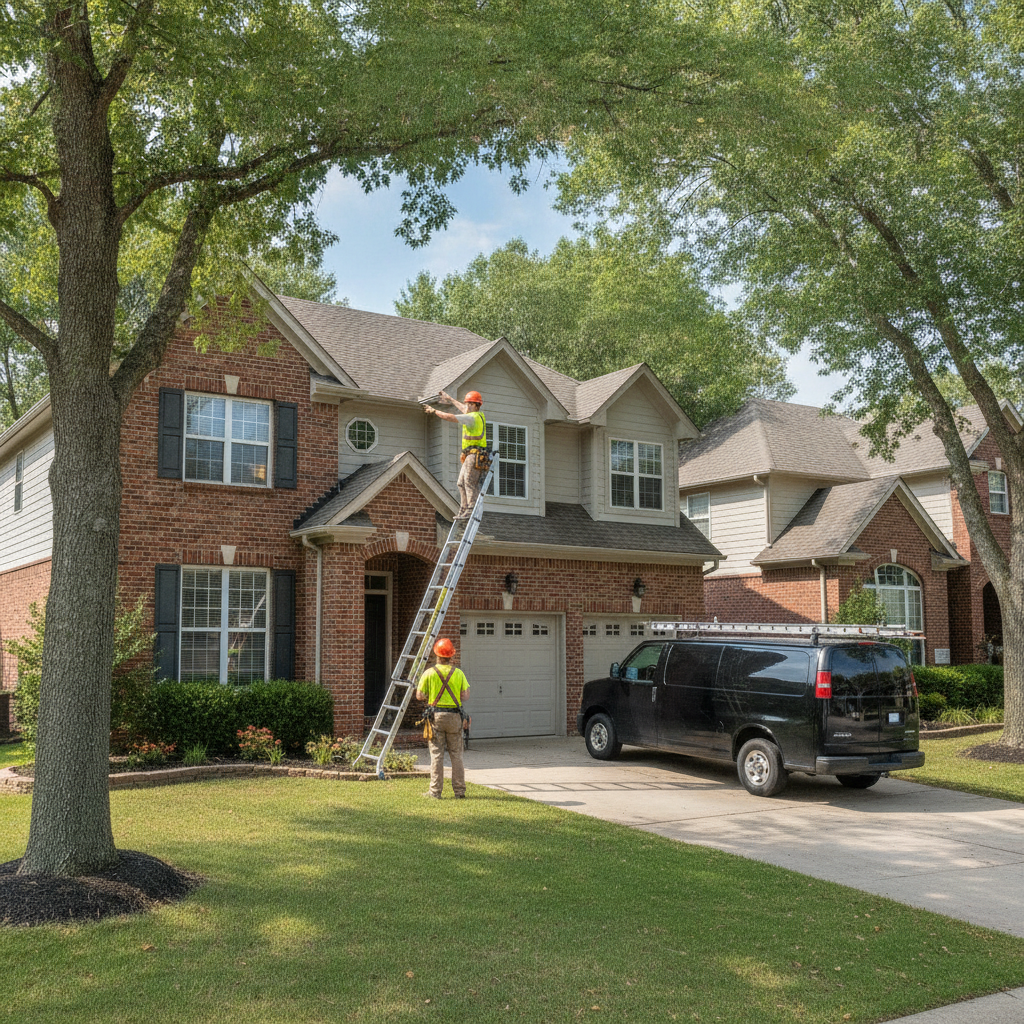
Certified home inspections are credentialed, visual evaluations of a property’s major systems that identify safety hazards, material defects, and maintenance needs. In Suite 2000 and across the GTA, ASM Home & Commercial Inspection performs certified reviews with same-day PDF reports so buyers, sellers, and investors can act with confidence.
By Asmhomeinspection · Last updated: 2026-06-09
Above the Fold: Why This Guide Matters + Table of Contents
Use this complete guide to certified home inspections to spot red flags early, understand how the process works, and turn your report into a practical action plan. You’ll see exactly what inspectors check, tools they use, and GTA-specific tips—plus examples, checklists, and a comparison table you can reference anytime.
Buying, listing, or managing property moves fast. This playbook helps you keep pace without missing critical details.
- At a Glance Summary
- What Is a Certified Home Inspection?
- Why Certified Inspections Matter
- How Certified Home Inspections Work
- Types, Methods, and Approaches
- Best Practices for Buyers, Sellers, and Agents
- Tools, Standards, and Resources
- Case Studies and GTA Examples
- Frequently Asked Questions
- Conclusion, Key Takeaways, and Next Steps
At a Glance Summary
Certified inspections verify a home’s condition using recognized standards and calibrated tools. The result is a same-day, photo-rich PDF that prioritizes safety, repairs, and items to monitor. Use it to negotiate, plan maintenance, and avoid moisture, electrical, and ventilation pitfalls common in GTA properties.
- Primary goal: reduce uncertainty before you close, list, or renew a lease.
- Scope: roof, attic, exterior, structure/foundation, basement, plumbing, electrical, HVAC, interiors.
- Deliverable: a standardized, easy-to-skim PDF report the same day in most cases.
- ASM advantage: InterNACHI residential + CCPIA commercial certification, broad property experience, and fast turnaround. See our inspection approach.
What Is a Certified Home Inspection?
A certified home inspection is a standardized, non-invasive assessment of all accessible, major systems in a home by a credentialed inspector. It documents material defects, safety concerns, and maintenance items with photos and plain-English recommendations so you can act quickly and confidently.
At ASM Home & Commercial Inspection, certified means training, exams, and ongoing education through recognized bodies for both homes (InterNACHI) and commercial buildings (CCPIA). That dual track matters because residential and commercial standards differ—yet many GTA portfolios include a mix. Consistency in method, language, and risk priority helps everyone align fast.
- Systems reviewed: roof coverings, flashing, soffits, gutters/downspouts; exterior cladding; grading/drainage; structure and foundation; garages; stairs/rails; attic ventilation and insulation; interior walls/ceilings/floors; doors/windows; plumbing supply and drains; water heater; furnace/boiler; air conditioning; electrical service/panel/receptacles/lighting.
- What’s not done: destructive testing, opening walls, or operating systems in unsafe conditions or out of season (e.g., A/C mid-winter). When we can’t test something, we explain why and recommend next steps.
- Certified home inspections report: photo documentation, severity ratings, safety flags, and maintenance timelines. Many clients print the first two pages and use them as a punch list.
In our experience, buyers in fast-moving offers retain more when they see annotated photos rather than long paragraphs. That’s why our same-day PDF home inspection report favors clarity and prioritization over jargon.
Why Certified Inspections Matter
Certified inspections lower risk, surface hidden defects, and strengthen negotiations. Credentialed inspectors follow standards of practice, apply consistent checklists, and deliver defensible reports. The outcome is leverage, fewer surprises, and a predictable plan for safety and maintenance.
Here’s why this matters to you. Properties rarely fail with loud alarms; they fail quietly. Moisture intrusion behind cladding, a missing GFCI near a sink, or under-ventilated attics don’t always shout. Certified home inspections make silent risks visible and comparable across properties.
- Buyer confidence: findings often lead to targeted repairs or credits before closing, reducing post-move stress.
- Seller control: pre-listing inspections minimize renegotiations and keep days-on-market lower by front-loading repairs.
- Investor speed: standardized reports enable apples-to-apples comparisons across multiple opportunities.
- Agent efficiency: shared photos and plain-English notes align clients and contractors quickly.
Consider this quick comparison to highlight the value of certification.
| Aspect | Certified Inspection | Non‑Certified/Informal Check |
|---|---|---|
| Standards of Practice | Follows recognized, published standards | Inconsistent or undefined |
| Tools & Methods | Calibrated testers, moisture meters, IR where helpful | Basic visual once‑over |
| Documentation | Photo‑rich, prioritized PDF the same day | Notes without structure or timelines |
| Negotiation Support | Defensible language and severity ratings | Subjective impressions |
| Commercial Capability | CCPIA‑trained for varied property types | Typically residential only |
Local considerations for Suite 2000
- Plan seasonal checks. Freeze–thaw cycles stress exterior materials and roofs; fall inspections help prevent ice‑dam and attic moisture issues in winter.
- Peak moving seasons compress timelines. Spring and summer calendars fill fast; schedule early to leave room for follow‑up work.
- Mixed residential/commercial corridors. Confirm safe access and parking for ladders and equipment to avoid delays.
How Certified Home Inspections Work
A certified inspection follows a structured flow—pre‑brief, exterior and roof, interior systems, basement/crawl checks, and a same‑day debrief with a photo‑rich PDF. The report ranks safety and repair priorities, helping you decide what to fix, monitor, or negotiate.
From first call to final PDF, our process is consistent and transparent. You’ll always know where we are in the inspection and why each step matters.
- Discovery and scheduling: confirm buyer/seller/investor goals, property type, and timing; share prior repairs or permits.
- Exterior envelope: grading, drainage, siding, soffits, gutters/downspouts, decks, handrails, and visible foundation cracks or movement.
- Roof and attic: shingles/coverings, flashings, penetrations, ventilation balance, insulation depth, and signs of past leaks or condensation.
- Electrical: service entry, main panel labeling, representative outlets and GFCI/AFCI protection, visible wiring conditions.
- Plumbing: visible supply lines and drains, fixtures, water heater condition, functional flow and drainage observations.
- HVAC: furnace/boiler basics, A/C operation in‑season, filtration and duct conditions where visible.
- Interiors: windows/doors operation, walls/ceilings/floors, stair/guard safety, garage fire separation where applicable.
- Basement/crawl: moisture indicators, insulation/vapor barriers, sump and discharge observations.
- Report + debrief: same‑day PDF with photos, risks, and maintenance suggestions; optional phone review to align on next steps.
We emphasize moisture management in GTA basements and proper attic ventilation. In many homes, redirecting downspouts and improving air sealing reduces recurring condensation within a season.
Types, Methods, and Approaches
Certified home inspections adapt to your scenario—pre‑purchase, pre‑listing, new construction, move‑in, and annual maintenance. Methods combine visual reviews with functional testing and tools like moisture meters and infrared cameras to validate suspicions and document issues clearly for action.
ASM serves both residential and commercial clients, so our toolbox and checklists flex by property type without losing consistency.
- Pre‑purchase home inspection: for buyers evaluating risk before closing; provides leverage to address top concerns.
- Pre‑listing inspection: for sellers who want to control the narrative and reduce renegotiations.
- New construction inspection: for workmanship verification and punch‑list close‑out before occupancy.
- Move‑in inspection: for landlords and tenants documenting baseline condition with time‑stamped photos.
- Annual maintenance inspection: for homeowners planning upkeep, catching small leaks, and optimizing ventilation every 12 months.
- Commercial property inspection: tailored for offices, retail, hospitality, healthcare, education, industrial, and storage sites.
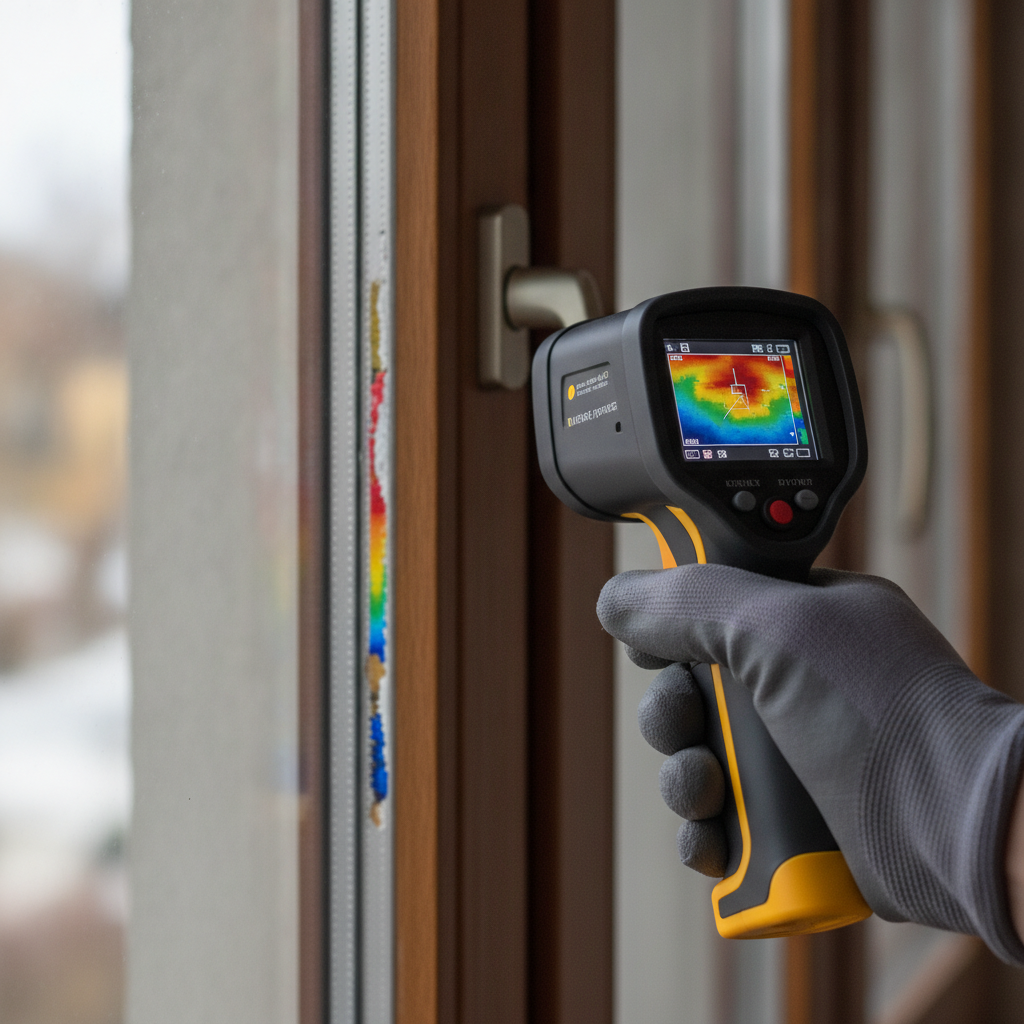
Advanced methods increase confidence. Infrared can reveal wet insulation and energy loss patterns. Moisture meters quantify dampness behind finishes. Where safety is in question, we document and recommend qualified trades before operating equipment further.
Best Practices for Buyers, Sellers, and Agents
Prepare the property, attend the walkthrough, and act on the report fast. Clear attic and panel access, gather maintenance records, and request a safety/repair/monitor summary. These habits convert findings into a practical plan that protects your timeline and investment.
For buyers
- Be present for the last 30–45 minutes to walk through major findings and priorities.
- Ask about expected service life for roofing, furnaces, water heaters, and air conditioners in your climate.
- Use the report’s photos to align contractors on scope and location of issues.
- Pair the inspection with a legal due‑diligence review; this real estate due diligence checklist outlines documents to gather.
For sellers
- Clear access to attic hatches, electrical panels, mechanical rooms, and crawlspaces.
- Stage maintenance records (HVAC tune‑ups, roofing work, warranties) for quick reference.
- Handle easy safety wins: add GFCI where missing near sinks, secure loose handrails, re‑caulk suspect wet areas.
- Consider a pre‑listing inspection to reduce renegotiations and speed closing.
For agents
- Set expectations: inspections are visual and non‑invasive; hidden conditions can exist but tools help target next steps.
- Build contingencies that allow adequate time for review and specialist quotes if needed.
- Keep communication tight. Our same‑day inspection report helps everyone stay on schedule.
Soft CTA: Need a buyer, seller, or maintenance walkthrough? Schedule with ASM for Suite 2000 and surrounding GTA communities—credentialed methods, clear photos, and a same‑day PDF.
Tools, Standards, and Resources
Certified inspectors combine recognized standards with calibrated tools—ladders, electrical testers, moisture meters, and infrared cameras—plus structured apps for documentation. Expect consistent language, clear photos, and prioritized recommendations you can share with contractors and decision‑makers.
We standardize on checklists to reduce missable details and to make findings comparable across properties and time.
- Core tools: ladders; non‑contact voltage testers; GFCI/AFCI testers; moisture meters; thermal imaging cameras; thermometers and hygrometers; gas leak sniffers; basic hand tools.
- Frameworks we follow: residential standards from InterNACHI and commercial practices consistent with CCPIA expectations.
- Documentation: photo‑rich, same‑day PDFs that categorize findings as Safety, Repair, or Monitor.
Electrical safety questions come up often. For an accessible primer, see this overview of what to expect in an electrical inspection and this guide on catching hidden electrical risks. Treat these as general context; your ASM report will reflect your specific property.
Case Studies and GTA Examples
Small corrections often deliver big wins. In recent GTA inspections, we’ve reduced attic condensation with better ventilation, curbed basement humidity with grading fixes, and resolved electrical safety gaps before closing—all documented in same‑day, photo‑rich PDFs that made next steps clear.
These brief, anonymized examples mirror common patterns we encounter when inspecting homes and mixed‑use properties across the region.
- Attic moisture and ventilation: Blocked soffit vents and spotty bath‑fan ducting caused winter staining. We recommended clearing soffits, adding baffles, and sealing air leaks. Within one season, staining stopped and attic humidity readings stabilized.
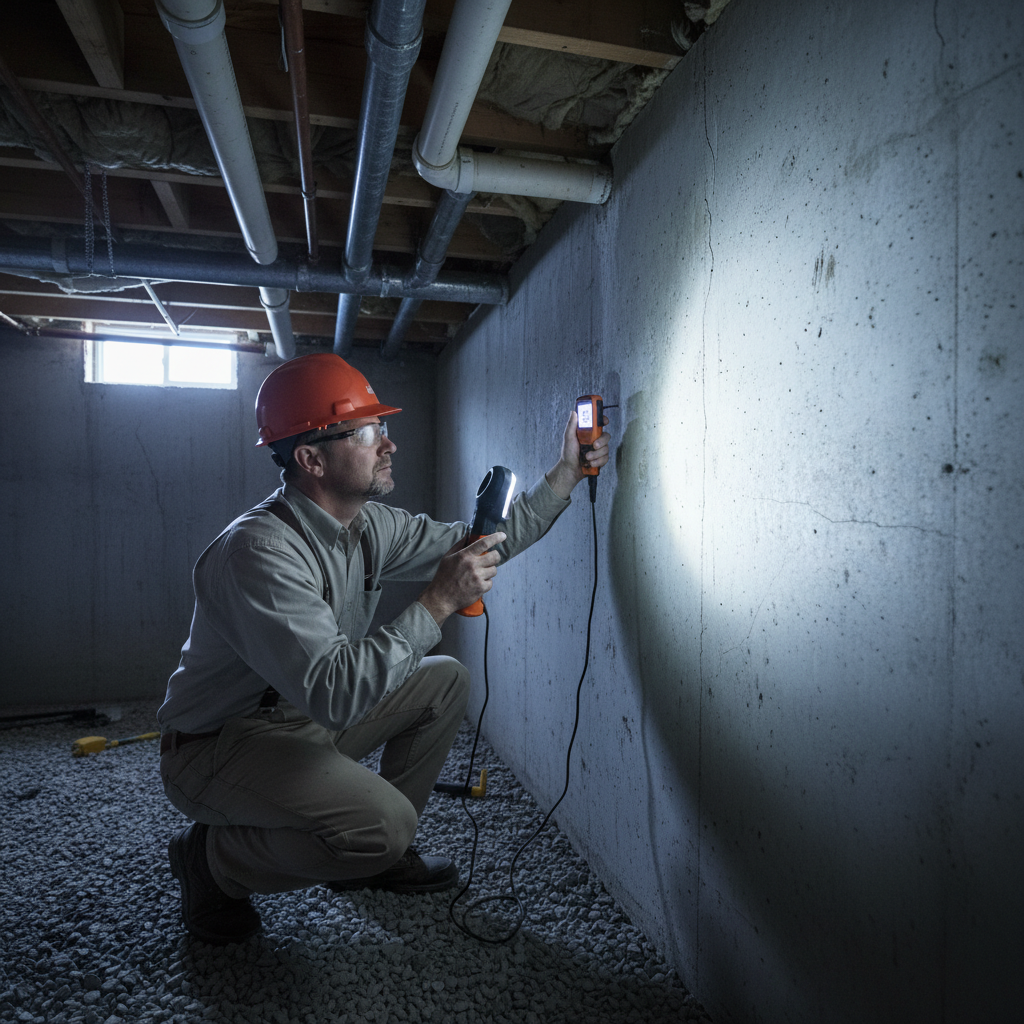
- Foundation seepage traced to downspouts: Two downspouts discharged near a foundation corner. Extensions and minor regrading reduced basement humidity and eliminated recurring efflorescence.
- Panel labeling and GFCI/AFCI: Mislabeled circuits and missing protection near sinks were flagged. A licensed electrician updated labeling and installed the appropriate devices prior to close.
- End‑of‑life HVAC planning: A 17‑year‑old furnace with inconsistent maintenance showed wear. We flagged near‑term replacement planning and recommended tune‑up documentation for the file.
- Commercial storefront roof drains: Debris at scuppers led to ponding and ceiling stains. A routine cleaning schedule eliminated the issue.
Patterns repeat: moisture control and safety devices lead the list. When those are handled, many “mystery” issues fade, from musty odors to peeling interior paint at exterior walls.
Frequently Asked Questions
Here are clear answers to common questions about scope, attendance, timing, and limits. Use these to set expectations and plan your next step with confidence.
What does a certified home inspection include?
It’s a visual evaluation of accessible systems—roof and attic, exterior and structure, electrical, plumbing, HVAC, interiors, and basement/crawl. We test representative outlets and fixtures, document safety concerns and material defects, and deliver a photo‑rich PDF with prioritized recommendations.
Should I attend the inspection?
Yes. Join for the final walkthrough to see major findings in person. You can ask questions, confirm priorities, and get maintenance tips that are harder to convey on paper alone. That short visit pays off for months.
How quickly will I receive the report?
In most cases, you’ll receive a same‑day PDF with annotated photos and a clear summary. That speed supports negotiation timelines and keeps closings on track without guesswork.
What are the limits of an inspection?
Inspections are non‑invasive and based on what’s accessible and safe to operate. We don’t open walls or dismantle equipment. If conditions prevent testing, we explain why and recommend the right specialist or follow‑up step.
How do certified home inspections help with negotiation?
A standardized, photo‑driven report clarifies severity and next steps. That structure helps parties agree on repairs, credits, or schedules. It turns opinions into a shared action plan everyone can follow.
Conclusion, Key Takeaways, and Next Steps
Certified home inspections transform uncertainty into a prioritized plan. With credentialed methods, clear photos, and same‑day reporting, you can separate safety, repairs, and watch items—then move forward with confidence, whether you’re buying, listing, investing, or scheduling annual maintenance.
- Key takeaways: moisture control, electrical safety, and ventilation drive most outcomes.
- Use the PDF’s categories—Safety, Repair, Monitor—to organize bids and timelines.
- Schedule seasonal checks for roofs, attics, and drainage before extreme weather.
- Leverage due‑diligence frameworks alongside your inspection to keep documents organized; see this concise property due diligence checklist.
Ready to move? Book a certified home inspection with ASM Home & Commercial Inspection. We serve Suite 2000 and GTA communities with InterNACHI/CCPIA standards and same‑day PDF reporting that supports clear decisions.