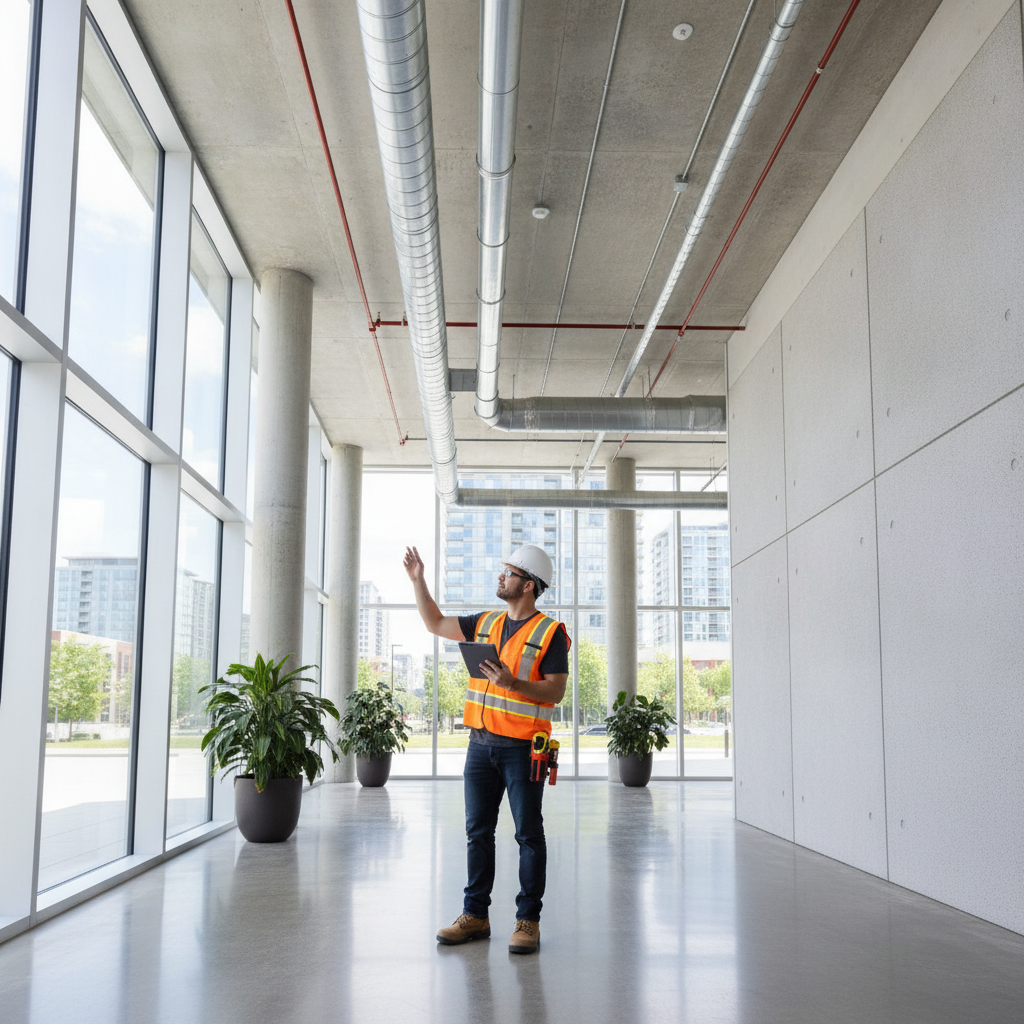
Building inspection is a systematic evaluation of a property’s structure and major systems by a certified inspector. It identifies safety hazards, moisture intrusion, and maintenance issues before they escalate. In Suite 2000, ASM Home & Commercial Inspection delivers building inspections with same-day PDF reports so buyers, owners, and managers can act with confidence.
By Asmhomeinspection • Last updated: 2026-06-26
Above the Fold: Why This Guide Matters + Table of Contents
This guide explains building inspection from definition to delivery. You’ll learn what’s included, why it protects your investment, how the process works, and how to act on the report. Use the checklist, timelines, and examples to move fast—without missing critical safety or moisture issues.
Here’s the thing: whether you’re purchasing, listing, managing, or leasing, a thorough building inspection limits risk and improves decisions. We wrote this for GTA homeowners, investors, and facility teams who need accurate findings and same-day documentation.
- What you’ll learn: scope, methods, timelines, and best practices.
- Who it’s for: homebuyers/sellers, landlords/tenants, and commercial owners/managers.
- Deliverables: a practical checklist, preparation steps, and action plan templates.
Table of Contents
- Quick Summary
- What Is a Building Inspection?
- Why Building Inspection Matters
- How a Professional Inspection Works
- Types, Methods, and Approaches
- Best Practices for Owners, Buyers, and Managers
- Tools and Resources Inspectors Use
- Case Studies and Real-World Examples
- Building Inspection FAQ
- Related Articles and Resources
- Key Takeaways
- Conclusion and Next Steps
Quick Summary
A building inspection assesses a property’s structure, roof, attic, foundation, plumbing, electrical, and HVAC to flag risks early. Expect a visual, non-invasive review, clear photos, and a same-day PDF report from a certified pro. The result: fewer surprises, stronger negotiations, and a prioritized repair plan.
- Scope covers safety, moisture intrusion, and maintenance risks.
- Most single-family inspections take about 2–4 hours, depending on size and access.
- Same-day reporting supports time-sensitive decisions in Suite 2000’s fast market.
Local considerations for Suite 2000
- Seasonal swings can stress roofs and attic ventilation; plan inspections before peak heat or deep cold.
- Moisture from snowmelt and summer humidity makes attic and basement checks essential.
- High transaction velocity demands rapid reporting; schedule with a provider offering same-day PDFs.
What Is a Building Inspection?
A building inspection is a professional, non-invasive evaluation of a property’s visible and accessible components. Inspectors review structure, roof, attic, foundation, plumbing, electrical, and HVAC, documenting defects and safety issues. You receive a photo-rich, plain-English report with prioritized recommendations for repair and maintenance.
At ASM Home & Commercial Inspection, an InterNACHI and CCPIA certified inspector examines each major system and documents conditions with annotated photos. The same-day PDF helps buyers, sellers, investors, and property managers act decisively. For rental move-ins, it also creates a fair, time-stamped record of unit condition.
- Scope: roof and attic, exterior, structure/foundation, interiors, plumbing, electrical, HVAC.
- Method: visual, non-destructive; specialized tools (e.g., moisture meters, infrared) when indicated.
- Deliverables: same-day PDF, risk ratings, maintenance tips, and repair priorities.
- Use cases: pre-purchase, pre-listing, new construction, move-in, and annual maintenance.
Why it matters now: hidden moisture, aging HVAC, or overloaded panels can surface within weeks of a purchase or lease. A thorough inspection reduces the chance of immediate surprises and clarifies which items truly deserve attention in the first 30, 60, and 180 days.
Why Building Inspection Matters
Inspections reduce risk, strengthen negotiations, and protect occupants. Early detection of moisture, structural movement, or unsafe wiring prevents emergencies and unexpected downtime. In transactions, a credible third-party report clarifies scope and timelines so both sides can resolve issues quickly and fairly.
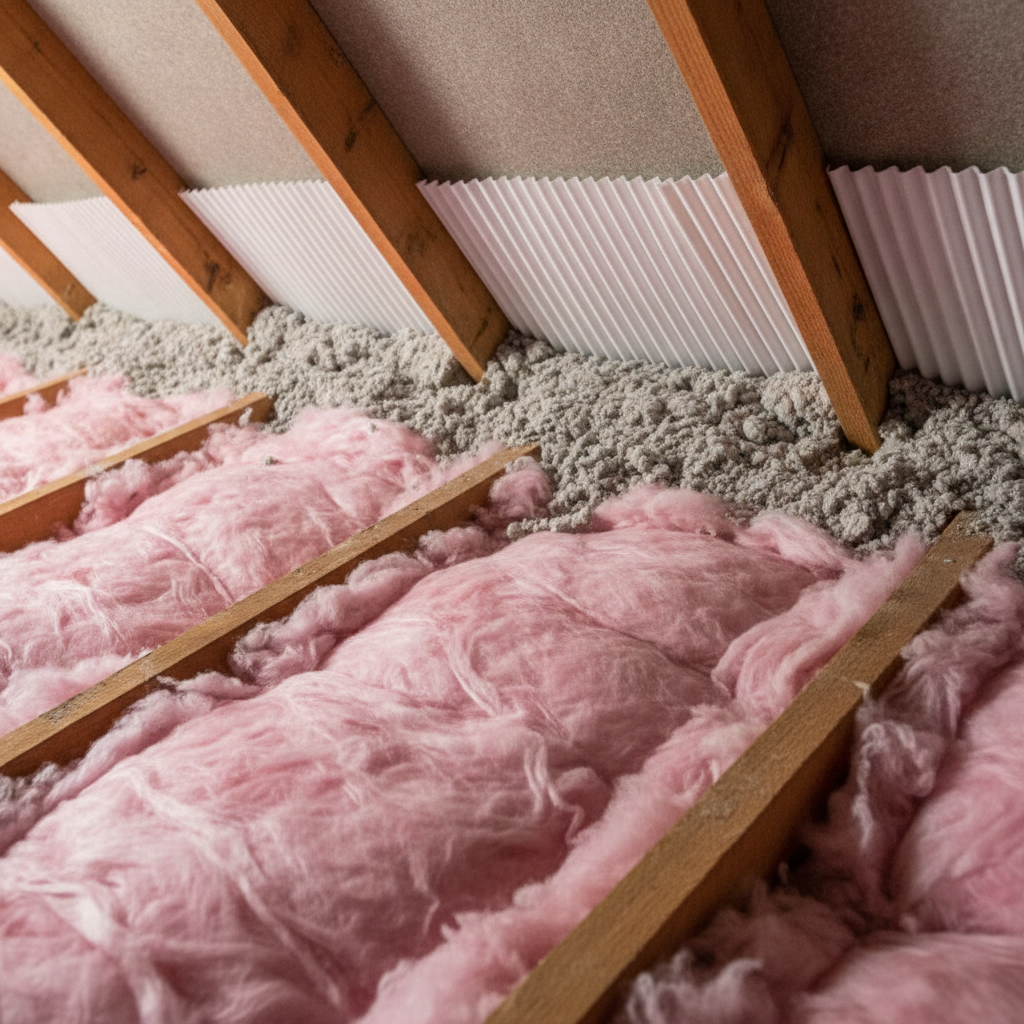
Moisture intrusion is a common trigger for structural damage and poor indoor air quality. We routinely find missing attic baffles, blocked soffits, or under-insulated bays that trap humidity. Correcting those items can stabilize interior relative humidity (often to the 30–50% range) and limit mold-friendly conditions.
- Safety first: verify grounding/bonding, GFCI/AFCI protection, handrails, and combustion venting.
- Budget clarity: group items into immediate (safety/moisture), near-term (1–6 months), and long-term.
- Deal strength: objective findings can support concessions, credits, or repair agreements.
For multi-unit or portfolio owners, standardized, photo-documented findings allow apples-to-apples comparisons. Teams can track roof age (often 15–25 years for asphalt shingles), HVAC life (typically 10–20 years), and plumbing condition across buildings to plan replacements before failure.
How a Professional Inspection Works
Professional inspections follow a repeatable workflow: pre-brief, exterior and roof review, interior and mechanicals, documentation, and same-day reporting. Certified inspectors use checklists and tools to capture conditions consistently, then translate findings into a prioritized action plan for owners and buyers.
- Schedule and pre-brief: define goals (pre-purchase, pre-listing, annual) and note known issues.
- Exterior and roof: inspect grading, drainage, siding, shingles, flashing, gutters/downspouts.
- Attic and structure: evaluate ventilation, insulation, framing, and signs of past leaks.
- Interiors: test windows/doors, stairs/railings, walls/floors/ceilings.
- Plumbing/electrical/HVAC: assess visible piping, fixtures, panels, receptacles, furnace, AC.
- Documentation: photos, notes, and recommendations organized by priority.
- Same-day PDF report: delivered for rapid decisions, with clear next steps.
Most single-dwelling inspections take a few hours. Larger commercial properties often require more time due to additional systems, accessibility constraints, and broader documentation. Either way, the goal is identical: a dependable, decision-ready report the same day.
Types, Methods, and Approaches
Residential and commercial inspections address similar components but differ in scale, systems, and documentation. Approaches vary by objective—pre-purchase, pre-listing, new construction, move-in, or annual maintenance—so the report aligns with negotiations, warranty checks, or long-term planning.
Residential vs. Commercial at a Glance
| Aspect | Residential Inspection | Commercial Inspection |
|---|---|---|
| Systems | Roof, attic, foundation, plumbing, electrical, HVAC | All residential items plus larger HVAC, life safety, accessibility |
| Complexity | Single dwelling, typical utilities | Multi-tenant, specialized equipment, broader references |
| Documentation | Photo-rich PDF, prioritized list | Expanded narrative, portfolio planning insights |
| Use cases | Pre-purchase, pre-listing, annual | Acquisition due diligence, lease turnover, recurring maintenance |
- Pre-purchase: understand true condition before closing; negotiate repairs or credits.
- Pre-listing: fix issues proactively to boost buyer confidence and shorten days on market.
- New construction: verify workmanship and safety before handover and at milestones.
- Move-in (rentals): document unit condition for fair deposits and turnover expectations.
- Annual maintenance: monitor aging systems to reduce downtime and extend useful life.
ASM’s dual certification (InterNACHI for homes, CCPIA for commercial) ensures the scope fits each property type—from houses to offices, restaurants, industrial spaces, and schools. That breadth matters when your Suite 2000 portfolio spans mixed uses and vintages.
Best Practices for Owners, Buyers, and Managers
The best inspection outcomes come from preparation: ensure access, gather documents, and attend the walkthrough. Use the report as a project plan, tackling safety first, then moisture, then life-cycle replacements. Re-inspect after repairs to confirm completion and preserve records.
- Before the visit: unlock all rooms, clear attic access, and label electrical panels.
- During: attend the last 30–45 minutes to review priority items on-site.
- After: group fixes into immediate (safety/moisture), near-term (1–6 months), and long-term.
- Documentation: save PDFs and contractor receipts to support resale and warranty claims.
- Portfolio tip: standardize naming (e.g., “Roof-2026-Q2”) to compare properties quickly.
Pro move: track humidity in attics and basements during seasonal swings. Consistent monitoring can reveal ventilation or drainage problems weeks before stains or odors appear. Addressing root causes early is far cheaper than repairing damaged finishes later.
Tools and Resources Inspectors Use
Inspectors rely on versatile tools to see what the eye can miss: moisture meters, thermal cameras, voltage testers, ladder systems, and borescopes. Combined with a methodical checklist, these tools reveal hidden leaks, insulation gaps, and electrical faults without invasive demolition.
- Moisture meters/IR: trace dampness behind finishes; validate attic ventilation problems.
- Electrical testers: verify GFCI/AFCI function and outlet grounding.
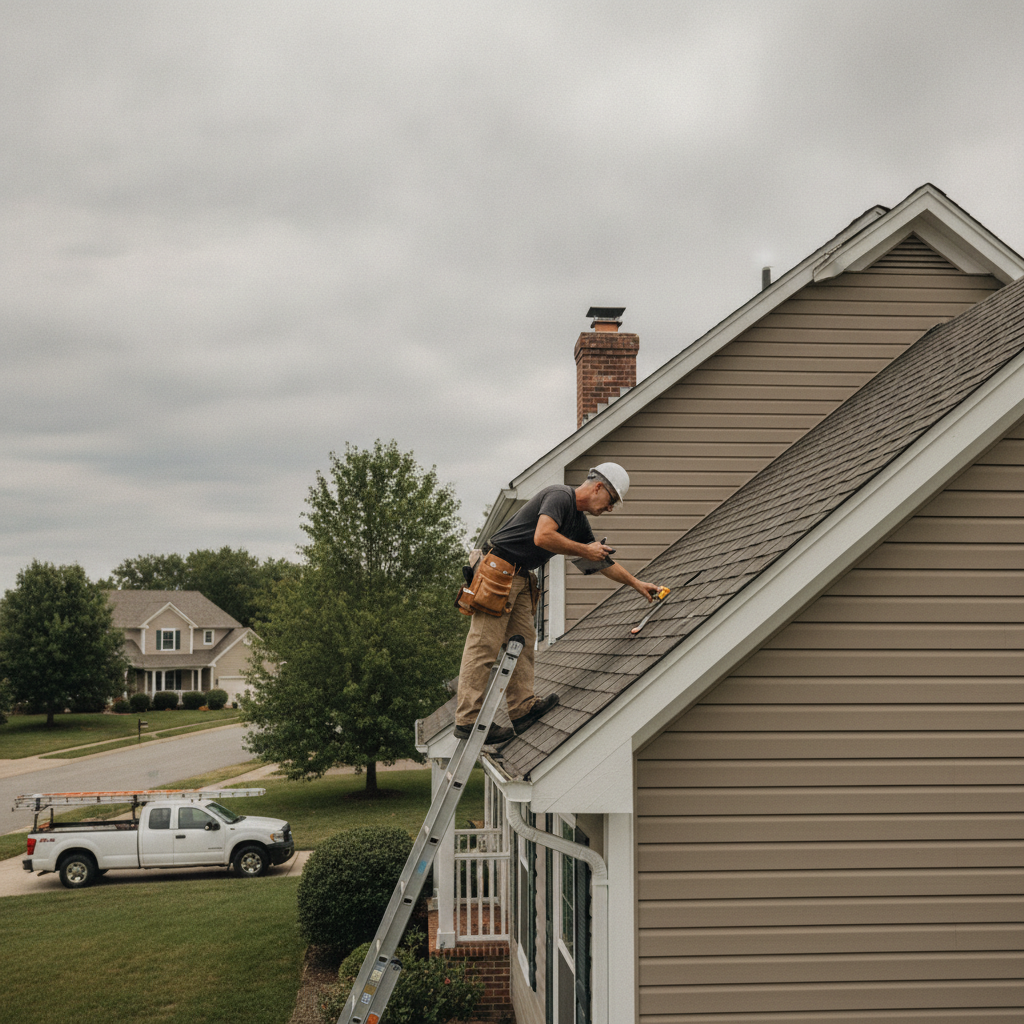
- Ladders and safety: enable safe roof access when conditions permit.
- Checklists/templates: standardize observations and risk ratings for clear decisions.
Paired with clear photos and plain-language summaries, these instruments turn observations into actionable steps you can prioritize and schedule in logical phases.
Explore an external perspective on electrical review basics in this concise electrical inspection guide to understand why GFCI/AFCI checks matter during a comprehensive building inspection.
Case Studies and Real-World Examples
Real cases show the value: targeted inspections uncover hidden moisture, prevent roof leaks, and flag overloaded panels before they fail. Same-day, photo-documented reports turn those findings into an action list owners can execute without delay.
- Mixed-use retrofit: attic baffles missing over several bays; added ventilation reduced humidity spikes during summer swings.
- Retail roof leak: flashing gap identified near a vent; prompt repair avoided interior damage and business disruption.
- Overloaded panel: double-tapped breakers and loose neutrals corrected to improve safety and reliability.
- New construction punch-out: reversed polarity outlets and missing handrail returns corrected before occupancy.
- Rental move-in: pre-occupancy photos documented existing wall/trim wear for fair deposit handling.
Move-in documentation matters. For another perspective on unit condition checklists, review this practical article on inspecting a unit before turnover. While not specific to every jurisdiction, it reinforces the benefit of structured, photo-backed records.
Need Same-Day Clarity?
Book a certified inspection and receive a same-day PDF report. You’ll leave the walkthrough with clear priorities and photos so you can negotiate, plan repairs, and protect occupants without delay.
Schedule your visit with ASM Home & Commercial Inspection. Our InterNACHI and CCPIA certifications cover both residential and commercial properties across the GTA, with particular attention to moisture risks, attic ventilation, and major system safety.
Related Articles and Resources
Understanding adjacent inspection topics strengthens your decisions. Explore electrical safety basics, due diligence checklists, and move-in documentation frameworks. The more organized your records, the faster you can resolve issues and keep negotiations focused on facts.
- Electrical safety checklists and outlet/GFCI testing fundamentals.
- Acquisition due diligence frameworks for real estate decisions.
- Move-in/move-out documentation practices to protect deposits and relationships.
- Attic inspection tips to improve ventilation and energy efficiency.
- Annual maintenance playbooks for roofs, HVAC, and plumbing systems.
For a legal perspective on documentation, see this real estate due diligence checklist that underscores organizing findings and records during acquisitions.
Building Inspection FAQ
These concise answers address the questions we hear most. They cover scope, timing, attendance, limitations, and how findings translate into action. Use them to plan your visit and make the most of your same-day PDF report.
What does a standard inspection include?
Most include structure, roof and attic, plumbing, electrical, HVAC, exteriors, and interiors. Inspectors document defects, safety issues, and maintenance items with photos and a prioritized summary for clear next steps.
How long does a building inspection take?
Time varies by size and access. Many homes are reviewed in a few hours. Large commercial properties can take longer due to additional systems and documentation requirements.
Should I attend the inspection?
Yes—plan to join for the final walkthrough. Seeing issues in person helps you understand context, ask questions, and align on priorities before the same-day report arrives.
Do inspectors open walls or move heavy items?
No. Building inspections are visual and non-invasive. Inspectors won’t dismantle finishes or move large furniture. When needed, they may recommend further evaluation by a licensed specialist.
Key Takeaways
Treat the inspection as your project plan kickoff. Prepare access, attend the walkthrough, and use the same-day PDF to sequence work by risk. Re-inspect to confirm completion and keep documentation current for future listings or audits.
- Building inspection is non-invasive and comprehensive across major systems.
- Moisture control and electrical safety often top the priority list.
- Same-day, photo-rich PDFs enable negotiations and quick scheduling.
- Annual maintenance inspections reveal trends and prevent emergencies.
- Certified expertise (InterNACHI/CCPIA) ensures methodical, credible results.
Conclusion and Next Steps
Book a certified building inspection before you commit. Use the same-day PDF to negotiate smartly, plan repairs by priority, and reduce risk. In Suite 2000, a thorough, documented evaluation helps you act fast—and avoid costly surprises later.
- Schedule your inspection aligned to your goal: pre-purchase, pre-listing, new construction, move-in, or annual maintenance.
- Prepare access, gather paperwork, and attend the walkthrough.
- Execute safety and moisture fixes first; re-inspect to confirm completion.
Ready to move forward? Book with ASM Home & Commercial Inspection and get a same-day PDF report you can rely on. Our team serves Suite 2000 and the surrounding GTA with residential and commercial expertise—roof to foundation, attic to HVAC.