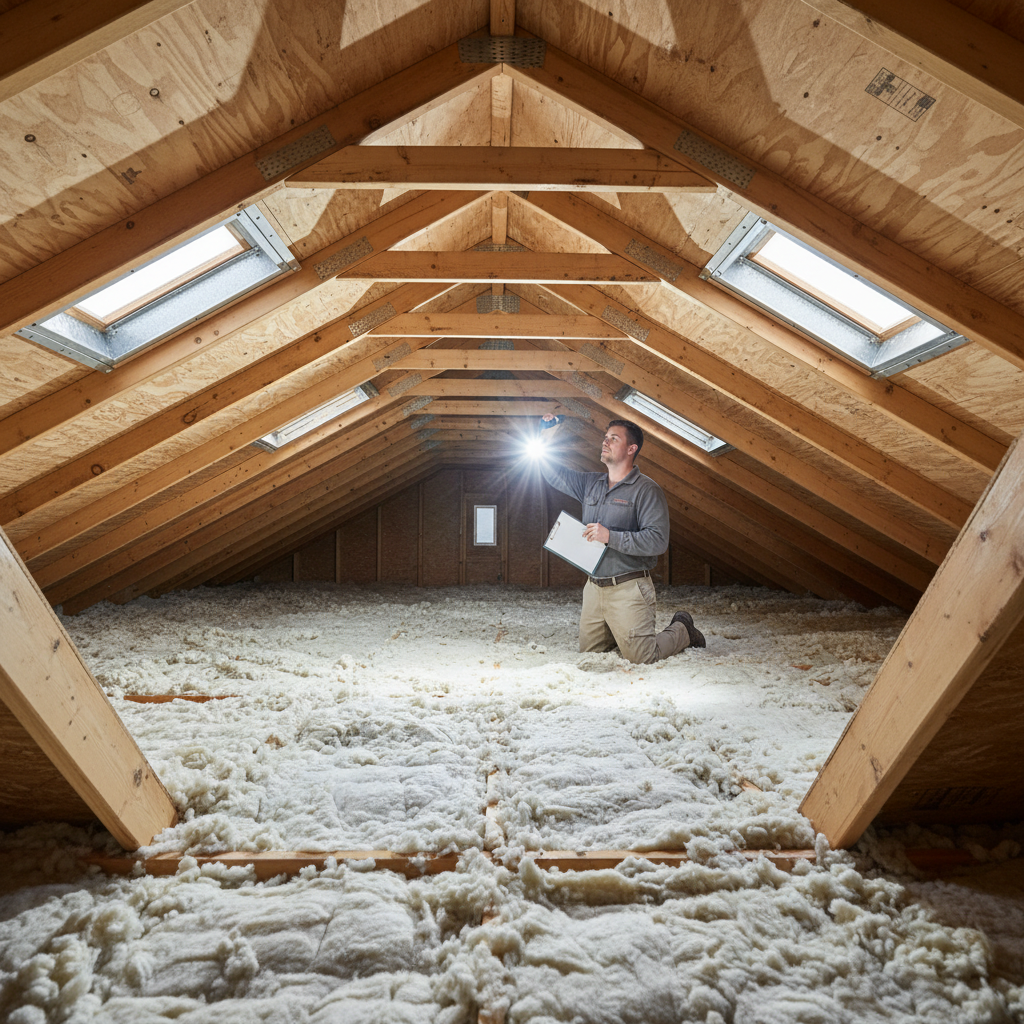
Attic inspection cost refers to the factors that determine the fee for a professional to evaluate your attic’s structure, insulation, ventilation, moisture, and safety. In Suite 2000, Toronto (ON), ASM Home & Commercial Inspection performs certified attic assessments with same-day PDF reporting so you can act fast and avoid add-on charges later.
By Asmhomeinspection · Last updated: 2026-06-04
At a Glance: Attic Inspection Cost Factors
Attic inspection cost is shaped by scope, access difficulty, attic size, add-on tests (like moisture or infrared), and documentation needs. Quotes also reflect inspector credentials, travel logistics, and report depth. Define scope up front and confirm inclusions to avoid surprise fees on inspection day.
Homeowners often ask what truly drives attic inspection pricing. The short answer: scope, conditions, and clarity. Aligning these three avoids extras, delays, and repeat visits.
- Scope and depth: Visual-only vs. moisture testing, infrared scanning, ventilation diagnostics, and pest/mold screening.
- Access and safety: Tight hatches, low clearances, active wiring, or loose sheathing increase time and personal protective equipment (PPE) needs.
- Size and complexity: Larger or multi-section attics (cathedral, knee walls, dormers) require more time to inspect.
- Documentation level: Same-day PDF with annotated photos vs. basic checklist; summary vs. full narrative.
- Add-ons: Insulation depth measurements, ventilation ratio assessment, thermal imaging, and moisture mapping.
- Scheduling and logistics: Rush requests, off-hours, and multi-property itineraries can impact quotes.
- Certification and experience: InterNACHI/CCPIA-trained inspectors bring standardized methods and defensible reporting.
Here’s the thing—clear expectations change everything. When we define the scope and deliverables up front, you get a focused inspection and a report that answers your questions the first time.
What Is an Attic Inspection?
An attic inspection is a systematic evaluation of your attic’s structure, insulation, ventilation, moisture risks, and visible electrical/mechanical components. Inspectors document defects, safety issues, and maintenance needs, then provide a report with photos and recommendations you can act on immediately.
An attic isn’t just storage space. It’s a key part of your home’s building envelope and a common source of hidden issues that drive energy loss, mold, and roof damage.
- Structure: Trusses/rafters, roof sheathing, fasteners, and signs of movement or sag.
- Insulation: Type (fiberglass, cellulose, mineral wool, spray foam), depth, distribution, and compression.
- Ventilation: Intake (soffit) and exhaust (ridge/gable) balance; baffles; blocked vents; air pathways.
- Moisture: Stains, frost lines, musty odors, and active leaks around penetrations and valleys.
- Electrical and HVAC: Exposed wiring, junction boxes, bath fan ducting, and flue clearances (visible areas only).
- Pests and biological growth: Rodent trails, droppings, nesting, and suspicious discoloration areas.
In our experience, small attic issues become big roof or indoor air problems if ignored. A targeted attic inspection catches early signs and explains next steps plainly.
Why Attic Inspections Matter
Attic inspections reduce energy loss, prevent roof deterioration, and limit moisture-related damage. They also reveal safety issues like overheated wiring or inadequate venting. Addressing findings early improves comfort and helps protect your home’s value over time.
Why does this matter now? Because heat, humidity, and air movement meet in the attic. That’s where hidden inefficiencies—and risks—tend to show first.
- Energy and comfort: Insulation gaps and air leaks create temperature swings and higher energy usage.
- Roof longevity: Poor ventilation accelerates shingle aging and encourages ice dams in cold weather.
- Moisture and health: Persistent dampness promotes structural decay and unhealthy indoor air.
- Safety: Unprotected splices, overheated fixtures, and unsecured bath fan ducts are common red flags.
- Resale confidence: A clean, documented attic strengthens negotiations and buyer confidence.
We’ve found that homeowners who tackle attic items promptly tend to avoid bigger roofing projects later. It’s a classic “pay attention now, save headaches later” scenario.
How an Attic Inspection Works
A professional inspector confirms access and safety, documents conditions with photos, and evaluates structure, insulation, ventilation, and moisture indicators. Findings are explained in a same-day PDF report with prioritized recommendations and clear next steps.
Here’s how we structure the process so you know exactly what to expect from start to finish.
- Scope call: Confirm goals, add-ons (e.g., moisture mapping), and report expectations.
- Site readiness: Ensure a clear path to the attic hatch; remove fragile items below.
- Safety setup: PPE, stable ladder, lighting, and spotter when needed.
- Documentation: Photos of each zone; notes on structure, insulation, ventilation, and penetrations.
- Targeted testing: Moisture meter readings at stains; infrared scan for temperature anomalies; check airflow at vents.
- Systems review: Visible wiring, junction boxes, bath/kitchen fans, chimneys/flues, and ducting terminations.
- Wrap-up: Verbal summary; plain-language next steps for maintenance or specialist follow-up.
- Same-day report: PDF delivered with photos, ratings, and prioritized recommendations.
Most homes benefit from a visual inspection plus a few targeted tests. We tailor add-ons to your goals so the deliverable matches the decision you need to make.

Attic Inspection Pricing Factors (No Surprises)
The biggest attic inspection cost drivers are scope, access difficulty, attic size, and optional diagnostics (moisture or thermal). Quotes also reflect certification level and report depth. Confirm inclusions and exclusions in writing to avoid change orders.
Think in terms of “base scope + add-ons.” You’ll never chase the details if they’re listed up front.
- Base scope: Visual review of structure, insulation, ventilation, and accessible electrical/mechanical items.
- Access conditions: Tall ceilings, fragile finishes, or clutter may extend setup and cleanup time.
- Size/complexity: Larger footprints, vaulted areas, and multiple attics increase documentation time.
- Optional diagnostics: Moisture mapping, thermal imaging, ventilation ratio analysis, or pest/mold screening.
- Deliverable level: Same-day PDF with photo annotations vs. a short checklist summary.
- Scheduling factors: Weekend, evening, or rush appointments can have different logistics.
- Multi-service savings: Combining an attic review with a full home inspection reduces duplication of travel and setup.
Define what matters most to you—speed, depth, or both. We align scope to your priorities so you don’t pay for work you don’t need or miss insights you do.
Types and Methods Inspectors Use
Inspectors combine visual examination with targeted tools: moisture meters, thermal cameras, airflow checks, and insulation measurements. Method choice matches your goals—energy performance, leak detection, ventilation balance, or pre-listing due diligence.
Different homes need different methods. We select tools that answer the exact question you’re trying to solve.
- Visual survey: Overall condition, staining patterns, and installation quality.
- Moisture testing: Pin/pinless meters at stains, valleys, and bath fan terminations.
- Infrared thermography: Temperature patterns that suggest missing insulation or active leaks.
- Ventilation assessment: Intake/exhaust balance, baffles, blocked soffits, and airflow observations.
- Insulation verification: Type and depth measurements; distribution across bays and around penetrations.
- Pest and biological screening: Visual signs of activity and areas needing specialized testing.
- Electrical/HVAC spot-checks: Visible junction boxes, recessed lights, and duct terminations (non-invasive).
When findings point to specialized work, we explain why and what to request from the appropriate trade, ensuring you have a clear path forward.
Best Practices to Prepare and Save Time
Clear the access area, verify the hatch opens freely, and note any leak history or seasonal patterns. Mark priority concerns. These steps speed the visit, reduce risks, and help you get a precise, no-surprises deliverable.
Preparation keeps your home safe and the inspection efficient. A few small steps go a long way.
- Clear the path: Move furniture and valuables away from the hatch area; provide a stable floor surface.
- Confirm access: Ensure the hatch isn’t painted shut; know where it is; provide ladder clearance.
- Share history: Mention past leaks, ice dams, musty odors, or seasonal changes you’ve observed.
- Note priorities: Selling soon? Focus on buyer concerns. Comfort issues? Prioritize insulation/air sealing.
- Pets and family: Keep pets secure; plan around nap times to reduce disruption.
- Lighting and power: A nearby outlet is helpful for lights or diagnostic tools.
Local considerations for Suite 2000
- Cold-season humidity swings in Toronto mean attics can show frost lines; track indoor humidity during winter and share observations.
- Spring thaw and heavy rains stress roof penetrations; schedule inspections after major weather to catch fresh indicators.
- During peak move-in periods, booking early helps align the attic review with broader home inspection services so reporting stays consolidated.
Want a simple prep checklist? Midway through the article you’ll find a short, downloadable-style list to copy into your notes app. It covers everything you need to stage the access area and speed up documentation.

Tools and Resources We Use
We pair InterNACHI/CCPIA methodology with practical tools: bright lighting, moisture meters, thermal cameras, depth gauges, and safe ladders. The result is a documented, defensible report that prioritizes fixes by risk and effort.
Having the right tools—and the discipline to use them consistently—keeps findings reliable and repeatable.
- Lighting: High-lumen task lights to illuminate truss bays and penetrations.
- Moisture meters: Pin and pinless for different substrates and finish sensitivities.
- Infrared camera: Helps visualize temperature differences that suggest missing insulation or moisture.
- Depth gauge or ruler: Confirms insulation levels across representative locations.
- Inspection camera: Extends visibility into tight or obstructed areas.
- PPE: Respirator, gloves, and eye protection to manage dust and particulates.
For a general overview of electrical safety considerations during property evaluations, this practical electrical inspection guide outlines common checkpoints. It pairs well with our attic approach when wiring is visible above ceilings.
Mini Case Insights from GTA Projects
Attic conditions vary, but patterns repeat: ventilation blockages, insulation gaps, and unsealed bath fan ducts are common. Timely fixes cut energy loss and reduce moisture risk. These brief scenarios show how a focused inspection drives clear next steps.
Every home tells a story. Here are three short, anonymized examples from real inspections.
- Energy upgrade, detached home: A homeowner reported uneven temperatures. We found missing insulation around recessed lights and blocked soffits. After targeted air sealing and baffle installation, seasonal comfort stabilized and the HVAC cycled less often.
- Leak tracing, semi-detached: Brown ceiling stains appeared after wind-driven rain. Thermal imaging and moisture readings pinpointed an underflashed vent boot. A roofing repair plus duct resealing stopped the recurring stain.
- Pre-listing clarity, townhouse: The seller wanted to avoid renegotiations. Inspection documented minor sheathing discoloration at an old leak, now dry, with photos and meter readings. The buyer moved forward confidently.
We prioritize actions by risk and effort so you know what to tackle now and what to monitor over time.
Scope vs. Add-Ons Comparison
Base attic inspections document structure, insulation, and ventilation. Add-ons like moisture mapping and infrared scanning deepen insight. Use this comparison to decide which options align with your goals before requesting a quote.
| Item | What It Covers | When to Choose It | Deliverable Impact |
|---|---|---|---|
| Base visual scope | Structure, insulation level, ventilation layout, visible wiring/ducts | Routine maintenance, annual checkups, general due diligence | Photo-documented summary with prioritized notes |
| Moisture mapping | Meter readings at stains, valleys, fan terminations, and suspicious areas | Active or recent leaks, winter frost, musty odors | Readings and photos identify locations to repair/monitor |
| Infrared scan | Thermal patterns that suggest missing insulation or hidden moisture | Comfort complaints, inconsistent utility usage, pre-listing polish | Annotated images highlighting anomalies for follow-up |
| Ventilation balance check | Intake vs. exhaust review; blocked soffits; baffles; airflow observations | Ice dam history, shingle aging, hot attic in summer | Recommendations to improve airflow and roof life |
| Insulation verification | Type, depth, distribution; compression or gaps | Energy efficiency upgrades, comfort issues | Depth notes and upgrade options to discuss with contractors |
Pairing the right add-ons with your goals creates clarity and avoids paying for unnecessary extras. It also gives contractors the details they need to price improvements accurately.
Overview: Where Attic Inspection Value Comes From
Value comes from finding issues early, documenting them clearly, and prioritizing fixes. A strong report prevents guesswork, supports negotiations, and guides efficient repairs—often avoiding repeat visits and scope creep.
- Early detection: Leaks, blocked vents, and insulation gaps get worse if missed.
- Clear documentation: Same-day PDFs with photos speed decisions for buyers and sellers.
- Actionable priority: High-impact, low-effort wins first; longer-term items scheduled.
- Negotiation support: Pre-listing clarity reduces surprises late in a deal.
- Portfolio planning: For investors, normalized notes help compare properties quickly.
Want to bundle your attic review with a full inspection? Explore our home inspection services to keep reporting in one place.
How to Avoid Surprise Fees
Lock the scope, confirm add-ons, and request sample pages of the report. Ask about access, safety, and rescheduling policies. A clear written scope prevents change orders and ensures the inspector brings the right tools the first time.
- Define success: What decision will this report help you make within 24–48 hours?
- Scope in writing: List inclusions (e.g., moisture meter, IR scan) and exclusions.
- Review a sample: Request a sample page to align on detail level and photo style.
- Clarify logistics: Confirm access constraints and safe ladder setup area.
- Combine services: Pair attic review with a full inspection to streamline.
A good scope reads like a checklist. If a task isn’t on it, ask whether it should be—before inspection day.
When to Schedule an Attic Inspection
Schedule before listing, during due diligence, after major storms, or when comfort and humidity issues appear. Seasonal checks catch frost lines in winter and overheating in summer. Timing your review improves findings and speeds fixes.
- Pre-purchase: Include an attic review within your due diligence window.
- Pre-listing: Address minor items early to minimize buyer negotiation leverage.
- After storms: Wind-driven rain often reveals flashing and vent weaknesses.
- Seasonal cues: Winter frost or summer heat spikes point to ventilation/insulation issues.
Coordinating with your real estate timeline keeps stress low and outcomes predictable.
Thinking ahead? Book a consolidated inspection and get a same-day PDF you can share with contractors and agents. Start here: ASM Home & Commercial Inspection.
Helpful Guides for Broader Inspections
Attic findings often connect to electrical, ventilation, or moisture sources elsewhere. Pair your attic insights with broader property checklists to resolve root causes and avoid repeat issues.
For cross-referencing beyond the attic, the following general resources complement our approach:
- Broader process overview in this electrical panel replacement guide when aged service equipment appears during attic checks.
- Step-by-step context in an electrical inspection walk-through that pairs with visible attic wiring checks.
- High-level electrical inspection guidance you can use to frame follow-up with a licensed electrician.
Use your attic report to guide targeted, efficient fixes—no guesswork, no wasted trips.
Attic Inspection Cost and Process: FAQ
These FAQs explain scope, timing, and deliverables so you can plan an attic inspection without guesswork. We focus on value, not pricing, and outline how ASM’s certified process keeps reporting fast and clear.
What does an attic inspection include?
A typical attic inspection reviews structure, insulation, ventilation, and visible electrical/mechanical components. Inspectors document moisture indicators, pest signs, and safety risks with photos. Optional add-ons include moisture mapping, thermal imaging, and ventilation balance checks. You receive a same-day PDF with prioritized recommendations.
How do I prepare for the visit?
Clear the access area, verify the hatch opens, and remove fragile items below. Share any history of leaks, frost, or musty odors. Keep pets secure and ensure a nearby outlet is available for lighting or tools. These simple steps shorten the visit and improve documentation.
When should I schedule an attic inspection?
Schedule before listing, during due diligence on a purchase, after major storms, or when comfort and humidity issues appear. Seasonal timing helps: winter makes frost lines easier to spot; summer highlights overheating tied to ventilation. Aligning with your plans speeds decisions.
Do attic inspections cover mold testing?
Attic inspections can flag suspicious discoloration and moisture sources. If lab confirmation is needed, we’ll explain sampling options and when to involve a qualified remediation specialist. The report helps you decide next steps without overspending on unnecessary tests.
Can I combine an attic review with a full home inspection?
Yes. Bundling services reduces duplication of travel and setup, keeps reporting consolidated, and provides a clearer overall picture. Many clients pair attic reviews with pre-purchase, pre-listing, or annual maintenance inspections for efficient planning.
Conclusion and Next Steps
Define your scope, prepare access, and choose add-ons that match your goals. A documented attic review prevents surprise fees and speeds repairs. When you’re ready, schedule a certified inspection with same-day reporting to keep your timeline on track.
Key takeaways
- Attic inspection cost is driven by scope, access, size, add-ons, and report depth.
- Early detection in the attic prevents larger roof and interior issues later.
- Clear, photo-rich reports accelerate negotiations and contractor quotes.
- Seasonal timing reveals different clues—plan checks around weather patterns.
Ready to go? Book a certified attic review with same-day PDF delivery through ASM Home & Commercial Inspection. Prefer a consolidated visit? Ask us to bundle your attic assessment into a full home inspection in Suite 2000, Toronto (ON).