
An annual home maintenance inspection is a systematic, whole‑house review that identifies wear, safety concerns, and moisture risks before they become expensive repairs. Completed once a year, it documents the condition of major systems and guides preventive maintenance. For homeowners in Suite 2000, ASM Home & Commercial Inspection delivers same-day PDF reports to keep your property in top shape.
By Asmhomeinspection • Last updated: 2026-05-19
Overview
An annual home maintenance inspection is a proactive, yearly health check of your house. It evaluates structure, roof, plumbing, electrical, HVAC, and moisture risks, then summarizes findings in a report with prioritized actions. This guide explains what’s included, why it matters, how it’s performed, and how GTA homeowners can act on results.
Think of this as your homeowner operating manual—clear steps, plain language, and practical next moves. Use it to plan seasonal tasks, track aging components, and avoid surprise breakdowns.
- What an annual home maintenance inspection covers and doesn’t cover
- Why a yearly check prevents bigger failures and insurance headaches
- Step-by-step walkthrough of ASM’s process and reporting
- Seasonal best practices for GTA homes, plus tools and checklists
- Real-world examples drawn from local inspections across residential properties
For a certified, same-day inspection anywhere in the GTA, visit our inspection services hub.
What Is an Annual Home Maintenance Inspection?
An annual home maintenance inspection is a certified, top-to-bottom review performed once a year to document current condition, spot early failures, and recommend maintenance. Inspectors assess structure, roof, attic, basement, plumbing, electrical, and HVAC, then deliver a prioritized report so owners can plan fixes before problems escalate.
At its core, this inspection is preventive. Rather than wait for leaks, sparks, or failed equipment, you verify the health of key systems and act early. Most roofs last decades, yet small flashing gaps can admit water long before shingles wear out. Catching those weak points annually preserves service life.
- Scope: Structure/foundation, roof/attic, exterior envelope, interior finishes, plumbing, electrical, HVAC, and basic site drainage.
- Frequency: Yearly, with quick seasonal touchpoints for weather extremes.
- Output: A same-day PDF maintenance report with photos, notes, and prioritized actions.
- Owner value: Less emergency work, better budgeting, and stronger resale confidence.
We emphasize moisture because water is relentless. Even small, unseen intrusions can deteriorate framing, encourage mold, and undermine finishes. A focused annual home maintenance inspection finds those pathways early and documents solutions.
Why Annual Inspections Matter
Annual inspections reduce risk, protect value, and improve safety. By catching early signs of leaks, corrosion, or electrical wear, homeowners avoid disruptive failures and preserve system lifespans. The yearly report also builds a service record that supports insurance claims and future sale negotiations.
Here’s the thing: houses age every day. Fast weather swings, vibration, and moisture cycles loosen fasteners, crack sealants, and fatigue components. A yearly reset re-tightens your plan. It’s also practical documentation—useful when you sell or compare multiple properties.
- Fewer surprises: Leaks and slow drips often start months before stains appear.
- Safety first: Electrical hot spots, loose railings, or failed GFCIs are addressed early.
- Longer service life: HVAC and roof systems last longer with routine care and filter/flashings upkeep.
- Negotiation power: A maintained, paper-trailed home signals diligence to buyers.
Moisture is the most common trigger behind big-ticket repairs. In our experience across the GTA, small envelope gaps at decks, penetrations, and window trims are frequent culprits. Annual checks keep them from compounding into structural issues.
How an Annual Home Maintenance Inspection Works
The process includes a structured walkthrough, non-invasive testing, and clear documentation. We examine exterior, roof, attic, living areas, basement, plumbing, electrical, and HVAC, then issue a same-day PDF with photos and prioritized tasks. Homeowners leave with an action plan, not just a list of defects.
Our approach is systematic and repeatable so you can trend changes over time. Here’s how a typical annual home maintenance inspection flows:
- Kickoff & goals: We discuss concerns (drafts, noises, prior leaks), warranty status, and seasonal context.
- Exterior envelope: Siding, trim, caulking, gutters/downspouts, grading, and decks for wear or water paths.
- Roof & attic: Surface condition, flashings, vents; attic ventilation/insulation, visible sheathing, and moisture clues.
- Interior finishes: Walls, ceilings, flooring for settlement cracks, stains, or soft spots.
- Basement & structure: Foundation walls, columns, beams, sump, and signs of seepage or movement.
- Plumbing systems: Visible supply/drain lines, fixtures, water heater condition, and active leaks.
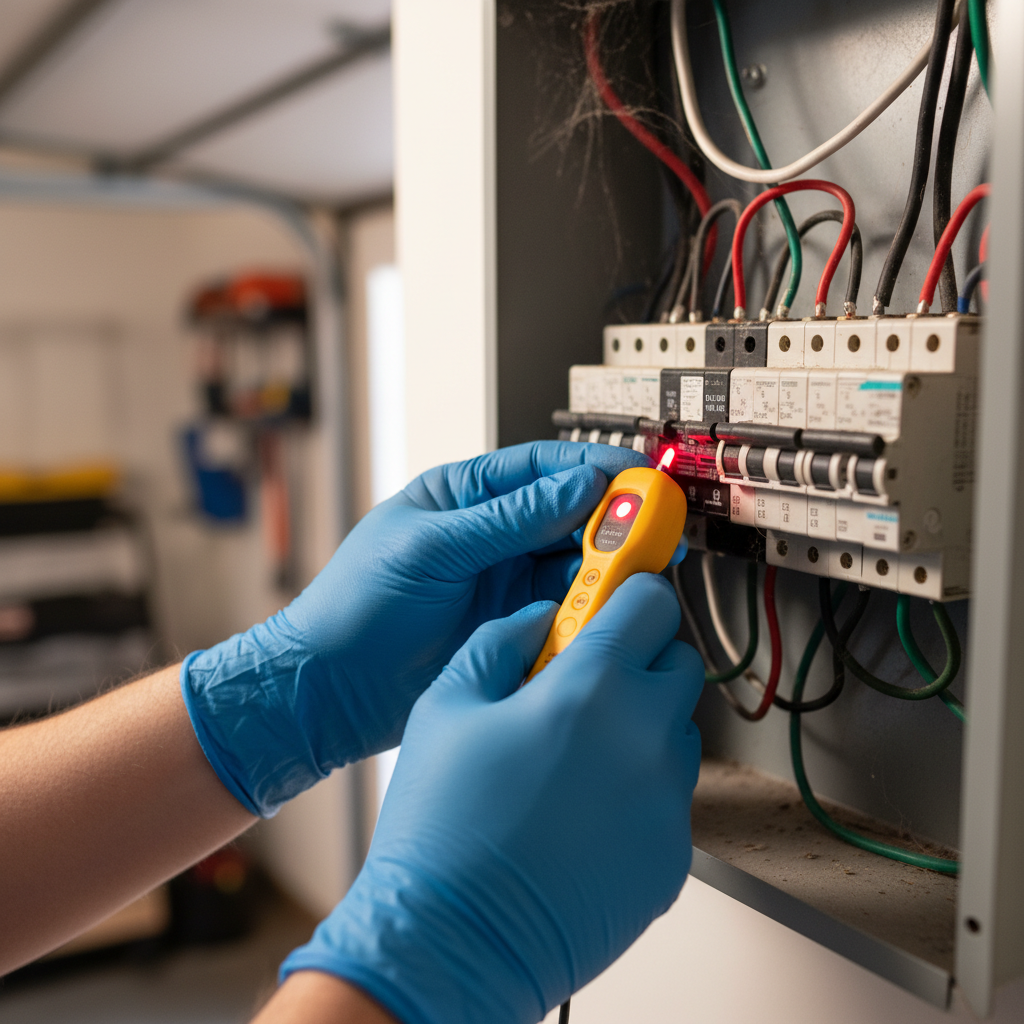
- Electrical systems: Main panel, representative outlets/switches, GFCI/AFCI devices, and fixture operation.
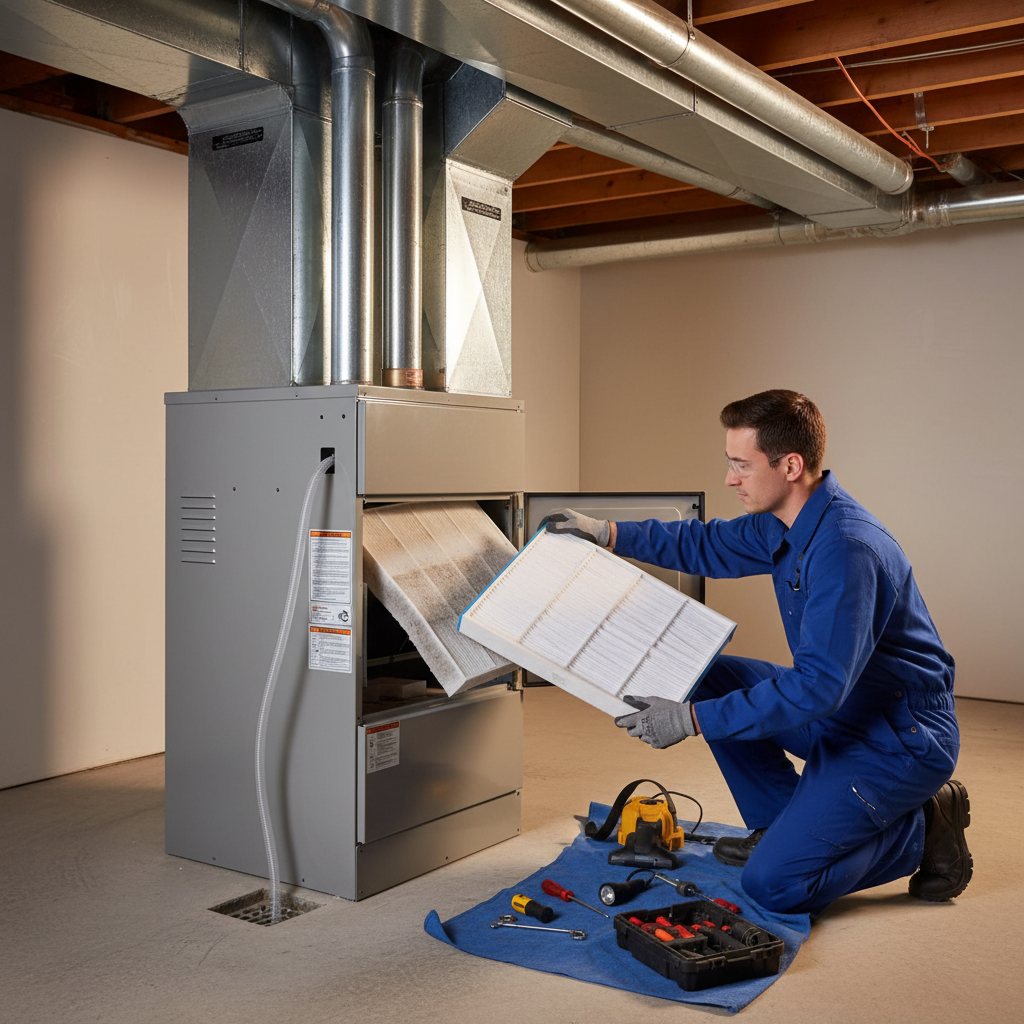
- HVAC: Furnace/air handler, A/C condenser (seasonal), filters, ductwork, and condensate drainage.
- Wrap-up: Same-day PDF report with photos, priorities (Safety/Repair/Maintenance/Monitor), and next steps.
| Area | What We Check | Common Findings | Typical Action |
|---|---|---|---|
| Roof | Shingles, flashings, vents | Lifted edges, cracked sealant | Seal, monitor, or schedule roofer |
| Attic | Ventilation, insulation, sheathing | Frosting, low insulation near eaves | Improve airflow, add insulation |
| Plumbing | Visible lines, fixtures, drains | Slow drains, weeping valves | Tighten/replace, clear traps |
| Electrical | Panel, outlets, GFCIs/AFCIs | Double taps, loose receptacles | Hire electrician to correct |
| HVAC | Furnace/air handler, filters | Dirty filters, condensate backup | Replace filter, clear line |
Tip: filter changes every 60–90 days maintain airflow and reduce strain on motors. A fresh MERV-rated filter is inexpensive protection for your system’s lifespan.
Exterior, Roof, and Attic focus
- Gutters & downspouts: Ensure clean, secure, and directed 5–10 feet away from the foundation.
- Roof flashings: Small gaps at chimneys, vents, and wall intersections are common leak points.
- Attic ventilation: Balanced intake/exhaust reduces condensation and ice-dam risk in cold snaps.
Small sealing and drainage improvements provide outsized payback by keeping bulk water off critical assemblies.
Plumbing and Electrical highlights
- Water heaters: Look for corrosion at fittings and a clean discharge route from the TPR valve.
- Supply lines: Flexible connectors should be kink-free; shutoff valves should operate smoothly.
- GFCI/AFCI protection: Test in kitchens, baths, laundry, exterior, and bedroom circuits for safety.
For seasonal plumbing pointers that match cold-weather risks, review these winter maintenance tips.
HVAC essentials
- Filters: Replace every 60–90 days (or per manufacturer guidance) for airflow and indoor air quality.
- Condensate management: Keep traps and lines clear to avoid water damage at the furnace or A/C coil.
- Combustion air & venting: Verify clearances and proper draft for safety and efficiency.
Even subtle airflow issues increase energy use and shorten equipment life. Routine checks preserve comfort and reliability year-round.
Free check-in: Have questions about a moisture stain or attic frost? Request a no-obligation call with our inspector through the Asmhomeinspection site. We’ll help you decide if a full annual home maintenance inspection is the right next step.
Types, Methods, and Approaches
Annual inspections can be standard full-home reviews, seasonal mini-checks, or targeted system assessments. The right approach depends on property age, renovation history, and recent issues. ASM tailors scope—roof-focused, moisture-focused, or HVAC-heavy—so your report aligns with your risks and goals.
Not every home needs the same depth each year. We calibrate scope based on what changed since your last report.
- Full annual review: Comprehensive walk-through of all major systems with prioritized maintenance roadmap.
- Seasonal touchpoints: Quick checks before winter and after spring melt to validate drainage and ventilation.
- Targeted assessments: Focused on one area (e.g., roof/attic after ice dams; plumbing after renovations).
- New construction annuals: Verifies workmanship, settling patterns, and warranty punch-list status.
- Moisture-focused paths: Adds thermal scanning and spot moisture readings where staining or musty odors appear.
Because we also perform pre-purchase, pre-listing, move-in, and commercial inspections, we can compare notes across contexts and give you relevant, real-world benchmarks for maintenance.
Best Practices for Your Annual Home Maintenance Inspection
Schedule your inspection at the same time each year, prep by listing concerns, and gather prior reports. Walk with the inspector, ask questions, and prioritize fixes within 30 days. Save the PDF and photos in one folder so you can compare year over year and prevent repeated issues.
Consistency beats intensity. A modest set of routine actions, tracked annually, outperforms sporadic heroics after a failure.
- Pick a season: Many owners prefer early fall (before freezing) or late spring (post-thaw).
- Prep a list: Note running toilets, flickering lights, drafty rooms—clues guide the focus.
- Be present: A 15-minute debrief saves hours later.
- Act fast: Tackle Safety and Repair items within 30 days; schedule Maintenance tasks within 60.
- Centralize records: Store PDFs/photos in a single, dated folder for easy comparison.
Local considerations for Suite 2000
- Freeze–thaw cycles can stress roof flashings and masonry. Confirm attic ventilation and seal exterior penetrations before deep cold.
- Spring snowmelt and heavy rain test grading and downspouts. Extend discharge away from the foundation and clear window wells.
- Humid summers raise condensation risk on cold water lines. Insulate exposed piping and monitor basements for musty odors.
If you want a walkthrough tailored to these conditions, book through our GTA inspection page.
Tools and Resources We Rely On
Inspectors use flashlights, ladders, electrical testers, moisture meters, and thermal imaging to spot early failures without destructive opening. Homeowners benefit from a basic toolkit—filters, caulk, GFCI tester, and a dehumidifier—plus a simple log to track dates and tasks over time.
Good tools make small problems visible. Moisture meters, for example, quickly validate whether a stain is active or historical.
- Inspection tools: Moisture meter, infrared camera, non-contact voltage tester, outlet tester, gas sniffer, hygrometer.
- Homeowner kit: Furnace filters, silicone/paintable caulk, plumber’s tape, gutter scoop, GFCI tester.
- Simple log: A one-page checklist with filter dates, battery changes, and completed tasks.
Cold-weather plumbing prep helps prevent burst lines and leaks. For a seasonal refresher, skim these preventive plumbing tips. If you’re compiling pro contacts, community directories like this service guide can help you organize vendors.
Case Studies and Examples
Annual inspections routinely prevent bigger problems. The following brief scenarios show how early findings—minor flashing gaps, slow seepage, or miswired outlets—became simple fixes instead of major repairs. Each example reflects patterns we see in GTA homes every season.
Attic frost turns into a ventilation win
A homeowner reported occasional attic frost after cold snaps. Our annual home maintenance inspection found blocked soffit vents and uneven insulation around the perimeter. After clearing intakes and topping up insulation, the attic stayed dry through the next winter—no more frost, no ceiling stains.
Slow basement seepage solved at the surface
A faint basement wall line pointed to periodic seepage. Gutters ended at short splash blocks and grading sloped toward the house. We extended downspouts, adjusted soil grading, and monitored with a hygrometer. The next heavy rain left the basement dry, confirming the fix.
Electrical safety catch
During a panel check, we identified a double-tapped breaker and a few loose receptacles. A licensed electrician corrected the issues the same week. The homeowner also added GFCI protection in an older bathroom—simple upgrades that improved everyday safety.
HVAC reliability through routine care
Filters were overdue, and the condensate line had algae buildup. With a new pleated filter and a cleared trap, airflow returned and water risk disappeared. Small maintenance steps extended equipment life and reduced risk of mid-season failure.
Pricing Considerations (No Numbers, Just What Drives Scope)
Your investment varies by property size, age, and scope. Add-ons like thermal imaging, detached structures, or re-inspections influence time on site and reporting depth. Focus on value: a thorough annual review typically prevents far more disruption than it requires in time and planning.
- Property variables: Square footage, number of HVAC systems, and accessibility.
- Scope choices: Full annual vs. targeted checks; moisture or thermal scanning as needed.
- Timing factors: Peak seasons may require earlier booking to meet your schedule.
Our goal is simple: match scope to risk so you pay for insight, not guesswork. Start with a conversation about recent changes and concerns.
Annual Maintenance vs. Pre-Purchase vs. Pre-Listing
Annual inspections optimize long-term upkeep; pre-purchase protects buyers before closing; pre-listing helps sellers prepare. All review major systems, but annuals emphasize maintenance planning, while transaction inspections document condition for negotiations and risk management at sale.
| Inspection Type | Main Purpose | Timing | Key Output |
|---|---|---|---|
| Annual Maintenance | Preventive care and planning | Once per year | Prioritized maintenance roadmap |
| Pre-Purchase | Buyer due diligence | Before closing | Condition report for negotiation |
| Pre-Listing | Seller preparation | Before listing | Repairs to speed sale |
Need both? Many clients schedule an annual home maintenance inspection, then use that history to strengthen a transaction inspection later. It shows care and supports confidence.
Frequently Asked Questions
These quick answers cover timing, scope, and how to prepare for your annual inspection. Each response is concise and based on what we see most often in GTA homes. If your situation is unique, we’re happy to tailor the checklist.
How long does an annual home maintenance inspection take?
Most homes take a few hours depending on size, access, and scope. We walk the exterior, roof (when safe), interior, basement, plumbing, electrical, and HVAC. You’ll receive a same-day PDF with photos and prioritized actions.
What should I do before the inspector arrives?
Clear access to the attic hatch, electrical panel, furnace, water heater, and key plumbing fixtures. Write a short list of concerns—drafts, odors, leaks—and gather any prior inspection or repair records. Pets should be secured for safety.
Is an annual inspection different from a pre-purchase inspection?
Yes. Annual inspections focus on maintenance planning and early issue detection for current owners. Pre-purchase inspections document condition for a buyer before closing and support negotiation. Both review major systems but serve different goals.
Do you check for moisture problems during the annual visit?
Absolutely. We look for staining, musty odors, and elevated readings with a moisture meter, then recommend steps such as sealing, improving drainage, or dehumidification. Moisture control is central to preventing structural and health risks.
When is the best time of year to schedule?
Early fall and late spring work well. Fall checks prep your home for freezing temperatures; spring visits confirm performance after snowmelt and heavy rain. Pick a consistent month each year so you can compare results over time.
Conclusion and Next Steps
A yearly maintenance inspection is the simplest way to protect your home’s value, safety, and comfort. Book the same month each year, act on Safety/Repair items within 30 days, and store your report for trend tracking. That rhythm prevents surprises and preserves system life.
Key takeaways
- Schedule an annual home maintenance inspection on a fixed month.
- Prioritize moisture control at the roof, envelope, and basement.
- Replace HVAC filters every 60–90 days and keep condensate lines clear.
- Use the same-day PDF report to plan maintenance and track changes.
Next steps
- Gather your questions and any prior reports.
- Choose a target month for your annual visit.
- Book a certified inspection through Asmhomeinspection.
Have a quick question first? Skim these homeowner pointers on plumbing peace of mind and cold-weather winter prep, then circle back to schedule your annual review.