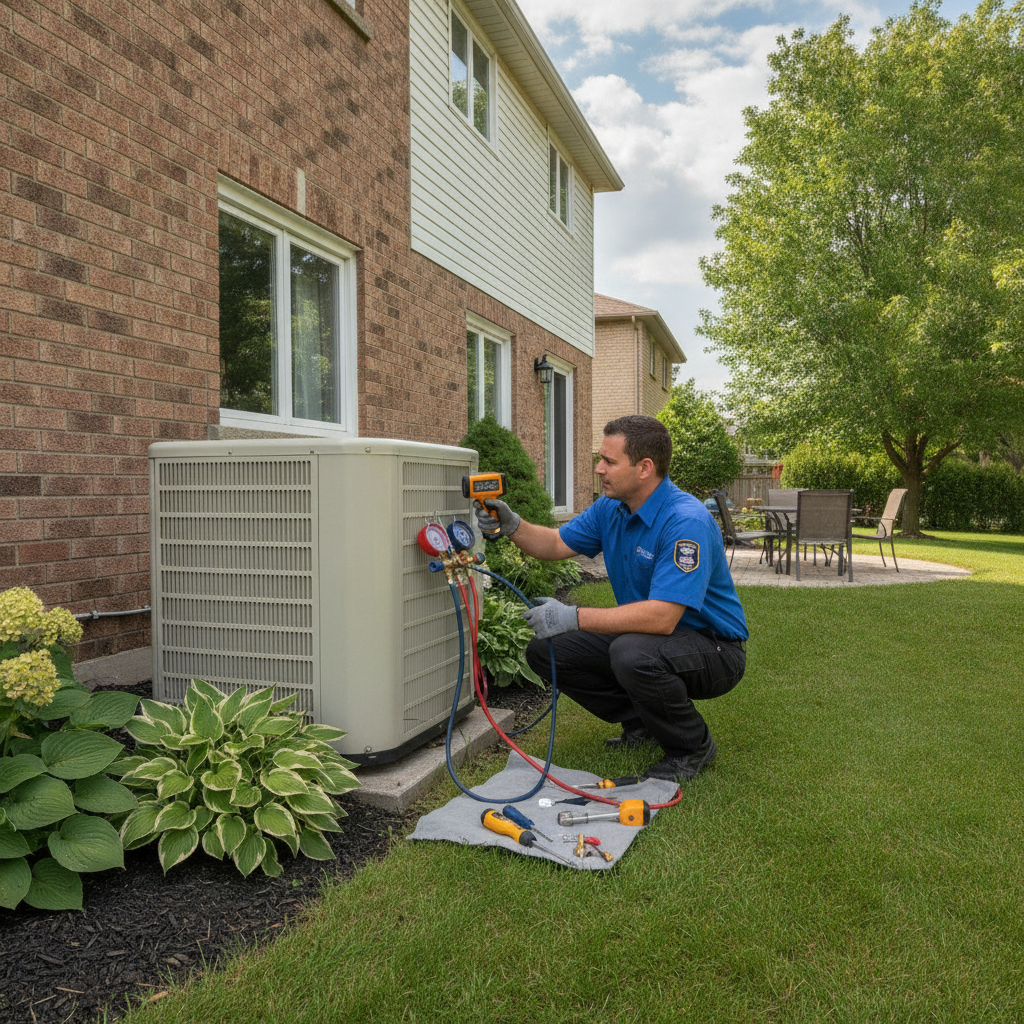
An air conditioning inspector evaluates safety, performance, and remaining life of a home’s cooling system as part of a complete property inspection. In the Suite 2000 area of Toronto and across the GTA, bundling HVAC with electrical, attic, plumbing, roof, and foundation checks gives buyers and sellers the full picture before they commit.
By Asmhomeinspection • Last updated: 2026-07-10
Summary
This service-focused guide shows what an AC inspection covers, why GTA homes need a bundled approach, the exact checks we run (with real ranges), and how to use ASM’s same-day PDF report to make confident decisions fast.
- What inspectors actually measure (delta-T, clearances, panel protection)
- GTA-specific patterns we see in detached, semis, and condos
- Inside a real visit: our 8-step, non-invasive process
- How AC integrates with pre-purchase and pre-listing inspections
- How to read priorities and plan next steps
| Service type | Air conditioning (HVAC) inspection within full residential or commercial inspections |
|---|---|
| Coverage | Greater Toronto Area (Toronto, Mississauga, Markham, Vaughan, Richmond Hill, Brampton, Oakville, Pickering, Whitby, Oshawa) |
| Credentials | InterNACHI (residential) and CCPIA (commercial) |
| Deliverable | Same-day PDF with photos, priorities, and practical recommendations |
| Scope highlights | HVAC, attic, electrical panel, plumbing fixtures/drains, roof, foundation, basement moisture scan |
Local scheduling tip for Toronto heat waves
In the Suite 2000 area and downtown, early-week morning appointments help us capture a cleaner temperature split before afternoon heat loads and neighborhood noise increase. It also lets us compare attic ventilation and panel load conditions under more controlled, repeatable settings.
What is an air conditioning inspector?
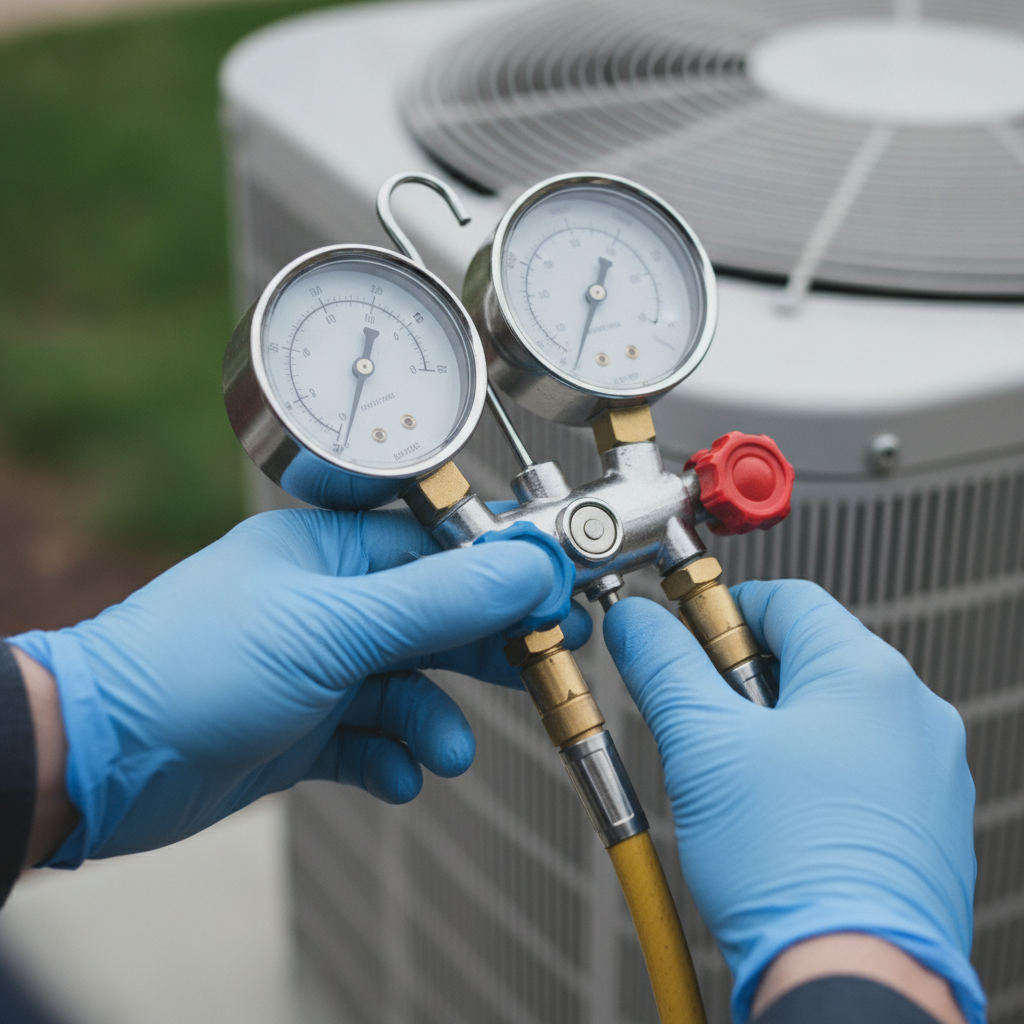
An air conditioning inspector assesses condition, safety, and function of cooling equipment and documents risks. ASM places HVAC findings in full-home context—attic airflow, electrical protection, moisture, and envelope—so recommendations target root causes, not just symptoms.
Here’s the plain truth we share with anxious summer buyers: a cool blast at a single register doesn’t prove the system will survive August. We look for patterns and numbers you can act on, then connect them to the rest of the house.
- Temperature split: We aim to see roughly 14–22°F between return and supply under typical indoor humidity. Below ~12°F often points to a dirty evaporator, low airflow, or low charge; above ~24°F can hint at restricted airflow or duct issues.
- Electrical protection: Breaker and disconnect must align with the condenser’s nameplate MOCP/MCA. Mismatched protection is flagged for a licensed electrician.
- Drainage and moisture: Traps and slopes matter. Any overflow marks or rust in secondary pans get photographed and prioritized.
- Clearances: Many condensers need about 12–24 inches of side clearance and open discharge above; yard debris and fences can choke airflow.
Because we also perform residential home inspections and commercial assessments, we see how poor attic ventilation or mislabeled panels quietly undermine AC performance.
What an Air Conditioning Inspector Actually Checks (and What Most Skip)
A thorough AC inspection documents controls, temperature split, electrical protection, coil and condenser condition, airflow cues, condensate management, and installation clearances—plus attic and basement factors that drive comfort and moisture.
Core checks you should expect
- Controls: Thermostat mode changes, fan response, and setpoint behavior.
- Electrical: Breaker size/labeling versus equipment MOCP, disconnect accessibility, bonding/grounding.
- Airflow cues: Filter fit, blower sounds, return locations; starved returns often show weak upstairs delivery.
- Coils and condenser: Visible evaporator cleanliness; outdoor coil fins, cabinet level, vegetation clearance.
- Condensate: Trap presence, slope, secondary pan/riser conditions, signs of prior overflow.
- Installation: Line-set insulation UV wear, wall penetration sealing, vibration, anchoring.
Commonly skipped—but critical
- Attic and ducts: Under-ventilated attics add heat load; we often see baffles missing over soffits.
- Panel context: Overfilled or mislabeled panels complicate service and mask nuisance trips.
- Basement moisture: Staining behind mechanicals reveals past condensate issues or seepage.
We keep the inspection non-invasive—no refrigerant gauges or sealed-system work—but we do capture the numbers a buyer needs for decisions. For background reading on seasonal owner tasks, see these GTA AC maintenance tips.
| Aspect | ASM bundled approach | AC-only visit |
|---|---|---|
| Electrical context | Panel labeling and protection matched to nameplate; photos in report | Disconnect glance; panel rarely documented |
| Attic/duct insight | Ventilation and visible duct leaks noted; ties to hot-room complaints | Usually excluded |
| Moisture pathways | Condensate routing and basement staining documented | Primary drain only |
Example from a recent GTA pre-purchase: the AC “worked,” but our attic photos showed thin insulation and blocked soffits. The buyer didn’t chase a new condenser; they fixed ventilation and sealed ducts after closing—and the second floor cooled properly.
Why GTA Homes Need AC Inspections Done Differently
Short, intense summers and mixed housing stock hide airflow and drainage problems. Local knowledge connects weak cooling to attic ventilation, starved returns, mislabeled panels, and PTAC maintenance in condos.
- 1975–1995 semis: We frequently find a single hallway return serving a 2.5–3 ton system. Expect poor upstairs delivery and warm bedrooms until returns are added and attic ventilation improves.
- Condos with PTACs: Clogged condensate paths and dirty coils are common at first heat wave. A quick cleanout prevents musty odors and overflow risk.
- Leafy backyards: Vines and fencing crowd condensers; we call for 12–24 inches of side clearance and clear discharge above.
Local considerations for Suite 2000
- Morning bookings during heat advisories capture more reliable temperature splits.
- Ask us to comment on attic ventilation; second-floor comfort depends on it.
- For condo buyers, request a visual PTAC coil and condensate check; small clogs snowball in humid weeks.
If you want homeowner-friendly context on symptoms you can monitor between inspections, see this guide to common GTA AC problems.
Book a full pre-purchase inspection so HVAC issues are weighed against the electrical panel, attic, plumbing, roof, and foundation—one coordinated visit, one clear report.
What ASM’s AC Inspection Covers — Inside a Real Inspection Visit
We activate cooling, observe a temperature split, verify panel protection and disconnect, assess airflow cues, check condensate management and coil cleanliness, and look at attic and basement factors that explain hot rooms or humidity.
- Interview: Hot/cold rooms, noises, filter changes, recent service.
- Controls and startup: Mode changes; target delta-T roughly 14–22°F in-season.
- Panel and disconnect: Nameplate MOCP versus breaker; clear access and labeling photos.
- Outdoor unit: Level pad, 12–24 inch side clearance, clean fins, intact line-set insulation.
- Air handler/coil: Visible coil surface, clean filter fit, blower sounds.
- Condensate: Trap presence, slope, secondary pan; any rust or stains noted.
- Attic/duct snapshot: Ventilation cues, baffles, obvious duct kinks or leaks.
- Basement moisture: Staining behind mechanicals or near floor drains.
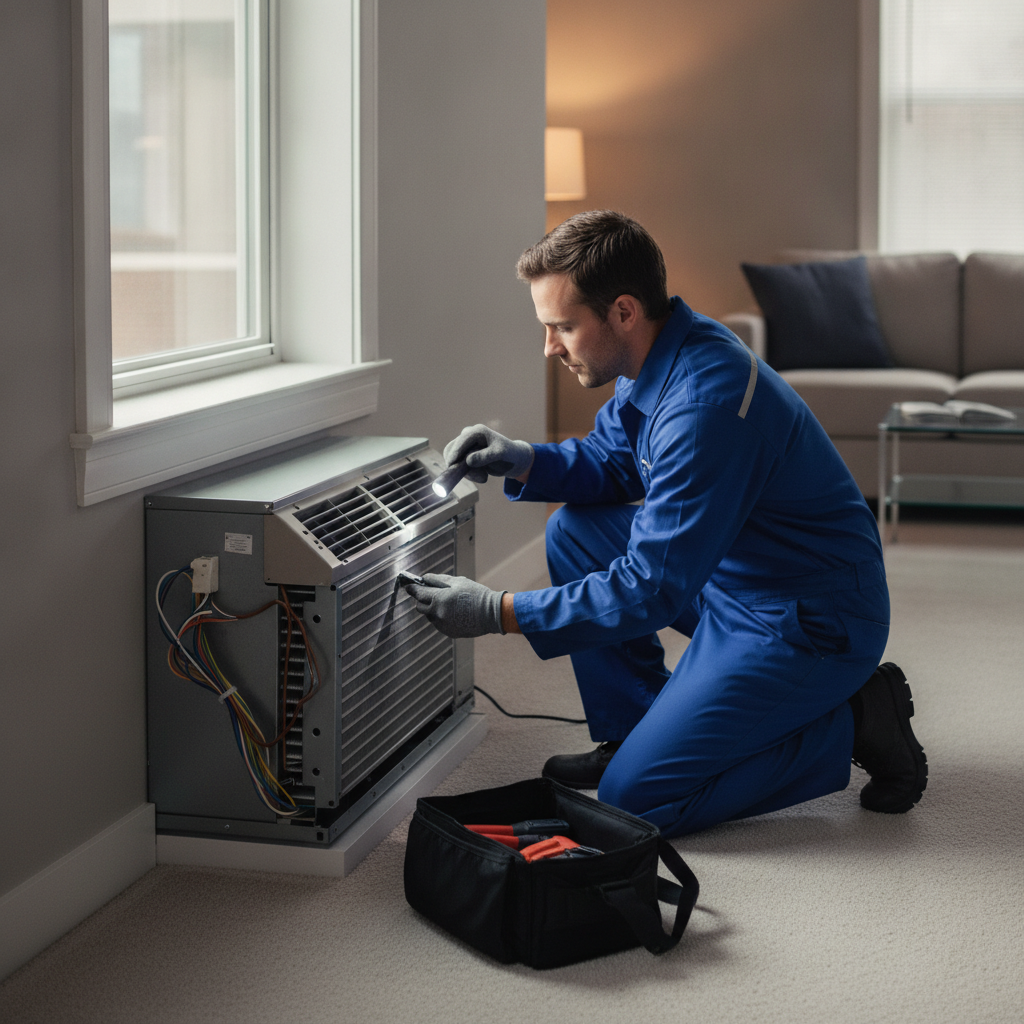
We stay visual and non-invasive; sealed-system work belongs to licensed HVAC contractors. For seasonal owner prep, review this spring AC tune-up guide.
AC Inspection as Part of Pre-Purchase and Pre-Listing Inspections
Rolling AC into pre-purchase or pre-listing visits prevents surprises. ASM’s same-day PDF consolidates HVAC, electrical, attic, plumbing, roof, and foundation so you can act fast.
- Pre-purchase: Early flags on airflow or drainage guide negotiations and post-close maintenance planning.
- Pre-listing: Clean coils, fix clearances, label panels—so showings focus on value, not noise and humidity.
- New construction: We verify accessible workmanship and document limitations for builder follow-up.
- Annual maintenance inspections: Track changes year over year and catch moisture trends early.
Our bundled scope reduces finger-pointing. A “weak AC” in the report may actually be an attic or return-air issue—and that changes your plan.
What Happens After the Inspection: Reading Your Report
You’ll get a same-day PDF with photos and plain-language priorities: safety, function, and maintenance. We summarize what matters for closings and which licensed trades to call when work is beyond a visual inspection.
- Photos that teach: Coil debris, crowded condensers, unlabeled breakers, rust in secondary pans.
- Action steps: Improve attic ventilation, add returns, clean coils, correct breaker labeling.
- Limitations noted: Off-season testing limits or inaccessible areas are documented so you’re not guessing.
- Fast follow-up: We’re available for a same-day call to align next steps with your timeline.
Agents tell us this format speeds decisions without creating alarm. It’s direct, specific, and practical.
FAQ
Quick, clear answers to common buyer, seller, and agent questions about AC within a full home inspection.
Do you hook up gauges or test refrigerant charge during inspection?
No. Home inspections are visual and non-invasive. We observe temperature split, airflow cues, electrical protection, drainage, and installation quality. If numbers point to a sealed-system problem, we recommend a licensed HVAC contractor for diagnostics and service.
What temperature split should I expect from my AC?
In-season, many systems show roughly 14–22°F between return and supply under typical indoor humidity. Lower splits can indicate dirty evaporator coils or airflow issues; unusually high splits may point to restricted airflow. We document readings and context in your report.
How does attic ventilation affect AC performance?
Hot attics load second floors and make ACs look weak. We often find missing baffles over soffits or thin insulation. Improving ventilation and sealing obvious duct leaks can restore upstairs comfort without replacing equipment.
Can you include condo PTAC units in the inspection?
Yes, we perform a visual, non-invasive check. We look at coil cleanliness, condensate routing, filter condition, and controls. If we see signs of overflow or musty odor, we’ll recommend maintenance before peak summer use.
Key Takeaways
Tie AC performance to the rest of the house. Numbers like temperature split and clearances matter—but attic airflow, panel protection, and drainage often decide comfort and reliability.
- Look for a documented temperature split and photos that tell the story.
- Ask how attic ventilation and return air affect upstairs rooms.
- Keep condensers clear and coils clean to avoid hidden moisture risks.
- Use ASM’s same-day PDF to plan fixes and coordinate trades quickly.
About the author: Asmhomeinspection performs certified residential and commercial inspections across the GTA. Dual InterNACHI and CCPIA credentials, comprehensive scope, and same-day PDF reports help clients move confidently on tight timelines.
Schedule a full home inspection in the Suite 2000 area or anywhere in the GTA. One coordinated visit. One clear report.